
Executive Overview
In the modern landscape of parenting, few technological developments have achieved the cult status and household ubiquity of screen-free audio devices. For years, families seeking an alternative to tablets, smartphones, and television screens have turned to audio-first hardware to entertain, educate, and soothe their children. At the forefront of this movement is Yoto, a brand that revolutionized the genre by tethering digital audio streaming to physical, tactile smart cards.
However, even the most beloved consumer products carry inherent pain points. Ask any parent operating a Yoto ecosystem, and they will likely share a universal tale of panic: the sudden, inexplicable disappearance of a child’s favorite audio card down the back of a couch, beneath a car seat, or into the abyss of a toy bin. What follows is a familiar domestic ritual—an exhausting archaeological dig through upholstery, culminating inevitably in a tearful child’s meltdown.
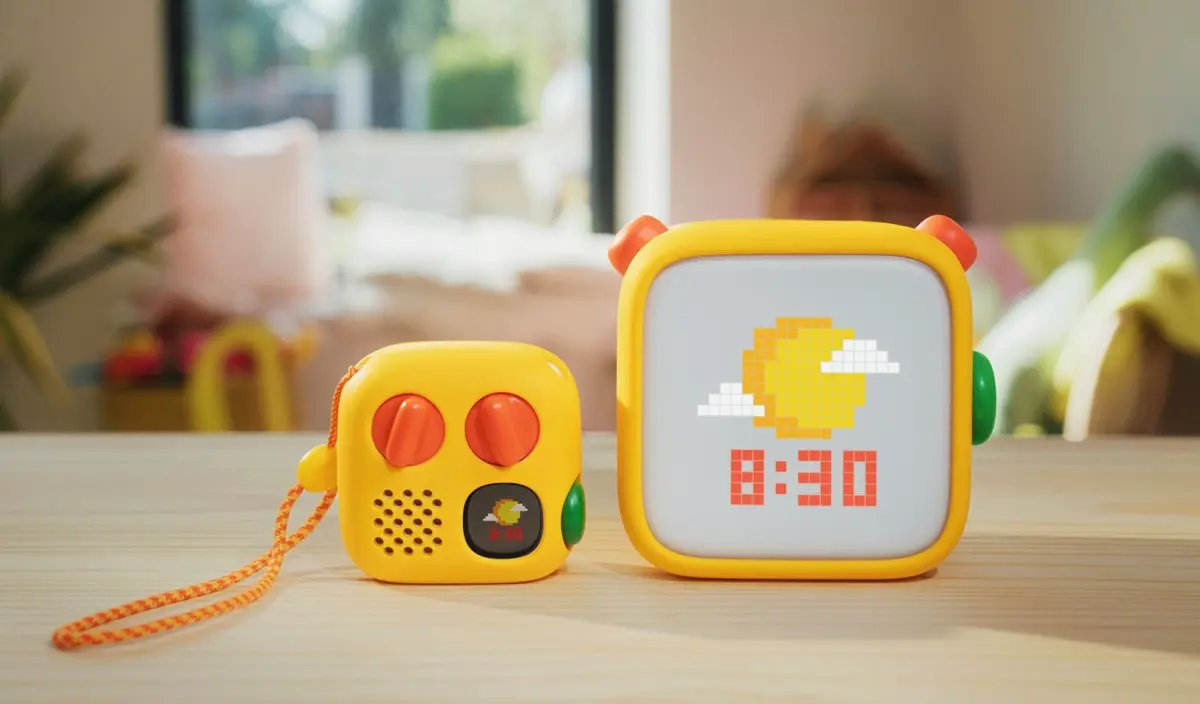
Recognizing these systemic frustrations, Yoto has announced its most ambitious hardware revision to date: the fourth-generation Yoto Player and Yoto Mini. Representing the most substantial hardware overhaul since the platform’s inception, this new generation introduces targeted solutions to long-standing user complaints. Most notably, it debuts the "Green Button"—a software-hardware hybrid feature designed to eliminate the need for physical cards entirely for up to 20 favorite tracks.
Beyond this consumer-centric innovation, the fourth-generation rollout delivers a sweeping internal transformation. Both the full-size Yoto Player and the portable Yoto Mini feature doubled internal storage capacity, modernized processors, enhanced connectivity protocols, and ruggedized physical designs built to withstand the punishing reality of day-to-day child usage. Crucially, the brand has maintained backward compatibility, ensuring that existing investments in physical card libraries remain fully functional. This comprehensive analysis explores the engineering decisions, market implications, and functional upgrades defining Yoto’s fourth-generation hardware release.
Detailed Chronology: From Concept to the Fourth-Generation Reveal
To understand the magnitude of Yoto’s latest hardware release, it is essential to trace the developmental timeline of the brand and the category of screen-free children’s audio players as a whole.
The Genesis of Screen-Free Audio
The contemporary market for children’s audio devices emerged in direct response to parental anxiety surrounding excessive screen time. As clinical research increasingly highlighted the negative impacts of passive blue-light consumption on early childhood development, sleep hygiene, and attention spans, parents sought alternatives that retained the engagement of digital media without the visual stimuli.
While traditional audiobooks and cassette tapes had existed for decades, modern children required an interactive, intuitive medium. Audio cards—durable, credit-card-sized pieces of plastic embedded with near-field communication (NFC) chips—bridged this gap. By physically inserting a card into a player, a child initiates audio playback, fostering a sense of autonomy and tangible interaction that purely digital streaming apps lack.
The Rise of the Yoto Ecosystem
Since its founding, Yoto positioned itself as a premium player in this space, deliberately rejecting screens, cameras, and microphones to establish a pristine privacy and safety record. The original Yoto Player and its subsequent compact sibling, the Yoto Mini, captured significant market share by blending minimalist aesthetic design with a vast, curated library of audio content ranging from classic literature and BBC podcasts to custom user-generated recordings.
As the user base expanded, so did the telemetry of user feedback. While parents lauded the pedagogical benefits and the durable construction of the devices, recurring friction points emerged:
- The Lost Card Dilemma: Because physical cards are the sole vector for offline playback, the loss or damage of a favorite card rendered that content inaccessible until replaced or re-downloaded via the companion app.
- Storage Limitations: Heavy users managing large libraries of downloaded content frequently bumped against the constraints of first- and second-generation internal storage capacities.
- Durability in Extreme Environments: The Yoto Mini, designed specifically for portability, frequently encountered the worst-case scenarios of travel—drops on tarmac, exposure to moisture, and heavy impact within vehicles and backpacks.
The Fourth-Generation Announcement
The culmination of years of user data collection and engineering iterations arrived with the announcement of the 4th Generation Yoto Player and Yoto Mini. Moving past incremental software updates or cosmetic color changes, Yoto targeted structural vulnerabilities in the hardware.
By introducing the Green Button, doubling storage, upgrading wireless chips, and engineering an IP67-rated chassis for the Mini, Yoto positioned its fourth-generation lineup not merely as an upgrade, but as a mature, enterprise-grade consumer electronics product tailored specifically to the chaotic environment of family life. Preorders for the new lineup opened immediately following the announcement, with staggered fulfillment dates set for late September and mid-October.
Supporting Context & Metrics: Under the Hood of the 4th-Gen Hardware
A surface-level glance at the fourth-generation Yoto devices reveals familiar silhouettes, but a rigorous technical audit exposes a complete reimagining of internal architecture. Yoto has systematically addressed performance bottlenecks, connectivity reliability, and physical durability.
The Engineering of the "Green Button"
The headlining feature of the fourth-generation release is the Green Button, a deceptively simple physical interface element engineered to solve the chronic issue of misplaced cards.
From a software architecture perspective, the Green Button bridges the gap between cloud-based companion app management and local hardware playback. Through the Yoto smartphone application, parents can curate a playlist of up to 20 favorite stories, songs, podcasts, or ambient soundscapes. Once loaded, the child bypasses the physical card insertion mechanism entirely. By twisting and pressing the designated Green Button, the device cycles through and initiates playback of these pre-programmed selections instantly.
This mechanism serves multiple use cases:
- The Meltdown Preventer: When a child’s favorite card is lost, the Green Button acts as an immediate fallback, diffusing potential tantrums before they escalate.
- Routine Automation: Parents can configure the button to house a synchronized morning routine playlist or a soothing bedtime wind-down sequence, streamlining daily transitions.
- Simplified Operation for Younger Toddlers: For children who lack the fine motor skills or organizational habits required to manage individual cards, the Green Button lowers the barrier to entry, offering direct access to core audio content.
Internal Specifications and Performance Metrics
Beyond user-facing interface changes, the fourth-generation hardware receives a comprehensive internal overhaul:
- Storage Capacity: Internal flash storage has been doubled from previous iterations to a robust 64GB. This expansion accommodates vast offline libraries, high-bitrate audio files, and extensive user-generated content without forcing users to constantly manage and purge cached data.
- Processing Power: Upgraded internal processors yield faster boot times, near-instantaneous response to physical control inputs (such as volume dials and track-skip buttons), and smoother transitions between locally stored audio and cloud streams.
- Connectivity Protocols: Both models feature upgraded Wi-Fi and Bluetooth modules. The enhanced Wi-Fi ensures stable downloads and reliable streaming in households with congested network traffic, while upgraded Bluetooth capabilities support seamless pairing with wireless headphones—a critical feature for travel and quiet environments.
- Durability and Environmental Resistance: The Yoto Mini 4th Gen receives an IP67 water- and dust-resistant build. In practical terms, this means the device is fully protected against dust ingress and can withstand incidental immersion in water up to one meter deep for 30 minutes—a vital safeguard for devices routinely subjected to spills, drops in puddles, and aggressive outdoor play.
- Illumination and Cues: The full-size Yoto Player incorporates a newly designed night light panel. Far more than a simple ambient light source, this panel is engineered to serve as an interactive bedtime and wake-up cue, helping young children understand circadian rhythms and morning boundaries visually.
Product Lineup, Pricing, and Ecosystem Expansion
Yoto’s fourth-generation rollout is accompanied by a structured pricing and accessories strategy designed to protect existing user investments while offering tiered hardware options based on family lifestyle.
1. Yoto Player (4th Generation)
- Price: $149.99
- Target Environment: Stationary home use (bedrooms, playrooms, living spaces).
- Key Features: Features a larger acoustic profile for room-filling sound, the newly designed night light panel for sleep training and wake-up cues, and the signature screen-free, ad-free, camera-free, and microphone-free architecture.
- Fulfillment: Preorders open immediately; official shipping commences on October 15.
2. Yoto Mini (4th Generation)
- Price: $109.99
- Target Environment: Highly portable, travel-friendly (automobiles, aircraft cabins, strollers, visits to extended family).
- Key Features: Compact form factor, IP67 dust and water resistance, Bluetooth headphone support, and the universal Green Button interface.
- Fulfillment: Preorders available via Yoto and partner platforms like Amazon; official shipping commences on September 30.
Ecosystem Accessories
To complement the physical hardware updates, Yoto has introduced targeted protective gear:
- Mini Adventure Jackets: Tailored silicone armor cases designed to absorb impact, priced at $22.99 for the Mini.
- Player Adventure Jackets: Larger silicone casings priced at $29.99 for the full-size Player.
- Universal Travel Case: A newly engineered protective carrying case priced at $34.99, backwards-compatible with both legacy models and fourth-generation devices.
Crucially, Yoto has honored its consumer base by ensuring total backward compatibility. Every physical card purchased across the lifespan of the brand will continue to function seamlessly on the fourth-generation hardware, preventing consumer alienation and preserving the value of established card collections.
Future Outlook: The Strategic Implications for the Children’s Tech Market
The launch of Yoto’s fourth-generation hardware signals more than just an incremental product refresh; it represents a mature maturation of the screen-free audio category within consumer electronics.
Raising the Bar for Child-Centric Hardware
For years, the children’s tech sector has struggled with a dichotomy: devices were either hyper-fragile consumer electronics requiring constant parental supervision or overly simplistic toys lacking long-term engagement value. Yoto’s integration of enterprise-grade durability standards (such as IP67 ratings) into a children’s audio player sets a new benchmark for physical resilience. As parents increasingly scrutinize the longevity and safety of the devices they bring into their homes, brands that fail to meet these rigorous build-quality standards risk losing market share.
The Hybrid Model: Physical Meets Digital
By introducing the Green Button alongside their traditional NFC card architecture, Yoto has struck a strategic balance between tangible play and digital convenience. While the physical card remains the emotional anchor of the Yoto experience—providing the tactile satisfaction of collecting and inserting media—the Green Button acknowledges the practical friction of modern family life. This hybrid approach may well become the blueprint for future interactive media players, proving that physical and digital curation can coexist harmoniously without resorting to LCD screens or tablets.
Market Longevity and Brand Loyalty
By prioritizing backward compatibility, Yoto has reinforced consumer trust. In an era plagued by planned obsolescence, where consumers are frequently forced to abandon legacy accessories to adopt new hardware standards, Yoto’s decision to respect existing card libraries ensures high retention rates among current users. Families deeply entrenched in the ecosystem can upgrade their processing power, storage, and durability features without discarding their physical investments.
Conclusion
The release of the 4th Generation Yoto Player and Yoto Mini addresses the precise pain points that separate theoretical product design from real-world domestic utility. By solving the perennial lost-card crisis through intuitive software-hardware integration, doubling internal storage, and fortifying physical durability, Yoto has solidified its position as an industry leader in screen-free audio. For households already navigating the chaotic waters of modern parenting—and for those seeking a sanctuary away from glowing screens—this fourth-generation lineup offers a compelling, highly polished solution designed to keep the peace, one story at a time.

