
Executive Overview
As the global economy increasingly digitizes, early digital literacy has transitioned from an extracurricular luxury to an essential core competency. Introducing children to programming early on builds critical thinking, logical sequencing, and advanced problem-solving skills. Traditional educational pathways—such as dense textbooks, static documentation, and monotonous video tutorials—frequently fail to capture the attention of digital-native youth.
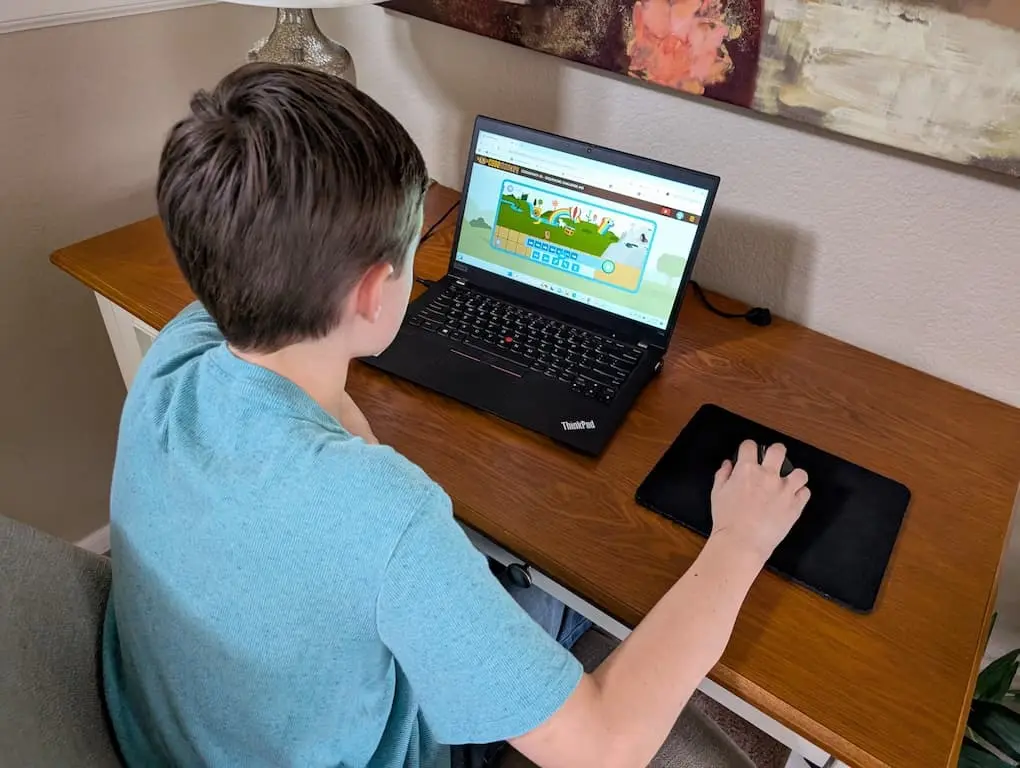
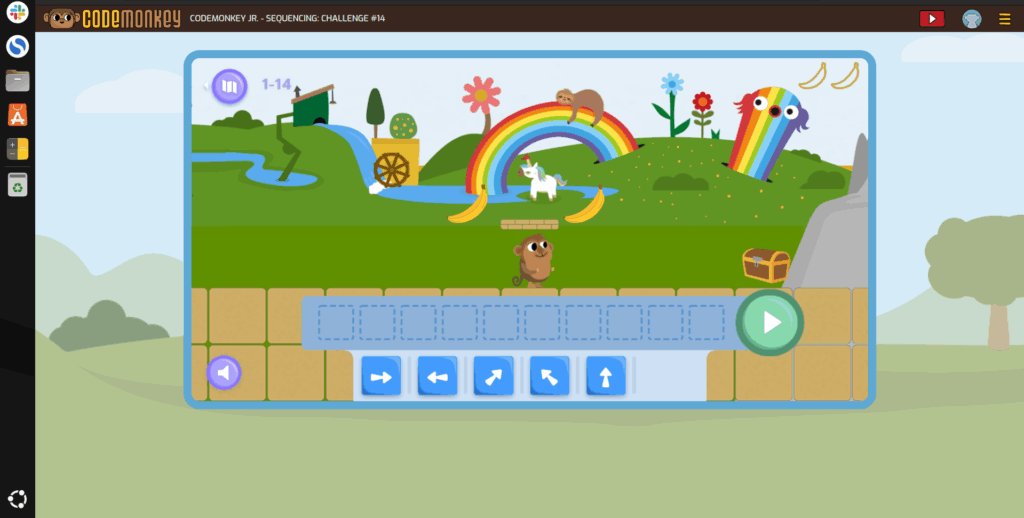
Enter CodeMonkey, an award-winning gamified educational ecosystem designed to bridge the gap between entertaining gameplay and rigorous computer science instruction. Spanning over 400 interactive challenges where students guide a virtual monkey to collect bananas, the platform introduces users to real-world text-based programming languages like CoffeeScript, Python, and JavaScript, while offering block-based visual coding for pre-schoolers and younger students via CodeMonkey Jr.
This comprehensive review examines CodeMonkey’s architectural framework, pedagogical approach, curriculum depth, and integration capabilities for both home-school environments and traditional classrooms.
Detailed Chronology and Evolution of CodeMonkey
The landscape of children’s programming platforms has undergone a dramatic transformation over the past decade. Historically, teaching code to young minds was bottlenecked by steep syntax barriers, unengaging interfaces, and a lack of scalable pedagogical frameworks for educators without formal computer science degrees.
- The Genesis of Gamified Coding: Recognizing that children learn best through play, developers conceptualized CodeMonkey to eradicate the friction associated with traditional text editors and syntax memorization. By turning code execution into a visual physics puzzle—where written commands directly dictate the movement of game sprites—learners immediately visualize the cause-and-effect relationship of their code.
- Expansion into Advanced Languages: Initially focusing on CoffeeScript as a transitional language into professional programming, the platform systematically expanded its curriculum. Today, CodeMonkey accommodates a continuum of instruction that seamlessly graduates students from block-based logic into advanced, industry-standard languages like Python.
- Institutional and Homeschool Integration: Over successive iterations, CodeMonkey evolved from a standalone online game into an enterprise-grade EdTech solution. The platform integrated robust automated grading engines, teacher dashboards, parent progress tracking tools, and specialized modules such as Game Builder, positioning it as a cornerstone for modern STEM curriculums worldwide.
Supporting Context & Core Metrics: Educational Content and Curriculum
CodeMonkey’s curriculum is meticulously structured to accommodate developmental milestones from preschool through the 8th grade. The framework is divided into progressive tiers that emphasize conceptual mastery before introducing syntactic complexity.
The Learning Continuum: From CodeMonkey Jr. to Coding Adventure
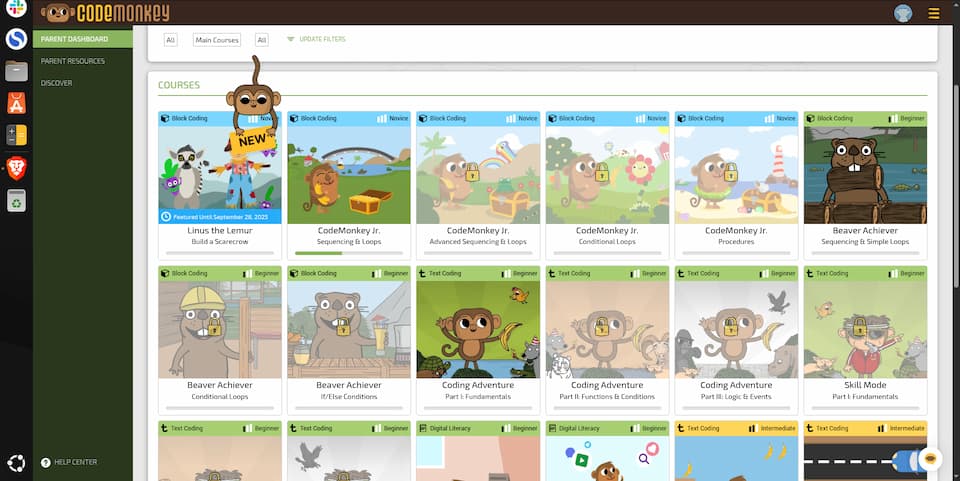
- CodeMonkey Jr. (Preschool & Early Elementary): Designed for pre-readers and early elementary students, this tier utilizes block-based visual programming. Through intuitive, puzzle-based interfaces, children absorb foundational algorithmic logic without the cognitive overload of typing syntax. This module acts as an essential stepping stone, cultivating computational thinking at the child’s natural pace.
- Coding Adventure (Primary & Middle School): Serving as the platform’s flagship experience, this module comprises nearly 400 incremental challenges. Students write actual code to help a monkey retrieve bananas. Success is quantified through a three-star rating system, encouraging iterative testing, debugging, and algorithmic optimization.
- Game Builder: Once core concepts are mastered, students utilize the Game Builder environment. This feature empowers learners to transition from consumers of code to creators, designing, testing, and sharing their own functional games using the programming skills they have acquired.
Programming Concepts Explored
Rather than relying on rote memorization, CodeMonkey exposes students to foundational computer science pillars used by software engineers daily:
- Loops: Students learn to automate repetitive actions. As the platform illustrates, instead of manually writing a command like "pick up toy" one hundred times, a loop executes the instruction efficiently.
- Functions and Function Calls: Users learn how to write reusable blocks of logic—akin to a personal recipe—that can be invoked repeatedly throughout a program to maintain clean, readable code.
- Objects and Arrays: The curriculum demystifies complex data structures. Objects are introduced as organized containers holding varied data types, while arrays function like orderly lines of elements that can be manipulated dynamically.
- Variables and Boolean Conditions: Students utilize variables as data storage containers and master boolean conditions (such as if-else statements) to help programs make logical decisions based on changing parameters, such as evaluating whether a player’s score exceeds a specific threshold.
Official Statements and Pedagogical Approach
Educators, parents, and industry observers have widely praised CodeMonkey’s deliberate blend of gamification and rigorous academic content.
The Gamification Strategy
By converting abstract programming syntax into an engaging puzzle game, CodeMonkey minimizes the intimidation factor historically associated with computer science. According to instructional feedback gathered across global deployments, gamification instills a resilient mindset toward troubleshooting. When a monkey fails to reach a banana, students are naturally incentivized to read error logs, debug their lines of code, and re-test their hypotheses.
Analytics, Assessment, and Educator Support
- Automated Grading and Skill Modes: The platform features an automated assessment engine that grades student inputs instantly. This eliminates grading lag, allowing students to advance self-paced modules without artificial bottlenecks. A dedicated "skill mode" maps student proficiencies directly to specific computer science standards.
- Comprehensive Dashboards: Parents and homeschool educators benefit from dedicated dashboards that provide granular visibility into mastered competencies and areas requiring reinforcement. Automated progress reports ensure oversight without demanding deep technical knowledge from the supervising adult.
- Instructional Resources: Teachers integrating CodeMonkey into classrooms receive detailed lesson plans, comprehensive teaching guides, and alignment maps for standardized computing curricula. For independent learners, built-in chatbot assistants, video tutorials, and contextual hints provide immediate scaffolding when a user encounters a difficult challenge.
Future Outlook: Technology, Privacy, and Scalability
As artificial intelligence and automated systems redefine the global workforce, platforms like CodeMonkey are positioned at the vanguard of foundational technical education.
Continuous Platform Enhancement
Development roadmaps for CodeMonkey consistently prioritize user experience, performance optimization, and curriculum expansion. By integrating cutting-edge instructional aids, the platform ensures that students are not merely learning isolated tricks, but developing a cognitive framework adaptable to emerging technological paradigms.

Data Privacy and Technical Infrastructure
Operating as a robust web-based educational service, CodeMonkey employs general-purpose session cookies strictly dedicated to fundamental operational functionalities. These cookies maintain user authentication and track educational progress within the platform. Crucially, unlike third-party tracking mechanisms utilized for commercial advertising, these technical cookies respect user privacy, and families retain the autonomy to adjust browser settings according to their preferences.
Conclusion
CodeMonkey successfully dispels the myth that professional programming languages are inaccessible to young minds. By merging a captivating narrative with a pedagogically sound curriculum that scales seamlessly from visual block coding to Python and JavaScript, the platform delivers an authoritative, highly engaging STEM education solution. Whether deployed within a structured school curriculum or utilized by a homeschool parent seeking to foster digital fluency, CodeMonkey equips the next generation of innovators with the analytical tools required to thrive in a software-driven world.

