As the winter season settles in, bringing with it shorter days, dropping temperatures, and shifts in daily routines, educators and parents frequently observe a notable transformation in children and young adults. The weeks leading up to and following major winter and holiday breaks are notorious for heightened dysregulation, increased behavioral challenges, and difficulties with sustained focus. During these months, children face a convergence of stressors: disrupted schedules, prolonged indoor confinement, and the emotional turbulence often accompanying holiday excitement.
Self-regulation—the cornerstone executive function enabling individuals to manage thoughts, monitor emotional states, and control behavioral responses—becomes acutely vulnerable during this time. Rather than viewing winter behaviors merely as seasonal disruptions, child development experts and educators are increasingly turning to structured, engaging, and evidence-based self-regulation activities. By reframing mindfulness and emotional control as dynamic, interactive experiences, adults can provide children with the vital tools necessary to navigate seasonal stress successfully.
This comprehensive report examines the neurological, psychological, and practical dimensions of winter self-regulation, offering an authoritative look at ten engaging activities backed by scientific research and designed to foster emotional resilience in children and teens.
Detailed Chronology: Understanding the Winter Disruption Cycle
To effectively support children through the winter months, it is essential to map the typical chronology of seasonal behavioral shifts and intervention points. Understanding this timeline helps educators and caregivers anticipate needs rather than merely reacting to crises.
Phase 1: The Pre-Break Build-Up (Late November to Mid-December)
Environmental Shift: Daylight hours shrink rapidly, and outdoor play is increasingly constrained by inclement weather. Classrooms and homes experience elevated sensory stimulation due to holiday preparations, decorations, and changing schedules.
Behavioral Indicators: Children often display heightened impulsivity, emotional volatility, and difficulty transitioning between tasks. Executive functions are taxed by the sheer volume of anticipatory excitement and routine deviations.
Intervention Focus: Introducing proactive self-regulation practices, such as winter-themed mindful breathing and gratitude exercises, to establish a baseline of calm before acute stress manifests.
Phase 2: The Post-Break Readjustment (January)
Environmental Shift: Returning to institutional structures after weeks of unstructured holiday freedom. The contrast between home routines and academic environments is stark.
Behavioral Indicators: Lethargy paired with high anxiety, frustration with routine academic demands, and interpersonal friction among peers.
Intervention Focus: Utilizing tactile and sensory-based strategies—such as sensory bins, cozy reading time, and physical movement games like winter freeze dance—to ground children back into a cooperative, focused mindset.
Phase 3: The Deep Winter Steady State (February to Early March)
Environmental Shift: Prolonged indoor confinement peaks. The initial novelty of winter weather wears off, giving way to cabin fever and vitamin D deficits.
Behavioral Indicators: Boredom-induced restlessness, lack of engagement, and complaints of fatigue.
Intervention Focus: Leveraging creative outlets, nature walks for sunshine and fresh air, and imaginative visualization techniques to maintain mental stimulation and emotional equilibrium.
Supporting Context & Metrics: The Science of Self-Regulation
Self-regulation is not an innate trait that children simply possess or lack; it is a developing neurological capacity heavily influenced by environment and practice. The human nervous system comprises the sympathetic nervous system (fight-or-flight) and the parasympathetic nervous system (rest-and-digest). Winter stressors frequently push children into an overactive sympathetic state.
Neurological Mechanisms and Research Insights
The Parasympathetic Activation: Controlled deep breathing and sensory grounding exercises stimulate the vagus nerve, immediately signaling the brain to downshift the stress response and promote a state of physiological calm.
The Power of Nature: Research consistently demonstrates that even brief exposure to natural environments reduces cortisol levels, lowers blood pressure, and restores directed attention capacity.
Cognitive Reframing through Gratitude: Practicing gratitude alters neural pathways, gradually training the brain to notice positive stimuli rather than defaulting to stress-induced hyper-vigilance. Studies link regular gratitude exercises to improved sleep, enhanced emotional resilience, and reduced anxiety in adolescents.
Kinesthetic Processing: For children who struggle with static mindfulness (such as traditional meditation), dynamic activities—including mindful coloring, crafting, and structured movement—engage fine and gross motor skills while maintaining the mental focus required for emotional regulation.
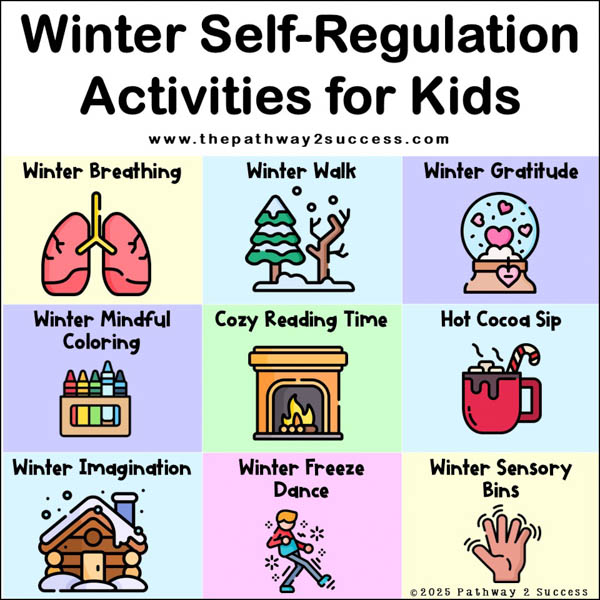
Ten Engaging Winter Self-Regulation Activities for Kids and Teens
Integrating self-regulation into daily routines does not require rigid, clinical environments. The following ten strategies leverage seasonal themes to make emotional management accessible and enjoyable.
1. Winter Breathing Exercises
The Strategy: Mindful breathing acts as an internal pause button. By anchoring attention to inhales and exhales, children interrupt immediate impulse-driven reactions.
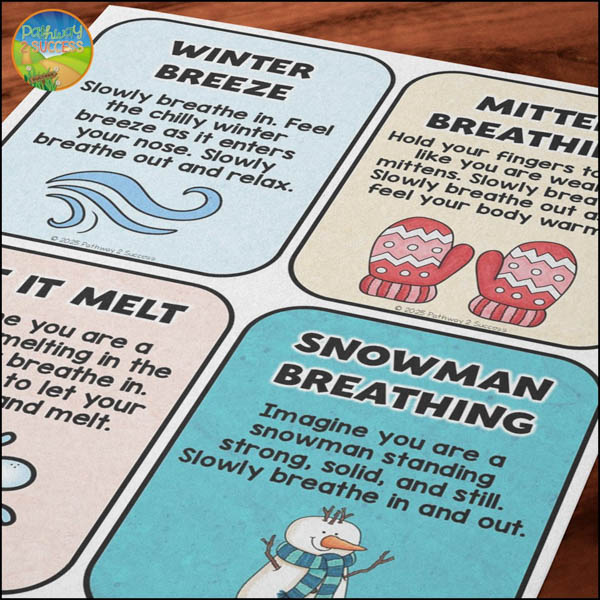
Implementation: Utilize winter-themed breathing techniques (such as imagining blowing out a candle on a gingerbread house or tracing the shape of a snowflake while breathing slowly).
The Mechanism: Activates the parasympathetic nervous system, lowering heart rates and fostering immediate mental clarity.
2. Outdoor Nature Walks
The Strategy: Multi-sensory exploration that encourages observation of the immediate environment (sight, sound, touch, smell).
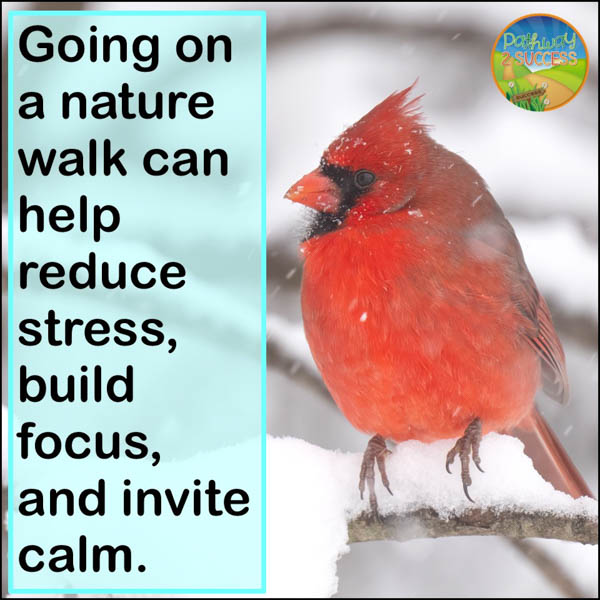
Implementation: Bundle up and take structured walks where children consciously identify natural winter phenomena—such as the crisp breeze, bare tree branches, or animal tracks in the snow.
The Mechanism: Combines physical exercise, essential winter daylight exposure, and mindfulness to enhance mood and combat seasonal affective dips.
3. Winter Gratitude Reflection
The Strategy: Deliberate reflection on positive aspects of the winter season to rewire cognitive bias toward optimism.
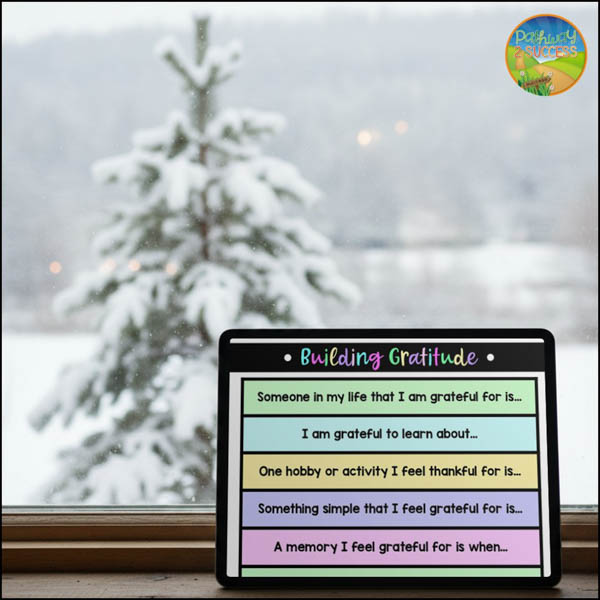
Implementation: Create shared classroom or family lists, utilize gratitude sentence starters, or maintain a winter reflection journal focusing on specific comforts like warm clothing, hot drinks, or family time.
The Mechanism: Empirically proven to reduce stress, build psychological resilience, and improve overall subjective well-being.
4. Mindful Winter Coloring
The Strategy: Utilizing structured visual art to achieve a meditative state without the pressure of absolute stillness.
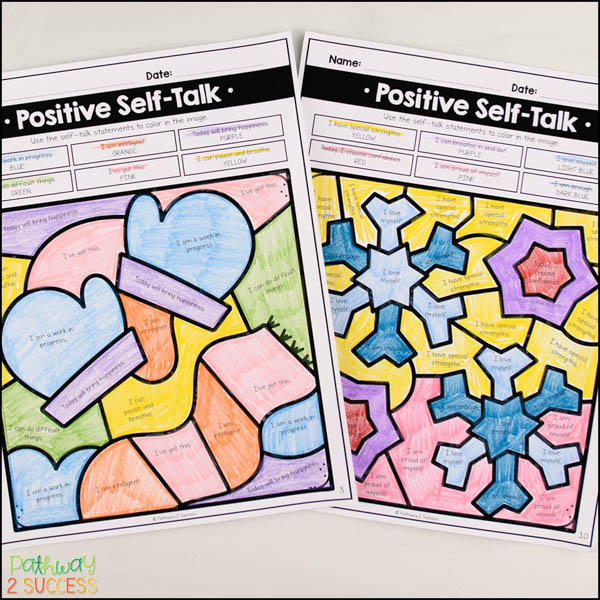
Implementation: Provide winter or positive self-talk coloring pages alongside diverse mediums (colored pencils, gel pens) with instructions to focus entirely on the motion and color rather than artistic perfection.
The Mechanism: Serves as an exceptional regulatory tool for high-energy children who find traditional meditation challenging.
5. Cozy Reading Time
The Strategy: Immersion in literature within a comfortable, low-stimulus environment.
Implementation: Create a cozy reading corner—complete with virtual fireplace displays—and engage in either silent reading or interactive read-alouds.
The Mechanism: Lowers cortisol levels, eases muscle tension, fosters empathy, and offers a psychological sanctuary from daily stressors.
6. Winter Sensory Bins
The Strategy: Tactile exploration using seasonal materials to ground the nervous system.
Implementation: Fill shallow containers with safe winter-themed items (fake snow, pinecones, cinnamon sticks, smooth pebbles, or miniature arctic animals) for unstructured tactile play.
The Mechanism: Engages fine motor skills, satisfies sensory needs, and naturally induces calm and focused curiosity.
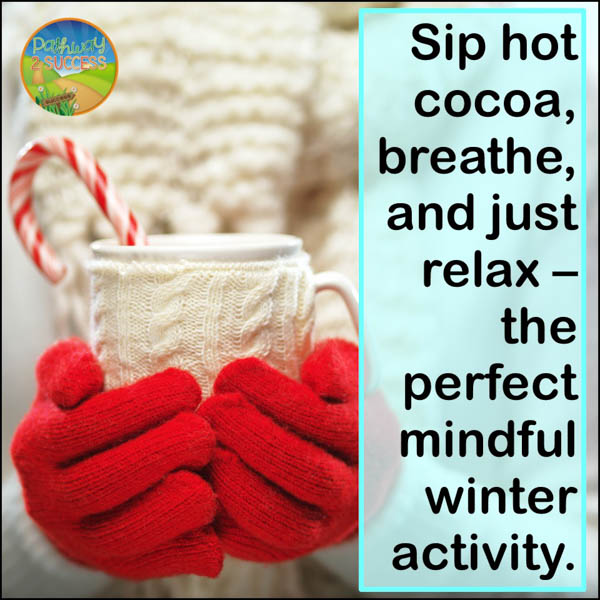
7. Mindful Hot Cocoa Sips
The Strategy: Turning a traditional winter treat into a full sensory mindfulness exercise.
Implementation: Have children hold the warm mug, feel its temperature, inhale the aroma, and take slow, deliberate sips while pausing between each swallow.
The Mechanism: Warmth physicalizes comfort, while deliberate sensory focus quiets the central nervous system.
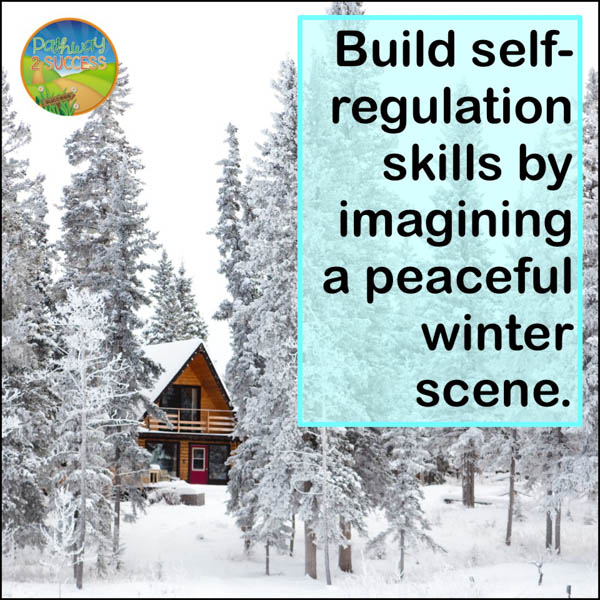
8. Winter Imagination and Visualization
The Strategy: Guided mental journeys to relaxing seasonal landscapes.
Implementation: Guide children to close their eyes and vividly imagine peaceful winter environments (a quiet snowy forest, a warm cabin during a gentle snowfall) by prompting them through all five senses.
The Mechanism: Harnesses neuroplasticity and the brain’s ability to trigger physiological relaxation responses through mental imagery.
9. Hands-On Winter Crafts
The Strategy: Creative construction projects that require patience, fine motor precision, and sequential execution.
Implementation: Engage students in making paper snowflakes, winter animal dioramas, or seasonal decorations with a balance of structural guidance and creative freedom.
The Mechanism: Promotes frustration tolerance and emotional control when dealing with minor imperfections in the creative process.
10. Winter Freeze Dance
The Strategy: Dynamic movement paired with sudden inhibitory control practice.
Implementation: Play upbeat winter music for dancing, requiring children to freeze instantly upon hearing specific seasonal trigger words (e.g., "blizzard," "icicle").
The Mechanism: Directly strengthens executive functioning, impulse control, and the ability to rapidly shift between states of high energy and physical stillness.
Official Statements & Expert Perspectives
Educational psychologists and child welfare advocates emphasize that emotional regulation must be modeled and practiced proactively rather than expected intuitively.
"Self-regulation is not something children simply master on their own; it is built through co-regulation with adults and consistent, playful practice. During the winter months, when environmental stressors multiply, providing structured outlets like mindful movement and sensory grounding is essential for maintaining both mental health and academic engagement."
— Dr. Eleanor Vance, Child Development and Educational Psychology Specialist
Furthermore, school administrators note that implementing these strategies yields immediate dividends in classroom management and interpersonal harmony.
"When we shift our approach from punishing dysregulated behavior to teaching self-regulation through engaging, seasonal activities, the entire climate of the school changes. Children learn to recognize their internal states and apply tools like breathing or mindful coloring before conflicts arise."
— Marcus Sterling, Elementary School Principal and SEL Program Coordinator
Future Outlook
As educational institutions increasingly recognize the inseparable link between social-emotional learning (SEL) and academic success, the integration of targeted self-regulation curricula is projected to expand significantly. Looking ahead, schools and youth programs are moving toward holistic wellness models that view seasonal transitions not as logistical hurdles, but as intentional opportunities to teach lifelong emotional intelligence.
By embedding practices such as winter breathing, nature exploration, and mindful arts into daily routines, caregivers and educators are equipping the next generation with robust psychological armor. Mastering the chill of winter becomes more than a seasonal coping mechanism; it lays a foundational framework for resilience, focus, and emotional well-being that extends far beyond the winter months.