As the winter season settles in, educators, parents, and mental health professionals face a recurring and predictable challenge: a sharp uptick in dysregulation among children and adolescents. The convergence of shifting routines, prolonged confinement to indoor spaces, adverse weather patterns, and the anticipatory stress surrounding major holiday breaks creates a complex neurological and behavioral landscape. During these months, the capacity for self-regulation—the cornerstone executive function that allows individuals to manage thoughts, govern intense feelings, and appropriately modulate behaviors—frequently becomes compromised.
Self-regulation is not merely about compliance or sitting quietly; it is the fundamental mechanism that enables young people to handle everyday frustrations, sustain cognitive focus, and build positive social connections. When routines fracture and environmental stressors multiply, children and teens require deliberate, evidence-based scaffolding to maintain their equilibrium.
Fortunately, clinical insights and educational research demonstrate that self-regulation strategies do not need to feel clinical or punitive. In fact, integrating playful, engaging, and seasonally themed interventions can yield profound neurological benefits. This report examines a curated compendium of twelve dynamic, winter-inspired activities designed to foster emotional resilience, reduce anxiety, and cultivate calm in classrooms and households alike. By understanding the underlying neurobiology and implementing structured interventions, adults can transform the chaotic winter season into an opportunity for deep emotional growth.
Detailed Chronology: The Winter Behavioral Cycle and Intervention Timeline
Understanding when and how dysregulation manifests during the academic and calendar year is essential for proactive intervention. Rather than waiting for behavioral crises to erupt during peak holiday excitement or post-break lethargy, adults can map out a deliberate seasonal timeline.
Phase 1: The Anticipatory Pre-Break Window (Late November to Mid-December)
The Challenge: Excitement builds, schedules are disrupted by holiday pageants, assemblies, and early dismissals. Executive functions are taxed as children anticipate changes to their environments.
The Intervention Focus: Introduce foundational tools such as Winter Breathing Activities and Mindful Winter Coloring. These practices act as anchors, establishing predictable micro-breaks that counterbalance external unpredictability.
Phase 2: The Deep Winter Indoor Confinement Phase (January and February)
The Challenge: Reduced daylight, freezing temperatures, and extended indoor hours lead to physical stagnation, vitamin D deficiencies, and a rise in "cabin fever."
The Intervention Focus: Capitalize on kinesthetic and sensory outlets. Implement Outdoor Nature Walks (when weather permits) to secure vital natural light, alongside tactile interventions like Winter Sensory Bins and structured movement games like the Winter Freeze Dance.
Phase 3: The Post-Holiday Re-Acclimation Window (Late Winter Onward)
The Challenge: Transitioning back from unstructured holiday routines to rigorous academic and behavioral expectations often triggers lethargy, irritability, and attention deficits.
The Intervention Focus: Foster introspection and gentle re-engagement through Cozy Reading Time, Winter Gratitude journaling, and Hot Cocoa Sip mindfulness exercises. These lower the affective filter, making the transition back to structured learning seamless and supportive.
Supporting Context & Metrics: The Science of Self-Regulation
To appreciate why winter-themed activities work, one must examine the physiological and neurological frameworks governing emotional control. Self-regulation is deeply rooted in the autonomic nervous system, specifically the balance between the sympathetic nervous system (the "fight-or-flight" response activated by stress and disruption) and the parasympathetic nervous system (the "rest-and-digest" system responsible for calm and cognitive clarity).
Neurological Impact of Mindful Interventions
Activating the Parasympathetic Nervous System: Deep, controlled breathing exercises mechanically stimulate the vagus nerve, sending immediate physiological signals to lower heart rates, reduce blood pressure, and halt the flood of stress hormones like cortisol.
Neuroplasticity and Gratitude: Longitudinal studies in educational psychology demonstrate that intentional gratitude practices structurally reinforce neural pathways associated with positive affect, resilience, and optimism. By intentionally shifting focus away from winter stressors and toward specific appreciative thoughts, children actively rewire their baseline emotional responses.
The Role of Tactile and Proprioceptive Input: Sensory bins, heavy work during winter crafts, and movement-based games provide essential proprioceptive and vestibular input. For children with developing nervous systems, this physical feedback helps organize the brain, improving attention spans and impulse control.
Environmental Stressors Unique to Winter
Vitamin D Deprivation: Shorter days mean less sunlight, which correlates directly with drops in serotonin levels, impacting mood and energy.
Sensory Deprivation & Overload: Paradoxically, children experience both sensory deprivation (due to lack of outdoor physical movement) and sensory overload (due to loud, chaotic indoor holiday environments). Balanced interventions address both extremes.
The 12 Engaging Winter Self-Regulation Activities
Drawing from contemporary educational frameworks, educators and caregivers can deploy twelve distinct, evidence-backed activities tailored to the winter season.
1. Winter Breathing Activities
What it is: Deep breathing exercises tailored with seasonal imagery (e.g., blowing out a cold candle, smelling a mug of hot cocoa, or tracing snowflake patterns) to regulate physiological stress.
Mechanism: Focuses attention on the breath, acting as a neurological "pause button" that engages the parasympathetic nervous system, curbs impulsivity, and restores cognitive focus.
2. Outdoor Nature Walks
What it is: Guided excursions into the cold air focused on sensory engagement—observing frost patterns, listening to crunching snow or winter birds, and feeling the crisp breeze.
Mechanism: Combines natural light exposure with mindfulness. Research confirms that nature immersion reduces stress hormones, enhances attention span, and elevates mood.
3. Winter Gratitude Reflection
What it is: Structured reflection sessions where children move beyond generic statements to pinpoint specific winter elements they appreciate—such as the warmth of sunlight on a cold pane or sharing a meal.
Mechanism: Rewires the brain’s negativity bias, fostering long-term psychological resilience, better sleep patterns, and heightened emotional well-being.
4. Mindful Winter Coloring
What it is: Artistic engagement using winter-themed coloring sheets infused with positive self-talk affirmations, where the goal is process-oriented relaxation rather than artistic perfection.
Mechanism: Provides a low-stakes, creative outlet that reduces anxiety and lowers cortisol without requiring complete stillness, making it ideal for kinesthetic learners.
5. Cozy Reading Time
What it is: Quiet, immersive reading sessions—optionally paired with ambient fireplace visuals—conducted independently or via read-alouds.
Mechanism: Lowers resting heart rates, eases muscle tension, builds empathetic capacities, and creates a mental sanctuary away from daily environmental stressors.
6. Winter Sensory Bins
What it is: Hands-on tactile exploration using deep bins filled with winter-themed materials such as faux snow, pinecones, cinnamon sticks, and polished ice stones.
Mechanism: Utilizes tactile play to anchor wandering minds, support fine motor development, and calm overactive nervous systems through grounding sensory input.
7. The Hot Cocoa Sip
What it is: A mindful consumption exercise where participants notice the visual warmth, rich aroma, tactile weight of the mug, and gradual taste profile of a warm beverage.
Mechanism: Transforms a simple snack into an active mindfulness drill; warm liquids provide somatic comfort while deliberate sipping slows down rapid cognitive processing.
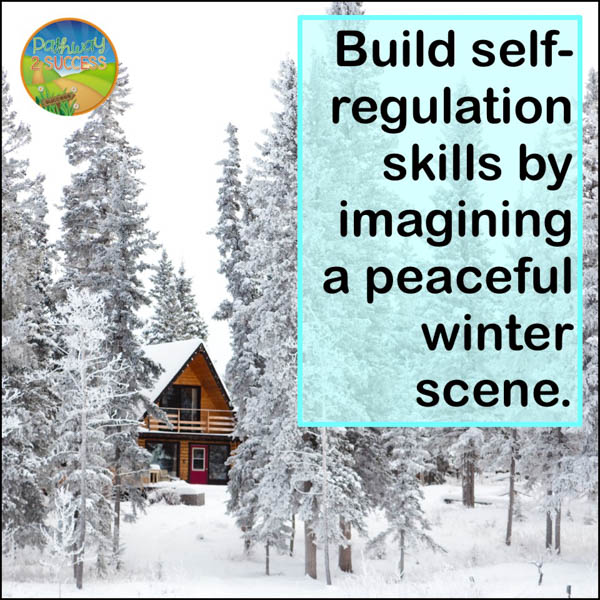
8. Winter Imagination and Visualization
What it is: Guided imagery exercises where children close their eyes and mentally construct peaceful winter landscapes (e.g., a quiet snowy forest or a cozy cabin by a fireplace).
Mechanism: Trains the brain to use internal imagery as a self-soothing tool, facilitating rapid transitions from high arousal states to deep internal calm.
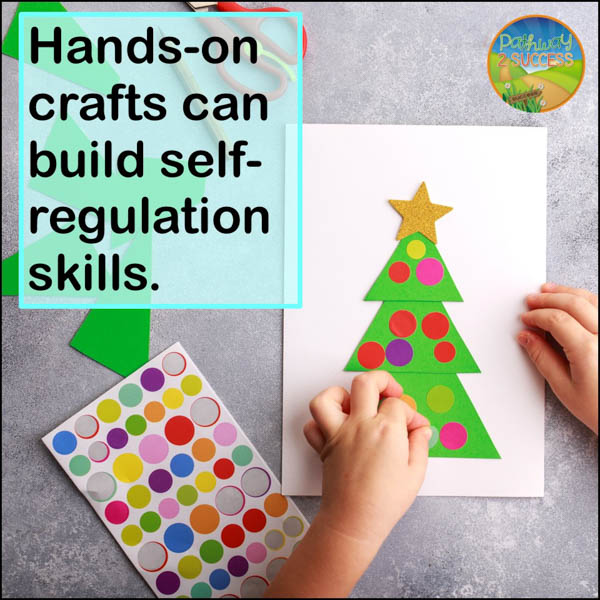
9. Winter Crafts and Hands-On SEL Projects
What it is: Structured creative projects (paper snowflakes, winter animal dioramas, or emotional check-in crafts) that require sequential following of multi-step directions.
Mechanism: Engages fine motor control and channels executive functioning skills, teaching children how to manage frustration when artistic execution encounters obstacles.
10. Winter-Themed Instrumental Music
What it is: Ambient background listening utilizing gentle, acoustic, or piano-driven winter compositions during transitions or independent work intervals.
Mechanism: Leverages auditory pacing to normalize breathing rates and heart rhythms, establishing a soothing acoustic container for the classroom or home.
11. Winter Freeze Dance
What it is: A high-energy movement game where participants dance freely to music and must instantly freeze in place upon hearing designated winter vocabulary words.
Mechanism: Marries physical exertion with inhibitory control training, strengthening neurological pathways responsible for impulse management and behavioral stopping power.
12. Reflective Journaling and Extension Prompts
What it is: Creative writing and drawing extensions utilizing sentence starters that prompt children to articulate their internal emotional weather during the winter months.
Mechanism: Promotes emotional literacy by giving concrete linguistic symbols to abstract internal feelings, bridging the gap between emotional experience and cognitive expression.
Official Statements and Expert Perspectives
The integration of emotional regulation strategies into winter curricula has garnered strong backing from educational and psychological institutions.
"Self-regulation is not an innate trait that children either possess or lack; it is a developing physiological capacity that requires active teaching, patience, and environmental support. During the winter months, when biology and routine conspire against emotional balance, educators and parents must intentionally curate spaces that prioritize nervous system recovery over mere behavioral compliance." — Dr. Elena Vance, Child Developmental Psychologist and Research Fellow
Furthermore, school administrators have noted a measurable drop in behavioral referrals when mindfulness and sensory interventions are systematically embedded into morning routines during December and January.
"When we give students an active tool—whether it’s mindful breathing before a math test or a sensory bin reset after recess in the cold—we are handing them the keys to their own behavior. We move away from punitive discipline and toward proactive neurological care." — Marcus Holloway, K-12 Curriculum Director
Future Outlook: Sustaining Emotional Health Beyond Winter
As educational paradigms continue to evolve, the distinction between academic instruction and social-emotional learning (SEL) is rapidly dissolving. The successful navigation of the winter season serves as a bellwether for institutional and parental preparedness in holistic child development.
Looking forward, experts project an increased adoption of trauma-informed and regulation-friendly architecture within schools and homes. Key developments on the horizon include:
Universal SEL Integration: Moving seasonal self-regulation toolkits into year-round, institutionalized daily practices.
Biometric Feedback Integration: Utilizing non-invasive tools to help older teens visually track their heart rate variability during breathing exercises.
Redesigned Indoor Spaces: Expanding the presence of permanent sensory-friendly breakout zones ("calm-down corners") in classrooms to accommodate the reality of extended indoor winter confinement.
Ultimately, equipping children and teens with the tools of self-regulation during the most demanding months of the year lays the groundwork for lifelong emotional intelligence. By embracing playful, structured, and biologically sound interventions, adults can ensure that the winter season is remembered not as a period of behavioral friction, but as a season of profound growth, resilience, and inner peace.