
Executive Overview
In an era defined by rapid information flow, cultural shifting, and theological pluralism, the global Christian church faces an invisible yet potent internal threat: the proliferation of modern heresies. While historical heresies often debated the dual nature of Christ or the mechanics of the Trinity, contemporary departures from biblical orthodoxy frequently target the very core of the Christian message—the gospel of Jesus Christ.
In Episode 27 of the Read, Do, & Tell podcast, hosts Amy and Becky continue their rigorous multi-part series on false teaching, shifting their primary focus to heresies against the gospel. Building upon their foundational discussions in episodes 23, 24, and 26—which explored broader doctrinal departures and specific distortions regarding the nature of God—this latest installment confronts head-on the various ways the pure, scriptural gospel is being diluted, manipulated, or outright replaced.
This report provides an in-depth exploration of the themes covered in Episode 27, analyzing the gravity of heretical teaching, the specific dangers posed by modern false gospels such as the prosperity gospel, the integration of secular ideologies like Marxism into church spaces, and the wider implications for Christian discipleship in the twenty-first century.
Detailed Chronology: The Evolution of the Read, Do, & Tell Series on Heresy
To fully understand the weight of Episode 27, it is necessary to trace the developmental timeline of the Read, Do, & Tell podcast’s investigative journey into doctrinal purity. The series was designed not merely as an academic exercise, but as a pastoral warning to believers, parents, and disciples navigating a complex cultural landscape.
Phase 1: Establishing the Framework (Episodes 23 & 24)
- The Definition of Heresy: In the opening installments of this thematic arc, the hosts established a firm, scriptural definition of heresy. Unlike minor theological disagreements or matters of secondary preference, heresy involves the intentional distortion or direct contradiction of God and the pure gospel as explicitly revealed in Scripture.
- The Severity of False Teaching: Emphasizing that God takes doctrine seriously, the hosts underscored that those who intentionally promulgate these distortions—historically and biblically termed "heretics"—lead believers away from saving truth. The focus during these foundational episodes was equipping everyday Christians with discernment tools to spot manipulation in pulpits, media, and Christian literature.
Phase 2: Focusing on the Creator (Episode 26)
- Heresies Against God: Moving from general principles to specific targets, Episode 26 turned its lens toward false teachings that misrepresent the character, attributes, and sovereignty of God. Whether through hyper-relational views that strip God of His holiness, or philosophical frameworks that reduce the Almighty to a cosmic vending machine, this episode established how a flawed view of God inevitably leads to a broken understanding of redemption. Listeners were directed to revisit this installment to grasp the full continuum of theological error.
Phase 3: Confronting the Message of Redemption (Episode 27)
- Heresies Against the Gospel: The current episode narrows the focus further, examining direct assaults on the evangel—the good news of Jesus Christ. The hosts transition from abstract theological errors to practical, highly visible movements that alter the mechanics of salvation, shifting the focus from grace through faith in Christ’s finished work to human performance, material wealth, or sociopolitical liberation.
Supporting Context & Metrics: The Landscape of Modern False Teaching
The resurgence of syncretism and theological deviation in the modern church is not happening in a vacuum. Sociological shifts, digital media democratization, and a cultural hunger for immediate validation have created fertile ground for aberrant gospels.
The Anatomy of a False Gospel
Biblical orthodoxy maintains that the gospel is simple, historical, and unchangeable: humanity is sinful, separated from a holy God, and utterly incapable of saving itself. Jesus Christ, the Son of God, lived a perfect life, died a substitutionary death on the cross taking the penalty for human sin, and rose physically from the dead on the third day. Salvation is received entirely as a gift of God’s grace through faith alone in Christ alone.
Heresies against the gospel generally attempt to alter one or more of these foundational pillars:
- The Nature of Sin: Minimizing human depravity or redefining sin as mere systemic malfunction rather than rebellion against a holy Creator.
- The Person and Work of Christ: Reducing Jesus from a divine Savior and substitutionary atonement to a mere moral teacher, social revolutionary, or cosmic life coach.
- The Means of Salvation: Replacing grace-through-faith with works-righteousness, emotional manipulation, financial contributions, or ideological conformity.
The Prosperity Gospel and Materialistic Distortion
One of the most prominent false gospels addressed by modern watchdogs—and highlighted within contemporary discernment ministries—is the "Prosperity Gospel" (often linked to the Word of Faith movement). This ideology teaches that God financially rewards unwavering faith, positive confessions, and monetary donations to specific ministries.
- The Core Error: It turns God into a transactional mechanism and faith into a currency, exploiting vulnerable individuals with the promise of health, wealth, and worldly success if they simply "decree and declare" it.
- The Contrast: Scripture clearly teaches that following Christ involves self-denial, cross-bearing, and the promise of earthly trials, with ultimate treasure stored up in heaven rather than guaranteed material abundance in this life (John 16:33; Matthew 16:24).
Ideological Syncretism: Marxism and Cultural Ideologies in the Pulpit
A critical component of Episode 27 involves calling out not only individual teachers who promote aberrant theology, but also those who partner with or assimilate secular, humanistic ideologies—such as Marxism—into Christian spaces.
- The Intersection: Critics of this trend point out that while Christianity diagnoses humanity’s primary problem as spiritual sin requiring individual redemption through Christ, Marxism diagnoses humanity’s primary problem as economic and social oppression requiring structural revolution through class struggle.
- The Heresy: When these frameworks are baptized into Christian language, the gospel is redefined as earthly liberation from systemic oppression, and salvation is reframing as social justice activism rather than reconciliation with God through the blood of the cross. While Christians are undeniably called to pursue justice, mercy, and care for the oppressed (Micah 6:8), substituting the horizontal struggle for social equality in place of the vertical reconciliation of the cross constitutes a fatal departure from the biblical gospel.
Official Statements and Pastoral Guidance
As presented in the Read, Do, & Tell podcast, the urgency of identifying and naming false teachers is rooted in biblical precedent. Throughout the New Testament—particularly in the epistles of Paul, Peter, Jude, and John—apostles explicitly named false teachers and warned believers to mark and avoid those who cause divisions contrary to the doctrine they had learned (Romans 16:17).
The Mandate for Discernment
In Episode 27, Becky and Amy echo the historical call for unwavering biblical literacy. Citing the posture of Ezra—who set his heart to study the law of the Lord, and to do it, and to teach his statutes and rules in Israel (Ezra 7:10)—the podcast challenges believers to ground themselves deeply in Scripture.
Key takeaways from the hosts’ guiding philosophy include:
- Active Engagement: Believers cannot afford to be passive consumers of Christian media, books, or sermons. Every teaching must be weighed against the objective standard of the Word of God (Acts 17:11).
- Compassionate Warning: Naming false teachers is not conducted out of a spirit of malice or hyper-critical cynicism, but out of a protective pastoral concern for the flock, keeping vulnerable believers from being led astray by sophisticated error.
Future Outlook: Navigating Discernment in an Interconnected World
As the digital age continues to blur the lines between orthodox Christianity and syncretistic cultural movements, the need for robust, uncompromising biblical teaching has never been more critical.
Equipping the Next Generation
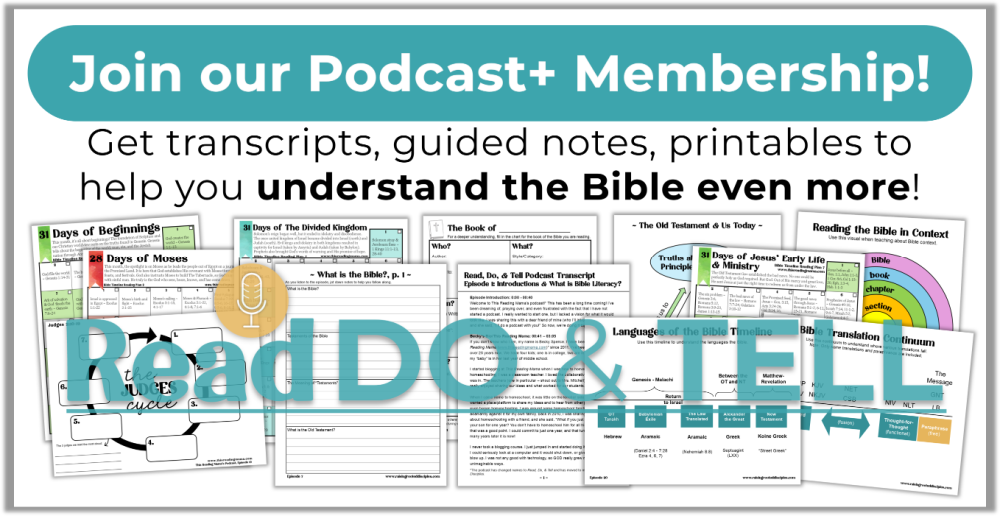
Ministries like Raising Rooted Disciples and the Read, Do, & Tell podcast play a vital role in fortifying families against ideological drift. By providing structured resources—such as Podcast+ Memberships, guided notes, Bible reading plans, and exclusive study tools—these platforms aim to transition believers from spiritual infancy to mature discernment.
What Lies Ahead for the Church
Looking forward, the global church will likely face increasingly subtle challenges where secular philosophies masquerade as deep spiritual insights. Maintaining theological integrity will require:
- Unflinching Commitment to Expositional Teaching: Pulpits must return to verse-by-verse exposition of Scripture, allowing the text to dictate the message rather than cultural relevance shaping biblical interpretation.
- Intergenerational Discipleship: Parents and mentors must actively teach children how to analyze media, music, and online influencers through a biblical lens.
- Courageous Leadership: Pastors and Christian leaders must be willing to practice church discipline and sound doctrinal gatekeeping, protecting the purity of the gospel even when it incurs cultural backlash.
Conclusion
Heresies against the gospel represent a direct assault on the eternal souls of men and women. As explored in Episode 27 of the Read, Do, & Tell podcast, the blending of biblical truth with prosperity theology, worldly materialism, and secular political ideologies poses a clear and present danger to modern Christian vitality.
By heeding the call to read, do, and tell the Word of the Lord with accuracy and courage, believers can stand firm against deception, preserving the uncompromised, life-transforming power of the true gospel of Jesus Christ for generations to come.

