
Executive Overview
In the high-stakes environment of modern education, instructional coaching and professional development are foundational to school improvement. However, when school leaders or instructional coaches introduce new curricula, pedagogies, or systemic initiatives, they frequently encounter an immovable force: teacher resistance. Traditionally, educational institutions have diagnosed this pushback as a deficit belonging entirely to the educator—a stubborn unwillingness to adapt, professional stagnation, or outright defiance.
A groundbreaking paradigm shift is emerging, spearheaded by veteran educator, author, and coach Elena Aguilar. In her ninth and latest publication, How to Coach Resistance: Turning Pushback Into Possibility, Aguilar challenges the conventional narrative. She posits that resistance is rarely a localized teacher problem; rather, it is a dynamic, relational tension co-created by both parties in the coaching room.
By analyzing the mechanics of interpersonal pushback, educational leaders are being urged to reconsider their approaches. Instead of exerting more pressure—a psychological equivalent of two opposing forces colliding—effective coaches must learn to lower their guard, embrace radical curiosity, and decode the emotional and structural barriers beneath the surface. This comprehensive review explores Aguilar’s frameworks for navigating resistance, examining the emotional undercurrents, diagnosing actual developmental gaps, and validating righteous pushback within our schools.
Detailed Chronology: The Evolution of Coaching Dynamics
To understand the current state of instructional coaching, one must examine how the relationship between teachers and evaluators has evolved over the past several decades.
The Era of Compliance-Driven Supervision (Late 20th Century)
Historically, classroom observation and teacher coaching operated under a top-down, compliance-driven model. Administrators entered classrooms primarily to evaluate fidelity to state standards and district mandates. In this era, "pushback" was treated as an administrative liability. Teachers who questioned directives were often penalized, leading to a culture of compliance where instructional changes were adopted superficially or hidden behind closed doors. Professional development consisted of "sit-and-get" workshops that rarely accounted for adult learning theory or the psychological safety of the educator.
The Rise of Instructional Coaching and the Deficit Model (Early 2000s–2010s)
As educational research pivoted toward collaborative professional learning communities (PLCs) and embedded instructional coaching, the paradigm shifted toward support rather than mere evaluation. However, coaches and school leaders frequently imported the language of corporate management into schools. When teachers struggled to implement new initiatives—such as early digital learning tools or complex reading programs—observers often defaulted to a deficit mindset. Resistance was labeled as "change fatigue" or a direct lack of pedagogical will, prompting coaches to double down on accountability measures and persuasive arguments.

The Relational Revolution and Emotional Intelligence (Present Day)
With the publication of works like How to Coach Resistance, the educational sector is entering a new era that prioritizes relational dynamics, trauma-informed leadership, and emotional intelligence. Contemporary instructional coaching is redefining pushback not as a behavioral infraction, but as data. This modern framework acknowledges that educator burnout, systemic pressures, and emotional safety directly impact instructional uptake. Coaches are now trained to look inward, examining how their own defensive postures exacerbate teacher anxiety and stall genuine pedagogical transformation.
Supporting Context & Metrics: Unpacking the Frameworks
Navigating resistance successfully requires more than good intentions; it demands structured, repeatable methodologies. Aguilar’s framework offers specific lenses through which coaches and leaders can diagnose and transform challenging interactions.
1. The Interpersonal Dynamic: Dropping the Hand
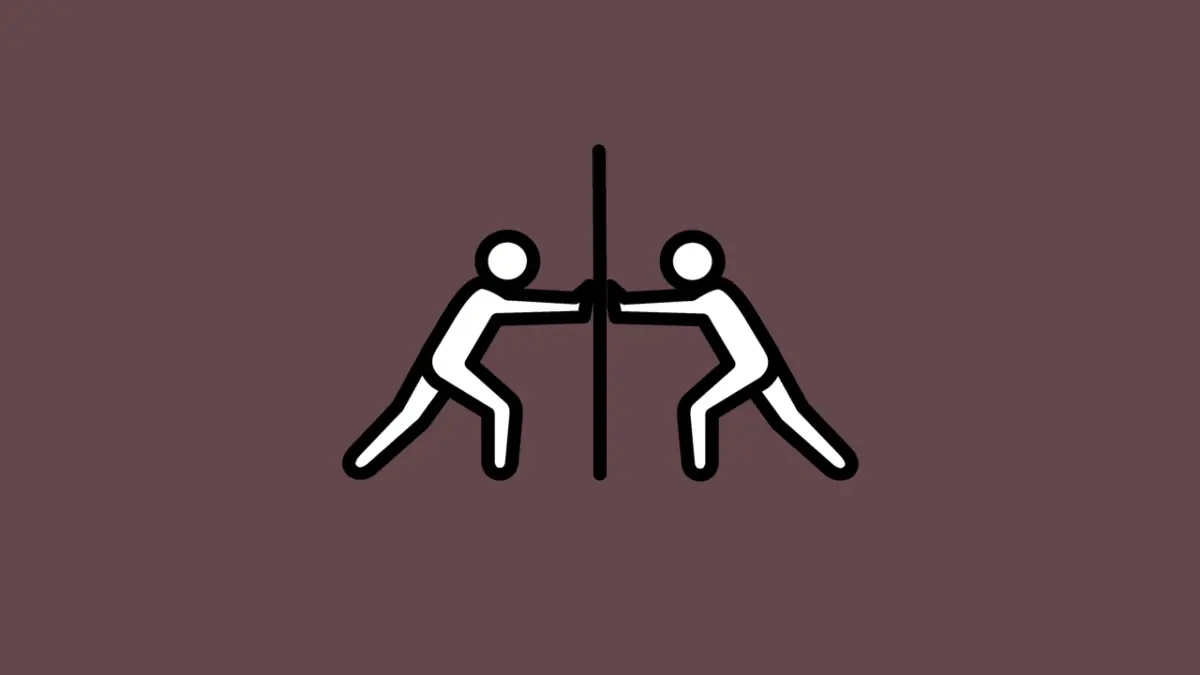
Aguilar uses a visceral metaphor to describe the push-and-pull of coaching: two hands pressing against one another. When a coach advocates for a new instructional practice and a teacher pushes back, both individuals typically escalate their pressure. The teacher defends their current methods; the coach defends the validity of the curriculum.
To de-escalate this dynamic, the coach must intentionally "drop their hand." This does not mean abandoning high standards or agreeing with a flawed premise; rather, it means stepping out of the debate and into curiosity. By halting the push, the coach creates a psychological vacuum where dialogue can replace defensiveness.
2. The ACE Framework: Acknowledging Emotions
Underneath intellectual pushback often lie intense, unexpressed emotions—fear of failure, shame over struggling student metrics, or exhaustion from chronic systemic changes. Aguilar introduces the ACE framework to navigate these emotional landscapes:
- Acknowledge Emotions: Coaches do not need formal therapeutic training to validate feelings. By observing cues and asking exploratory questions (e.g., "It sounds like there might be some fear or hesitation around this unit; does that resonate?"), coaches signal acceptance and safety. Utilizing tools like the Core Emotions framework helps educators articulate nuanced feelings rather than defaulting to generic frustration.
- Cultivate Compassion: Self-judgment runs rampant among educators. When teachers internalize difficult classrooms as personal failures, they project that harshness outward. Coaches must help educators practice self-compassion—often by asking what advice they would give a struggling peer in the exact same scenario. Crucially, coaches must first practice radical self-compassion; an inauthentic invitation to self-kindness will quickly fall flat.
- Expand the Story: Human beings naturally construct narratives around their struggles (e.g., "My students cannot learn this material because they lack foundational intelligence"). Coaches guide teachers in unpacking these absolute beliefs, encouraging them to construct alternative, more empowering narratives that pave the way for instructional breakthroughs.
3. The Gaps Framework: Diagnosing the True Barrier
When teachers fail to implement a strategy, observers frequently assume a will gap—the belief that the teacher simply refuses to try. However, Aguilar’s Gaps Framework categorizes professional hurdles into six distinct areas:

- Skill: The mechanical ability to execute a practice.
- Knowledge: Understanding the underlying theory or content.
- Capacity: Having the necessary time, energy, and resources.
- Will: The internal motivation or desire to change.
- Emotional Intelligence: The ability to regulate one’s emotions during high-stress instructional moments.
- Cultural Competence: Navigating equity, identity, and diverse student backgrounds.
By systematically evaluating these six dimensions, instructional coaches can avoid misdiagnosing a knowledge or capacity deficit as stubbornness, subsequently tailoring their support to the teacher’s actual needs.
4. Validating "Righteous" Resistance
Not all pushback is rooted in fear or skill gaps; sometimes, educator resistance is entirely justified. When teachers are asked to implement directives that run counter to child development, equity, or pedagogical best practices (such as forcing young children into prolonged sedentary instructional blocks), their pushback is a manifestation of professional ethics.
Aguilar argues that coaches must embrace "righteous resistance." When a mandate is genuinely problematic, effective coaches help teachers map out their options: determining what agency they possess, identifying channels for constructive feedback, and assessing potential consequences. Furthermore, this requires instructional leaders to reflect on their own complicity in enforcing policies they know to be pedagogically unsound.
Official Statements and Expert Perspectives
The conversation surrounding educator agency and coaching dynamics has garnered significant attention from pedagogical thought leaders and institutional stakeholders.
"If you don’t want to experience resistance, drop your hand. Stop exerting your own pressure against their pressure… This is not to blame you. It is the most hopeful thing I can tell you, because it means resistance is not fixed. It is determined at least in part by what you bring into the room, and what you bring is something you can change."
— Elena Aguilar, Author of How to Coach Resistance
Educational psychologists and instructional supervisors note that shifting from a compliance-based evaluation model to a partnership-driven coaching model directly impacts teacher retention. In an era marked by historic educator shortages, punitive leadership styles have proven counterproductive.

Institutional analysts emphasize that when school districts invest in training coaches to recognize emotional safety and developmental gaps, schools see measurable improvements in professional trust and curriculum fidelity. By shifting the internal monologue from "How do I fix this resistant teacher?" to "What is this dynamic telling us about our environment?" districts cultivate environments where continuous improvement is sustainable rather than coercive.
Future Outlook: Transforming School Culture Through Relational Coaching
The integration of emotional intelligence and relational frameworks into instructional coaching marks a vital evolution in K-12 education. As schools continue to grapple with post-pandemic learning gaps, curriculum overhauls, and widespread educator burnout, the traditional, authoritarian approach to coaching is rapidly losing viability.
Looking forward, the success of educational reform will increasingly rely on the emotional and psychological preparedness of instructional leaders. Future professional development programs for coaches must move beyond technical training—such as lesson observation protocols and data tracking—to encompass deep relational competencies: active listening, emotional literacy, bias awareness, and systemic gap analysis.
Ultimately, turning pushback into possibility transforms the adversarial nature of school supervision into a collaborative partnership. When teachers feel seen, heard, and intellectually respected rather than judged or coerced, they are far more likely to take professional risks, embrace innovative pedagogies, and foster environments where both educators and students can truly thrive.

