The landscape of modern theology is facing an invisible yet pervasive shift. In an era where individualized spirituality often eclipses historic creedal orthodoxy, the lines separating biblical Christianity from doctrinal distortion have become increasingly blurred. Stepping into this breach, hosts Amy and Becky of the Read, Do, & Tell Podcast have dedicated a multi-part series to examining one of the most critical threats facing the modern church: heresy.
In Episode 26, titled Heresies Against God, the hosts direct their investigative lens specifically toward teachings that distort or contradict the nature, character, and personhood of God. Far from being an abstract academic exercise or an archaic theological debate confined to dusty manuscripts, the podcast argues that understanding heresy is a vital, urgent matter for contemporary believers. Misunderstandings about the Trinity, the deity of Christ, and the attributes of God strike at the very foundation of the Christian faith.
This feature-length report explores the core themes of Episode 26, examining how early church councils fought to preserve orthodox theology against ancient deviations, how those exact same distortions manifest in modern-day religious discourse, and why resources like the Raising Rooted Disciples ministry are empowering a new generation of believers to ground themselves firmly in scriptural truth.
Detailed Chronology: From Ancient Councils to Modern Pulpits
To understand the weight of modern theological deviations, one must first look backward. During Episode 26, Amy and Becky guide listeners through a chronological journey spanning the early centuries of Christianity, illustrating that contemporary heretical teachings are rarely new innovations. Instead, they are typically recycled variations of ancient errors that the early church fathers fiercely debated, analyzed, and formally condemned.
The Foundation of Orthodoxy and Early Church Councils
In the foundational episodes of their series (specifically Episodes 23 and 24), the podcast established a vital distinction: Christians can—and frequently do—hold diverse secondary opinions on various non-essential matters without straying into heresy. However, teachings that actively distort or contradict the foundational nature and character of God cross an uncrossable theological line.
To demonstrate how the church has historically navigated these dangerous waters, the hosts examine four major early church councils and the specific creeds they produced:
The Council of Nicaea (325 AD): Convened to address the widespread disruption caused by Arianism—the teaching that Jesus Christ was a created being rather than co-eternal with the Father—this council formulated the initial Nicene Creed. The church fathers affirmed that the Son is homoousios (of one substance) with the Father, decisively rejecting any doctrine that diminishes Christ’s full deity.
The Council of Constantinople (381 AD): Expanding upon the work of Nicaea, this council reaffirmed Trinitarian orthodoxy and explicitly condemned Macedonianism (or Pneumatomachianism), a heresy that denied the full divinity and personhood of the Holy Spirit.
The Council of Ephesus (431 AD): This gathering tackled Nestorianism, a teaching that severely divided the divine and human natures of Jesus Christ into two distinct persons. The council affirmed the hypostatic union—that Jesus is one divine person with two distinct natures, fully God and fully man.
The Council of Chalcedon (451 AD): Confronting Eutychianism (Monophysitism), which argued that Christ’s human nature was entirely swallowed up by His divine nature, the Chalcedonian Creed established the orthodox boundary: Christ is recognized in two natures, "without confusion, without change, without division, without separation."
The Evolution Into Modern-Day Distortions
A central thesis of Read, Do, & Tell Episode 26 is that the theological battles fought in the fourth and fifth centuries have not vanished; they have simply put on modern attire.
While ancient heresies had formal names and systemic philosophical backing, modern-day heresies regarding the nature of God and the Trinity often slip quietly into contemporary pulpits, Christian media, and everyday conversations. These contemporary distortions typically manifest in a few distinct ways:
Modalism (Oneness Pentecostalism or Sabellianism): Denying the eternal distinctness of the three persons of the Trinity, modern modalists often teach that God is a single person who merely shifts modes or roles—appearing as the Father in creation, the Son in redemption, and the Holy Spirit in regeneration.
Subordinationism: A subtle degradation of the Trinity that views the Son and the Holy Spirit as ontologically inferior to the Father, rather than sharing equal glory, power, and eternity.
Moralistic Therapeutic Deism (MTD): While not a traditional theological heresy in the strict creedal sense, this pervasive cultural religion treats God as a cosmic therapist and divine butler whose primary purpose is to make individuals feel good and solve their problems, stripping Him of His holiness, sovereignty, and rightful demand for repentance.
By breaking down these concepts, Amy and Becky emphasize that a casual attitude toward theological precision inevitably leads to a compromised gospel.
Supporting Context & Metrics: The State of Theological Literacy
The release of Heresies Against God arrives at a time when theological literacy within Western Christianity is facing unprecedented challenges. Comprehensive studies on religious beliefs—such as those periodically conducted by Ligonier Ministries and LifeWay Research—paint a concerning picture of how modern churchgoers view the nature of God.
Key Data Insights on Modern Beliefs
Creedal Confusion: Data from recent theological literacy surveys indicates that a significant percentage of regular church attendees hold views that align with ancient heresies. For example, substantial minorities have historically agreed with statements affirming that Jesus was the first created being of God (a direct echo of Arianism).
The Trinity Breakdown: When surveyed on the doctrine of the Trinity, many professing Christians struggle to articulate a historically orthodox view, frequently falling into tritheism (the belief in three separate gods) or modalism.
The Rise of Digital Discipleship: With the democratization of media via YouTube podcasts, social media platforms, and independent streaming services, theological consumers are increasingly exposed to unvetted teachers who lack historical accountability or institutional oversight.
The Ministry Response
It is within this cultural climate that the Raising Rooted Disciples ministry and its flagship Read, Do, & Tell Podcast operate. Recognizing that church members cannot defend against errors they do not recognize, the ministry provides structured, accessible educational tools.
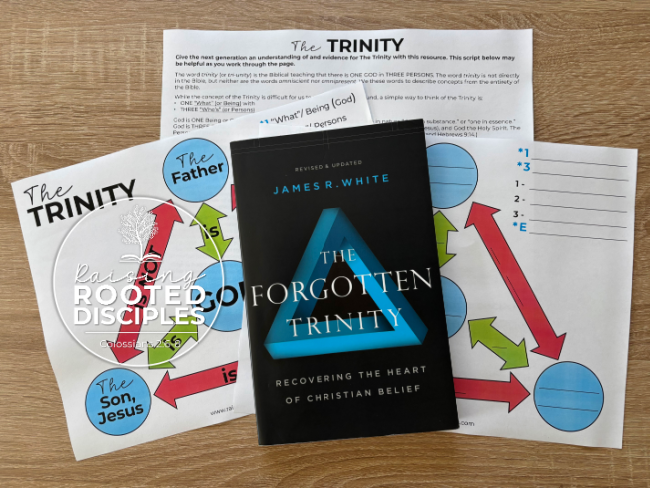
To bridge the gap between complex historical theology and everyday application, the platform offers specialized resources, such as the Trinity Diagram & Teaching Pack. Designed to give visual clarity to a notoriously difficult doctrine, these supplementary educational assets help families and study groups visualize the historic orthodox understanding of the Triune God without falling into common analogical traps (such as partialism or modalism).
Official Statements and Educational Frameworks
The mission driving the Read, Do, & Tell Podcast is deeply rooted in biblical precedent. Drawing inspiration from the biblical figure Ezra—who set his heart to study the law of the Lord, to do it, and to teach his statutes and rules—the hosts maintain an unwavering commitment to scriptural integrity.
The Definition and Danger of Heresy
During the broadcast, the hosts explicitly define the parameters of their discussion, making it clear why heresy is treated with such gravity:
"Heresy is a SERIOUS matter to the church AND to God! Heretical teaching is teaching that intentionally distorts or contradicts God or the pure gospel as revealed in Scripture. Those who teach heresies are ‘heretics.’"
This authoritative stance pushes back against the modern cultural narrative that doctrine does not matter as long as one’s intentions are pure. The podcast argues that because God has revealed His nature through His Word, misrepresenting who He is constitutes a fundamental breach of truth.
Structured Educational Support
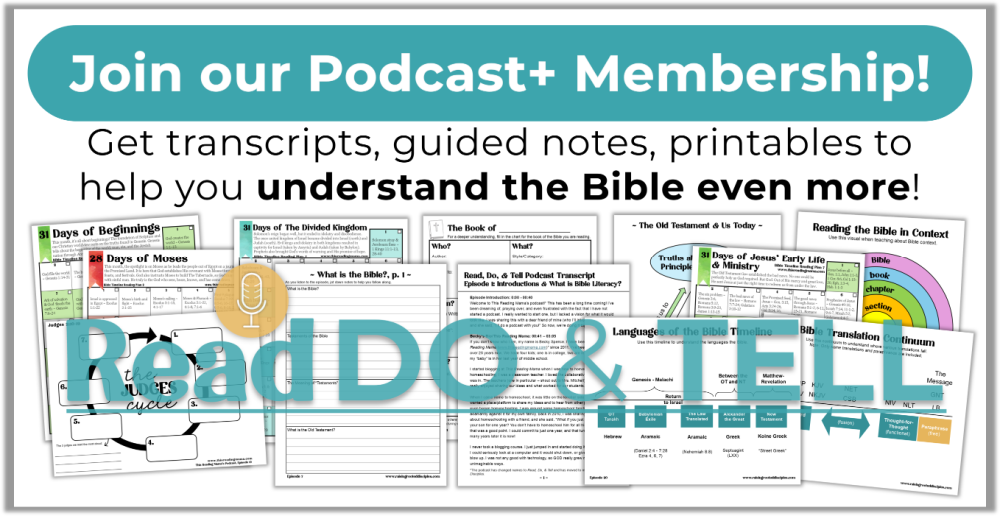
To ensure that listeners are not merely passive consumers of audio content, the ministry has established comprehensive institutional support structures. Through the Podcast+ Membership program, subscribers gain access to a suite of professional educational tools designed to reinforce the auditory lessons:
Detailed Episode Transcripts: Allowing for deep textual study and personal reference.
Guided Notes and Study Tools: Assisting small groups, homeschoolers, and individual believers in breaking down complex theological concepts.
Exclusive Bible Reading Plans: Encouraging a disciplined, daily engagement with the raw text of Scripture to build a natural immunity against false teachings.
Theological Printables: Visual aids designed to assist parents in passing down orthodox faith to the next generation.
Future Outlook: Safeguarding the Future of the Church
As the Read, Do, & Tell Podcast continues its sweeping exploration of church history and biblical doctrine, the broader implications for the Christian community are clear. The trajectory of the church depends entirely on its willingness to confront theological drift with courage, clarity, and historical awareness.
The Path Forward for Theological Education
Looking ahead, ministries focused on foundational discipleship will need to prioritize several key areas to combat the rise of modern theological illiteracy:
Reclaiming Church History: The modern aversion to history must be replaced with an appreciation for the creeds and confessions of the early church. As Amy and Becky point out, studying the ancient councils provides a ready-made defense against modern theological novelties.
Intentional Intergenerational Discipleship: Equipping children and teenagers with sound theology early in life ensures they are not easily swayed by culturally convenient distortions of God’s character later on.
Accountability and Resource Utilization: Encouraging believers to utilize robust, creed-aligned study tools—such as guided notes, theological diagrams, and structured reading plans—creates an informed laity capable of discerning truth from error in digital spaces.
Conclusion
Episode 26 of the Read, Do, & Tell Podcast, Heresies Against God, serves as both a timely warning and an encouraging call to action. By unmasking the ancient roots of modern errors and calling believers back to a rigorous, scriptural understanding of the Triune God, Amy and Becky are helping to fortify the church against the shifting winds of cultural theology. For believers seeking to anchor their faith in historic orthodoxy, engaging with these vital conversations is no longer optional—it is essential to preserving the purity of the gospel for generations to come.