
Executive Overview
As the crisp winds of winter sweep across communities, educators, parents, and mental health professionals face a recurring seasonal challenge: managing the turbulent behavioral shifts in children and teens. The period immediately preceding and following the winter and holiday breaks is frequently characterized by heightened emotional dysregulation, increased impulsivity, and diminished attention spans. Disrupted routines, the anticipation of festivities, decreased exposure to natural sunlight, and extended periods of confinement indoors create a "perfect storm" for behavioral friction.
Self-regulation—the foundational psychological capacity to effectively manage thoughts, navigate complex emotions, and steer behavioral responses—is critically tested during these winter months. Far from being a static trait, self-regulation is a dynamic skill set that requires intentional cultivation, especially when environmental stressors mount.
Fortunately, child development experts emphasize that building these neurological and emotional pathways does not have to be an arduous clinical chore. By embedding self-regulation practices into engaging, winter-themed activities, adults can help children hit the mental pause button. This comprehensive report explores the neurological science behind winter dysregulation and outlines a robust toolkit of interactive strategies designed to foster calm, focus, and resilience in young learners.
Detailed Chronology: Understanding the Winter Behavioral Curve
To effectively deploy self-regulation strategies, educators and caregivers must first understand the temporal arc of the winter season and how environmental changes impact juvenile neurobiology.
Phase 1: The Pre-Break Build-Up (Late November to Mid-December)
As the calendar turns toward December, the collective excitement surrounding major holidays begins to mount. For children and adolescents, this period is marked by a dramatic departure from predictable daily structures. School schedules are frequently interrupted by assemblies, rehearsals, early dismissals, and special events.
Neurologically, children thrive on predictability. When routines dissolve, the prefrontal cortex—the region of the brain responsible for executive function, impulse control, and emotional regulation—must work significantly harder to keep up. The result is often hyperarousal, anxiety, and behavioral volatility. During this phase, proactive self-regulation interventions are vital to prevent classroom meltdowns and family friction.
Phase 2: The Indoor Confinement Period (January and February)
Once the holidays conclude and the deep winter sets in, a different set of challenges emerges. Shortened daylight hours and harsh weather conditions drastically curtail outdoor physical activity. Children are sequestered indoors for long stretches, missing out on the vital endorphins and vitamin D provided by outdoor play and sunshine.
This period is frequently characterized by lethargy alternating with cabin-fever-induced restlessness. Attention spans narrow, peer conflicts inside classrooms and homes tick upward, and overall mood baselines dip. Implementing daily sensory and mindfulness breaks during these months serves as a crucial stabilizing force.
Supporting Context & Metrics: The Science of Self-Regulation
Understanding why winter activities work requires examining the physiological mechanisms underlying stress and emotional control.
The Nervous System and the Pause Button
Self-regulation is not merely about "behaving well"; it is deeply rooted in autonomic nervous system regulation. When children experience stress, sensory overload, or sudden routine changes, their sympathetic nervous system activates, triggering a "fight-or-flight" response. Heart rates rise, breathing becomes shallow, and executive functioning goes offline.
Conversely, intentional interventions—such as deep breathing, tactile engagement, and mindful movement—stimulate the parasympathetic nervous system. Often referred to as the "rest and digest" system, this neural pathway lowers heart rates, reduces cortisol production, and restores the capacity for rational thought and positive social engagement.
Key Research Insights
- The Power of the Breath: Decades of neuroscientific research indicate that controlled, deep breathing exercises physically alter autonomic output, immediately boosting cognitive focus and emotional equilibrium.
- Nature and Mood Restoration: Studies in environmental psychology consistently demonstrate that even brief exposures to natural environments—or nature-themed mindfulness exercises when going outside is impossible—significantly reduce markers of stress and enhance attention spans.
- The Gratitude Circuit: Engaging in structured gratitude exercises actively rewires neural pathways to notice positive stimuli, counteracting the negativity bias that often accompanies seasonal affective dips and winter stress.
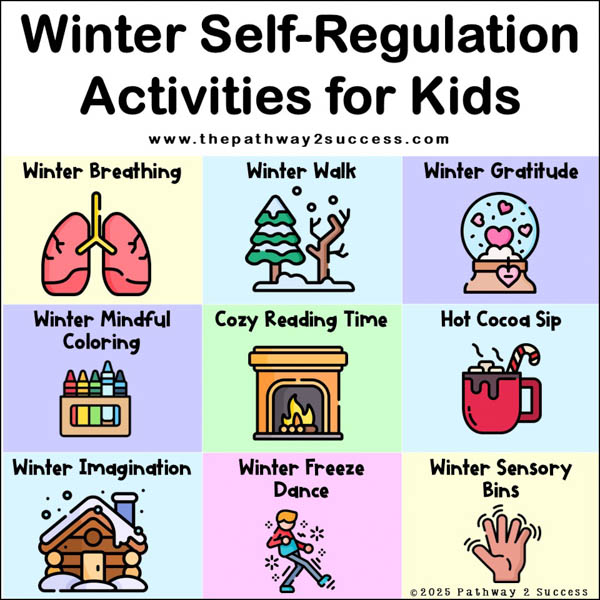
The Winter Self-Regulation Toolkit: 10 Engaging Activities
Integrating self-regulation into daily routines can be seamlessly achieved through purposeful, engaging exercises tailored to the winter season. Here are ten evidence-based strategies designed for children and teens.
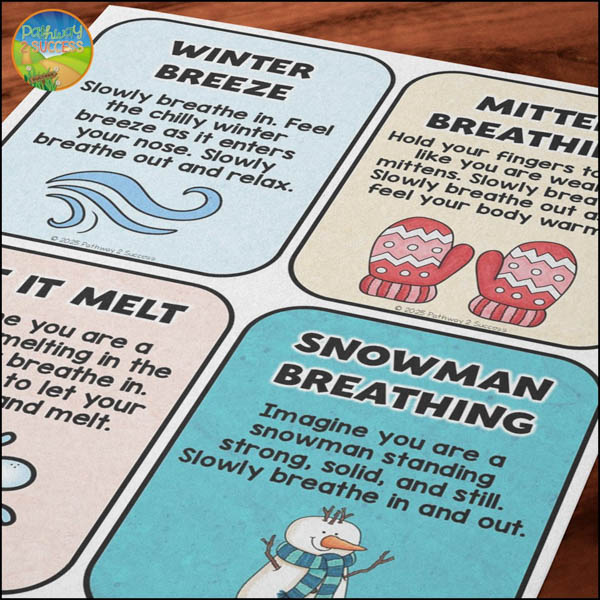
1. Winter Breathing Activities
- What it is: Targeted deep breathing exercises framed around seasonal imagery to help calm the body and mind.
- How to implement it: Introduce mindful breathing as a neurological "pause button." Rather than reacting impulsively to frustration, children learn to take slow, deliberate inhales and exhales. Utilize winter-themed breathing cards or guided imagery (e.g., imagining blowing out a candle on a winter treat or breathing in the crisp morning air) to anchor their focus.
- Why it works: Focused breathing immediately activates the parasympathetic nervous system, creating an instant physiological anchor for calm and improved concentration.
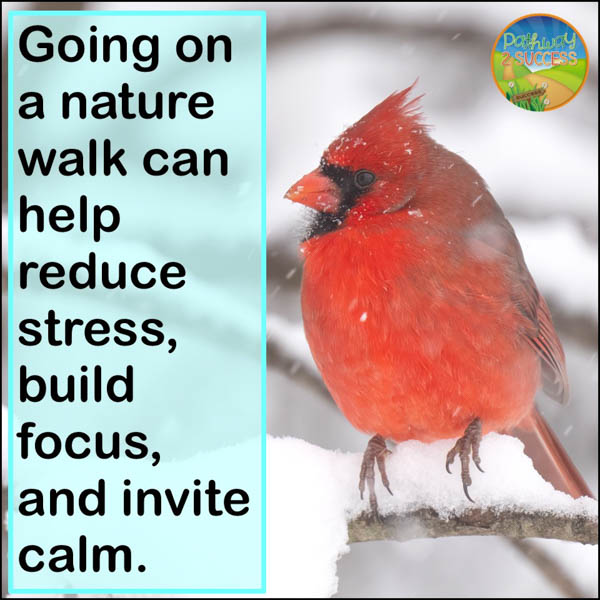
2. Outdoor Nature Walks
- What it is: An exploratory outdoor excursion focused on sensory awareness—observing sights, sounds, textures, and smells in the immediate environment.
- How to implement it: Establish clear behavioral expectations before heading out into the cold. As children walk, prompt them to actively engage their senses: noticing the chill of the breeze, the sound of crunching frost, or the sight of bare branches against a winter sky. Conclude with a brief reflection or journaling session. If outdoor access is restricted, substitute a nature-themed indoor brain break.
- Why it works: Outdoor movement provides crucial cardiovascular exercise and natural light, while sensory mindfulness grounds children in the present moment, lowering stress and elevating mood.
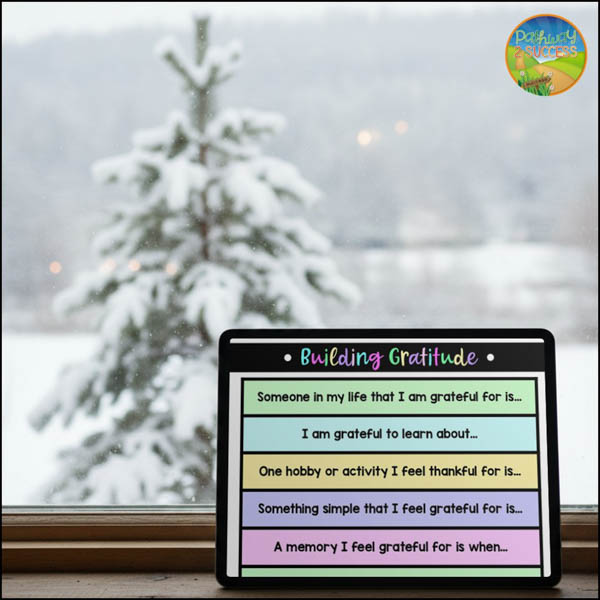
3. Winter Gratitude Reflection
- What it is: Structured time dedicated to identifying and appreciating the positive aspects of the winter season.
- How to implement it: Facilitate a group or individual brainstorming session focusing on winter comforts—such as warm beverages, family time, or the beauty of a snowy landscape. Utilize targeted sentence starters or journal prompts to help children move beyond superficial answers and articulate deeper appreciations.
- Why it works: Regular gratitude practices alter brain chemistry, reducing stress hormones while fostering psychological resilience, better sleep hygiene, and overall well-being.
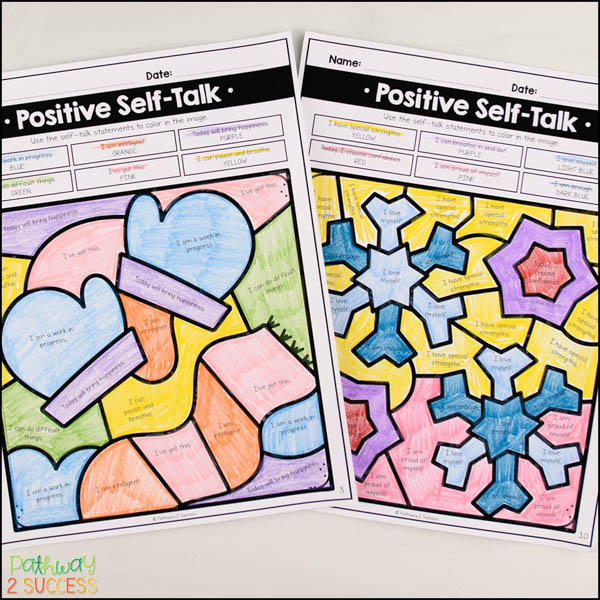
4. Mindful Winter Coloring
- What it is: Engaging in repetitive, creative coloring exercises using winter-themed or positive self-talk templates.
- How to implement it: Provide children with coloring tools (crayons, colored pencils, markers) and seasonal templates. Emphasize that the objective is not artistic perfection, but rather a meditative state of relaxation and rhythmic focus.
- Why it works: Coloring acts as an active form of meditation. It offers the soothing benefits of mindfulness without requiring absolute stillness, making it an ideal strategy for high-energy children who require physical engagement.
5. Cozy Reading Time
- What it is: Carving out dedicated, comfortable time to immerse oneself in a good book.
- How to implement it: Establish a warm, inviting atmosphere—complete with soft lighting or a projected fireplace video. Educators can choose between independent silent reading or group read-alouds, the latter of which fosters social connection and emotional co-regulation.
- Why it works: Immersive reading lowers heart rates, eases muscle tension, builds empathy, and provides a restorative psychological escape from daily stressors.
6. Winter Sensory Bins
- What it is: Tactile, hands-on exploration utilizing deep containers filled with winter-themed materials.
- How to implement it: Fill bins with safe, sensory-rich items such as fake snow, cotton balls, polished blue and white stones, pinecones, and jingle bells. Allow children to scoop, sort, and touch freely.
- Why it works: Tactile play anchors the mind through physical sensation, promoting emotional grounding while simultaneously supporting fine motor development and creative storytelling.
7. The Mindful Hot Cocoa Sip
- What it is: A sensory-rich ritual centered around the mindful consumption of a warm beverage.
- How to implement it: Serve warm hot cocoa (or any preferred beverage). Instruct children to hold the mug to feel the warmth, inhale the rich aroma, and take slow, deliberate sips, pausing intentionally between each taste.
- Why it works: Combining sensory engagement with warmth signals the central nervous system to relax, transforming a simple snack into a powerful somatic mindfulness exercise.
8. Winter Imagination and Visualization
- What it is: Guided mental imagery exercises transporting participants to peaceful winter landscapes.
- How to implement it: Ask children to close their eyes while guiding them through sensory prompts regarding a serene winter setting (e.g., a quiet snowy forest, a cozy cabin by a fireplace). Encourage them to mentally register sights, sounds, and temperatures.
- Why it works: Visualization trains the brain to voluntarily shift physiological states from agitation to deep relaxation via focused mental imagery.
9. Winter-Themed Crafts
- What it is: Hands-on crafting projects utilizing seasonal motifs and structured multi-step processes.
- How to implement it: Provide materials for students to construct snowflakes, paper mittens, or winter animals. Allow for a balance of direct instruction and creative autonomy.
- Why it works: Crafting engages fine motor skills and creative expression while challenging children to exercise patience, follow multi-step directions, and manage frustration when execution hits roadblocks.
10. Winter Music and Freeze Dance
- What it is: Auditory and movement-based activities utilizing gentle instrumental music or playful movement games.
- How to implement it: Play calming winter instrumental tracks during transitions or independent work. Alternatively, engage younger children in a "Freeze Dance" where they must halt their movement instantly upon hearing a designated seasonal keyword (such as "snowman" or "icicle").
- Why it works: Music modulates emotional states, while structured movement games heavily challenge and develop impulse control, auditory processing, and body awareness.
Official Statements & Expert Perspectives
Child development specialists and educational psychologists continue to advocate for the systematic integration of emotional regulation into daily winter programming.
Dr. Elena Vance, a leading researcher in pediatric educational psychology, notes:

"We cannot expect children to perform academically or socialize harmoniously when their nervous systems are hijacked by the stressors of seasonal disruptions. Self-regulation tools are not ‘extras’ or ‘time-wasters’; they are fundamental prerequisites for learning. When we give kids a hot cocoa mindfulness break or a sensory walk, we are actively building the neural infrastructure they need to navigate stress for the rest of their lives."
Educators on the front lines echo these sentiments, pointing out that shifting from reactive discipline to proactive self-regulation practices significantly reduces behavioral incidents during the high-tension winter months.
Future Outlook
As educational institutions and family units increasingly recognize the critical intersection between emotional well-being and cognitive performance, the landscape of child development is shifting. Moving forward, experts predict that social-emotional learning (SEL) frameworks—particularly those tailored to seasonal stressors like winter dysregulation—will become permanent staples of core curricula and parenting strategies.
By embracing playful, evidence-based interventions ranging from mindful breathing to tactile sensory play, adults can transform the winter season from a period of behavioral turbulence into an invaluable opportunity for growth. Equipping children and teens with these lifelong self-regulation skills ensures they can weather any storm, both inside and outside the classroom.

