
Executive Overview
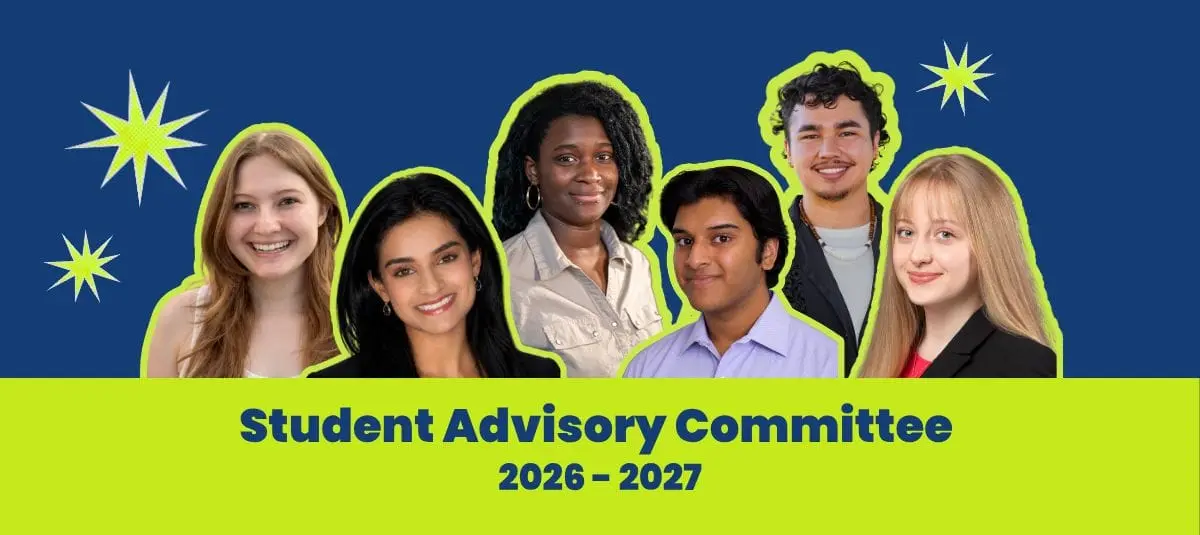
In an era defined by a growing youth mental health crisis, student-led advocacy has emerged as a vital catalyst for systemic institutional change. At the forefront of this national movement is Active Minds, a premier nonprofit organization dedicated to mental health education and advocacy for young adults. Recently, the organization announced its highly anticipated 2026–2027 Student Advisory Committee (SAC), a national cohort of dynamic Gen Z leaders representing campuses across the United States.
The SAC serves as the national voice for millions of students, advising Active Minds’ national staff on critical fronts, including student engagement, community building, comprehensive program planning, chapter management, and National Conference logistics. More than just an advisory board, the SAC functions as the vanguard of a generational shift—transforming how mental health is discussed, prioritized, and treated within higher education and public policy. This article provides an in-depth profile of the exceptional student leaders selected for the 2026–2027 cohort, explores their diverse academic and advocacy backgrounds, and examines the broader implications of their work for the future of public health.
Detailed Chronology: The Evolution of Student-Led Mental Health Advocacy
To understand the profound impact of the 2026–2027 Student Advisory Committee, it is essential to trace the historical evolution of student-driven mental health activism within higher education.
The Shift from Silence to Open Dialogue (Early 2000s – 2010s)
For decades, mental health struggles on college campuses were largely treated as private matters, often shrouded in stigma and institutional silence. The founding of Active Minds challenged this paradigm by placing students at the center of advocacy. Over the years, the organization recognized that peer-to-peer communication is the most effective tool for breaking down stigma. Chapter networks grew exponentially, establishing safe spaces on hundreds of campuses where students could speak openly about anxiety, depression, and suicide prevention.

Institutional Integration and Policy Influence (2020s – Present)
As the psychological toll of modern academic pressures, socio-economic stressors, and global events intensified among Gen Z, student advocacy evolved past campus awareness events into legislative and systemic engagement. Programs like the Active Minds Mental Health Advocacy Institute and congressional briefings bridged the gap between campus leaders and federal policymakers.
The establishment of the Student Advisory Committee marked a formal institutional mechanism for youth to co-create national programming. The 2026–2027 cohort steps into this lineage at a time when youth advocacy is no longer viewed merely as an extracurricular activity, but as an indispensable component of modern public health strategy.
Meet the 2026–2027 Student Advisory Committee Cohort
The newly appointed cohort brings together an extraordinary array of interdisciplinary scholars, researchers, and community organizers. Each member offers a unique perspective shaped by their lived experiences, regional backgrounds, and academic pursuits.
Kailani Goggans (Salem College)
Representing Salem College, Kailani Goggans (she/her) is pursuing a dual course of study in Psychological Science and Public Health. Driven by an unwavering commitment to community care and wellness, Kailani wears multiple leadership hats on her campus, serving as President of Active Minds Salem College, Students for Reproductive Freedom, and Siblings Demand Justice.

Her advocacy centers on empowering peers to find their voices and engage meaningfully with civic life. Looking ahead, Kailani aims to attend medical school to obtain an M.D. and a Master’s in Public Health. Her professional vision bridges clinical medical practice with community policy and grassroots action, ensuring that future healthcare delivery is deeply responsive to social determinants of health. Outside of her rigorous academic and advocacy schedule, Kailani enjoys indoor cycling, caring for her animals, and playing video games.
Dionisio (Dio) Taitano-Samora (Colorado State University Pueblo)
A first-generation Chicano-CHamoru student at Colorado State University Pueblo, Dionisio (Dio) Taitano-Samora (he/they) majors in Public Health with minors in Spanish and Leadership Studies. Dio leverages his lived experiences and background with prominent advocacy networks—including Young Invincibles and The Hub for Youth Centered Engagement—to fight for a more equitable and just educational system for students of color.
Dio currently serves on the Young Invincibles Youth Advisory Board for Colorado, where he actively champions policies designed to expand young adults’ access to healthcare, safeguard mental health resources, and strengthen workforce protections. Academically, he aims to conduct pioneering research examining the intersection of STEM education access and public health outcomes to drive true health equity. In his personal time, Dio enjoys hiking, experimenting with new culinary recipes, and language learning.
Rhea Makkuni (Johns Hopkins University)
A standout researcher and student leader at Johns Hopkins University, Rhea Makkuni (she/her) is studying Molecular and Cellular Biology alongside Computer Science. Rhea’s academic focus intersects directly with her passion for mental health: she conducts high-level research in the PALS Lab at the Johns Hopkins School of Medicine, applying artificial intelligence and machine learning models to the study of mood disorders.

On campus, Rhea serves as President of the Johns Hopkins Active Minds chapter. In this role, she spearheads community-based mental health initiatives that tackle complex global challenges—including fragmented care systems, institutional stigma, and navigation barriers to essential resources. When she isn’t in the lab or leading advocacy workshops, Rhea enjoys biking, singing, dancing, and engaging in spirited conversations with friends.
Amy Senkerik (Barrett, The Honors College at Arizona State University)
A powerhouse of interdisciplinary scholarship and advocacy, Amy Senkerik (she/her) is an honors student at Arizona State University majoring in Biological Science and Global Health, complemented by a certificate in Evolutionary Medicine. Amy’s dedication to suicide prevention and mental health advocacy is reflected in her extensive campus and national leadership. She works closely with the American Foundation for Suicide Prevention and collaborates with the outreach team at ASU Counseling Services.
Amy’s advocacy footprint extends far beyond her university. Last year, she participated in the Active Minds Mental Health Advocacy Institute and delivered a powerful address at the Active Minds Congressional Briefing in Washington, D.C. In addition to mental health work, she leads the Refugee Education and Clinic Team, serves as an Emergency Medical Technician (EMT), and conducts cancer-neuroscience research at renowned institutions such as the Mayo Clinic and Cedars-Sinai. Her academic journey also includes prestigious summer research fellowships at Harvard Medical School and serving as a Fulbright Scholar at the University of Toronto. Having studied global health abroad in Australia and completed the 2024 TCS New York City Marathon, Amy aspires to practice as a physician operating at the intersection of clinical care, mental health research, and health policy.
Arjun Nair (Virginia Commonwealth University)
Enrolled in the prestigious Guaranteed Medical Admissions Program at Virginia Commonwealth University, Arjun Nair (he/him) is studying Biology while serving as President of Active Minds at VCU. His campus leadership focuses on dismantling mental health stigmas, promoting sustainable self-care practices, and boosting student engagement in peer advocacy.

Professionally, Arjun is deeply committed to advancing compassionate, barrier-free care for individuals struggling with substance use disorders, alongside expanding HIV prevention initiatives within treatment environments. He lends his expertise to the Student Advisory Board of the American Academy of HIV Medicine and participates in clinical research examining behavioral health, substance use, and healthcare access. As a member of the Active Minds National Student Advisory Committee, Arjun’s core objective is to fortify bonds among campus chapters nationwide, empowering the next generation of youth to act as mental health champions in their respective communities.
Ivanna Sintes-Klein (The University of Texas at Austin)
Majoring in Health Promotion and Behavioral Science with a minor in Health Communication at The University of Texas at Austin, Ivanna Sintes-Klein (she/her) is a dedicated advocate for inclusive communities where individuals feel genuinely heard, valued, and supported.
At UT Austin, Ivanna founded and serves as President of the campus chapter of Teddy Bear Hospital USA, a national nonprofit that utilizes creative play to alleviate medical anxiety in children while fostering health literacy and empathy. She is also a Longhorn SHARE Support Specialist—completing rigorous training in peer support and mental health first aid—and was appointed by the Student Government to the Student Health Advisory Committee. Prior to transferring to UT Austin, Ivanna attended Texas State University, where she founded Bobcat C.A.R.E. (Creating Awareness, Resiliency, and Empowerment), the university’s inaugural mental health advocacy organization, earning "Organization of the Year" honors during her tenure. An avid writer of poetry and a pool enthusiast, Ivanna is intensely dedicated to making mental health resources accessible and destigmatizing the act of asking for help.
Supporting Context & Metrics: The State of Gen Z Mental Health
The launch of the 2026–2027 Student Advisory Committee arrives against a backdrop of documented challenges within youth and young adult populations. According to recent public health data:

- Rising Need: Academic stress, economic uncertainty, and social isolation continue to drive unprecedented demand for mental health support on college campuses across the nation.
- The Power of Peer Support: Studies consistently demonstrate that peer-led education models significantly lower barriers to care, encouraging students who might otherwise remain silent to seek professional help.
- Interdisciplinary Solutions: As demonstrated by SAC members like Rhea Makkuni (AI in mood disorder research) and Amy Senkerik (evolutionary medicine and clinical science), modern mental health advocacy is increasingly reliant on data-driven, holistic approaches that merge biomedical science with public policy.
Official Statements and Institutional Impact
The Active Minds Student Advisory Committee operates as an essential bridge between grassroots student experiences and national institutional strategy. By advising national staff on program promotion, conference planning, and chapter management, the SAC ensures that Active Minds’ initiatives remain agile, inclusive, and directly responsive to the evolving needs of Gen Z.
"Powered by youth and young adults, the SAC is an integral part of the mental health work being done by thousands of Gen Z activists across the country," noted leadership representatives from Active Minds. "We are continually inspired by the caliber, dedication, and visionary leadership of our student advisors."
Through strategic media engagements, student forums, and direct policy advocacy, committee members amplify marginalized voices, advocate for systemic institutional reforms, and dismantle cultural stigmas surrounding psychological well-being.
Future Outlook: Looking Ahead to 2026 and Beyond
As the 2026–2027 Student Advisory Committee officially commences its tenure, the members are poised to spearhead national campaigns, shape upcoming Active Minds National Conferences, and mentor hundreds of campus chapters. Their collective ambitions—spanning medical school, public health policy, scientific research, and clinical practice—underscore a profound truth: the future of healthcare is being shaped today by student advocates.

For institutions, faculty members, and community stakeholders, supporting these young leaders is not merely an investment in campus wellness, but a vital investment in the future of public health infrastructure.
Get Involved
If you have questions about how your campus or community can partner with your regional representative to take actionable steps for mental health, please reach out to [email protected]. Together, we can continue to build a world where mental health is valued, protected, and prioritized just as openly as physical health.

