

Executive Overview
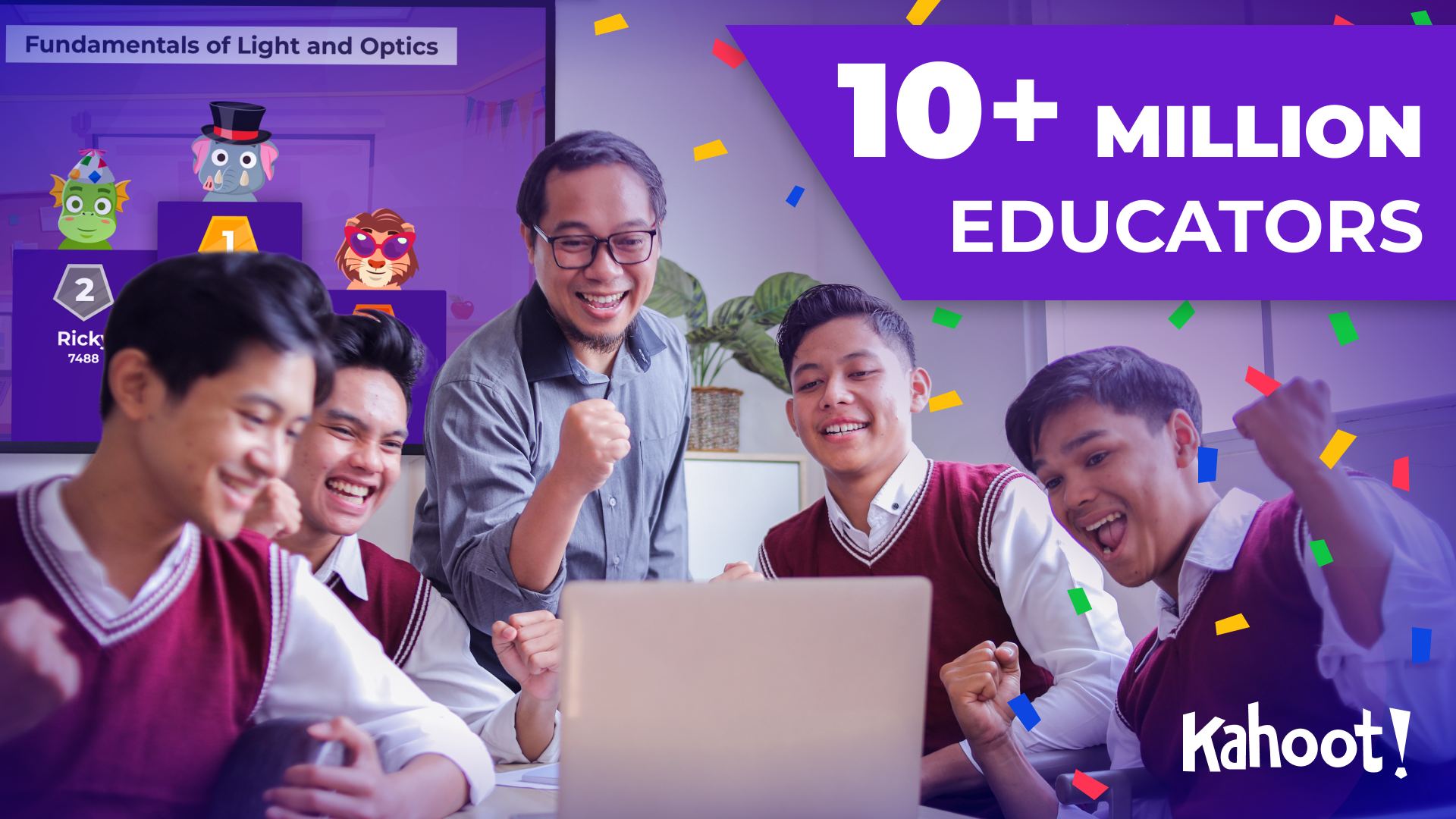
In an era defined by rapid technological transformation and the relentless pursuit of student engagement, digital learning tools have shifted from optional novelties to critical pillars of modern pedagogy. Recently, Kahoot!—the world-leading game-based learning platform—reached a monumental global milestone: 10 million educators spanning kindergarten classrooms, primary and secondary schools, and higher education institutions worldwide.
This historic milestone is far more than a numerical achievement; it represents a seismic shift in how educators approach classroom dynamics. By seamlessly blending gaming mechanics with academic rigor, these 10 million teachers, professors, and educational administrators have transformed traditional, lecture-heavy classrooms into dynamic hubs of interactive exploration. From introducing complex university-level concepts to reinforcing foundational spelling in elementary schools, Kahoot! has become an indispensable ally for educators committed to boosting student participation, reducing academic anxiety, and elevating overall learning outcomes.
This in-depth feature explores the journey behind this milestone, the pedagogical philosophy of game-based learning, firsthand accounts from educators on the front lines of teaching, and the future trajectory of digital engagement in global classrooms.
Detailed Chronology: The Evolution of Interactive Classrooms
To understand the significance of reaching 10 million educators, one must examine the evolution of the modern classroom over the past decade. Traditional education has long grappled with a persistent challenge: passive learning. Historically, instruction relied heavily on one-way communication—educators lecturing while students absorbed information, occasionally raising hands or taking notes. While foundational, this model frequently struggled to sustain attention spans, particularly in an era dominated by digital distractions.
The Shift Toward Gamified Pedagogy
The concept of "gamification"—applying game-design elements and principles in non-gaming contexts—began gaining serious traction in educational research during the early 2010s. Researchers and cognitive scientists repeatedly demonstrated that play stimulates dopamine production, enhances memory retention, and fosters a safe environment for risk-taking and error-driven learning.
When interactive response platforms like Kahoot! entered the educational ecosystem, they provided a turnkey solution to long-standing pedagogical hurdles. Instead of fearing failure through public embarrassment, students could participate anonymously or via friendly competition, viewing incorrect answers not as a punitive failure, but as an immediate learning opportunity.
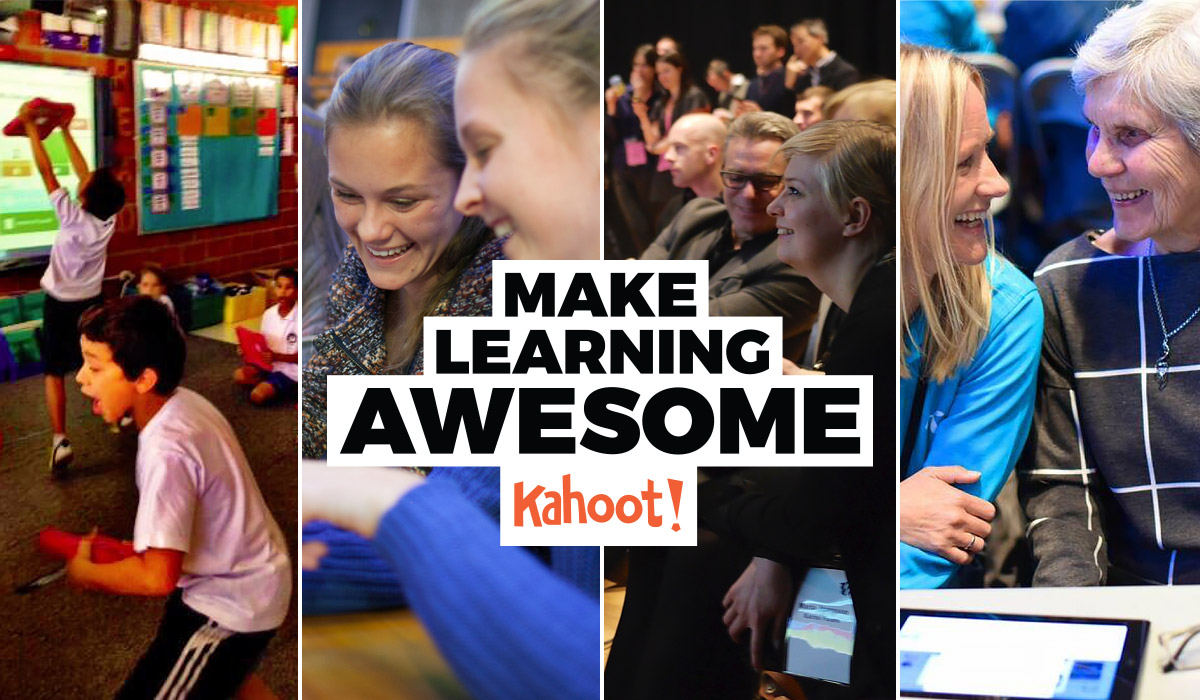
Over the years, the platform evolved from a simple quiz generator into a comprehensive learning suite. Features such as real-time feedback loops, collaborative team modes, anonymous polling, and integrated formative assessment reports empowered educators to continuously track student comprehension. This chronological evolution transformed the tool from an occasional end-of-week reward into an everyday instructional compass.
Supporting Context & Metrics: The Science of Sustained Engagement
Maintaining student engagement throughout a grueling academic year is one of the most formidable challenges educators face. Whether battling the lethargy of mid-winter gray months, managing the high-stakes pressure of midterm examinations, or maintaining focus right before summer recess, teachers need resilient tools to keep momentum alive.
Overcoming the Academic Slump
Educational psychologists note that student motivation naturally fluctuates throughout the academic calendar. The beginning of the year brings high energy and novelty; however, as weeks progress into repetitive routines, cognitive fatigue sets in.
Data from global classroom adoption studies consistently show that interactive learning interventions significantly mitigate the mid-year slump. Key metrics associated with high-frequency platform adoption include:
- Immediate Formative Assessments: Educators can instantly gauge whether a cohort has grasped a newly introduced concept, allowing them to adjust lesson plans on the fly rather than discovering learning gaps weeks later during high-stakes testing.
- Reduction of Test Anxiety: By framing quizzes and reviews as interactive games, students report lower cortisol levels and reduced performance anxiety compared to traditional pop quizzes.
- Equitable Participation: In traditional classroom settings, a vocal minority of students often dominates discussions. Digital polling and gamified responses ensure that every student—including introverted or language-hesitant learners—has an equal voice.
Official Statements and Voices from the Front Lines
The true measure of any educational technology lies not in its corporate milestones, but in the daily experiences of the educators who wield it. Across the globe, teachers and university professors have shared how interactive learning has transformed their instructional methodologies.
Perspectives from K-12 Education
Pam Ganley, an experienced elementary and middle school educator in Arizona, USA, highlights the versatility of digital gamification across diverse age groups:
"I truly enjoy using Kahoot! because this platform helps me create engaging and interactive content, elevating both the quality of my lessons and my students’ learning experiences. I use Kahoot! to teach new concepts, review past lessons, reinforce knowledge, and check students’ level of understanding."
Ganley’s testimony underscores the adaptability of game-based learning. Rather than serving a single narrow function, the platform acts as a multifaceted instructional Swiss Army knife—useful during introductory phases, mid-unit reviews, and summative assessments alike.
Transforming Higher Education
The impact of interactive learning extends far beyond primary and secondary schools. In higher education, where lecture halls often house hundreds of students, maintaining active engagement is an extraordinary challenge.
Kurt Naicker, a senior lecturer at the University of Johannesburg, speaks directly to this dynamic:
"Kahoot! has completely transformed how I transmit knowledge in higher education. Anonymous polling and real-time feedback have played a crucial role, allowing me—as a lecturer—to continuously stay in tune with where students are on their learning journey."
By bridging the gap between large lecture formats and personalized feedback, university professors can identify struggling cohorts long before final examinations, fundamentally shifting higher education from a filtering mechanism to a supportive developmental journey.
The Global Community: A Tapestry of Dedicated Educators
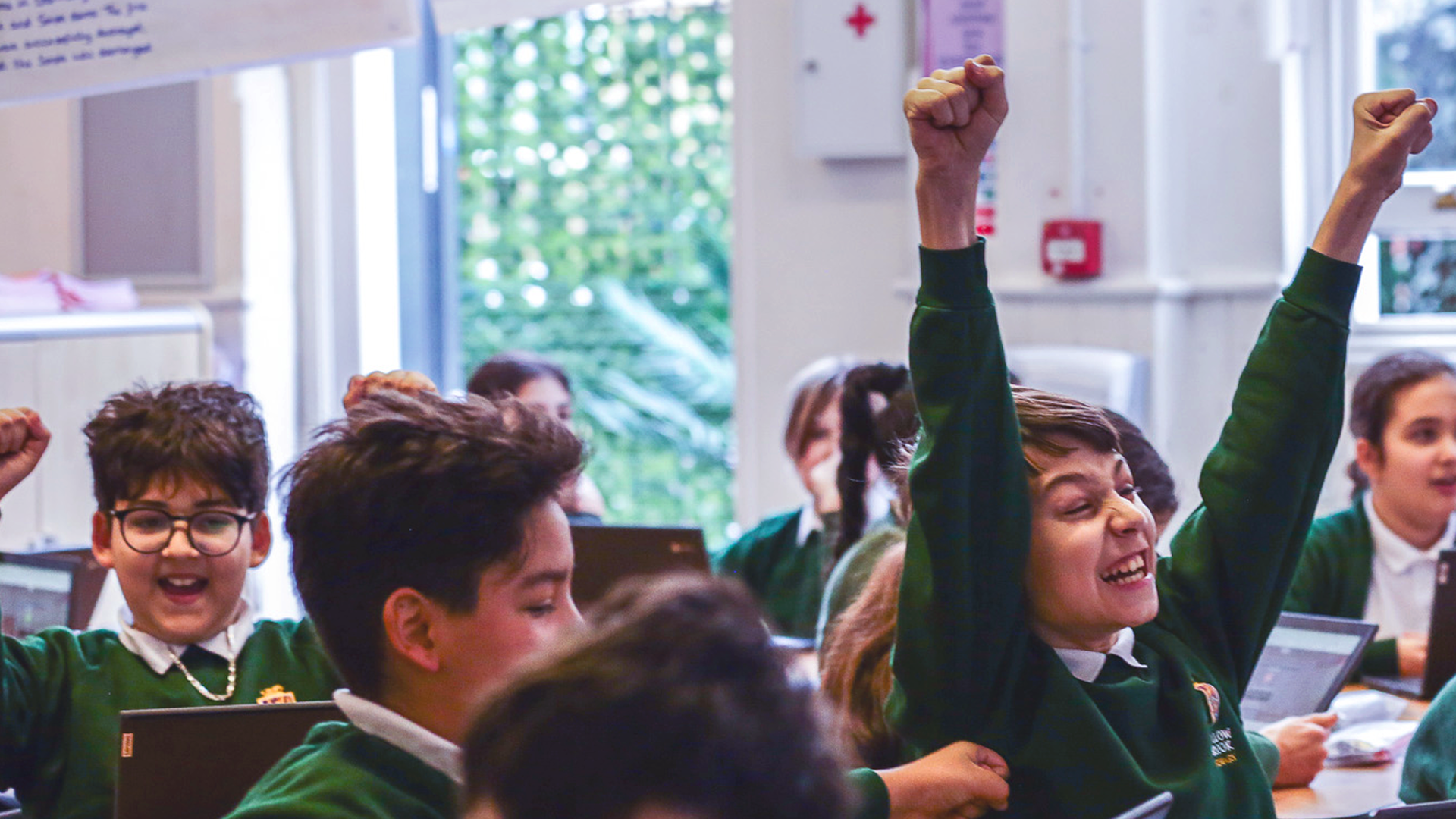
Reaching the milestone of 10 million educators is a testament to a vibrant, borderless community of teaching professionals who continuously reinvent their craft. These educators represent diverse cultures, socioeconomic backgrounds, and academic disciplines—ranging from STEM fields and literature to arts and vocational training.
What unites this global community is a shared philosophy: that education should be immersive, challenging, and undeniably fun. Educators are not merely transmitters of static data; they are experience designers crafting environments where curiosity thrives.
The collaborative nature of this community has also accelerated pedagogical innovation. Teachers frequently share millions of user-generated public games, creating an open-source library of cross-curricular resources that saves educators countless hours of preparation time while injecting fresh perspectives into classrooms worldwide.
Future Outlook: The Next Frontier of Educational Technology
As we look toward the future of education, the role of interactive technology is poised to expand even further. With advancements in artificial intelligence, adaptive learning pathways, and immersive digital environments, the horizon of game-based learning holds limitless potential.
What Lies Ahead for Classrooms?
- Hyper-Personalization: Future iterations of interactive learning tools will increasingly leverage AI to adapt difficulty levels dynamically based on individual student performance in real time, ensuring every learner remains in their optimal "zone of proximal development."
- Blended and Hybrid Learning Integration: As educational institutions continue to refine hybrid and remote learning models, digital platforms will serve as the crucial connective tissue bridging physical classrooms and asynchronous home study.
- Enhanced Analytical Insights: Educators will benefit from deeper, predictive learning analytics that highlight not only immediate comprehension gaps but also long-term retention trends, empowering proactive academic interventions.
Conclusion: A Heartfelt Thank You to Educators
The milestone of 10 million educators is not an endpoint; it is a powerful catalyst for the future. To every single teacher, professor, and educational administrator who turns a standard lesson into an unforgettable adventure: thank you. Your boundless creativity, unwavering patience, and daily commitment are actively shaping the minds of tomorrow.
As the academic year progresses toward its chapters, educators everywhere are invited to continue turning routine study sessions into extraordinary experiences. For those yet to join this global movement, registering and exploring interactive learning platforms offers an immediate gateway to transforming classrooms into spaces of joyful, lifelong discovery.

