
Executive Overview
As the crisp winds of winter sweep across communities, parents, educators, and mental health professionals alike observe a distinct shift in the behavioral landscapes of children and young adults. The transition into and out of the winter holiday season brings a unique confluence of challenges: disrupted daily routines, plummeting temperatures that force hours of confinement indoors, and the subtle yet profound socio-emotional stressors associated with holiday expectations. At the epicenter of these challenges lies a critical developmental competency: self-regulation.
Self-regulation—the intricate cognitive and emotional capacity to manage thoughts, govern feelings, and control behavioral impulses—is essential for academic success, healthy peer relationships, and holistic well-being. While vital year-round, the demand for effective self-regulation strategies becomes acute during the winter months. When routines fracture and environmental stressors mount, children often experience dysregulation, manifesting as hyperactivity, emotional volatility, or withdrawal.
Fortunately, educators and psychologists emphasize that cultivating these executive functioning skills does not require rigid, clinical environments. In fact, some of the most profound neurological developments occur through playful, engaging, and seasonally themed interventions. By integrating sensory exploration, mindfulness, and creative expression into daily winter routines, adults can provide children with the vital "pause button" they need to navigate the season with resilience, focus, and calm.
Detailed Chronology: The Winter Behavioral Cycle
To understand why winter precipitates a spike in behavioral challenges, it is crucial to examine the seasonal timeline and how children progress through structural shifts in their environment.
Phase 1: The Pre-Break Anticipation (Late November to Mid-December)
As winter approaches, schools and households undergo a seismic shift. The approach of extended holiday breaks introduces high-energy events, altered schedules, and sensory-overloading social gatherings. During this period, children’s internal barometers register the collective anxiety and excitement of adults. Executive functioning pathways—responsible for planning, impulse control, and emotional flexibility—become overwhelmed. Educators frequently report an escalation in impulsive behaviors and difficulty with sustained attention during these weeks, as children anticipate radical changes in their daily environments.
Phase 2: The Indoor Confinement and Deep Winter Freeze (January and February)
Following the holiday break, children re-enter structured environments amid the darkest and coldest months of the year. The loss of extended natural sunlight and outdoor physical play significantly impacts circadian rhythms and neurotransmitter production, particularly serotonin and dopamine. Confined to indoor spaces for extended durations, children lose vital outlets for gross motor energy. This physical stagnation often manifests as lethargy mixed with restlessness—a classic indicator of nervous system dysregulation.
Phase 3: The Post-Break Readjustment and Re-Establishment (Late February to Early March)
As winter begins its slow retreat, the focus shifts toward re-anching emotional stability and rebuilding classroom or household norms. Implementing intentional, engaging self-regulation activities during this prolonged stretch acts as a psychological buffer, ensuring that children do not merely survive the winter months, but build durable emotional toolkits for the remainder of the academic year.
Supporting Context & Metrics: The Science of Winter Stress and Self-Regulation
The necessity of winter-specific self-regulation interventions is underscored by a growing body of developmental psychology, neuroscience, and educational research. Understanding the mechanics of emotional regulation reveals why specific strategies yield profound physiological results.
The Neurological Impact of Mindful Breathing
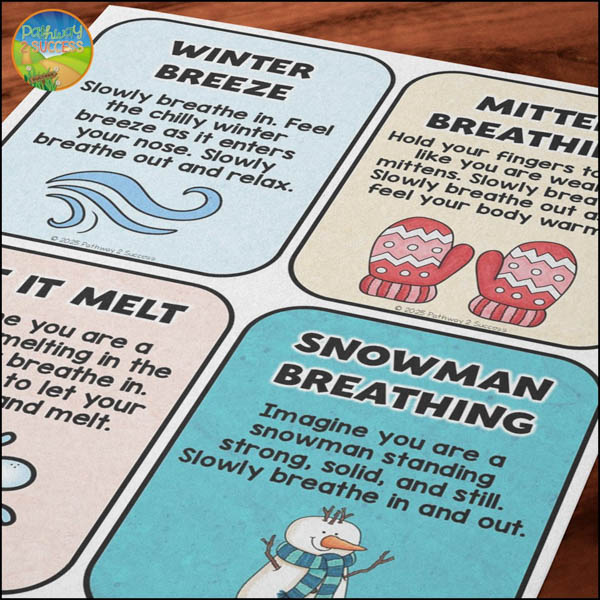
At the foundational level of self-regulation are intentional breathing practices. When children engage in deep, controlled breathing exercises—such as tracing a winter-themed visual pattern while inhaling and exhaling—they directly stimulate the parasympathetic nervous system. This biological mechanism acts as the body’s natural brake, lowering heart rates, reducing cortisol production, and signaling the brain that it is safe to exit a state of hyper-arousal (fight-or-flight). Research indicates that regular mindfulness practices improve prefrontal cortex connectivity, directly enhancing attention span, impulse control, and emotional resilience in youth.
The Healing Power of the Outdoors (Even in Winter)
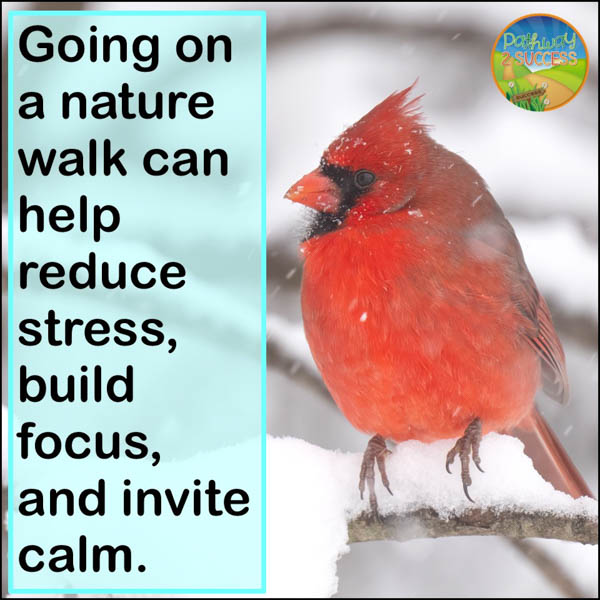
A common misconception is that cold weather precludes outdoor engagement. However, pediatric health data strongly supports the inclusion of outdoor exposure regardless of the season. Brief nature walks or outdoor sensory observations expose children to natural light, which is crucial for regulating melatonin production and stabilizing mood. Furthermore, environmental psychology demonstrates that interacting with nature—even a snow-dusted park—reduces mental fatigue, lowers blood pressure, and restores directed-attention capacities.
Cognitive Rewiring Through Gratitude and Mindfulness
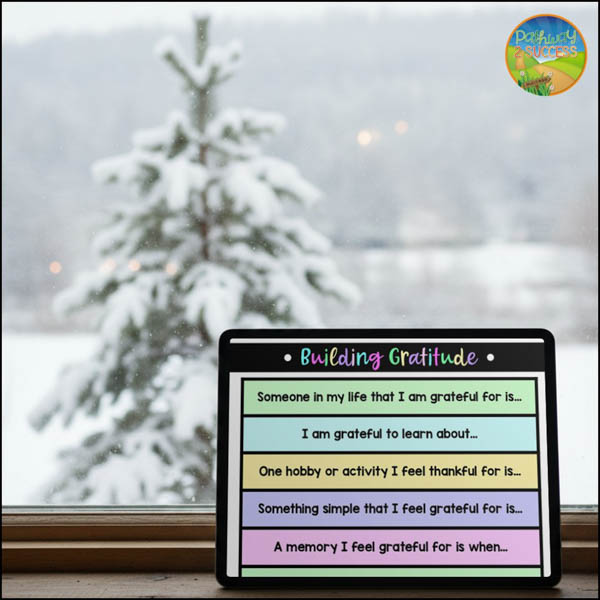
Practicing gratitude during the reflective winter season is far more than a polite social custom; it is a powerful cognitive exercise. Neuroscientific studies reveal that expressing appreciation activates the brain’s reward center, increasing the production of dopamine and serotonin. Over time, consistent gratitude journaling or verbal sharing rewires neural pathways to lean away from negativity bias, bolstering long-term psychological resilience and improving sleep quality.
A Comprehensive Toolkit: 10 Engaging Winter Activities for Self-Regulation
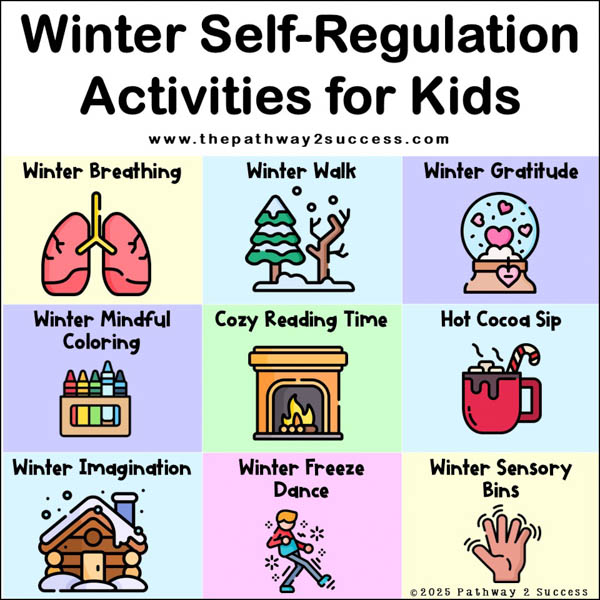
To bridge the gap between abstract psychological theory and practical daily application, educators and parents can utilize the following ten research-backed, winter-themed activities designed to foster self-regulation in children and teens.
+-------------------------------------------------------------------------+
|                  WINTER SELF-REGULATION INTERVENTION MATRIX             |
+--------------------------+----------------------------------------------+
| Category                 | Core Developmental Benefit                   |
+--------------------------+----------------------------------------------+
| 1. Winter Breathing      | Stimulates parasympathetic nervous system    |
| 2. Outdoor Nature Walks  | Reduces stress & restores attention capacity |
| 3. Winter Gratitude      | Rewires neural pathways to focus on positive |
| 4. Mindful Coloring      | Eases anxiety through creative focus         |
| 5. Cozy Reading Time     | Lowers heart rate and builds empathy         |
| 6. Winter Sensory Bins   | Promotes tactile grounding and calm          |
| 7. Hot Cocoa Sip         | Engages mindfulness via sensory awareness    |
| 8. Winter Imagination    | Trains visualization for emotional shifting  |
| 9. Winter Crafts         | Builds fine motor skills and frustration     |
|                          | tolerance                                    |
| 10. Freeze Dance         | Strengthens impulse control and listening    |
+--------------------------+----------------------------------------------+
1. Winter Breathing Exercises
- What it is: Deep, structured breathing techniques paired with winter visual cues.
- Implementation: Explain to children that mindful breathing acts as a biological "pause button." Instead of reacting impulsively to frustration, children take slow, deep inhalations and exhalations. Using winter-themed breathing cards or tracing imaginary snowflakes in the air provides a tangible focal point.
- Why it works: Activates the parasympathetic nervous system, inducing immediate physiological calm and preparing the mind for focused learning or resting.
2. Outdoor Nature Walks
- What it is: Guided sensory explorations of the winter environment, focusing on sights, sounds, and tactile sensations.
- Implementation: Establish clear boundaries and expectations before heading outside into the crisp air. Encourage children to observe details—such as the texture of bark, the chill of the breeze, or the silhouette of bare branches against the sky. Follow up with a reflective discussion or journal entry.
- Why it works: Combines physical movement with nature immersion, proven to lower stress, elevate mood, and sharpen cognitive focus.
3. Winter Gratitude Reflections
- What it is: Intentional discussions and writing exercises centered on appreciation during the colder months.
- Implementation: Create a collaborative list of winter-specific blessings, ranging from warm indoor environments and family traditions to the beauty of a snowy landscape. Utilize sentence starters to help children articulate deeper, more nuanced feelings of thankfulness.
- Why it works: Rewires the brain’s negativity bias, fostering an optimistic outlook, building resilience, and enhancing emotional well-being.
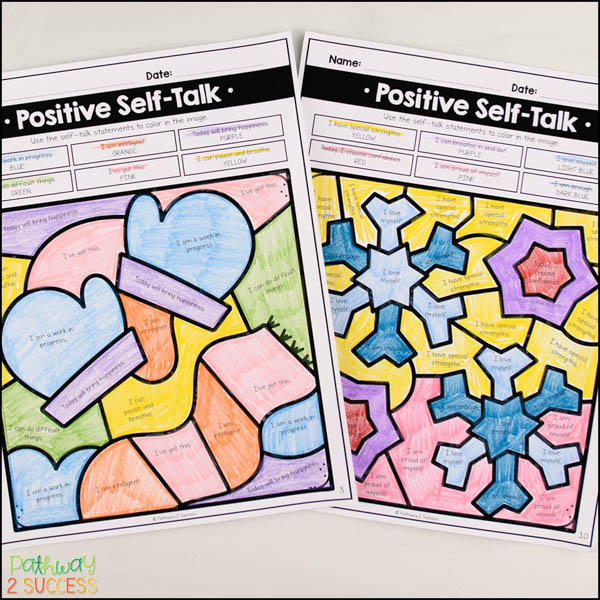
4. Mindful Winter Coloring
- What it is: Engaging in deliberate, focused coloring of winter-themed or positive self-talk imagery.
- Implementation: Provide coloring supplies alongside intricate winter designs. Instruct children that the objective is not artistic perfection, but rather the process of slowing down, matching breath to movement, and finding tranquility.
- Why it works: Serves as an evidence-based anxiety reducer. Unlike static meditation, coloring allows for subtle physical movement, making it ideal for children who require kinetic engagement.
5. Cozy Reading Time
- What it is: Immersive, comfortable reading sessions designed to promote deep stillness and emotional connection.
- Implementation: Create an inviting atmosphere—perhaps projecting a crackling fireplace video on a screen—and allow children to engage in independent reading or participate in a group read-aloud.
- Why it works: Lowers physiological stress markers, eases muscle tension, and builds empathy while offering a cognitive sanctuary from daily pressures.
6. Winter Sensory Bins
- What it is: Tactile exploration boxes filled with winter-associated materials.
- Implementation: Fill large containers with safe, thematic items such as artificial snow, pinecones, smooth river rocks, cotton balls, or cinnamon sticks. Allow children to run their hands through the materials freely.
- Why it works: Leverages tactile play to ground the central nervous system, promoting calm while simultaneously developing fine motor skills and curiosity.
7. The Mindful Hot Cocoa Sip
- What it is: A sensory-driven exercise focused on the slow, deliberate consumption of a warm beverage.
- Implementation: Serve warm cups of hot cocoa (or any comforting drink). Guide children to hold the mug to feel its warmth, inhale the rich aroma, and take tiny, slow sips while paying complete attention to the taste and physical sensations.
- Why it works: Turns a simple treat into an active mindfulness exercise. Warm liquids signal the central nervous system to relax muscles and down-regulate physical stress responses.
8. Winter Imagination and Visualization
- What it is: Guided mental imagery exercises transporting children to serene winter wonderlands.
- Implementation: Ask children to close their eyes and walk them through a peaceful winter scenario, prompting them to visualize what they see, hear, and feel in a quiet snowy forest or a cozy cabin.
- Why it works: Trains the brain to use visualization as a tool for emotional self-correction, enabling quick shifts from agitation to inner peace.
9. Winter Crafts and Hands-On Projects
- What it is: Creative construction projects utilizing seasonal motifs and tactile art supplies.
- Implementation: Provide materials for snowflake cutting, nature collages, or structural builds. Offer a balance of direct instruction and open-ended creative freedom.
- Why it works: Engages fine motor control and problem-solving pathways. Managing the micro-frustrations inherent in crafting builds vital frustration tolerance and emotional endurance.
10. Winter Freeze Dance and Movement Games
- What it is: A high-energy game requiring physical movement punctuated by sudden stillness.
- Implementation: Play upbeat music while children dance freely. Instruct them to instantly freeze in place whenever they hear a designated winter cue word (e.g., "blizzard," "icicle," or "snowman").
- Why it works: Directly exercises impulse control by forcing the nervous system to rapidly transition from active motion to complete physical stillness.
Official Statements and Expert Perspectives
Educational psychologists and school counselors widely advocate for the institutional integration of self-regulation strategies, particularly during high-stress seasonal transitions.
Dr. Elena Vance, a prominent child psychologist specializing in executive functioning, notes:

"We cannot expect children to perform academically or socialize harmoniously when their nervous systems are in a state of high alert. Winter brings compounding stressors—lack of sunlight, confinement, and shifting routines. When adults proactively introduce playful, somatic tools like mindful breathing, sensory play, or structured movement, we are actively constructing the neural architecture children need to self-soothe and thrive."
Furthermore, educational administrators emphasize the preventative nature of these activities. Rather than reacting solely to behavioral outbursts after they occur, embedding brief, five-minute self-regulation breaks into daily schedules significantly reduces disciplinary incidents and creates a more harmonious learning and living environment for all participants.
Future Outlook: Building Year-Round Emotional Resilience
As educational and parenting paradigms continue to evolve, the understanding of emotional intelligence and self-regulation has transitioned from an optional extracurricular concept to a fundamental pillar of child development. The challenges presented by the winter season serve as a valuable stress-test for children’s emotional toolkits.
Looking forward, the systematic adoption of these ten engaging winter activities points toward a promising educational horizon. By treating self-regulation not as an innate trait that children either possess or lack, but as a malleable skill that can be systematically practiced, nurtured, and strengthened, communities can empower the next generation. Armed with deep breathing techniques, mindful awareness, and healthy coping mechanisms, children are uniquely equipped not only to weather the coldest months of the year, but to step forward into every season with unyielding confidence, grace, and inner calm.

