
Executive Overview
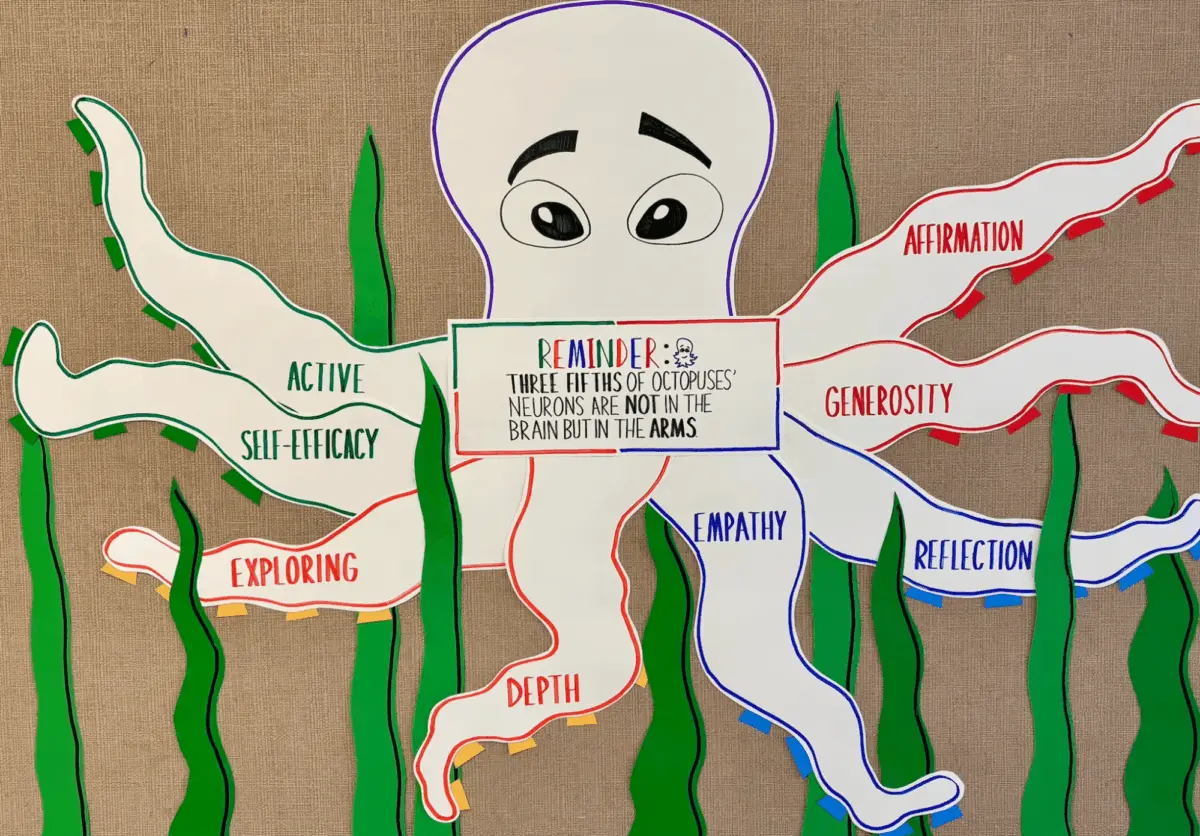
In an educational landscape increasingly dominated by standardized testing metrics, digital distractions, and institutional pressures, the human element of the classroom can easily be overshadowed. Yet, inside Marcus Luther’s high school English classes, a profound cultural shift takes place every academic year—one driven not by punitive discipline or academic mandates, but by anonymous peer recognition. Centered around a sprawling, unconventional visual art piece dubbed “the octopus,” Luther’s classroom utilizes a structured peer-affirmation system designed to combat adolescent alienation, foster genuine community, and validate student strengths that traditional grade books routinely overlook.
This professional pedagogical framework, refined over a decade of high school teaching, addresses a critical gap in secondary education: the intentional creation of spaces where prosocial behaviors, empathy, and intellectual curiosity are publicly named and celebrated. Far from being a mere decorative novelty, the system relies on a rigorous three-tier methodology involving carefully curated core values, anonymous digital nominations, and weekly celebratory classroom rituals. As educators worldwide grapple with post-pandemic student engagement challenges and declining social-emotional metrics, Luther’s model offers a replicable, highly adaptable blueprint for transforming passive school environments into vibrant ecosystems of mutual respect and belonging.
Detailed Chronology: The Evolution of "The Wall"
The genesis of Luther’s peer-affirmation system did not arrive fully formed; rather, it evolved through years of iterative classroom experimentation, heavily influenced by legendary athletic coaching philosophies and elementary-level community-building practices.

The Early Inspirations
More than ten years ago, Luther observed a profound shift in classroom culture while visiting his wife’s fifth-grade classroom. Witnessing young children intentionally writing brief, positive notes to one another sparked a fundamental question: If pre-teens could benefit so deeply from structured peer acknowledgment, why was this practice largely abandoned by the time students reached the competitive, often isolating environment of high school?
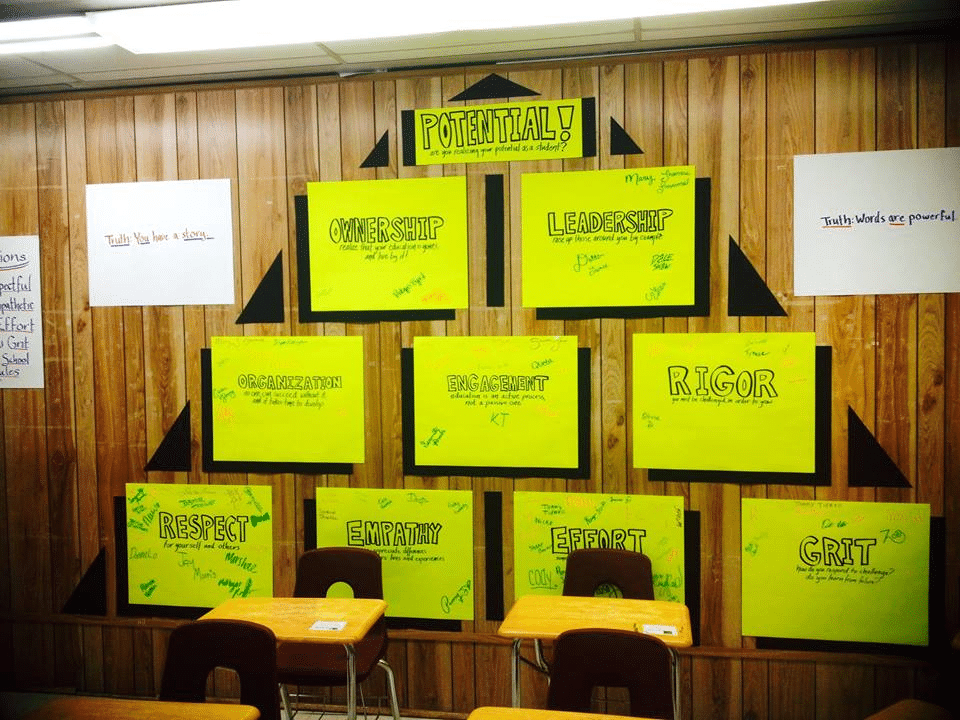
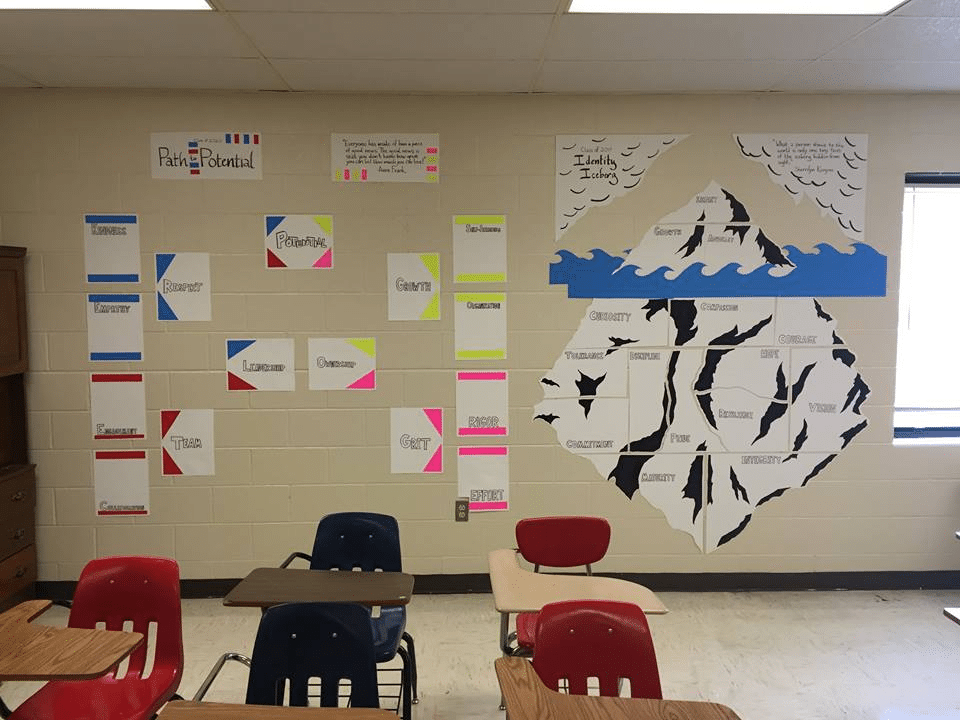
Inspired by this observation and his longtime admiration of legendary basketball coach John Wooden’s "Pyramid of Success," Luther constructed his first iteration of a classroom affirmation space. In his earliest classrooms, this took the shape of a pyramid on the wall, listing foundational traits that students were encouraged to embody. Over successive school years, the design underwent multiple structural and artistic transformations, shifting shapes to accommodate different room layouts and pedagogical emphases before finally settling on its current incarnation: the octopus.
The Lifecycle of the Octopus
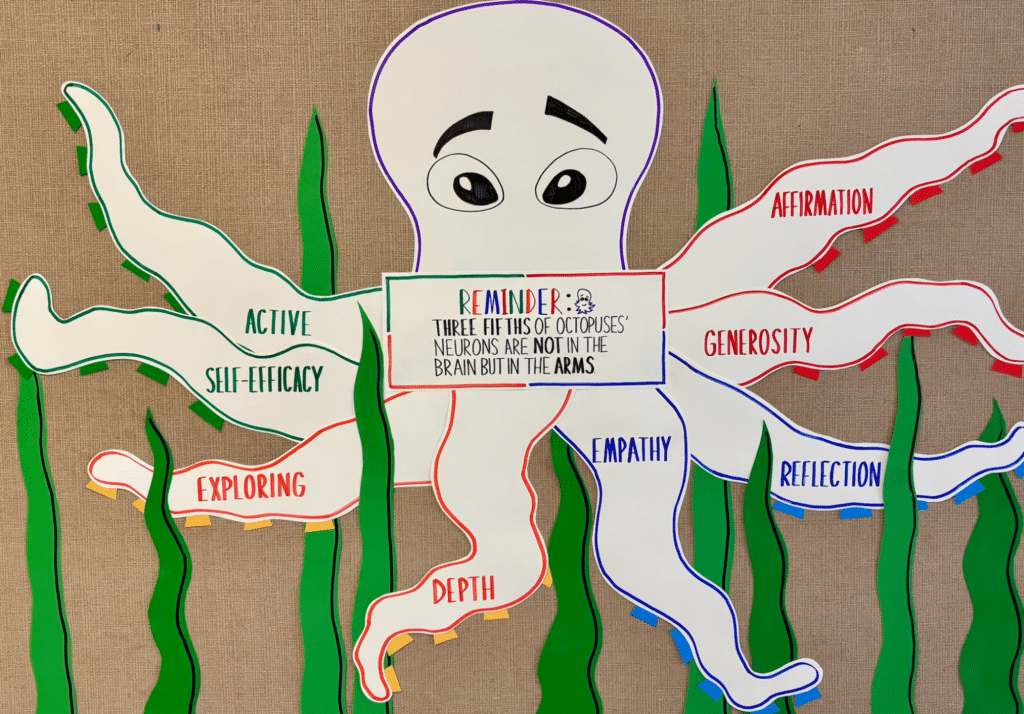
At the start of every academic year, the wall features a massive, completely blank octopus poster. Each of its eight tentacles represents a distinct core classroom value. As the weeks progress, these blank appendages slowly fill with student signatures.
The mechanism is deceptively simple yet psychologically powerful. Students do not sign their own names to boast; rather, they anonymously nominate their peers for living out specific classroom values. When a nomination is processed, the student earns the right to sign their name directly onto the corresponding tentacle of the octopus. By the end of the semester, what begins as a stark white poster transforms into a dense, colorful artifact of collective community affirmation.
Supporting Context & Metrics: Mechanics of the Affirmation System
Implementing a transformative classroom ritual requires more than just hanging posters; it demands a reliable, scalable system that can manage upwards of 150 to 180 students across multiple class periods. Luther’s framework operates on three foundational pillars: preparation, anonymous digital nomination, and communal celebration.
1. Preparing the Values Framework
Before students ever step foot in the classroom, the educator must determine which core values will anchor the community. While some educators advocate for co-creating classroom norms during the chaotic first week of school, Luther utilizes a pragmatic approach shaped by managing six separate high school sections.
Instead of starting from scratch every August, Luther concludes each school year by surveying his students. He asks them to reflect on which classroom values resonated most deeply and to suggest modifications for the upcoming year. This feedback is then "paid forward" to the incoming cohort.
Crucially, educators must decide on the optimal number of featured values:
- Fewer Values: Offer greater conceptual clarity and are easier for younger students to internalize fully.
- More Values (e.g., Eight): Provide a wider behavioral range ("look-fors") for noticing positive contributions and prevent students from exhausting the nomination slots too early in the term.
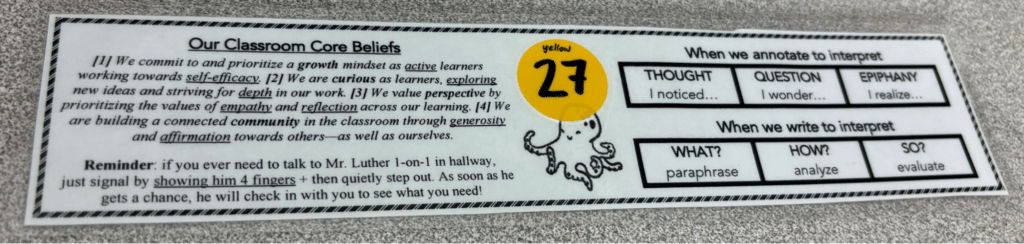
To keep these values front-of-mind, Luther embeds them into the physical environment, including custom decals on student desks that display the core beliefs of the classroom community.
2. The Anonymous Nomination Process
Introducing the nomination process requires careful timing. Luther typically waits two to three weeks into the school year—after foundational community-building activities are established—before launching the first round of nominations. This creates a sense of delightful anticipation regarding the blank octopus wall.
When introducing the system, the instructor establishes critical norms:
- Nominations must be grounded in specific, observable behaviors rather than superficial traits.
- The process relies strictly on anonymous peer review, ensuring that students feel safe offering honest praise without fear of social awkwardness.
- Submissions are streamlined through digital tools, specifically Google Forms, allowing students to seamlessly integrate nominations into existing routines like exit tickets or quiz reflections.
3. The Friday Ritual: "Signing the Wall"
The climax of the system occurs weekly, typically on Fridays. Luther utilizes a color-coded pen system for each class period (e.g., blue for first period, green for second period) to maintain a distinct archival record.
During this ritual, the instructor opens the master tracking spreadsheet, selects a nomination, and reads the anonymous justification aloud without initially revealing the recipient’s name:
"Every time I see them get called on or we go over answers they always have an answer and go into great detail explaining their answer…"
After a theatrical pause, the instructor announces the recipient and the associated value:
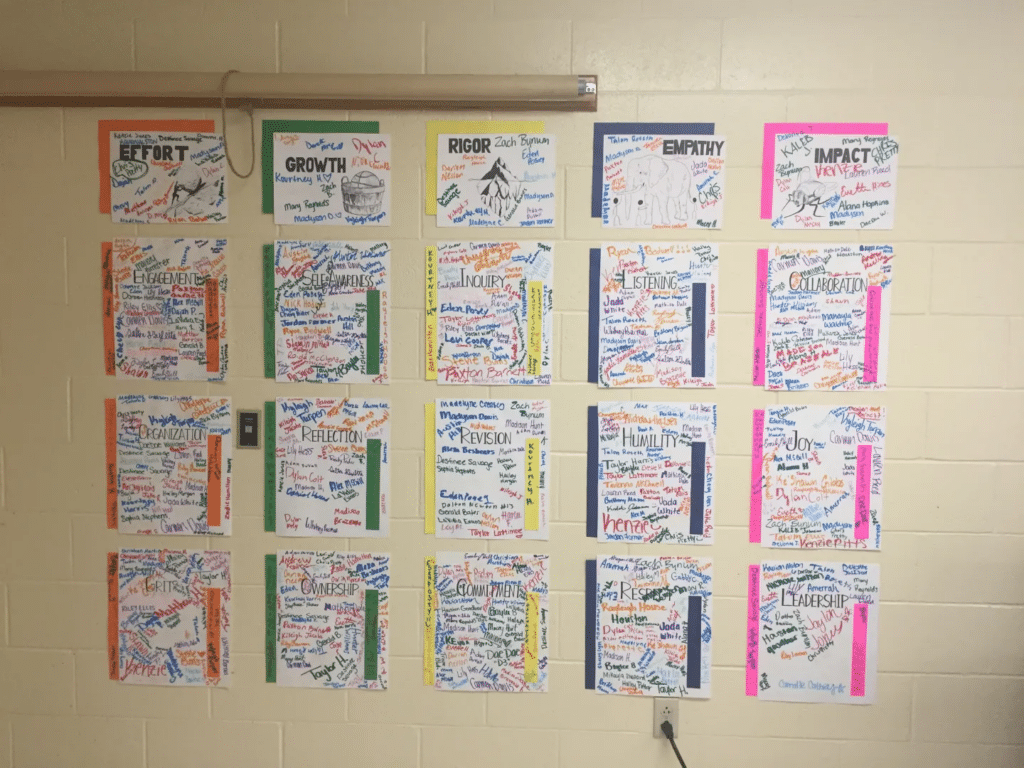
"…Signing the wall for self-efficacy—round of applause for Jose!"
The room erupts into authentic cheers. The nominated student approaches the wall, claims the designated class pen, signs their name, and the cycle continues.
Official Statements & Psychological Observations
Skeptics frequently question whether high school students—notoriously self-conscious and prone to adolescent detachment—will genuinely engage with a public affirmation ritual. Luther’s longitudinal classroom observations offer a resounding counter-narrative.
"If you as a teacher show that you care about it, then they will almost always follow suit," Luther notes, reflecting on over a decade of implementing the system across diverse demographics, from restless freshmen to hyper-focused Advanced Placement juniors.
While adolescent eye-rolls inevitably occur—as they do with any public school celebration—they rarely reflect true disengagement. In fact, educators utilizing this model frequently report that the students who initially project an attitude of ironic detachment often become the system’s most protective guardians. It is common to observe these "too-cool-for-school" teenagers standing before the wall during lunch breaks, quietly counting their signatures or proudly bringing friends into the room to point out where their peers recognized them.
Furthermore, the data collected within the master tracking spreadsheet serves multiple professional functions beyond classroom morale:

- Targeted Interventions: Teachers can pull struggling or quiet students aside for private encouragement, sharing specific praise gathered from their peers.
- Family Outreach: Instructors can send unprompted, uplifting emails to parents detailing how their children positively impact their peers.
- Letters of Recommendation: When drafting university or scholarship recommendations, educators have an immediate, verifiable repository of qualitative character traits and peer-vouched achievements.
Future Outlook: Replicating the Model Beyond the Classroom
The broader implications of Marcus Luther’s peer-affirmation framework extend far beyond high school English departments. As educational systems worldwide prioritize holistic student well-being and social-emotional learning (SEL), low-cost, high-impact cultural interventions are increasingly vital.
The core takeaway of the octopus wall transcends the physical artwork itself. It operates on a fundamental sociological truth: In any institutional space, individuals value what leaders make space for.
By intentionally carving out time to look for character strengths in others and institutionalizing the practice of naming those strengths to others, educators send an unmistakable signal to adolescents that their humanity, empathy, and contributions matter just as much as their academic output. As schools continue to navigate the complexities of the modern educational era, systems of peer affirmation offer a timeless, scalable antidote to isolation—proving that when students are given the tools to uplift one another, they will gladly rise to the occasion.

