
Executive Overview
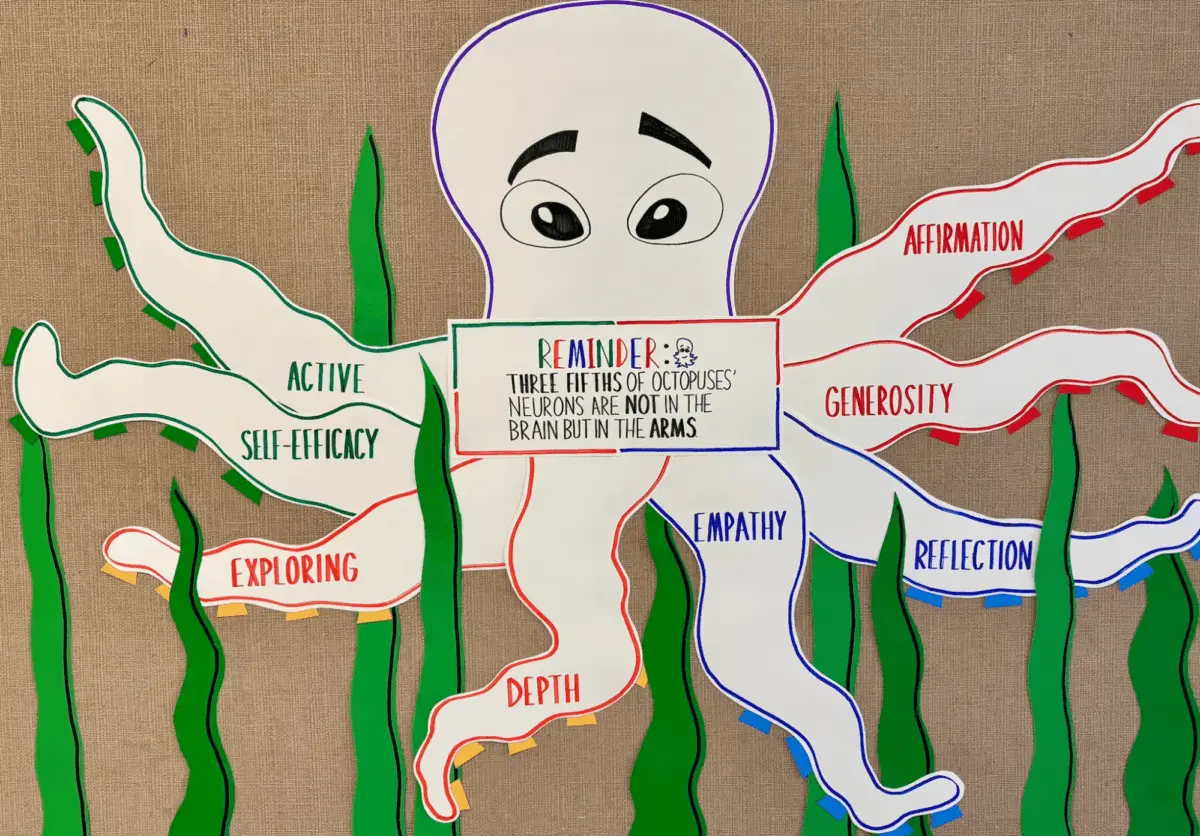
In an era where modern education is frequently dominated by standardized test metrics, digital fatigue, and the perpetual race to cover curriculum standards, social-emotional learning (SEL) can often feel like an afterthought shoehorned into homeroom periods. However, high school educator and writer Marcus Luther has spent over a decade refining a remarkably simple yet profoundly impactful counter-narrative. Known colloquially among his students as "the octopus," Luther’s classroom wall-affirmation system redefines how young adults interact, value one another, and perceive their own places within an academic community.
What begins on the first day of school as a stark, blank octopus illustration eventually blossoms into a vibrant mosaic of anonymous student nominations, peer recognition, and public celebration. Far from being a superficial icebreaker or a fleeting gimmick, this structured system of peer affirmation provides high school students—from cynical freshmen to hyper-focused AP seniors—with a tangible framework to recognize and validate the intellectual and interpersonal strengths of their classmates.

This comprehensive report examines the mechanics of Luther’s methodology, its psychological and pedagogical underpinnings, the logistics of execution within a busy secondary classroom, and the broader implications for educators seeking to foster genuine community in an increasingly disconnected digital landscape.
Detailed Chronology: The Evolution of "The Wall"
The genesis of Luther’s peer affirmation system did not begin in a high-tech educational laboratory, but rather through cross-disciplinary observation within his own family. More than ten years ago, Luther visited his wife’s fifth-grade classroom. Witnessing her intentionality in establishing core classroom values and prompting young learners to write brief notes of affirmation to one another planted a seed that would eventually migrate to the high school environment.
Recognizing that older students desperately craved authentic affirmation just as much—if not more—than younger children, Luther adapted the concept for secondary learners.
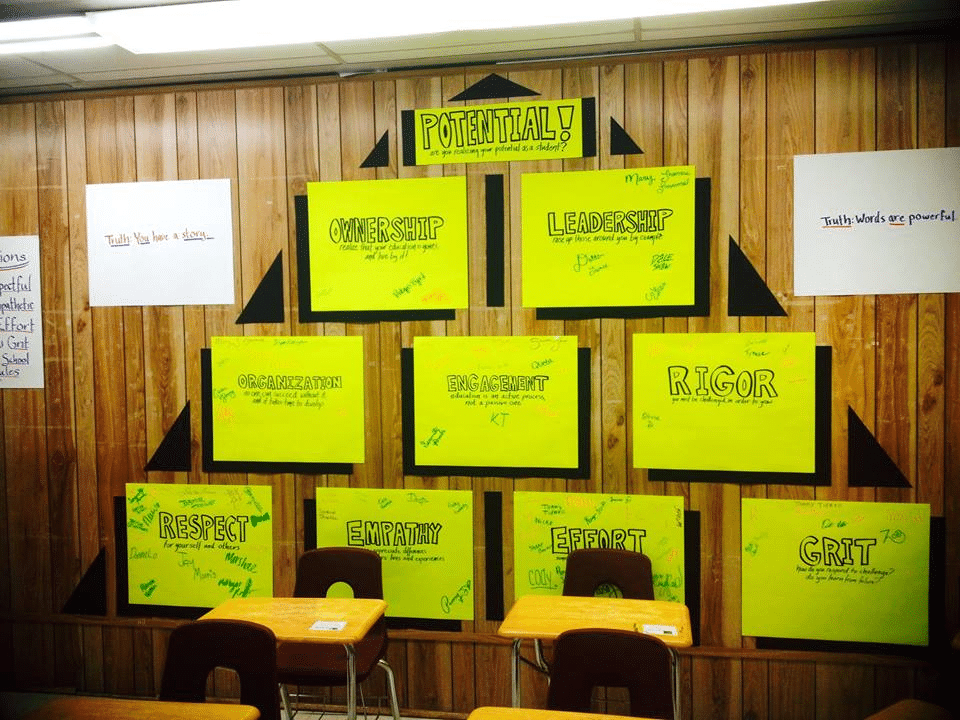
- Phase 1: The Wooden Pyramid. Drawing inspiration from legendary basketball coach John Wooden’s famous "Pyramid of Success," Luther’s earliest iterations of the system featured a geometric pyramid graphic on his classroom wall. Students were encouraged to identify behaviors that mirrored the foundational pillars of success.
- Phase 2: Iterative Evolution. Over several years, the visual centerpiece underwent various thematic and structural changes. Luther realized that while the specific visual motif mattered less than the underlying framework, a distinct, engaging image captured students’ imaginations much more effectively than a standard list of rules.
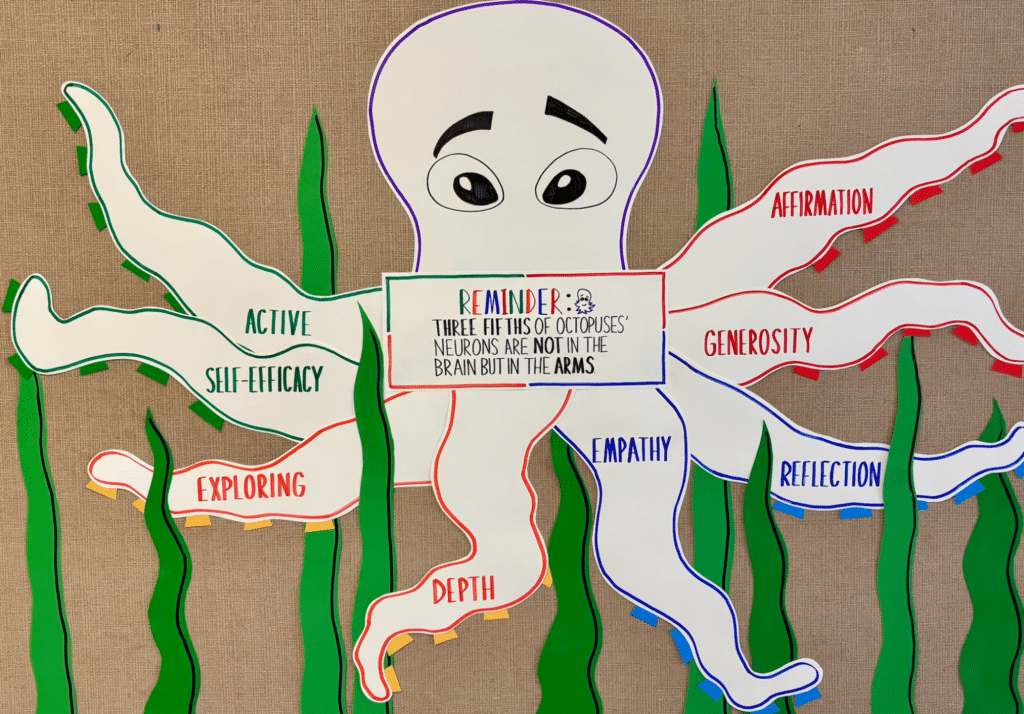
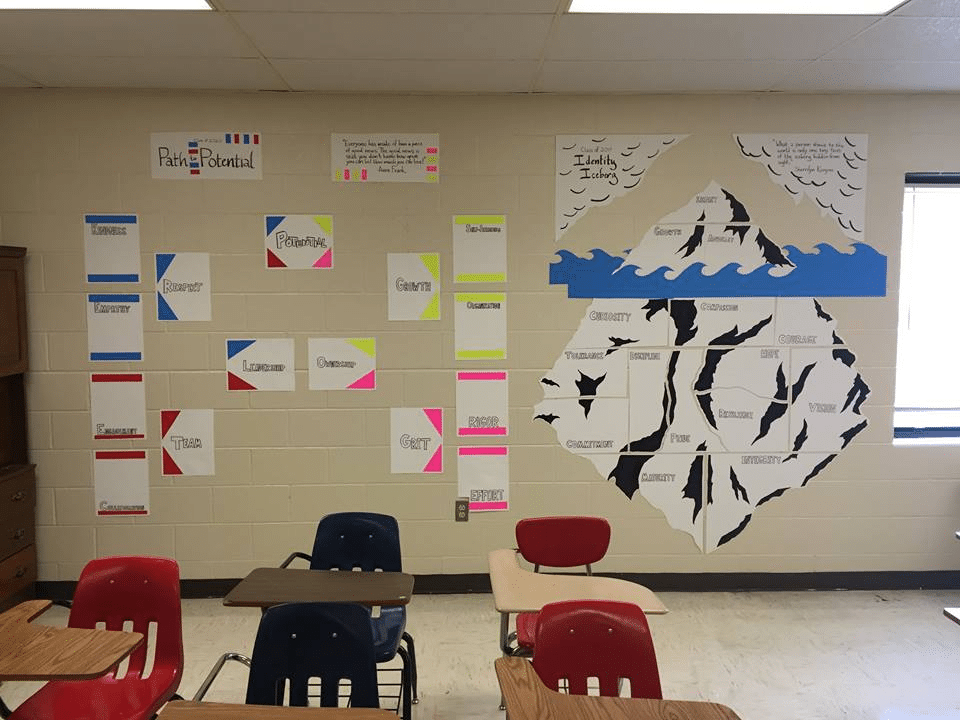
- Phase 3: The Octopus Paradigm. Setting on eight core classroom values to mirror the eight appendages of an octopus, Luther established the visual format that has defined his recent years of teaching. The octopus starts the academic year completely blank. Over the weeks and months, as students anonymously nominate their peers for living out specific values like depth, active engagement, or self-efficacy, the blank canvas fills with signatures, transforming into a visual archive of community goodwill.
Supporting Context & Metrics: The Mechanics of Peer Nomination
Implementing a peer affirmation system in a high school setting involving 150 to 180 students across multiple class periods requires meticulous organization. Luther’s system relies on a three-pronged methodological approach that bridges the gap between unstructured praise and actionable, documented growth.
1. Establishing Core Values Intentionally
Rather than attempting to co-create values from scratch with six different classes during the chaotic opening weeks of the school year, Luther utilizes data gathered from the previous cohort. At the end of every academic year, students reflect on which values meant the most to them and suggest modifications. This creates a legacy system where students literally "pay forward" their cultural feedback to the incoming class. Luther typically settles on eight core values—a number that provides enough behavioral variety to capture diverse student strengths without overwhelming the cognitive load of the class.
2. The Anonymous Nomination Process
Waiting two to three weeks into the term before launching the first round of nominations allows the classroom community to build baseline rapport. When the nomination cycle opens—typically facilitated through a streamlined Google Form—students are asked to:
- Identify a classmate.
- Select a specific core value.
- Provide a brief, qualitative explanation detailing how the student embodied that value.
Crucially, these nominations are strictly anonymous. This anonymity removes social anxiety, peer pressure, or the fear of looking uncool, allowing students to speak candidly about the positive impacts their peers have made.
3. Sorting, Tracking, and Digital Organization
To prevent the system from becoming an administrative burden, Luther utilizes a structured digital spreadsheet to log incoming nominations. This backend organization serves multiple vital functions:
- It maintains a historical ledger ensuring equitable distribution of recognition over time.
- It flags students who may be flying under the radar, allowing the teacher to intentionally prompt or celebrate unsung heroes.
- It acts as an invaluable qualitative database when writing college recommendation letters or drafting celebratory communications to parents.
Official Insights & Classroom Application: "Signing the Wall"
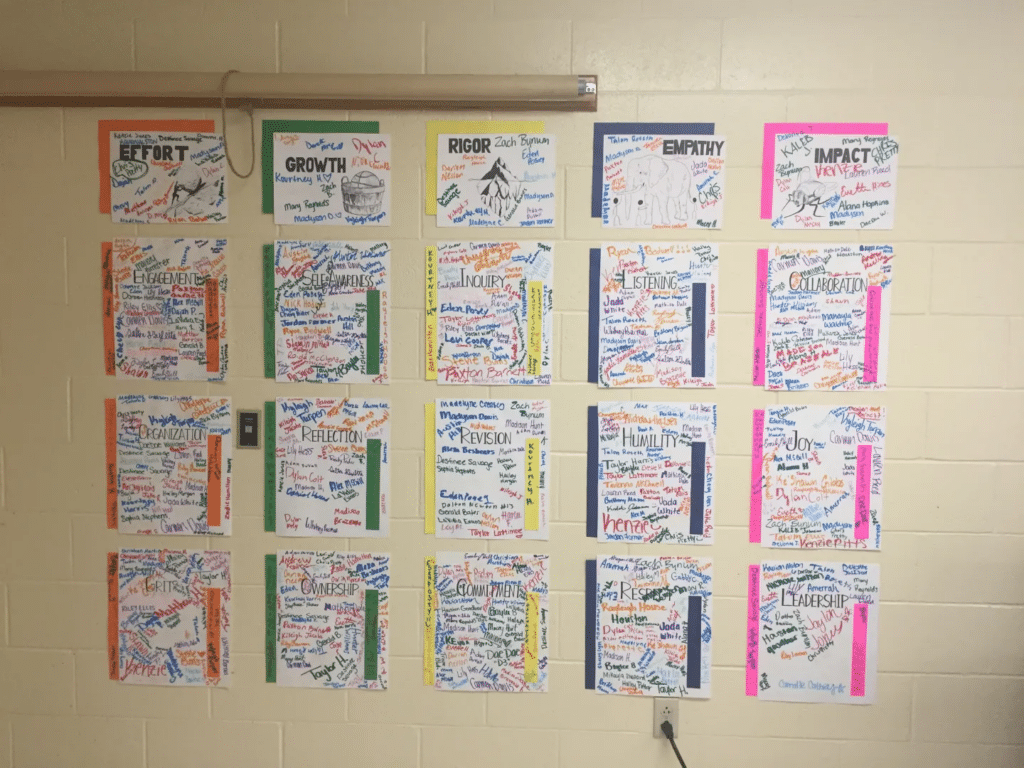
The climax of the system occurs during the weekly ritual known simply as "signing the wall." At the end of the week, utilizing a designated pen color unique to each class period, Luther engages his students in a structured ceremony of recognition.
+-------------------------------------------------------------------+
|               THE WEEKLY "SIGNING THE WALL" RITUAL                 |
+-------------------------------------------------------------------+
|  1. Teacher opens the master spreadsheet of nominations.          |
|  2. Teacher reads the nomination aloud (WITHOUT the student's name).|
|  3. Dramatic pause builds suspense across the room.                |
|  4. Teacher reveals the student's name and the specific value.    |
|  5. Class erupts in a round of applause.                          |
|  6. Student approaches the wall, signs their name on the octopus. |
+-------------------------------------------------------------------+
Far from drawing eye rolls or apathy, this ritual commands deep engagement from adolescents. As Luther notes, high school students mirror the energy and investment of their instructor. When a teacher treats community celebration as a core pillar of academic life rather than a frivolous time-waster, students invariably follow suit.
Overcoming Adolescent Cynicism
Many educators hesitate to implement public praise in high schools due to the omnipresent fear of adolescent pushback or performative cool. However, Luther’s longitudinal experience demonstrates that even the most vocal skeptics—the "champion eye-rollers"—frequently undergo a psychological shift. Over time, these students begin checking the wall during quiet moments in class, bringing friends in during lunch to show off their signatures, or, in memorable instances, demanding their final wall-signing ritual even as the final bell of the school year rings for summer break.
Future Outlook: The Broader Implications for Modern Education
As school districts nationwide grapple with chronic absenteeism, declining student engagement, and mounting concerns regarding adolescent mental health, systems like Marcus Luther’s peer affirmation framework offer a blueprint for systemic cultural repair.
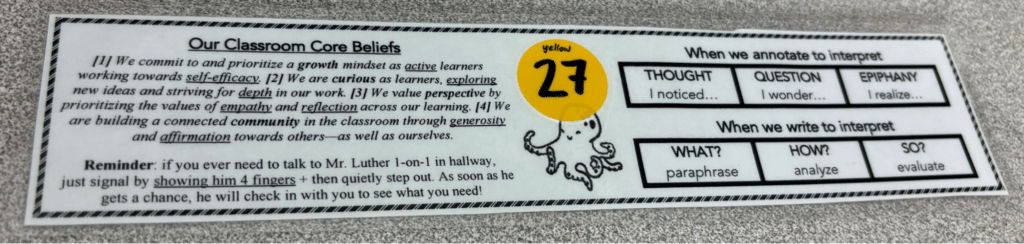
The primary takeaway for modern educators transcends the physical artwork of the classroom octopus. It highlights a fundamental pedagogical truth: You value what you make space for.
By institutionalizing a mechanism that forces students to actively look for the intellectual and personal strengths in one another—and, crucially, to articulate those strengths to one another—educators achieve several critical milestones:
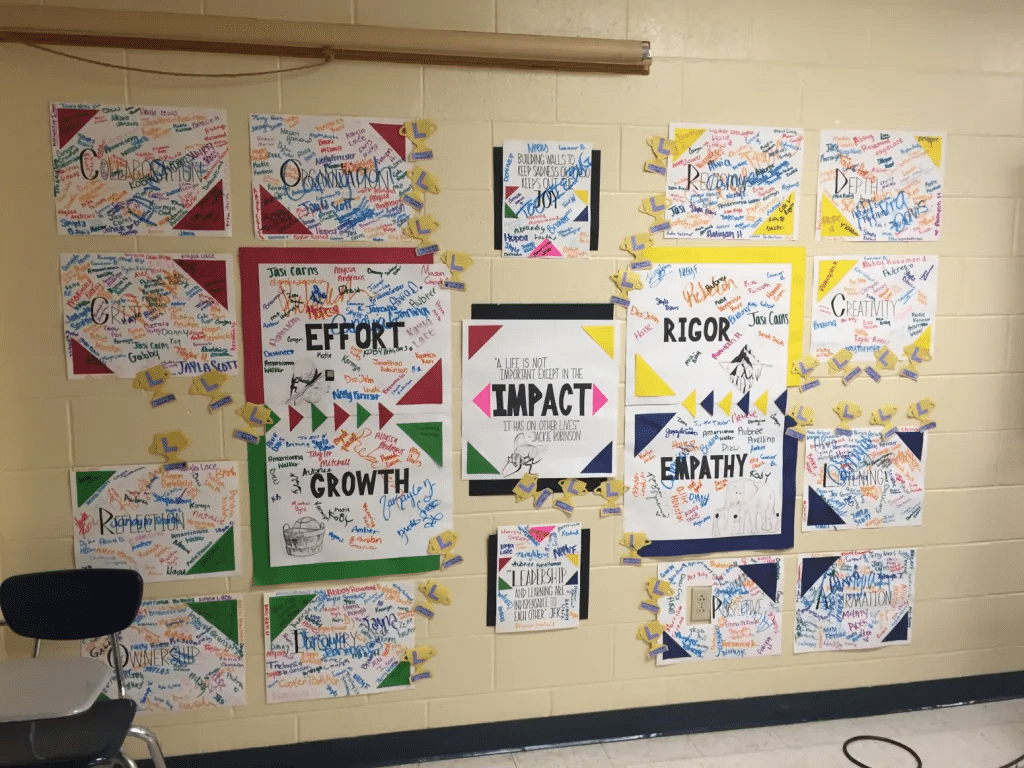
- Elevating Marginalized Voices: Quiet, industrious students who rarely dominate classroom discussions suddenly find their daily contributions brought to light and validated by their peers.
- Strengthening Home-School Partnerships: Parent-teacher conferences transition from purely remediation-focused meetings to celebratory briefings where parents hear exact quotes from classmates regarding their child’s character.
- Combating Social Isolation: In an age mediated by algorithmic feeds and isolation, structured peer affirmation builds tangible, local bridges of empathy within the four walls of the classroom.
Marcus Luther’s work, further documented on his Substack The Broken Copier, serves as an authoritative reminder that the most transformative classroom management tools do not require expensive software packages or administrative mandates. Instead, they require intentionality, consistency, and a profound belief that young people want nothing more than to be truly seen, valued, and celebrated by the community they help build.

