
Executive Overview
The retail paradigm surrounding holiday shopping has undergone a profound structural transformation, nowhere more evident than in the market for Science, Technology, Engineering, and Math (STEM) toys. Historically anchored by the post-Thanksgiving rush of Black Friday, the commercial window for acquiring educational playthings has expanded significantly. Retailers now initiate major promotional cycles as early as mid-November, driven by supply chain optimizations and a strategic pivot toward robust online-only purchasing models.
This shift addresses logistical bottlenecks inherent in brick-and-mortar storefronts during peak holiday weeks, prioritizing direct-to-consumer digital distribution. For parents, educators, and holiday shoppers, this extended promotional runway offers a strategic advantage. Rather than navigating frantic, highly compressed shopping windows, consumers can secure steep discounts on top-tier learning robotics, chemistry sets, logic puzzles, and engineering kits well in advance of the traditional holiday rush. This report examines the market drivers behind the early-season retail shift, details the top 15 must-watch STEM toys and learning kits for the holiday season, and evaluates the long-term educational impact of technology-driven play.
Detailed Chronology: The Shift to Early-Season Digital Retail
The timeline of holiday retail has accelerated dramatically over the past decade. Traditional brick-and-mortar Black Friday—characterized by pre-dawn lines, inventory scarcity, and localized congestion—has steadily yielded to an elongated, digital-first shopping season.
- Early November: Major online retailers and specialized educational distributors begin preliminary price drops, testing consumer demand and adjusting inventory levels in response to global supply chain forecasts.
- Mid-November: The structural shift solidifies. To mitigate the risks of inventory stock-outs and delivery delays, retailers officially launch their primary online-only promotional campaigns. This period marks the release of deep discounts on high-ticket items, including advanced coding robots and complex building systems.
- Thanksgiving Week: Rather than serving as the starting gun for holiday shopping, Thanksgiving week now functions as a midpoint or a final push for digital fulfillment. Retailers concentrate their logistical efforts on server capacity, website user experience, and expedited shipping guarantees.
- Black Friday and Cyber Monday: These dates solidify their roles as concluding high-water marks for promotional events rather than exclusive introductory windows. Consumers familiar with the early-season shifts leverage this period to secure remaining inventory on high-demand, specialized learning kits.
This structural evolution benefits both retailers and consumers. Retailers spread operational stress across weeks rather than days, while consumers gain the ability to research, compare, and purchase complex educational tools thoughtfully.
Supporting Context & Metrics: The Rise of Educational Play
The surging demand for STEM toys is not merely a passing retail trend; it reflects a broader cultural and academic emphasis on early-childhood technological literacy. Modern educational frameworks increasingly recognize that abstract concepts in coding, physics, and chemistry are best grasped through hands-on, tactile exploration.
Market analysis consistently indicates double-digit year-over-year growth in the educational toy sector. Parents are actively seeking alternatives to passive screen time, gravitating toward products that bridge the gap between entertainment and applied science. Toys that integrate programmable logic, mechanical engineering, and basic circuitry provide children with foundational competencies relevant to an increasingly automated economy. Furthermore, the deliberate design of inclusive STEM kits—such as chemistry sets targeted toward cosmetics science and engineering—has expanded participation across diverse demographics, ensuring that technological curiosity is cultivated equitably from an early age.
Official Recommendations: Top 15 STEM Toys and Learning Kits to Watch
As retailers roll out their early promotional pricing, identifying the most effective educational tools requires looking past mere marketing appeal. Below is a curated analysis of the top 15 STEM toys and learning kits featured across early holiday discount campaigns.
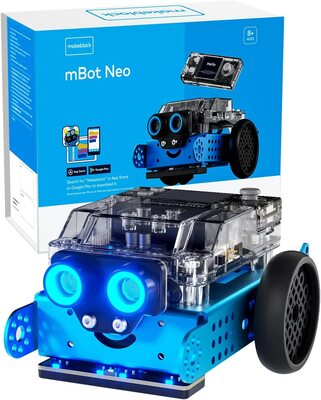
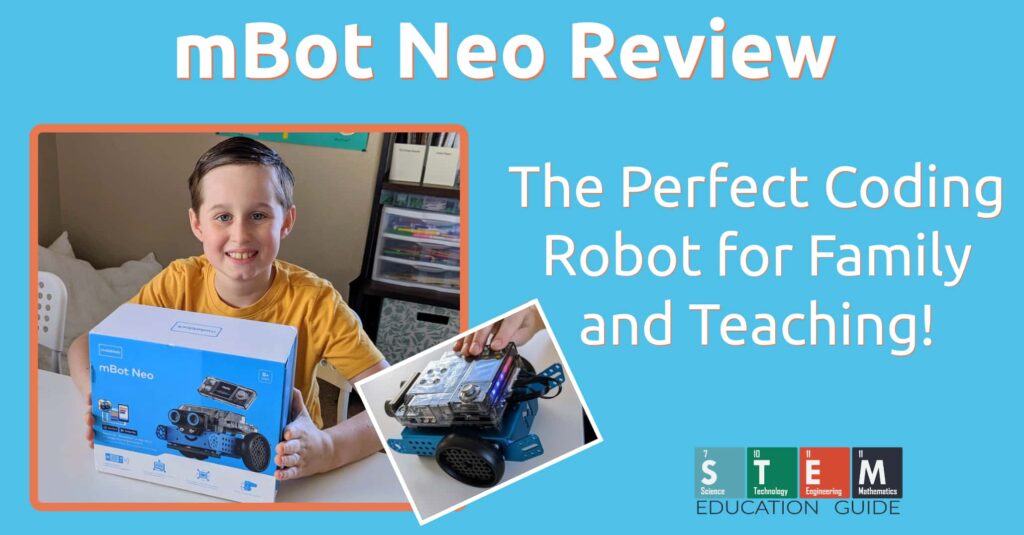
1. mBot Neo
The mBot Neo stands out as a premier DIY coding robot constructed from robust aluminum and thick plastics. Designed to withstand rigorous handling, this kit guides children through physical assembly before transitioning to application-based programming. Using an intuitive app, kids can make the robot move, sing, dance, and light up. For those not yet ready for custom code, it features preprogrammed activities accessible via a standard controller. It remains an authoritative choice for introducing foundational robotics.
2. Sphero BOLT
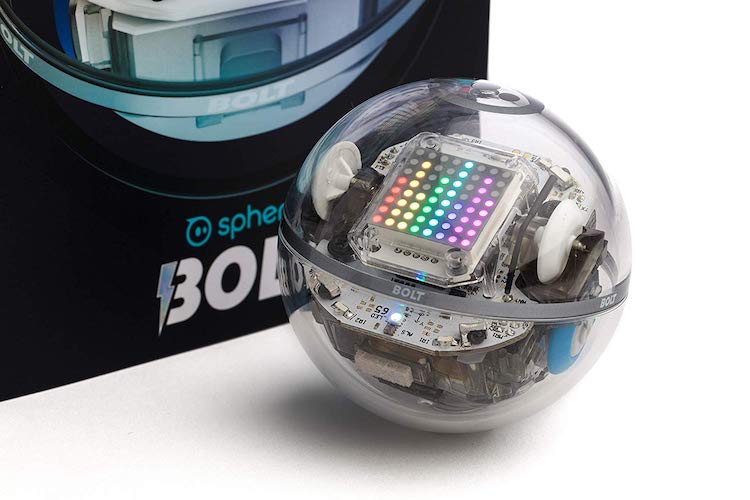
Engineered for durability, the Sphero BOLT is a shock-proof, waterproof, and programmable robotic sphere. Users write custom code to direct the bot’s movements, unlocking an extensive ecosystem of beginner and advanced classroom activities. Its transparent shell and programmable matrix display allow children to visualize algorithms in real-time, making it an exceptional tool for teaching sequential logic and spatial reasoning.
3. Wonder Workshop Dash
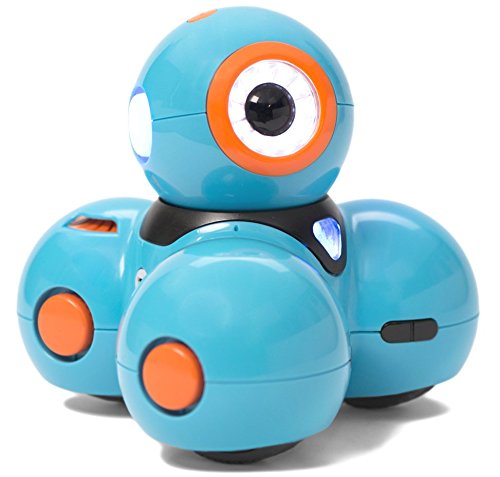
Targeted at children ages 6 and older, Wonder Workshop Dash is a nimble, highly responsive programmable robot. Its appeal lies in its approachability: built-in application challenges guide users through progressive coding sequences without requiring prior programming experience on the part of the parent. Equipped with a microphone for voice playback and the ability to interact with other Dash units, it encourages collaborative, social play among siblings and peers.
4. Makey Makey
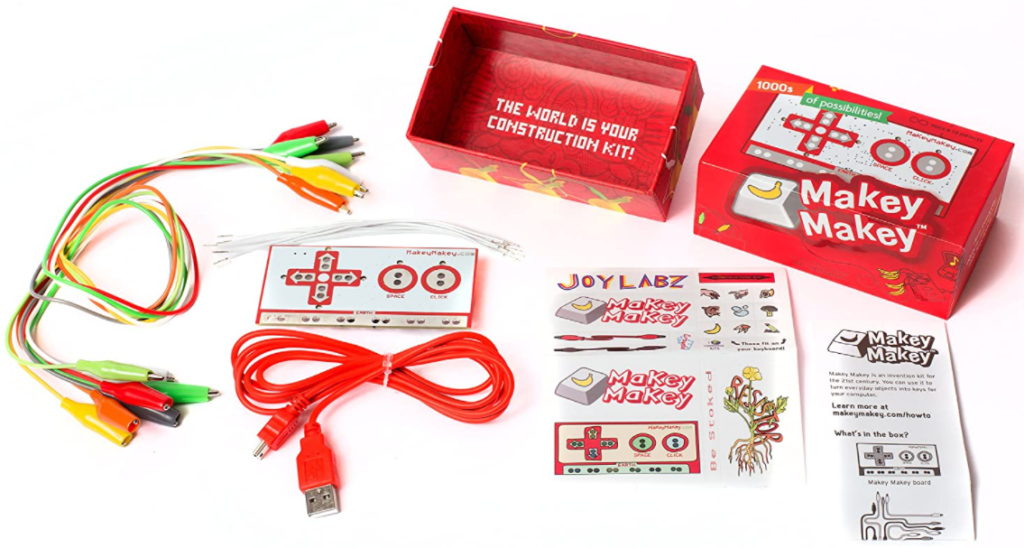
Makey Makey represents a triumph in minimalist, hands-on invention kits. By connecting everyday conductive objects—ranging from bananas to graphite drawings—to a specialized circuit board via alligator clips, children can transform ordinary items into computer keys and game controllers. The kit demystifies circuitry and encourages out-of-the-box creative problem-solving with minimal setup.
5. Kaboom Explosive Science Lab Kit
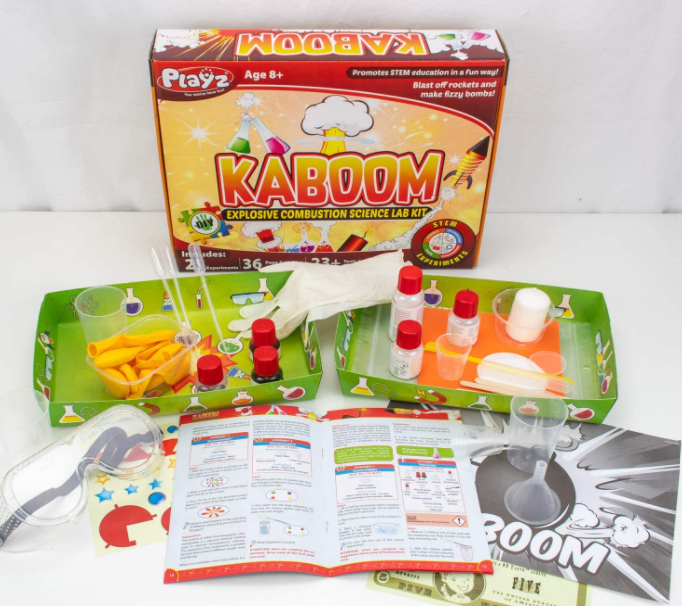
Science education excels when it captures a child’s innate sense of wonder. The Kaboom Science Lab Kit delivers over 25 experiments designed to demonstrate chemical reactions, combustion principles, and physical transformations safely. From launching backyard rockets to experimenting with fireproof balloons, the kit bridges high-energy play with rigorous scientific explanations, ensuring that children understand the "why" behind each reaction.
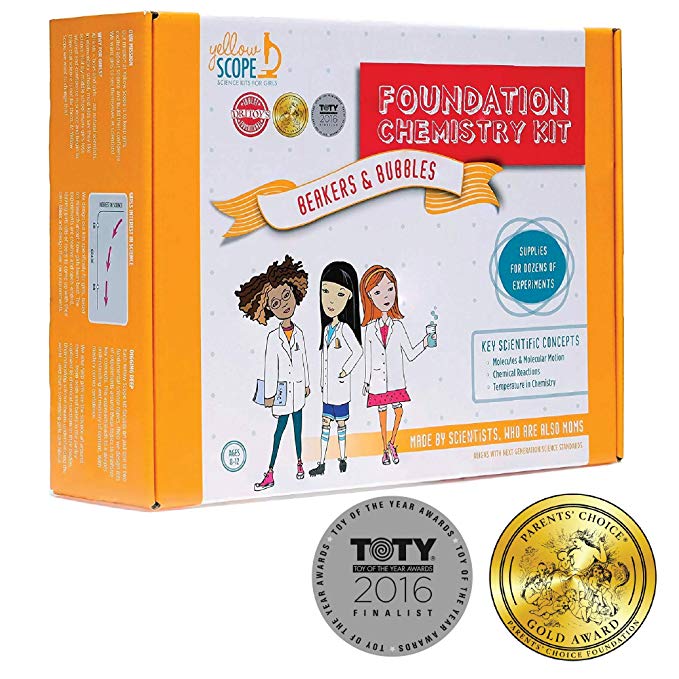
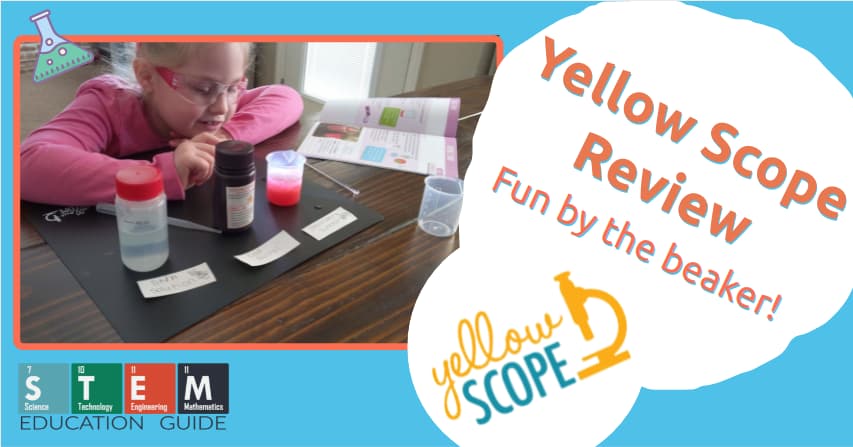
6. YELLOW SCOPE Foundation Chemistry Kit (Beakers & Bubbles)
Addressing the critical need for inclusive STEM programming, Yellow Scope has developed rigorous, high-quality chemistry sets designed to appeal broadly, including to young girls interested in STEM careers. The Beakers & Bubbles kit explores the genuine chemistry behind everyday products, such as cosmetics and body care items. It provides a structured, academic approach to experimentation that respects young learners’ intelligence and curiosity.
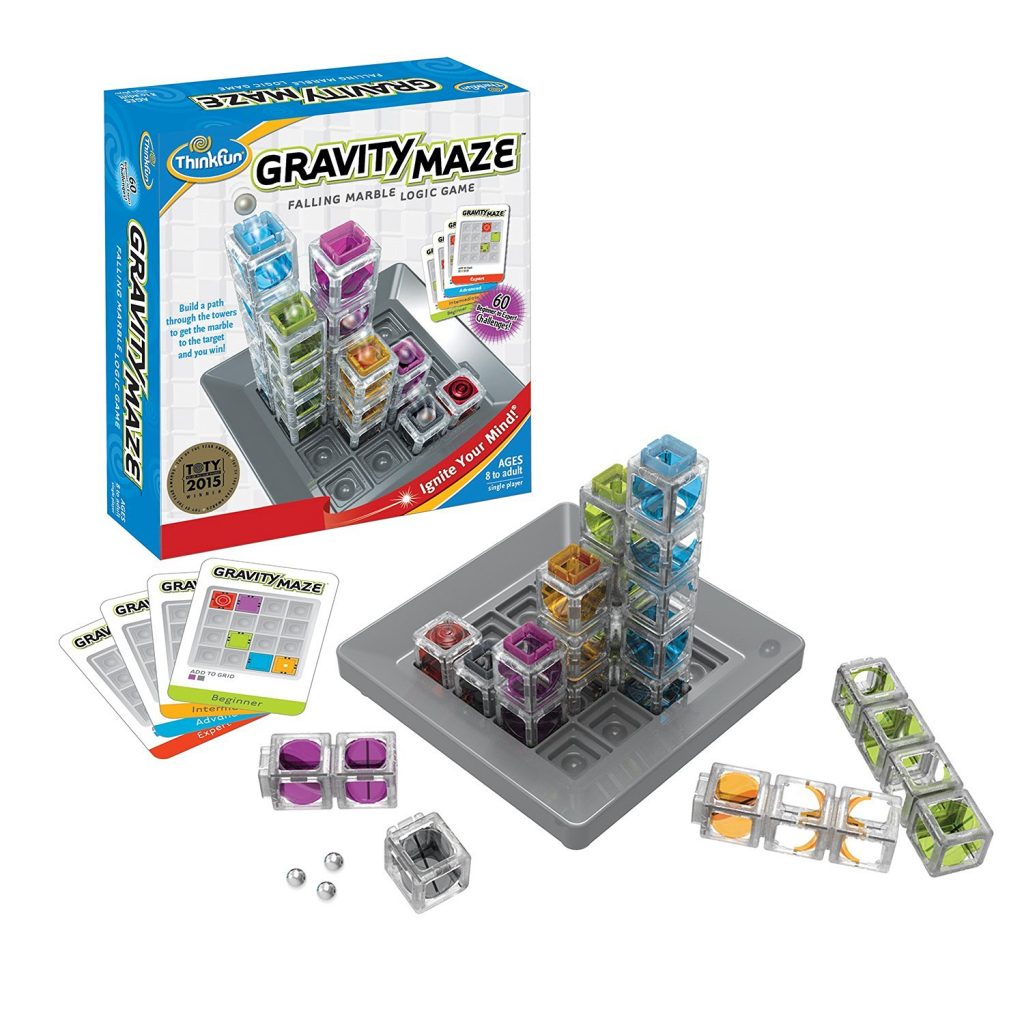
7. ThinkFun Gravity Maze Marble Run
Combining a traditional marble run with a logic puzzle, ThinkFun’s Gravity Maze challenges children to construct functional paths using specified constraint cards. Players must carefully consider spatial reasoning, gravity, and structural integrity to ensure the marble successfully navigates the maze. It is a premier screen-free logic game designed to foster independent critical thinking for ages 8 and up.
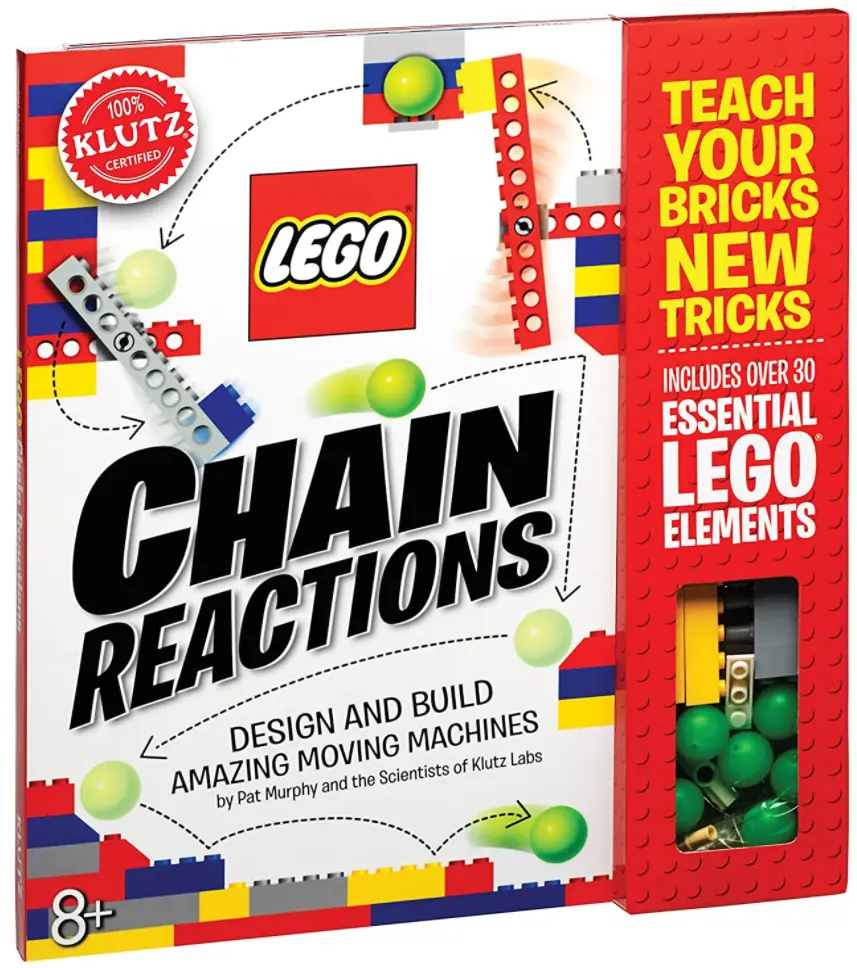
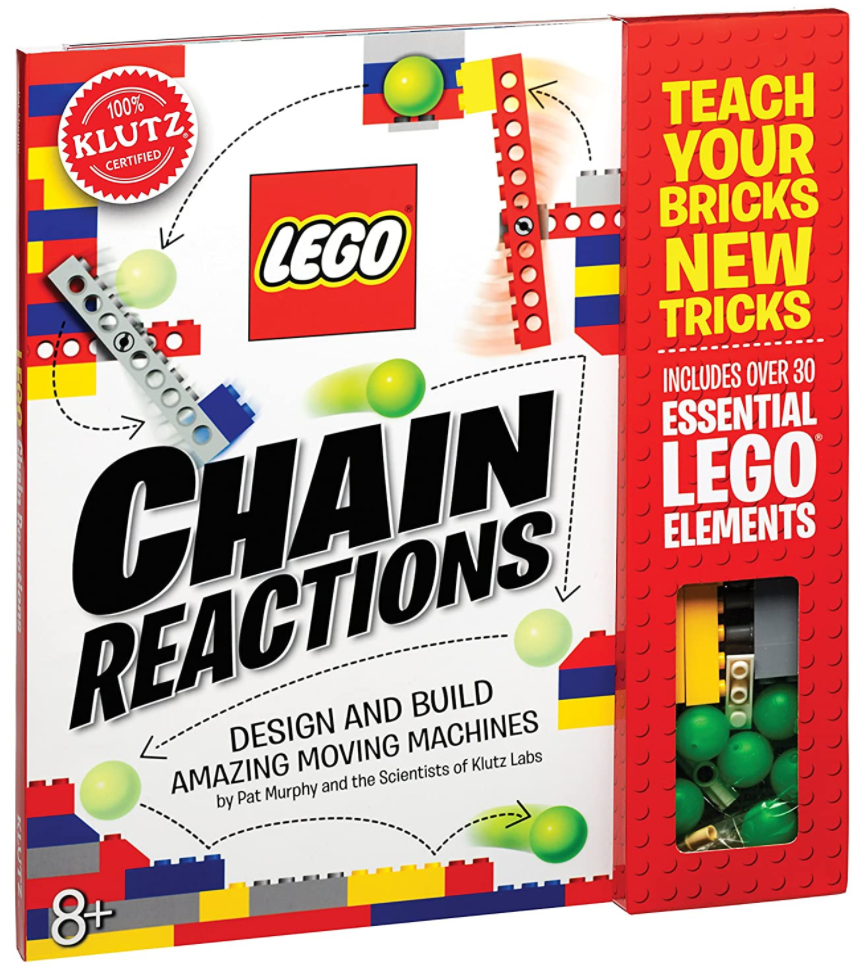
8. LEGO Chain Reactions
For children fascinated by mechanical engineering, LEGO Chain Reactions offers an exceptional introduction to kinetic energy and cause-and-effect systems. By building contraptions that feature moving parts and cascading reactions, children gain confidence in their ability to design complex mechanical sequences using familiar modular elements.
9. Snap Circuits 3D Illumination Electronics Exploration Kit
Snap Circuits demystifies the complexities of electrical engineering. By utilizing color-coded, snap-together components, children can safely construct functional electronic circuits that produce light, sound, and motion. The 3D Illumination kit adds vertical dimension and visual flair to standard circuit projects, providing a solid foundation in electronics.
10. Elenco Teach Tech Hydraulic Kit (HydroBot Arm)
The Elenco HydroBot Arm introduces young learners to the principles of hydraulics and mechanical advantage. Featuring a 270-degree arm rotation and water-powered plungers, this kit requires meticulous assembly and spatial planning. It serves as a compelling introduction to fluid dynamics and mechanical engineering for tactile learners.
11. Botley The Coding Robot Activity Set
Botley offers a premier screen-free coding experience for younger children. Programmed via a dedicated remote device rather than a tablet or computer, Botley teaches core coding concepts—such as loops, conditional statements, and directional logic—through physical obstacle courses and interactive games.
12. Elenco TEACH TECH Mech-5 Robot Kit
For children ready for advanced mechanical engineering, the Mech-5 programmable mechanical robot provides a sophisticated challenge. Children assemble the mechanical chassis and program its complex movements—including kicking, lifting, and drawing—using a physical coding wheel. It is an ideal tool for developing advanced problem-solving and troubleshooting skills without relying on digital screens.
13. littleBits Electronic Music Inventor Kit
Merging technology with the arts, the littleBits Electronic Music Inventor Kit allows children to build and customize their own electronic instruments, such as guitars, and program their sound profiles using a companion app. This interdisciplinary approach highlights how engineering principles intersect with creative expression.
14. Kid K’NEX
Designed specifically for younger children, Kid K’NEX features large, soft, colorful plastic pieces that minimize safety hazards while maximizing construction possibilities. The chunky, tactile pieces allow toddlers and preschoolers to explore stacking, connecting, and basic engineering concepts through imaginative play.
15. Ravensburger GraviTrax XXL Marble Run
A modular, electronic-free marble run built upon a distinctive hexagonal grid, GraviTrax challenges users to design intricate tracks that utilize magnetism, kinetics, and gravity. Its open-ended design encourages iterative testing, failure analysis, and spatial optimization, making it a staple of modern educational play.
Future Outlook
The trajectory of the STEM toy market points toward increasing integration between physical play and computational thinking. As early-season retail promotions continue to normalize, consumers can expect greater predictability in holiday pricing, reducing the pressure of compressed shopping deadlines.
Looking forward, the industry is poised to embrace augmented reality (AR) integrations that overlay digital instructions and challenges onto physical building blocks, alongside sustainable materials that address environmental concerns. However, the core value proposition remains unchanged: toys that actively engage a child’s intellect, foster resilience through trial and error, and demystify the mechanics of the physical world will continue to serve as vital investments in the next generation of scientists, engineers, and innovators.

