
Executive Overview
In the modern educational landscape, the integration of Science, Technology, Engineering, and Mathematics (STEM)—and by extension, STEAM, which incorporates the arts—has shifted from an optional extracurricular enrichment to a fundamental pillar of child development. As parents, educators, and curriculum designers seek innovative ways to combat screen fatigue and foster intrinsic motivation, children’s subscription boxes have surged in popularity.
While brands like KiwiCo have undeniably pioneered and dominated the commercial subscription kit space, a burgeoning ecosystem of alternatives has emerged. Each competitor brings a specialized pedagogical philosophy to the doorstep, ranging from NASA-engineered machine building to Montessori-aligned sensory play and geography-focused storytelling.
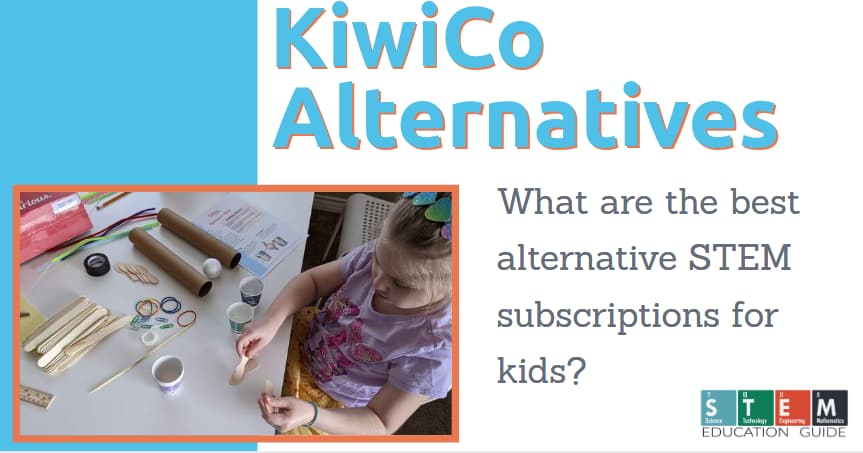
This comprehensive review explores the premier STEM and STEAM subscription boxes currently available. Hand-tested by families and analyzed through an educational lens, this guide evaluates the core offerings, target age groups, structural benefits, and unique value propositions of the top KiwiCo alternatives on the market.
Detailed Chronology & Evolution of Educational Subscription Boxes
The concept of direct-to-consumer educational kits is not entirely novel; historic milestones include mail-order correspondence courses and traditional chemistry sets popularized in the mid-20th century. However, the contemporary subscription box industry represents a radical evolution driven by shifts in technology, logistics, and educational theory.
- The Early 2000s to 2010s (The Pioneer Era): Companies like Little Passports (founded in 2009) established the viability of recurring monthly deliveries focused on global geography and cultural literacy. Soon after, brands recognized the acute demand for structured, hands-on scientific inquiry delivered directly to households.
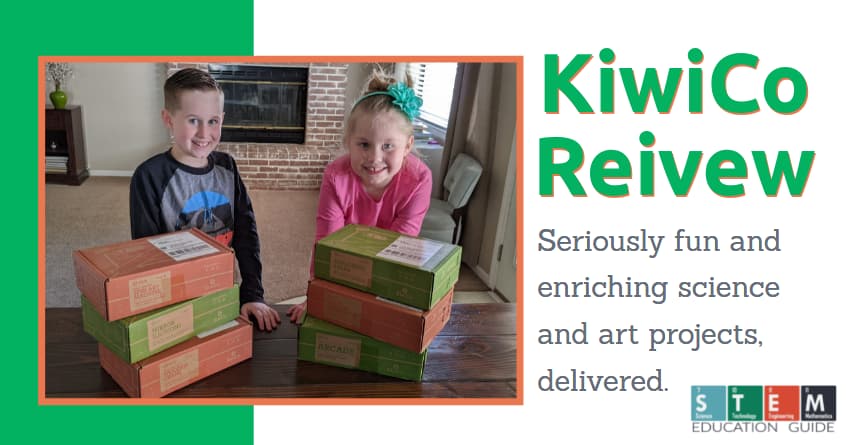
- The Mid-2010s (The KiwiCo Boom): KiwiCo launched with a mission to inspire young innovators through hands-on projects. By segmenting their offerings into distinct age- and interest-based crates (Koala, Kiwi, Tinker, Eureka, etc.), they standardized the expectation that high-quality, aesthetically pleasing educational materials could be delivered on a recurring schedule.
- The Late 2010s to Present (Specialized & Niche Expansion): As the market matured, parents and educators sought out boxes tailored to hyper-specific developmental windows and niche interests. Industry veterans and public figures entered the space—such as former NASA engineer Mark Rober launching CrunchLabs, and early-childhood neuroscience experts driving the rapid rise of Lovevery. Today, the market features sophisticated, multidisciplinary kits that integrate augmented reality (AR), digital video instruction, and eco-friendly manufacturing.
Supporting Context & Metrics: Why STEM and STEAM Deliver Results
Before examining individual brands, it is critical to understand the psychological and developmental mechanics that validate the subscription box model. STEM education is fundamentally rooted in experiential, inquiry-based learning. Rather than relying on rote memorization, children tackle real-world problems through brainstorming, prototyping, and experimentation.
The Developmental Impact
Research in educational psychology indicates that tactile, open-ended manipulation of physical objects stimulates neural pathways associated with spatial reasoning, divergent thinking, and resilience. When a child constructs a physical mechanism that fails, analyzes the stress point, and re-engineers the design, they are practicing high-level executive functions.
Advantages for Parents
Beyond the cognitive gains experienced by children, subscription kits provide logistical relief for parents and homeschool educators. Curating independent educational activities typically requires substantial time spent researching, sourcing disparate components (often in bulk), and managing preparation work.
| Benefit | Why It Helps Parents & Educators |
|---|---|
| Reduced Screen Use | Competes effectively with digital media by offering immersive, tactile experiences. |
| Prepped Activities | Eliminates the friction of sourcing materials, cutting down setup and planning time. |
| Homeschool Support | Introduces structural variety and hands-on laboratory elements to daily curriculums. |
| Cognitive Management | Streamlines project execution, freeing up parent mindshare and time. |
Comprehensive Breakdown of Top KiwiCo Alternatives
While KiwiCo remains a gold standard for many families, various alternative subscriptions excel by targeting specific age brackets, learning styles, or subject matters. Below is an exhaustive breakdown of the leading alternatives.
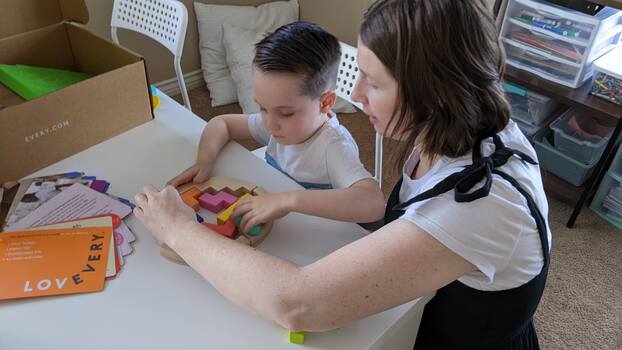
1. CrunchLabs: Engineering Through Invention
- Target Audience: School-aged children and adolescents with a passion for mechanical design.
- Founder: Mark Rober, former NASA engineer and prominent YouTube creator.
Overview
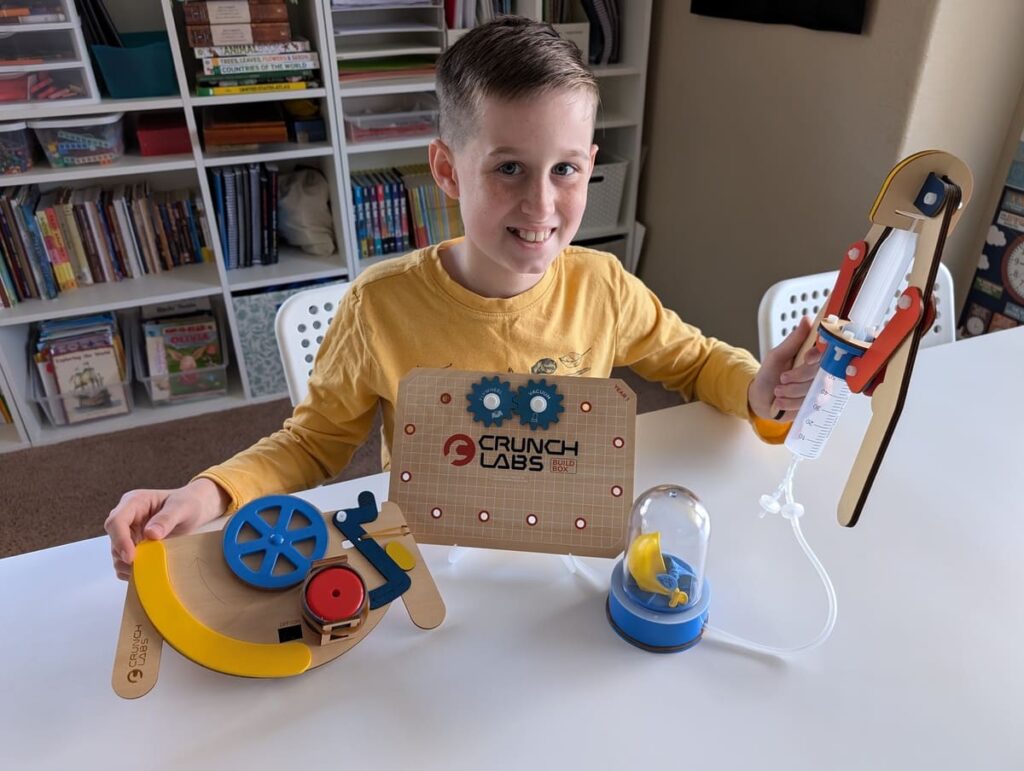
CrunchLabs approaches STEM through the lens of invention. Rather than simply following instructions to build a static model, children receive components and comprehensive guides to construct working gadgets, mechanical toys, and functional machines.
What sets CrunchLabs apart is its multimedia integration: each physical kit is paired with exclusive video content featuring Mark Rober. He breaks down complex mechanical engineering concepts—such as torque, kinetic energy, and mechanical advantage—in an engaging, accessible manner.
Pedagogical Comparison
While frequently compared to KiwiCo’s Tinker Crate or Eureka Crate, CrunchLabs leans heavily into open-ended engineering challenges and iterative prototyping, encouraging kids to modify their builds beyond the base instructions.
2. Lovevery: Montessori-Aligned Early Development
- Target Audience: Infants and toddlers aged 0 to 4 years.
- Delivery Schedule: Bimonthly (every two months).
Overview
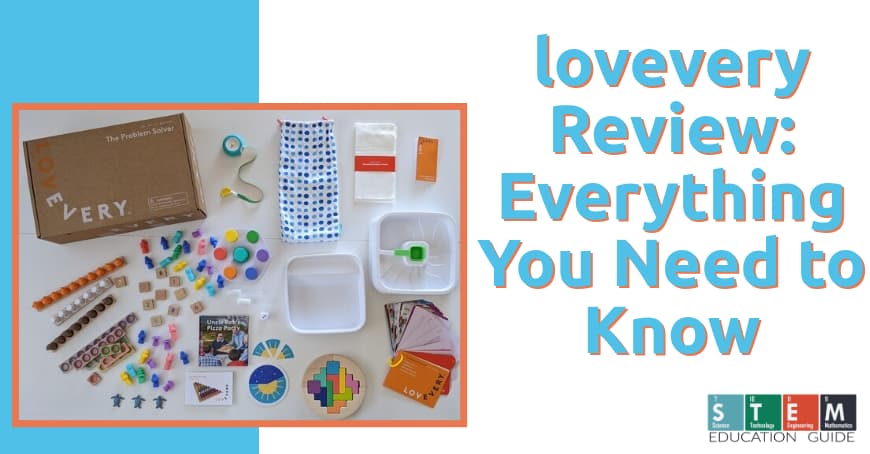
For early childhood development, Lovevery has captured significant market share. Grounded in a Montessori educational philosophy, Lovevery’s play kits are designed by a multidisciplinary team of advisors, ranging from certified positive discipline trainers to human neuroscience professors.
Although Lovevery does not cater to older elementary or middle school students, it stands unchallenged as a premier early-years alternative to KiwiCo’s Koala Crate. The materials—crafted from sustainably harvested wood, organic cotton, and child-safe silicone—are exceptionally durable and aesthetically minimal.
Why Parents Love It:
- Stage-Based Curricula: Kits dynamically adapt to exact developmental windows (e.g., months 0–12, toddler years).
- Parent Guides Included: Every kit contains expert-backed literature explaining why a toy is appropriate for a child’s current neurological and motor skill milestones.
- Durability: Premium construction ensures toys withstand heavy toddler use and remain viable for younger siblings.
3. MEL Science: Advanced Scientific Inquiry
- Target Audience: Children and teens interested in hard sciences (physics, chemistry, medicine, and coding).
Overview
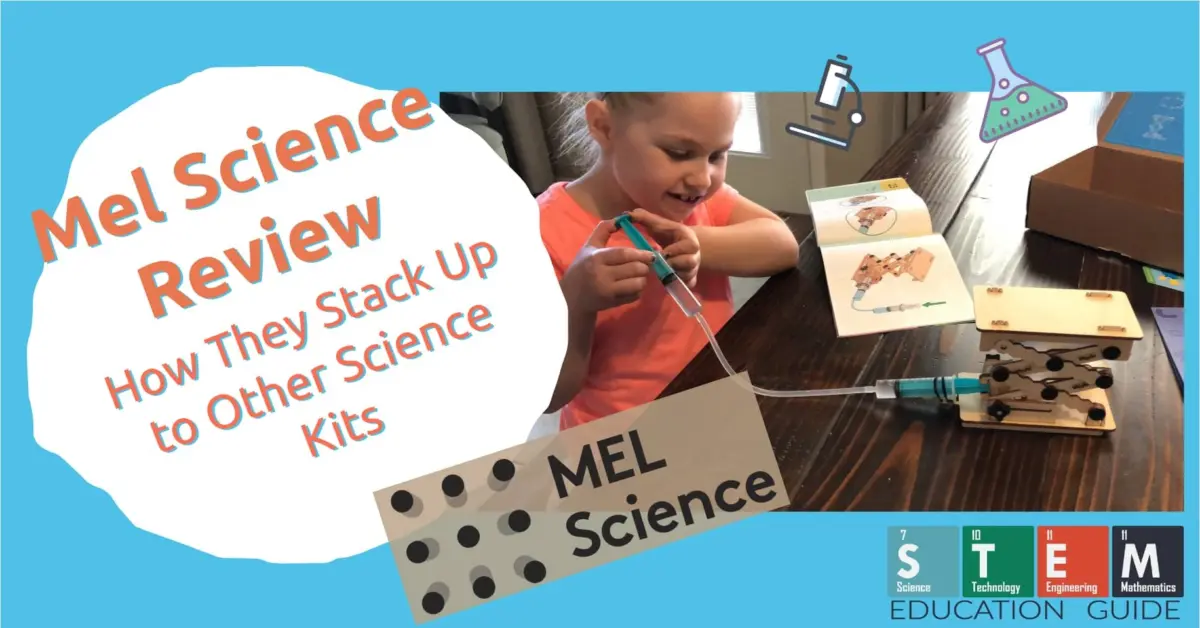
For families seeking a direct, one-to-one parallel to KiwiCo’s depth of scientific exploration, MEL Science is an exceptional contender. The platform is engineered to make rigorous scientific concepts accessible and genuinely exciting.
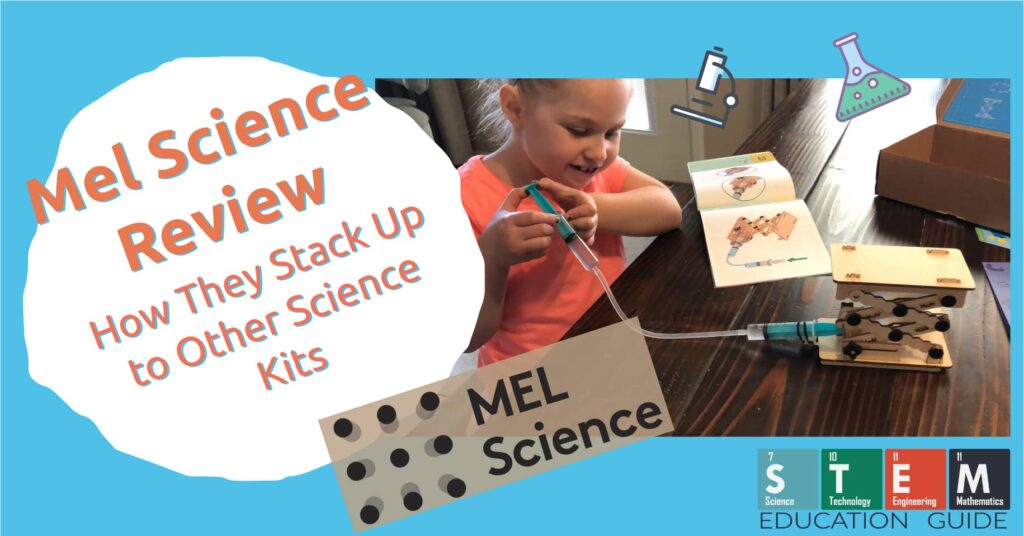
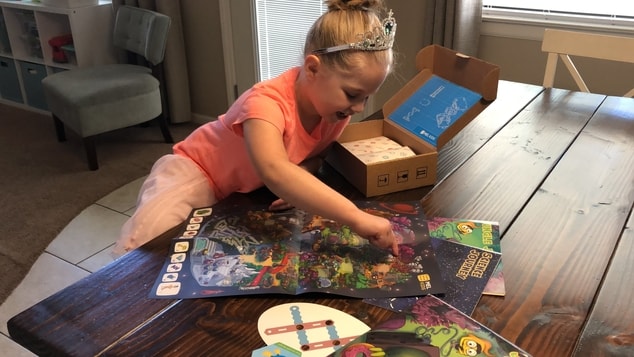
MEL Science organizes its offerings by specialized subjects, including physics, coding, mathematics, general STEM, and notably, medicine. The inclusion of safe, high-end chemistry kits complete with real laboratory components sets this subscription apart from craft-heavy alternatives. Digital integration via companion apps often includes virtual reality (VR) and augmented reality (AR) components, allowing students to visualize molecular structures and chemical reactions in three dimensions.
Why Parents Love It:
- Real Laboratory Experience: Safely introduces real-world chemical reactions and physics principles.
- Digital Supplementation: High-tech AR/VR integrations deepen comprehension without increasing screen passivity.
- Comprehensive Subject Diversity: Allows deep dives into specialized fields like medicine and advanced physics.
4. Little Passports: Geography and Cultural Literacy
- Target Audience: Children aged 3 to 10 years.
Overview
Originally launched as a pioneering cultural exploration service, Little Passports has evolved to incorporate robust STEM curricula through its Science Expedition and Space boxes.
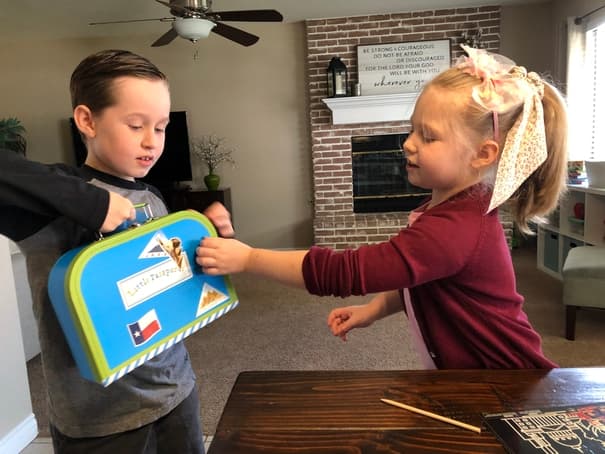
The core mission of Little Passports is fostering global citizenship and cultural awareness. Children receive an initial "starter suitcase" and subsequently travel the globe month-by-month, earning stamps in a physical passport while completing regional art projects, geography puzzles, and science experiments.
Why Parents Love It:
- Multidisciplinary Approach: Seamlessly blends humanities (geography, history, culture) with hard sciences.
- Gamified Engagement: The passport and luggage theme creates sustained longitudinal interest over many months.
- Award-Winning Structure: Widely recognized for its clean, intuitive lesson layout and high-yield engagement metrics.
5. Green Kid Crafts: Eco-Friendly STEAM Learning
- Target Audience: Environmentally conscious families seeking art-infused science projects.
Overview
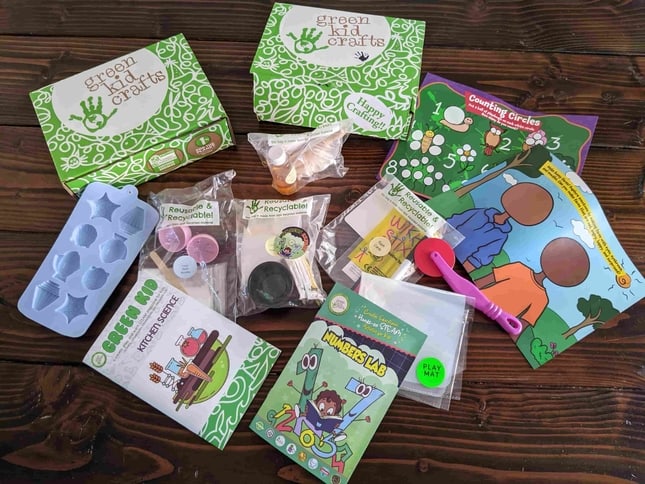
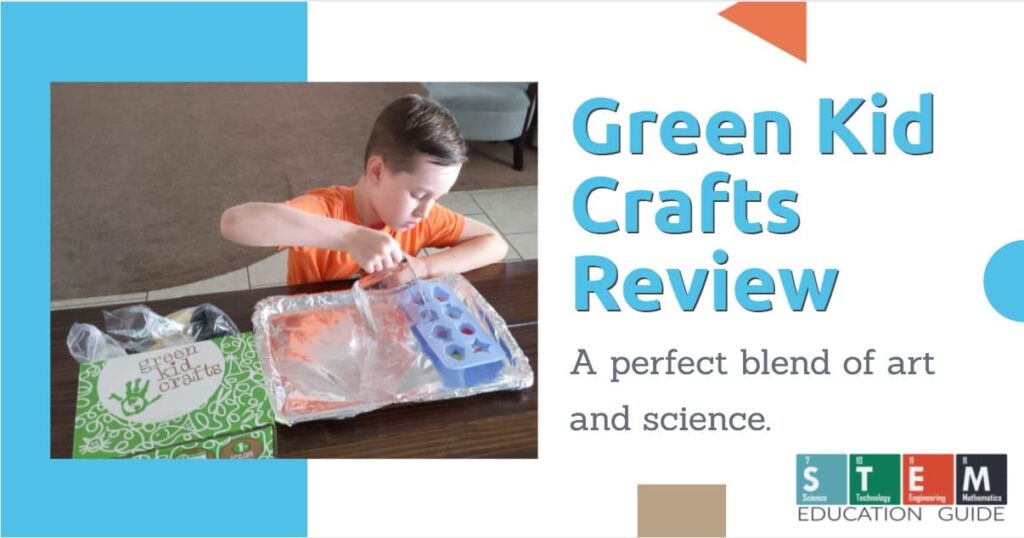
Founded by an environmental scientist and mother, Green Kid Crafts bridges the gap between STEM and the arts (STEAM) while emphasizing sustainability. All materials utilized in their boxes are eco-friendly, carbon-neutral, and ethically sourced.
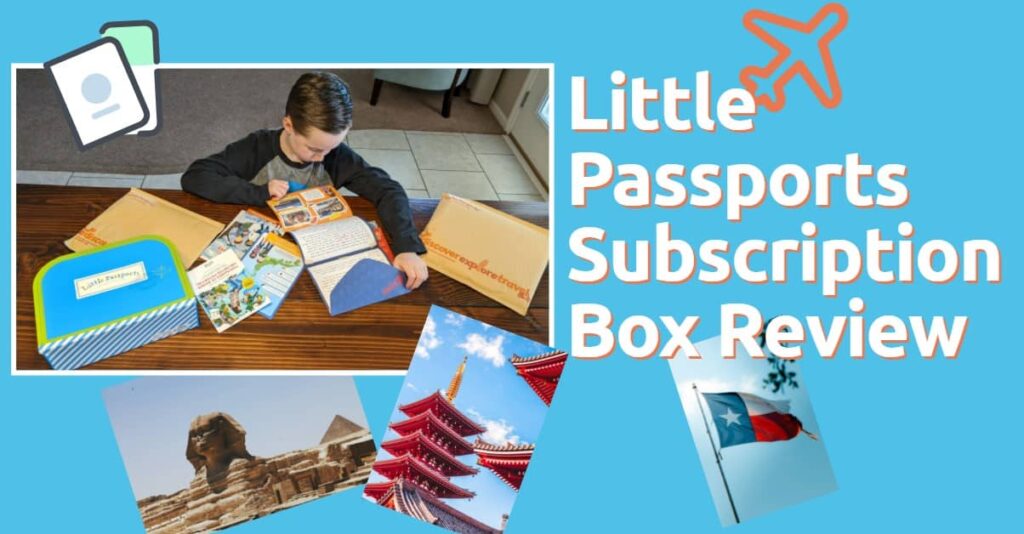
The curriculum integrates ecological awareness into scientific investigations. For instance, a unit on marine biology might involve building a working water filtration model while simultaneously creating recycled art pieces that depict ocean conservation themes.
Why Parents Love It:
- Environmental Ethos: Instills conservation values alongside core scientific principles.
- True STEAM Integration: Equal weight is given to creative arts and technical design.
- Broad Age Adaptability: Offers flexible options across multiple developmental stages.
6. The Curiosity Box: Advanced Science for Teens
- Target Audience: Adolescents aged 13 and up.
- Delivery Schedule: Seasonal (quarterly / every three months).
Overview
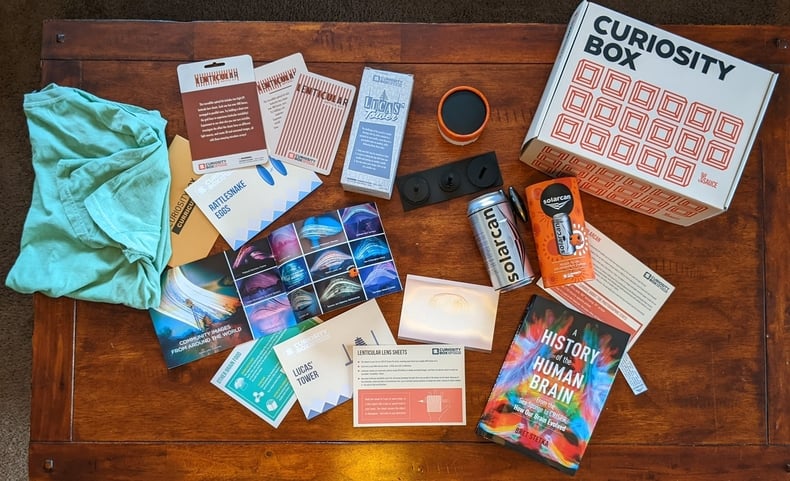
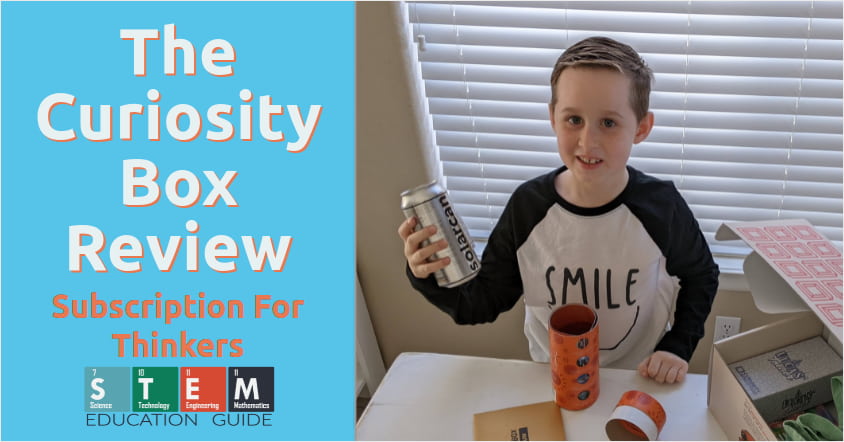
Most subscription boxes cater to young children, leaving teenagers underserved. The Curiosity Box directly targets this gap. Founded by Vsauce, a premier digital science education network, this subscription is designed for older teens and adults who possess a genuine appetite for advanced scientific phenomena.
Operating on a seasonal delivery model, boxes contain high-grade scientific instruments and experimental apparatuses—such as functional Newton’s cradles, plasma orbs, optical illusion kits, and high-level mathematical puzzles.
Why Parents Love It:
- Intellectual Rigor: Avoids "dumbing down" concepts, challenging teenagers with sophisticated items.
- High-Value Artifacts: The items included are permanent, durable science tools rather than disposable craft supplies.
- Quarterly Cadence: Provides ample time for deep, unhurried exploration between shipments.
7. Womple Box: Story-Driven Geography and Science
- Target Audience: Dinobox (ages 3–5) and Womple Box (ages 6–11).
Overview
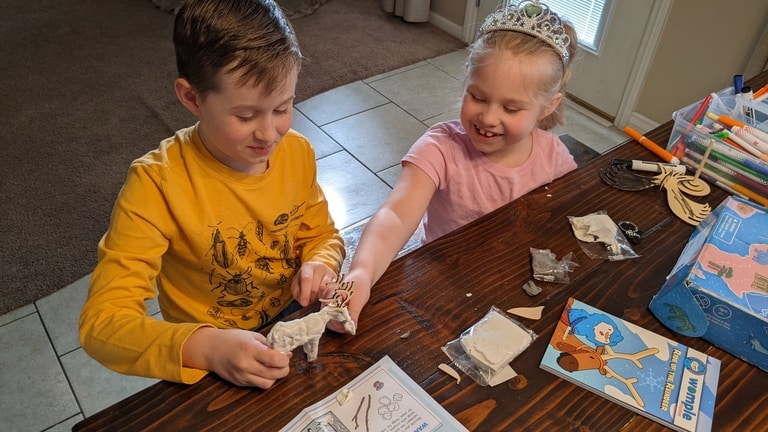
Womple Box leverages narrative-driven education. By combining geography, storytelling, and hands-on STEAM projects, the subscription follows a recurring character ("Womple") on global adventures.
Children explore different countries and ecosystems through illustrated adventure books, thematic maps, and related project kits. Additionally, their specialized Dinobox line caters directly to early-childhood paleontology and sensory-rich, project-based learning.
Why Parents Love It:
- Narrative Engagement: Storybooks hook reluctant readers and provide cultural context for the hands-on projects.
- Age-Specific Specialization: Clear division between toddler-friendly sensory play and elementary-aged geography/science tasks.
Official Statements & Industry Insights
Educational experts and industry leaders continue to emphasize the importance of independent, tactile problem-solving in modern childhood development.
"When children are given the tools to construct, test, and fail on their own terms within a supported framework, they develop more than technical proficiency—they build emotional resilience and cognitive flexibility. The modern subscription box model removes the logistical friction for parents, allowing these critical learning moments to occur naturally at the kitchen table."
— Dr. Elena Vance, Child Cognitive Development Researcher
Industry data reflects this sentiment. Consumer reports indicate that the educational subscription market has maintained steady double-digit growth, driven largely by parents seeking alternatives to passive digital media consumption.
Future Outlook: Where Are STEM Subscriptions Heading?
As educational technology and consumer preferences evolve, the next generation of subscription boxes is expected to incorporate several key innovations:
- Immersive Digital Integration: Expect a balanced blend of physical building blocks with optional augmented reality (AR) app overlays that bring static models to life, offering deeper analytical insights without replacing the physical tactile experience.
- Sustainable Manufacturing: With growing ecological awareness, brands will increasingly transition toward 100% biodegradable packaging, compostable project materials, and ethically sourced timber.
- Personalized Curriculum Pathways: Future subscriptions will likely offer modular customization, allowing parents to tailor incoming boxes to a child’s shifting specific interests—whether they lean toward robotics, biochemistry, or environmental conservation.
Final Verdict: How to Choose the Right Box
Selecting the ideal subscription box ultimately depends on your child’s intrinsic interests and developmental stage:
- For Toddlers (0–4): Lovevery offers unmatched Montessori-aligned developmental value.
- For Mechanical Engineering & Building: CrunchLabs provides unbeatable, maker-focused challenges.
- For Hard Sciences & Chemistry: MEL Science delivers rigorous, laboratory-style experiments.
- For Geography & Culture: Little Passports and Womple Box excel through storytelling and global exploration.
- For Eco-Conscious Art & Science: Green Kid Crafts provides wonderful STEAM integration.
- For Teenagers: The Curiosity Box offers sophisticated scientific tools for older minds.
By aligning the subscription with your child’s natural curiosity and embracing the messy, trial-and-error nature of hands-on learning, you can transform ordinary afternoons into launching pads for lifelong inquiry.

