
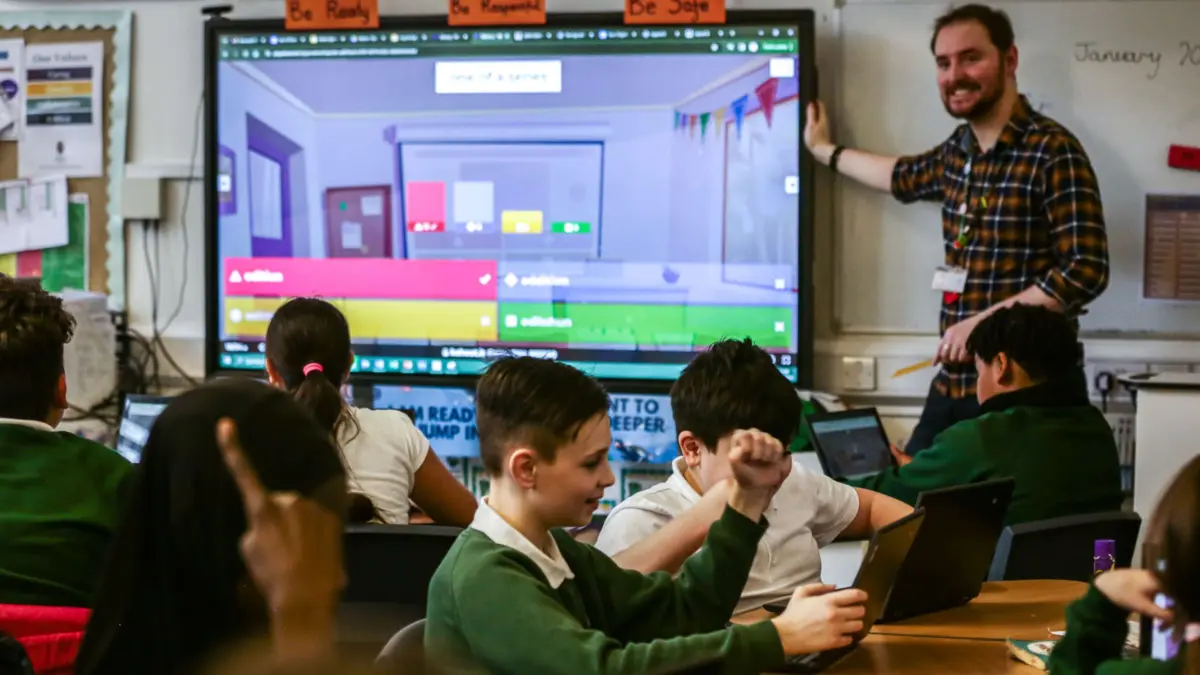
Executive Overview
As educators worldwide gear up for the commencement of a new academic year, the perennial challenge of maximizing student engagement, bridging educational gaps, and modernizing pedagogical delivery takes center stage. In an educational landscape increasingly shaped by rapid technological evolution and post-pandemic learning disparities, the pressure on teachers to deliver differentiated, impactful instruction has never been higher. Entering this fray with a robust suite of solutions is Kahoot!, the global game-based learning platform, which has unveiled an expansive array of new features designed specifically to target core classroom hurdles.
From addressing device scarcity through unplugged learning modalities to leveraging artificial intelligence to slash lesson preparation times, Kahoot!’s latest updates represent a significant shift in edtech design. Rather than merely offering digital quizzes, the platform is positioning itself as a comprehensive pedagogical ecosystem. This strategic rollout addresses complex modern educational demands: remediating foundational math deficits, fostering critical thinking among older adolescents through open-ended inquiry, and democratizing language acquisition across more than fifty languages.
This report provides an exhaustive, authoritative examination of Kahoot!’s latest technological and pedagogical interventions for the academic year. By evaluating the mechanics of these new tools—ranging from the Classic Unplugged Mode and Math Missions to the newly integrated Kahoot! Assistant—we explore how these innovations are redefining the boundaries of interactive learning, teacher workflow optimization, and equitable classroom participation.
Detailed Chronology: The Evolution of Classroom Engagement Technologies
To understand the weight of Kahoot!’s current product release, it is essential to contextualize its development within the broader timeline of educational technology. Over the past decade, gamified learning transitioned from a novel, peripheral instructional strategy into a core pillar of contemporary pedagogy. However, this evolution has not been without systemic friction.
Phase One: The Bring-Your-Own-Device (BYOD) Era and Its Discontents
In its early iterations, Kahoot! capitalized on the proliferation of smartphones and tablets in schools. The promise was simple: transform passive lecture halls into vibrant, competitive arenas where every student interacted via their personal screen. While this model catalyzed unprecedented engagement levels, it quickly collided with the socioeconomic realities of modern education.
Disparities in device access immediately fractured classrooms. Schools serving low-income demographics frequently struggled to maintain reliable device fleets, leading to the digital divide manifesting directly at the student desk. Furthermore, as screen-time fatigue gained empirical backing among child psychologists and educators, a counter-movement emerged advocating for "unplugged" pedagogical strategies that balance digital interactivity with tactile, screen-free collaboration.
Phase Two: Remediation and the Post-Pandemic Gap
The global disruptions of the early 2020s exacerbated foundational skill gaps, particularly in mathematics and literacy. Educators found themselves grappling with unprecedented learning loss. Traditional, one-size-fits-all worksheets proved inadequate for diagnosing and closing these chasms. Edtech developers faced an urgent imperative: shift from entertainment-focused gamification to targeted, data-driven remediation tools that could operate adaptively at scale.
Phase Three: The AI Integration and Holistic Ecosystem (Current Era)
Today, Kahoot!’s latest release bridges the gaps of the preceding phases. By introducing multimodal learning experiences—ranging completely screen-free formats to sophisticated artificial intelligence (AI) assistants—the platform addresses both device equity and teacher burnout.
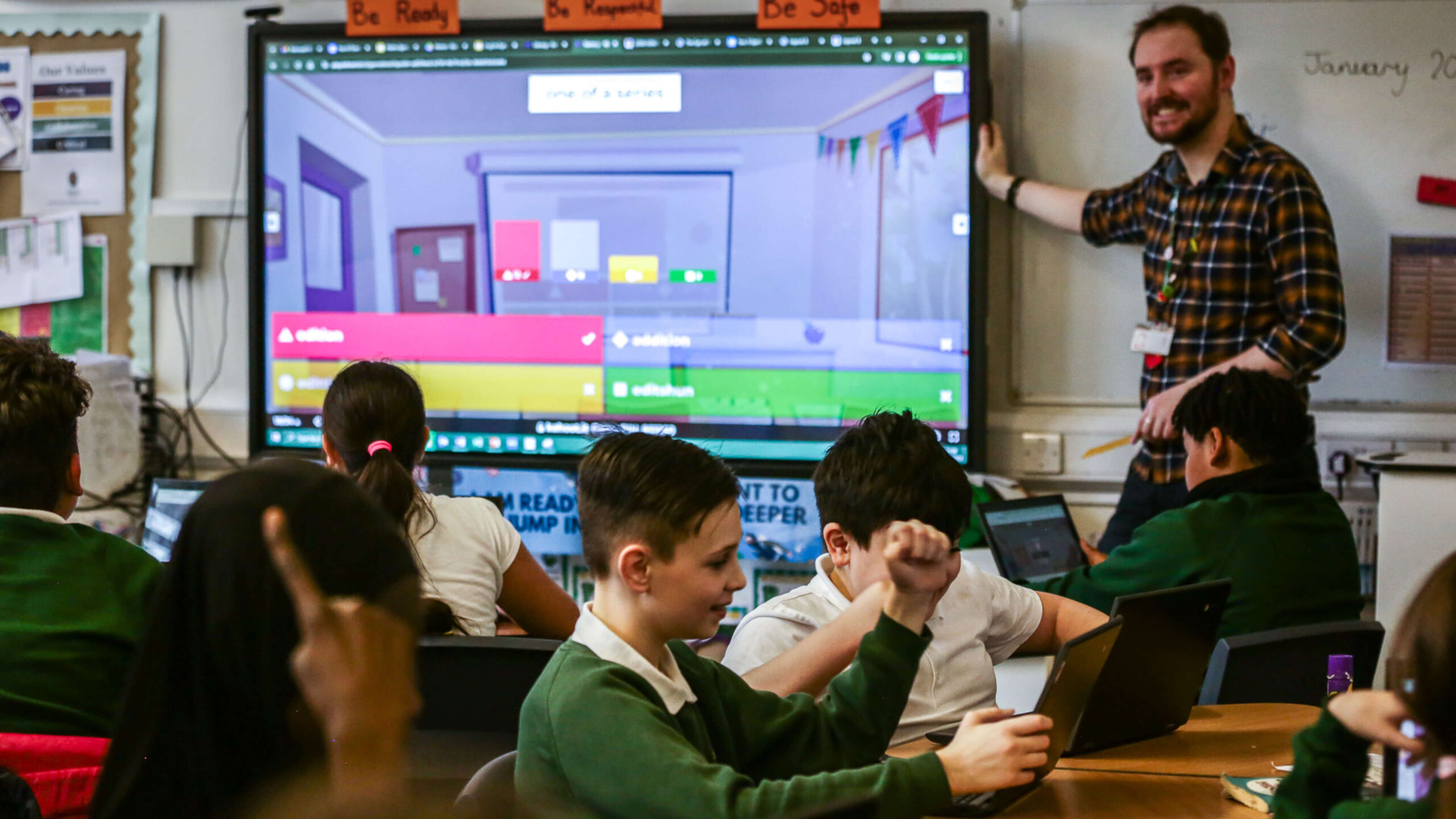
The chronological rollout of these tools reflects a mature understanding of teacher workflows. The deployment of the Kahoot! Assistant leverages generative AI to convert static lesson materials—such as raw PDFs, URLs, and slide decks—into dynamic interactive modules within seconds. Simultaneously, the introduction of Classic Unplugged Mode and Team Tiles directly resolves the hardware bottleneck, ensuring that schools with limited device budgets can still reap the cognitive and social benefits of game-based learning.
[2013-2018: BYOD Era]
      │
      ▼ (Inequitable device access, screen fatigue)
[2019-2023: Remediation Focus]
      │
      ▼ (Need for adaptive learning, post-pandemic gaps)
[Current Era: Holistic Ecosystem & AI Integration]
  ├── Classic Unplugged Mode & Team Tiles (Hardware equity)
  ├── Math Missions & Language Learning (Targeted remediation)
  └── Kahoot! Assistant & Open-Ended Questions (Workflow & Critical Thinking)
Supporting Context & Metrics: Addressing Systemic Classroom Challenges
To fully appreciate the design philosophy behind Kahoot!’s new suite, one must examine the empirical realities driving modern classrooms. Teacher attrition rates, driven largely by administrative burdens and lesson preparation fatigue, remain at historic highs across Western educational markets. According to recent educational labor statistics, teachers spend an average of 10 to 12 hours per week outside of instructional time on lesson planning, resource curation, and administrative reporting.
The Lesson Preparation Bottleneck
The Kahoot! Assistant is engineered precisely to disrupt this unsustainable metric. By automating the extraction of key concepts from complex source materials and structuring them into pedagogically sound multiple-choice, puzzle, or brainstorm formats, the tool promises to reclaim up to 70% of lesson design time. In rigorous testing environments, educators utilizing AI-assisted content creation reported a marked reduction in pre-class anxiety and a corresponding increase in the frequency with which they incorporated formative assessments into their weekly routines.
Bridging the Math and Language Divides
Educational analytics consistently highlight mathematics as a primary stumbling block in secondary education progression. The integration of Math Missions addresses this through self-paced, adaptive learning algorithms. Unlike static quizzes, Math Missions dynamically evaluate a student’s response patterns in real time, subtly adjusting difficulty curves to prevent cognitive overload while maintaining an optimal zone of proximal development.
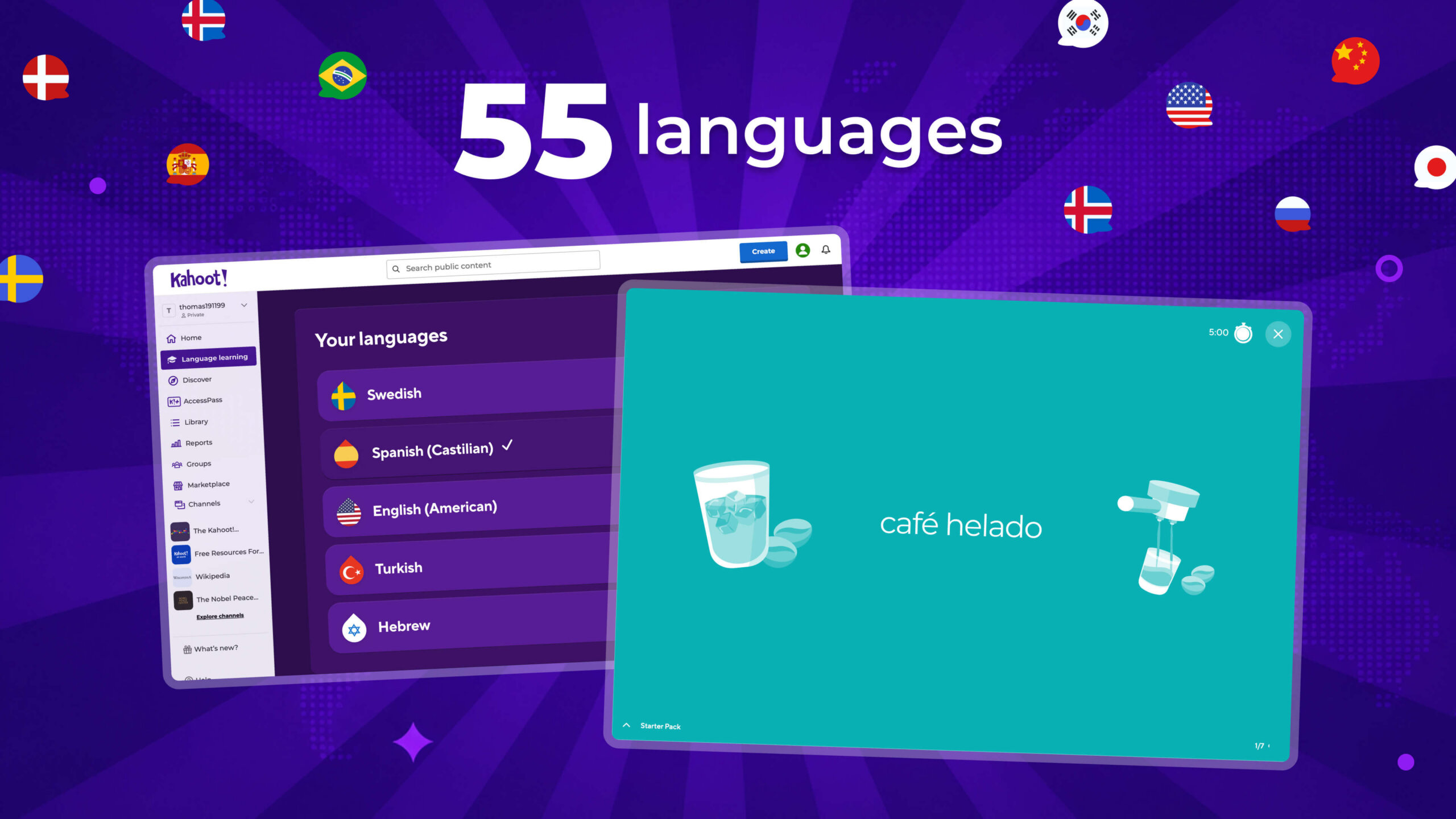
Similarly, the inclusion of Kahoot! Languages—supporting over 55 distinct languages—directly addresses the linguistic diversity of modern classrooms. By transforming vocabulary acquisition into gamified micro-lessons, the platform aids English Language Learners (ELLs) and foreign language students alike in building conversational confidence without the friction associated with traditional rote memorization.
Official Statements and Pedagogical Frameworks
The intentionality behind these product updates is underscored by statements from educational leaders and product architects within the Kahoot! organization, who emphasize a shift toward inclusive, flexible, and cognitively rigorous learning environments.
"The beginning of the academic year is a critical juncture where the trajectory of student success is established," notes a senior pedagogical strategist at Kahoot!. "Our objective with this new release was not merely to add features, but to solve structural bottlenecks that teachers face daily—whether that is managing a classroom without sufficient devices, tackling stubborn math gaps, or simply trying to survive the unending cycle of lesson preparation."
Deconstructing the Unplugged Experience
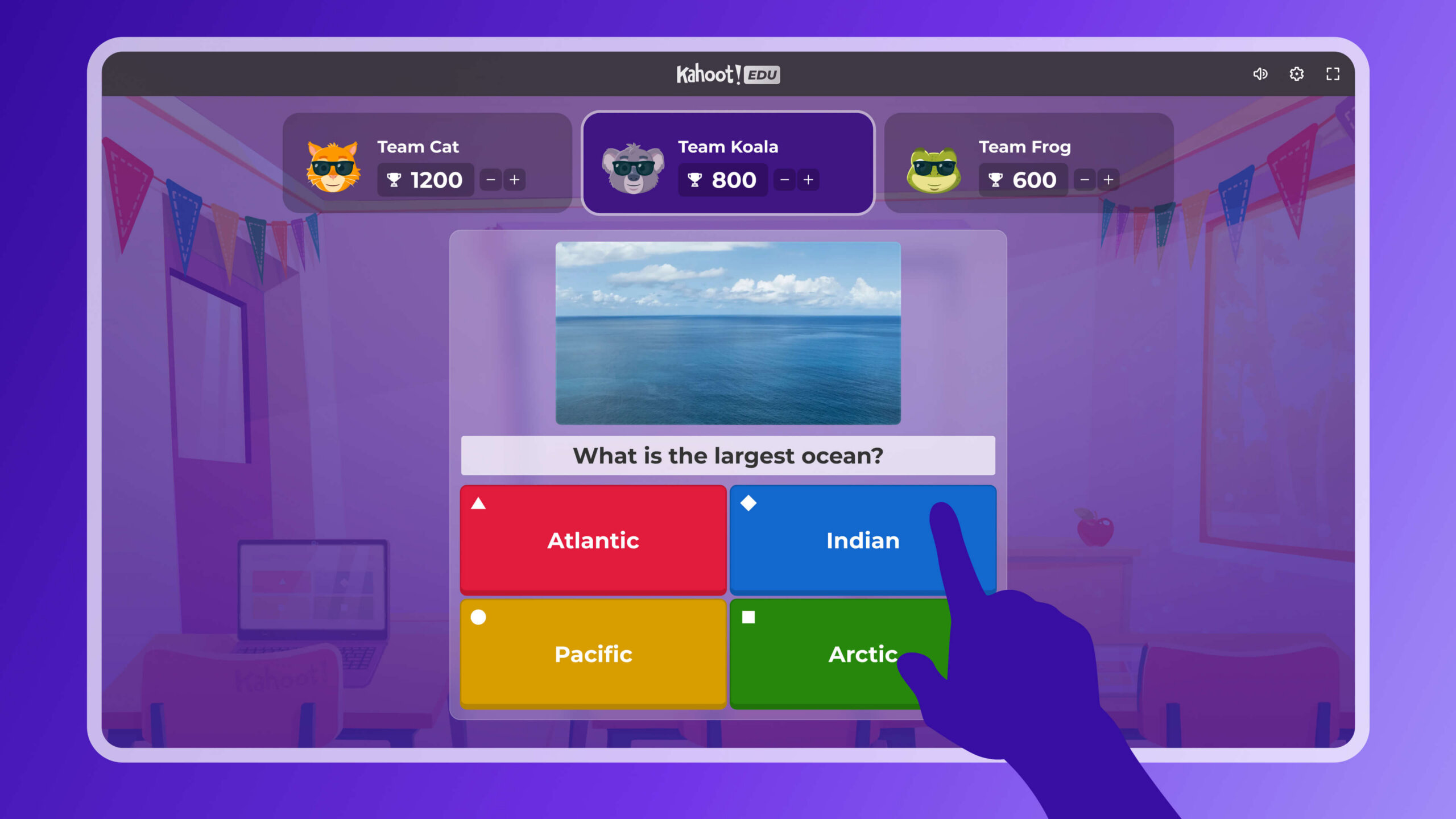
The introduction of the Classic Unplugged Mode and Team Tiles represents a philosophical maturation for a company historically synonymous with individual device interaction. By projecting a game board onto a shared central display while students utilize physical response cards, verbal consensus, or collaborative team-based tiles, the methodology aligns with socio-constructivist learning theories.
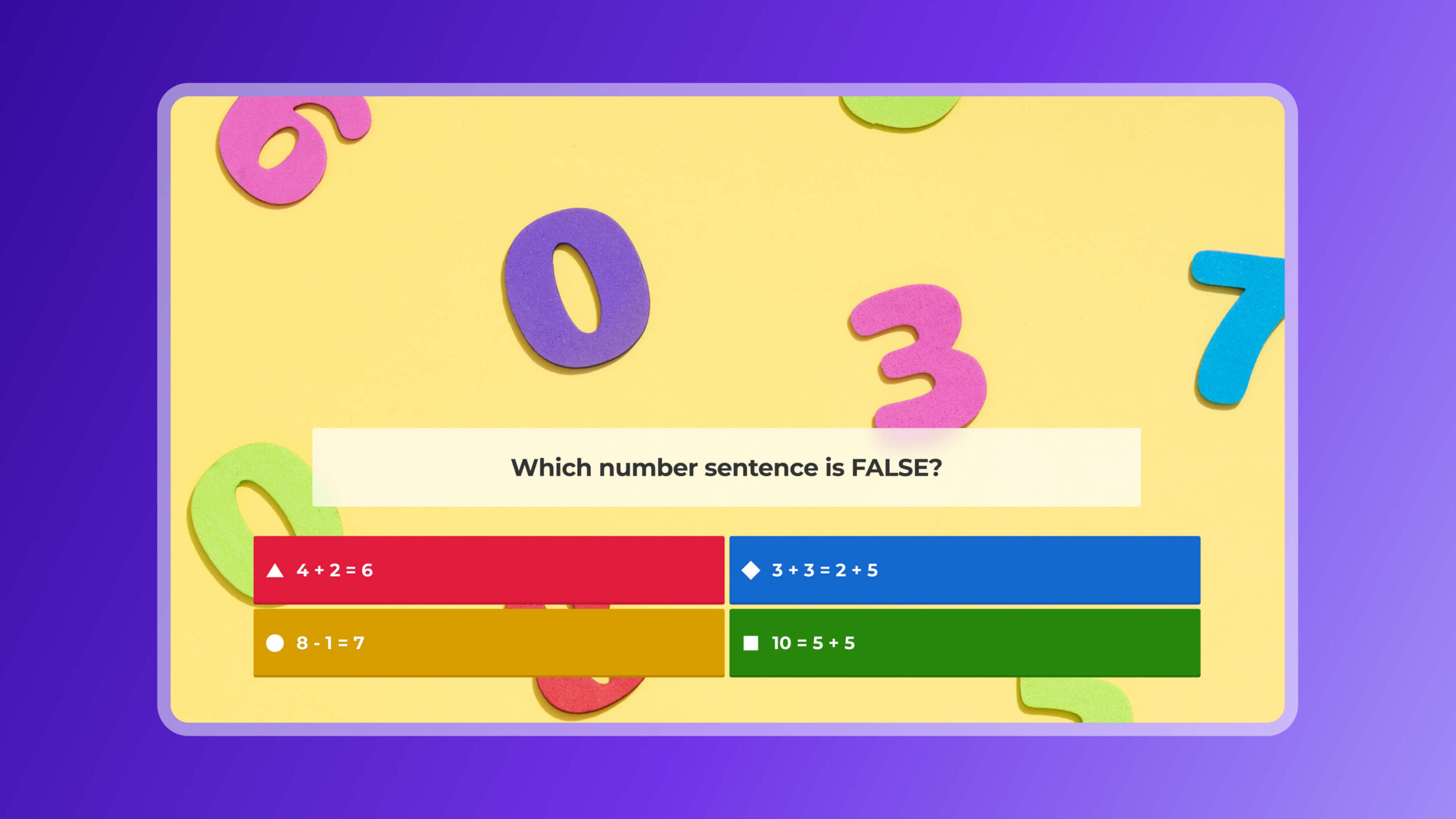
Lev Vygotsky’s framework of social development emphasizes that cognitive functions originate in social interactions. By forcing students to deliberate collaboratively within teams (such as Team Cat, Team Koala, and Team Frog) before committing to an answer, these unplugged modes foster peer scaffolding and verbal argumentation—skills that isolated screen-based interactions can occasionally bypass.
Cultivating Critical Thinking via Open-Ended Inquiry
For students aged 16 and older, the stakes of education shift from foundational retention to abstract synthesis and critical analysis. The deployment of Open-Ended Question Types and advanced brainstorming canvases addresses this pedagogical requirement.
Moving beyond the binary constraints of multiple-choice formats, open-ended queries compel learners to articulate complex thoughts, defend historical interpretations, or propose scientific hypotheses. When displayed via digital sticky-note matrices, these responses transform the classroom into a dynamic discursive forum, giving voice to introverted students who may hesitate to speak up during traditional Socratic dialogues.
Detailed Feature Analysis
To provide educators and administrators with a granular understanding of how these tools function in practice, we break down the core components of the new academic release.
1. Hardware Equity: Classic Unplugged Mode and Team Tiles
- The Mechanism: The instructor projects the game interface via a smartboard or projector. Students do not log in via personal devices. Instead, they operate in structured groups or utilize physical flashcards representing distinct answer choices.
- Pedagogical Benefit: Eliminates digital distractions, transcends socioeconomic hardware disparities, and revitalizes kinesthetic and interpersonal communication within the physical classroom.
2. Targeted Remediation: Math Missions
- The Mechanism: A standalone, highly flexible adaptive math program. The system maps out learning pathways ranging from basic number sense to advanced algebra.
- Pedagogical Benefit: Serves as an automated intervention tool. It catches struggling learners before they fall hopelessly behind, providing low-stakes, self-paced practice that builds mathematical resilience.
3. Linguistic Inclusivity: Kahoot! Languages
- The Mechanism: Micro-lessons spanning more than 55 languages, blending visual cues with high-energy gamified repetition.
- Pedagogical Benefit: Offers a unified tool for warm-up exercises, multi-player vocabulary reviews, and friction-free homework assignments, easing the cognitive load for bilingual and multilingual cohorts.
4. Higher-Order Cognition: Open-Ended Questions and Brainstorming
- The Mechanism: Tailored specifically for students aged 16+, these tools allow learners to type free-form text responses that populate real-time visual clusters (such as digital sticky-note walls).
- Pedagogical Benefit: Encourages deep critical thinking, drives formative assessment insights for educators, and facilitates safe, anonymous or attributed peer-to-peer exploration of complex topics.
5. Workflow Automation: The Kahoot! Assistant
- The Mechanism: A generative AI backend capable of ingesting URLs, academic documents, PDFs, or legacy slide decks to auto-generate customized quizzes and learning modules.
- Pedagogical Benefit: Massively reduces teacher preparation fatigue, allowing educators to reallocate critical hours toward direct student mentorship and emotional support.
Future Outlook: The Trajectory of Gamified Pedagogy
As we look toward the horizon of educational technology, the boundary between digital enhancement and physical classroom reality will continue to dissolve. Kahoot!’s latest suite offers a glimpse into a sustainable future for edtech—one where artificial intelligence acts as an administrative copilot rather than a replacement for human mentorship, and where digital tools remain flexible enough to accommodate the analog realities of resource-constrained schools.
The emphasis on unplugged modalities signals an important maturation in the industry: acknowledging that technology is a powerful medium, but not the exclusive message. By providing scalable solutions for math remediation, linguistic diversity, and critical inquiry, platforms like Kahoot! are proving that the future of learning lies not in isolation behind screens, but in collaborative, data-informed, and joy-infused human connection.
For educators seeking to leverage these tools immediately, comprehensive onboarding courses—such as the institutional training module titled "Everything You Need to Know for a Strong Start to the New School Year"—are currently available via the platform’s creator channels. Whether deploying the enterprise-grade toolkits found in Kahoot!+ Gold for K-12 and higher education, or utilizing foundational free tiers, the academic year ahead promises a more empowered, less overburdened teaching community.

