In the modern educational landscape, the middle and high school classroom functions as a dynamic microcosm of society. Bringing together a diverse group of adolescents—each with unique backgrounds, learning styles, emotional barometers, and social expectations—inevitably generates friction. From academic disputes over science project methodologies and social exclusion within peer groups to perceived slights like conversational interruptions, daily friction is an inescapable reality of adolescent group dynamics.
Historically, institutional responses to classroom friction have leaned heavily on reactive disciplinary measures: punitive suspensions, mandatory detentions, and authoritarian interventions. However, contemporary pedagogical research underscores a paradigm shift. True conflict resolution in education is not about eliminating disagreements altogether. Rather, the objective is to proactively equip kids and teens with the emotional intelligence, communication tools, and psychological frameworks needed to independently manage and resolve conflicts in healthy, constructive ways.
By prioritizing proactive social-emotional learning (SEL), educators can transform inevitable classroom clashes into critical milestones for personal growth. Implementing comprehensive conflict resolution strategies does more than maintain classroom order; it fosters robust interpersonal relationships, enhances self-advocacy, and establishes foundational life skills that extend far beyond the schoolyard.
Detailed Chronology: The Evolution of Classroom Behavior Management
To understand the current emphasis on proactive conflict resolution, it is instructive to examine the chronological evolution of how educational institutions have approached student behavior over the past several decades.
The Era of Retributive Discipline (Mid-to-Late 20th Century)
For generations, school discipline operated primarily on a retributive model. The core philosophy dictated that rule-breaking or interpersonal friction required punishment to deter future infractions. Classrooms relied on strict, teacher-led control where dialogue was secondary to obedience. When conflicts arose between students, educators typically acted as swift arbiters—assigning blame, handing out consequences, and forcing superficial reconciliations without addressing the underlying emotional or social mechanics of the disagreement.
The Rise of Positive Behavioral Interventions and Supports (PBIS) (Early 2000s)
As educational psychology evolved, schools began recognizing the limitations of purely punitive models. The introduction of frameworks like PBIS marked a significant turning point. Educators shifted toward defining, teaching, and supporting appropriate student behaviors rather than simply punishing bad ones. However, while PBIS successfully addressed macro-level school climate issues, individual interpersonal conflicts among adolescents still frequently overwhelmed academic instructional time.
The Modern SEL and Proactive Paradigm (Present Day)
Today, educational experts view conflict not as an aberration to be stamped out, but as a teachable moment. Modern classrooms integrate Social-Emotional Learning (SEL) directly into daily routines. Educators no longer wait for a physical altercation or a screaming match to intervene. Instead, they explicitly teach active listening, emotional regulation, and structured problem-solving from day one. This proactive timeline ensures that when adolescents inevitably face academic disagreements or social friction, their brains are primed to access rational decision-making pathways rather than primitive survival reflexes.
Supporting Context & Metrics: The Science of Adolescent Conflict
The adolescent brain is a work in progress. Neurological research provides profound context for why middle and high school students struggle with emotional regulation during conflicts and why explicit training is non-negotiable.
The Amygdala Hijack vs. Prefrontal Cortex Control
When an adolescent feels overwhelmed, insulted, or deeply stressed during a disagreement, a primitive part of their brain called the amygdala takes over. This triggers the classic "fight, flight, or freeze" response center, flooding the body with stress hormones and rendering the student impulsive, hyper-reactive, and emotionally charged.
Conversely, when students are calm, relaxed, and equipped with emotional tools, the prefrontal cortex—the region responsible for executive functioning, planning, long-term decision-making, and empathy—assumes control. Because adolescent brains are still developing, teenagers and young adults require systematic, explicit support to activate their "inner calm" during stressful situations.
The Ripple Effects of Conflict Resolution Training
Implementing structured conflict resolution strategies yields measurable improvements across the educational ecosystem:
Enhanced Academic Engagement: Classrooms that successfully navigate interpersonal friction experience fewer instructional disruptions, leading to higher rates of academic task completion.
Reduction in Bullying and Exclusion: Proactive social skills training equips bystanders and victims with self-advocacy tools, dramatically reducing covert relational aggression.
Long-Term Societal Impact: Longitudinal studies in emotional intelligence suggest that students who master constructive disagreement and active listening in their youth exhibit lower rates of workplace conflict and higher emotional resilience in adulthood.
Official Statements: Educator Insights and Pedagogical Frameworks
Educational leaders and curriculum designers emphasize that integrating conflict resolution into daily instruction is not an optional "extra," but a core component of academic rigor.
"Conflict is not a sign of a broken classroom; it is a sign of a living, breathing community of human beings. When we teach students how to disagree respectfully, we are teaching them how to participate in a democratic society." — Dr. Elena Vance, Professor of Educational Psychology
Experts stress that teachers must move away from top-down arbitration and toward guided student empowerment.
"If we always step in to solve our students’ interpersonal problems, we rob them of the opportunity to build resilience. Our job is to provide the scaffolding—through active listening protocols, calming strategies, and scenario-based discussions—so they can construct their own peaceful solutions." — Marcus Holloway, High School Administrator and SEL Consultant
Comprehensive Implementation Strategies for the Classroom
To bring these principles to life, educators utilize a robust suite of strategies designed specifically for middle and high school learners.
1. Focus on Relationship Building
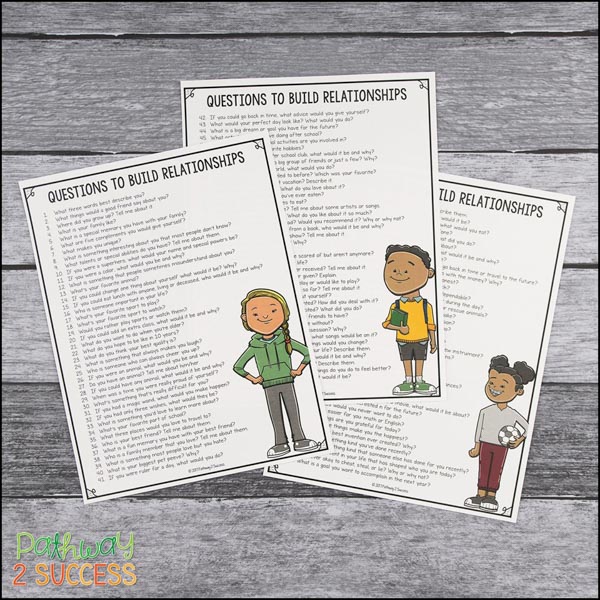
The bedrock of effective conflict resolution is relational trust. Students are far more willing to compromise and communicate openly when they feel genuinely connected to their peers and teachers. Educators can foster this environment by facilitating daily or weekly group conversations utilizing relationship-building prompt questions that open the door to meaningful dialogue.
2. Explicitly Teach Conflict Resolution and Scenario Discussions
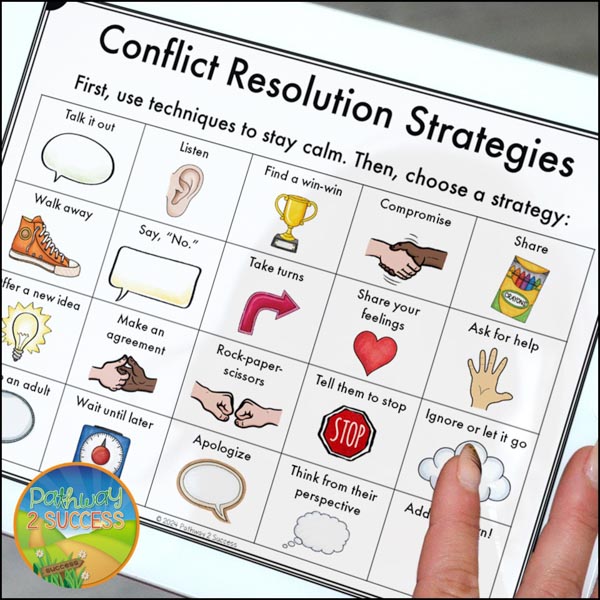
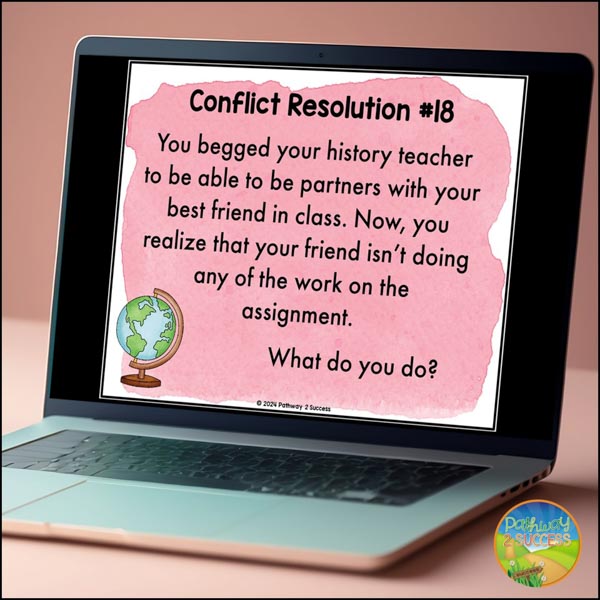
Proactive instruction means preparing students for friction before it occurs. Educators can utilize curated conflict resolution scenario cards to present real-life dilemmas in a safe, low-stakes environment. Students read the situation, analyze the underlying problem, and brainstorm multiple healthy strategies for resolution.
3. Cultivate Active Listening
True active listening goes beyond remaining silent while someone else speaks; it requires listening to understand rather than simply waiting for a turn to reply. Teachers can embed active listening drills directly into subject-area assignments, encouraging students to paraphrase peer statements before offering counterpoints.
4. Practice Calming Strategies
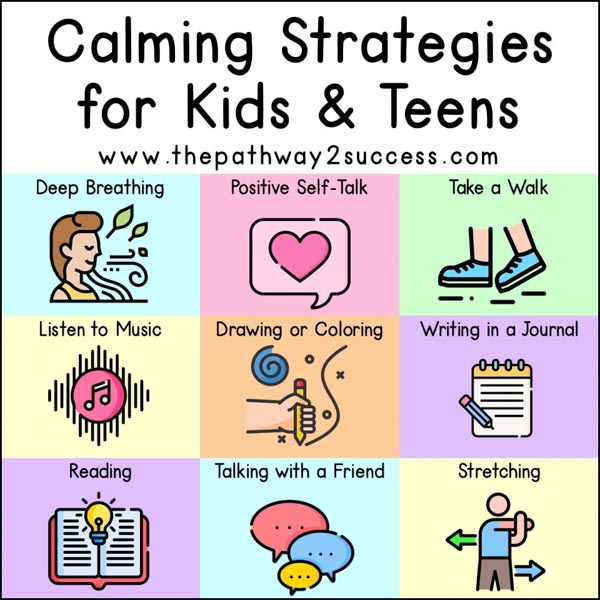
Because the adolescent amygdala can quickly hijack rational thought, teaching physiological calming techniques is vital. Educators can integrate deep breathing exercises, positive self-talk, reflective journaling, or brief "brain breaks" into transitions. For example, pausing for a minute of quiet coloring or mindful breathing before a high-stakes assessment grounds students and reactivates their prefrontal cortex.
5. Hold Structured Class Meetings
Class meetings offer a predictable, semi-structured forum where students can collectively address classroom climate issues, air grievances constructively, and participate in collaborative problem-solving. This democratic approach ensures every student has a voice in maintaining a healthy classroom culture.
6. Encourage Self-Advocacy and Respectful Disagreement
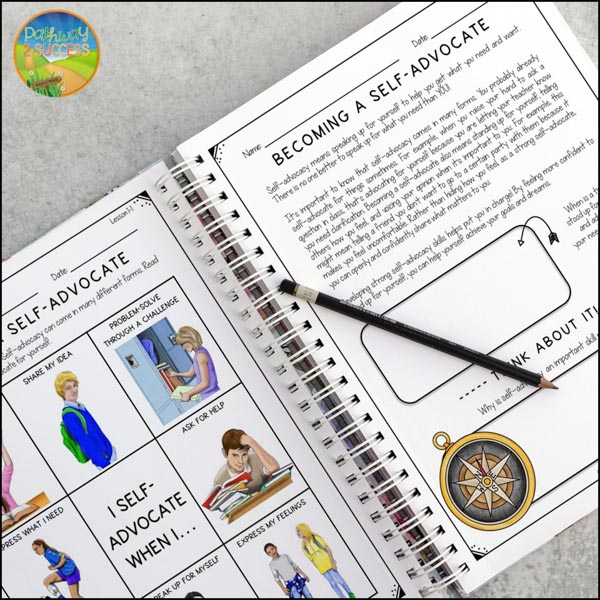
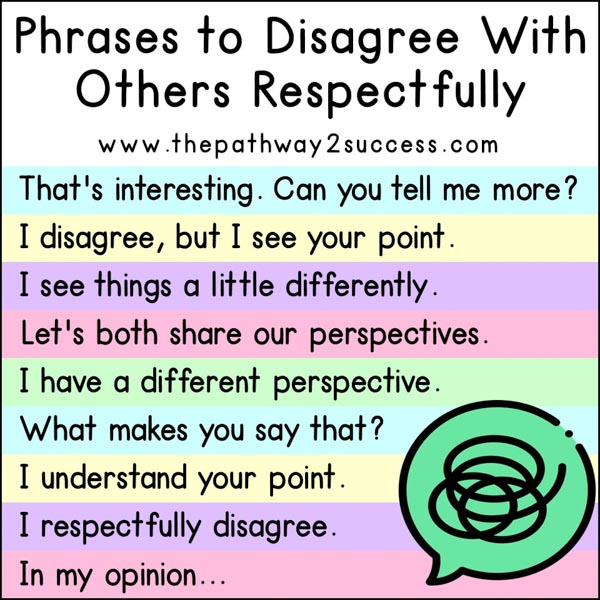
Conflict resolution and self-advocacy are deeply interconnected. Students must learn to articulate their boundaries—whether that means asking an adult for academic help or firmly and politely saying "no" to uncomfortable peer pressure. Furthermore, teaching specific phrases for respectful disagreement (e.g., "I see your point, but I look at it differently because…") transforms arguments into productive debates. High-interest topics—such as discussing favorite music genres, historical figures, or hypothetical inventions—provide ideal, low-conflict practice grounds for these conversational skills.
7. Utilize Visual Reminders and Daily Reflections
Classroom bulletin boards featuring visual reminders, conflict resolution steps, and de-escalation strategies serve as constant, passive anchors for positive behavior. Additionally, dedicating the final 5 to 10 minutes of the school day to reflective questioning allows students to evaluate what worked well, take ownership of their interpersonal choices, and plan for personal growth ahead.
Future Outlook
As educational institutions continue to navigate the complexities of the 21st century, the integration of conflict resolution strategies into middle and high school classrooms will only grow in importance. The future of education lies in recognizing that academic mastery and emotional intelligence are inextricably linked.
By systematically moving away from reactive punishment and embracing proactive, skill-building frameworks—such as relationship mapping, active listening drills, structured class meetings, and self-advocacy training—schools are shaping a new generation of resilient thinkers. Ultimately, empowering adolescents to resolve their own disputes transforms the classroom from a potential battleground of competing egos into a thriving laboratory for empathy, collaboration, and lifelong success.