
Executive Overview
In the landscape of early childhood education and foundational literacy, the transition from spoken language to written text remains one of the most intellectually demanding milestones a young learner must navigate. Decoding words requires a seamless synthesis of phonemic awareness—the ability to identify and manipulate individual sounds in spoken words—and phonics, the cognitive bridge connecting those sounds to their corresponding written letters (graphemes).
Amid ongoing national conversations regarding evidence-based reading instruction, This Reading Mama, a prominent educational resource platform, has released a newly developed instructional tool: the FREE Ending Digraph Puzzles. Designed specifically to target terminal letter combinations, this hands-on, multi-sensory resource aims to demystify complex phonetic concepts for early readers.
This report provides an exhaustive review of the Ending Digraph Puzzles initiative, analyzing its underlying pedagogical framework, classroom implementation strategies, and the broader implications of targeted phonics interventions in contemporary education. By exploring how tools of this nature address longstanding challenges in literacy acquisition, educators and administrators can better understand the critical mechanics behind effective reading instruction.
Detailed Chronology and Development of the Resource
The conceptualization and rollout of the Ending Digraph Puzzles stem from years of classroom observation and digital resource development by literacy advocates. Understanding the precise timeline and operational mechanics of this release highlights how modern educational content moves from pedagogical theory to practical classroom application.
Phase I: Identifying the Instructional Gap
For years, educators have noted a distinct hurdle when children transition from simple consonant-vowel-consonant (CVC) words to more complex structures containing digraphs and blends. While beginning digraphs (such as ch- or sh-) often receive substantial classroom attention, ending digraphs and trigraphs frequently present unique auditory and visual challenges. Recognizing this gap, curriculum developers began structuring a resource that would visually and auditorily isolate terminal sounds.

Phase II: Design and Linguistic Curation
The development phase focused heavily on selecting the appropriate linguistic units. The resulting puzzle pack features a carefully curated selection of ending digraphs and trigraphs essential for early reading development:
- ch (e.g., bench)
- sh (e.g., fish)
- th (e.g., bath)
- ck (e.g., sock, duck)
- ph (e.g., graph)
- tch (e.g., catch)
Each puzzle was engineered to combine visual imagery with segmented letter pieces, ensuring that learners must engage both auditory processing and visual recognition simultaneously.
Phase III: Digital Distribution and Accessibility
To maximize reach among educators, homeschoolers, and parents, the resource was deployed through a direct-download framework via This Reading Mama’s digital library ecosystem. Accompanied by supplementary guides on distinguishing between blends and digraphs, the release represents a broader movement toward accessible, high-yield, no-cost instructional materials designed to support differentiated learning environments.
Supporting Context & Metrics: The Science of Reading and Phonics
To fully grasp the significance of the Ending Digraph Puzzles, one must examine the empirical data and cognitive science underpinning modern literacy instruction, frequently referred to as the "Science of Reading."
The Cognitive Mechanics of Phonemic Awareness
Phonemic awareness is widely recognized by cognitive psychologists and literacy experts as a foundational prerequisite for successful reading comprehension. According to extensive research compiled by the National Institute of Child Health and Human Development (NICHD), children who struggle with phonemic segmentation consistently exhibit downstream deficits in reading fluency and comprehension.

The Ending Digraph Puzzles explicitly target phonemic segmentation by asking learners to:
- Isolate: Listen intently to a spoken word.
- Segment: Break the word down into its constituent phonemes.
- Identify: Recognize the distinct terminal sound (e.g., isolating the /k/ sound at the conclusion of duck or sock).
Bridging Sound to Symbol: Phonics Integration
Once a student identifies the isolated sound aurally, the next cognitive leap is connecting that phoneme to its grapheme (the written letters). When a learner matches the picture puzzle piece with the corresponding letter puzzle piece (such as pairing a visual of a clock with the letters "-ck"), they are actively executing a phonics linkage.
| Cognitive Skill | Definition | Puzzle Application |
|---|---|---|
| Phonemic Awareness | Hearing and manipulating sounds in spoken words. | Naming pictures aloud and listening for the terminal sound. |
| Phonics | Connecting sounds (phonemes) to letters (graphemes). | Matching the ending letter puzzle pieces to the correct image. |
| Multi-sensory Learning | Engaging multiple neural pathways through tactile manipulation. | Assembling physical or digital puzzle fragments. |
The Blends vs. Digraphs Dilemma
A recurring challenge in early literacy instruction is helping students differentiate between consonant blends and digraphs. In a blend (like st in stop), individual consonant sounds retain their separate identities while being blended rapidly. In contrast, a digraph (like sh in fish or ck in duck) merges two letters to create an entirely new, single speech sound. Educational tools that visually separate these components help mitigate student confusion, providing clear visual and structural boundaries for complex linguistic rules.
Official Statements and Pedagogical Insights
Educational leaders and curriculum designers emphasize that hands-on, manipulative-based learning is critical for maintaining student engagement and cognitive retention during formative academic years.
According to curriculum developer and reading specialist Becky, creator of the resource:

"You can use these puzzles to practice phonemic awareness—specifically isolating and segmenting individual sounds—as well as phonics. By having learners complete the puzzle, you are directly connecting sounds, or phonemes, to letters, or graphemes. It transforms an abstract phonetic rule into a tangible, interactive experience."
Furthermore, experts in primary education advocate for systematic and explicit instruction when introducing digraphs. Rather than expecting children to absorb these complex letter combinations implicitly through exposure alone, structured interventions like puzzle assembly provide immediate, corrective feedback loops. When a student attempts to fit an incorrect digraph piece to a picture, the physical mismatch serves as an immediate visual prompt for self-correction, fostering independence and critical thinking.
Future Outlook: The Evolution of Digital and Tactile Literacy Tools
As educational paradigms continue to evolve in the wake of digital integration, the intersection of tactile learning tools and accessible online repositories will shape the future of early childhood pedagogy.
1. The Expansion of Targeted Digital Libraries
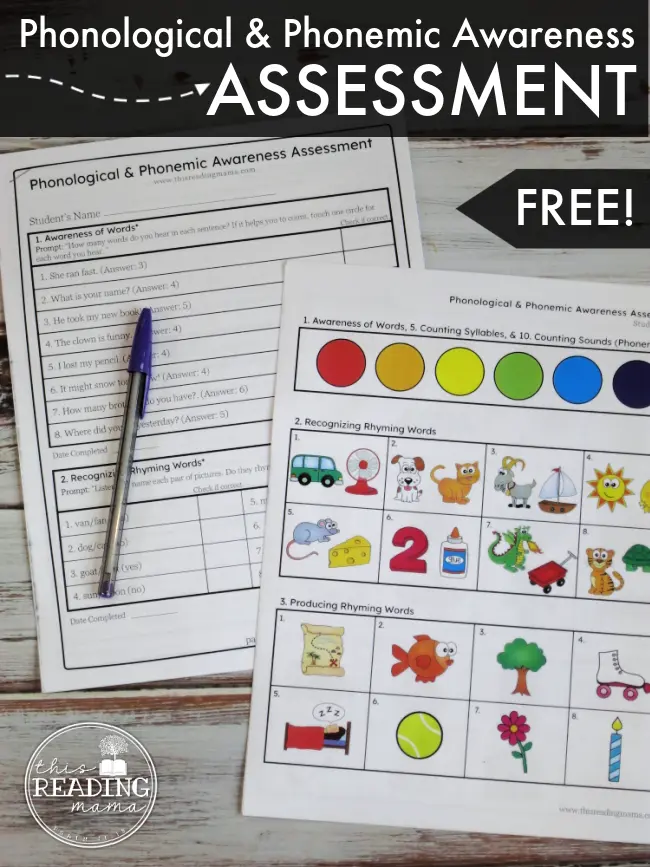
The demand for high-quality, ad-free, easily accessible teaching resources has never been higher. Platforms that curate structured literacy materials—ranging from free downloadable phonics puzzles to comprehensive phonological awareness assessments—are setting a new benchmark for educator support. By reducing administrative friction and preparation time, these platforms allow educators to dedicate more energy to direct, high-impact student engagement.
2. Integration with Comprehensive Literacy Frameworks
Future iterations of literacy interventions are expected to lean further into diagnostic integration. Tools such as pre- and post-assessments for phonological awareness will likely be paired directly with remedial puzzle packs and manipulative kits, creating closed-loop educational systems where student data directly dictates the deployment of targeted learning resources.

3. Equipping Diverse Learning Environments
Whether deployed in traditional public school classrooms, specialized reading intervention groups, or homeschool environments, resources like the Ending Digraph Puzzles highlight the enduring power of low-tech, high-engagement manipulatives. By breaking down intimidating linguistic constructs into manageable, playful puzzles, educators can foster not only technical decoding skills but a genuine, lifelong enthusiasm for reading.
Conclusion
The release of the FREE Ending Digraph Puzzles represents a thoughtful, research-backed contribution to the field of early reading instruction. By carefully bridging the gap between auditory phonemic awareness and visual phonics, this resource equips young learners with the essential tools needed to master complex terminal letter combinations. As educators continue to navigate the demands of evidence-based literacy instruction, accessible, hands-on materials will remain foundational in building confident, capable readers.

