
Executive Overview
In an educational landscape increasingly dominated by standardized testing metrics, screen-based isolation, and behavioral management challenges, building an authentic, empathetic classroom culture remains one of a teacher’s most elusive goals. Too often, school communities default to punitive disciplinary structures or top-down reward systems that fail to foster intrinsic motivation or genuine interpersonal connection among students.
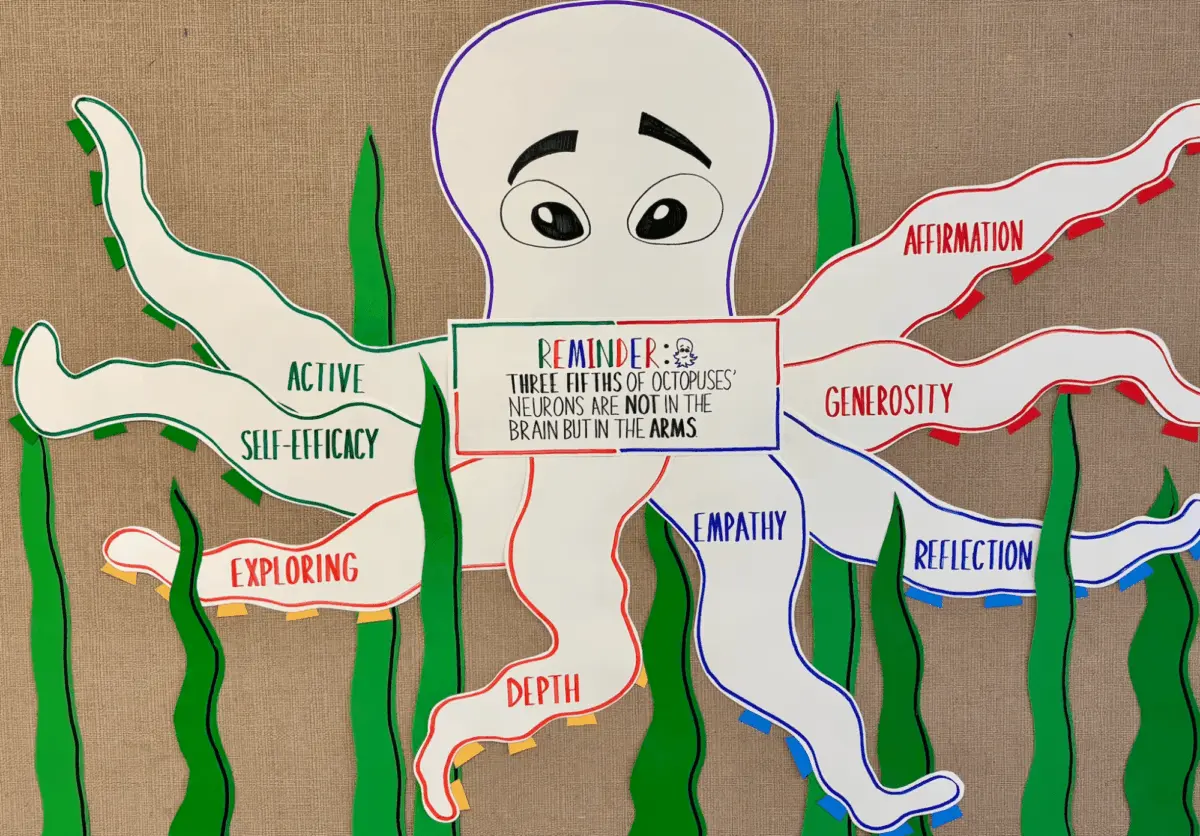
Enter Marcus Luther, a high school educator whose innovative approach to social-emotional learning and community building has captured the attention of pedagogues nationwide. For over a decade, Luther has refined a systemic peer-affirmation framework anchored by a striking visual centerpiece: an evolving, wall-sized illustration of an octopus. Far from a mere classroom decoration, the "octopus wall" serves as a physical manifestation of collective values, student recognition, and community-driven accountability.
This in-depth review explores the mechanics of Luther’s peer-affirmation model, examining its psychological underpinnings, implementation strategies, and the profound impact it leaves on high school learners—ranging from vocal freshmen to apathetic seniors. By carving out deliberate space for students to observe, evaluate, and verbalize the strengths of their peers, Luther’s methodology proves a vital pedagogical truth: students value what educators make space for.

Detailed Chronology: The Evolution of a Classroom Phenomenon
The genesis of Luther’s peer-affirmation system did not occur overnight; it is the product of continuous iteration, cross-grade observation, and reflective practice spanning more than ten years of high school teaching.
Phase 1: Inspiration and Early Iterations
The foundational concept was first sparked when Luther visited the fifth-grade classroom of his wife, an elementary educator who intentionally prioritized classroom values and encouraged her young students to write brief, positive notes of appreciation to one another. Recognizing the profound impact of intentional community norms, Luther sought to adapt this philosophy for high school adolescents, a demographic notoriously resistant to manufactured positivity.
As a long-time admirer of legendary basketball coach John Wooden and his famous "Pyramid of Success," Luther’s initial classroom iteration took the shape of a pyramid. In his early teaching years, the system was relatively rudimentary—unorganized, paper-heavy, and lacking the sophisticated tracking mechanisms he utilizes today. Yet, even in its infancy, the core tenet remained identical: students nominating their peers anonymously for living out specific classroom values.
Phase 2: Structural Refinement and the Birth of the Octopus
Over successive school years, Luther experimented with various layouts, moving away from the rigid geometry of the pyramid toward more dynamic visual representations. Eventually, the project settled into its current, iconic form: the octopus.
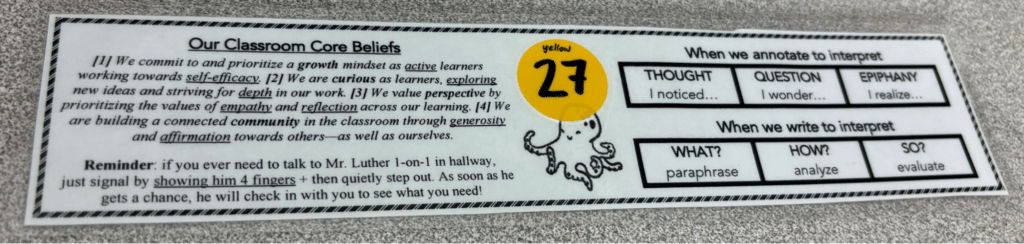
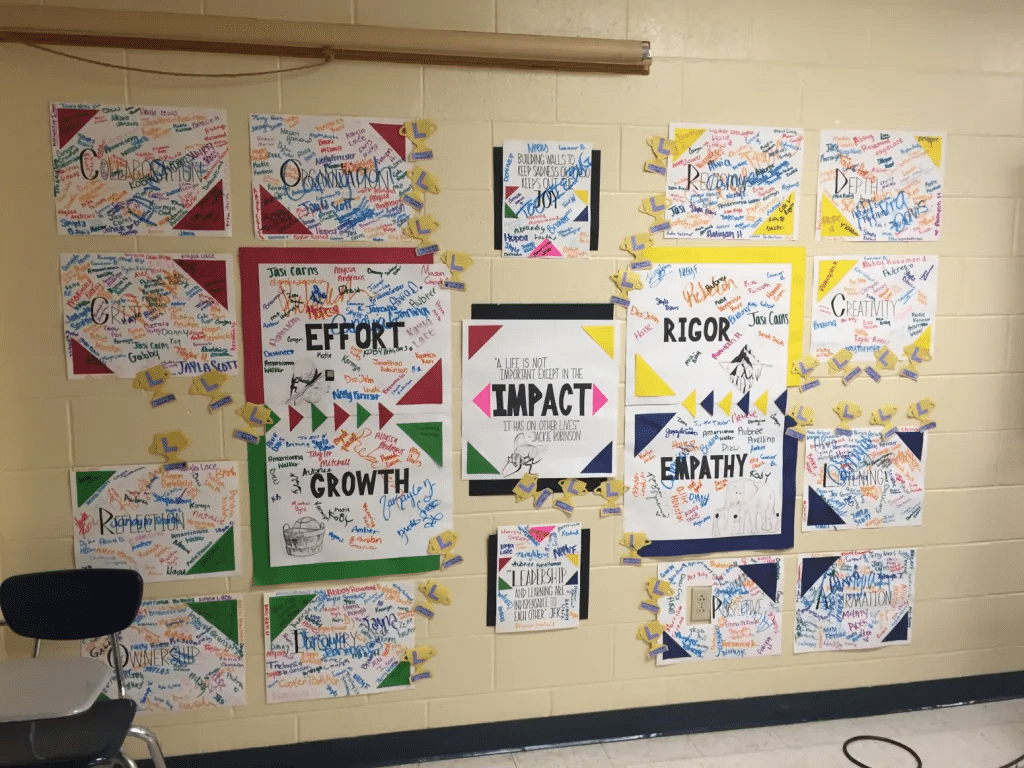
The rationale behind the octopus is both symbolic and functional. At the beginning of each academic term, a massive blank poster of an octopus is affixed to the classroom wall. Each of the creature’s appendages represents a distinct core value of the classroom community. As the weeks progress, these blank tentacles fill with student signatures. Each signature is earned—not given freely—through anonymous peer nominations recognizing concrete actions that elevate the classroom environment.
Phase 3: Modern Systematization and Integration
In his current practice, Luther manages approximately six distinct class sections, totaling between 150 and 180 high school students daily. To handle this volume without administrative burnout, he integrated digital workflows, leveraging Google Forms for nominations and comprehensive Google Sheets for tracking.
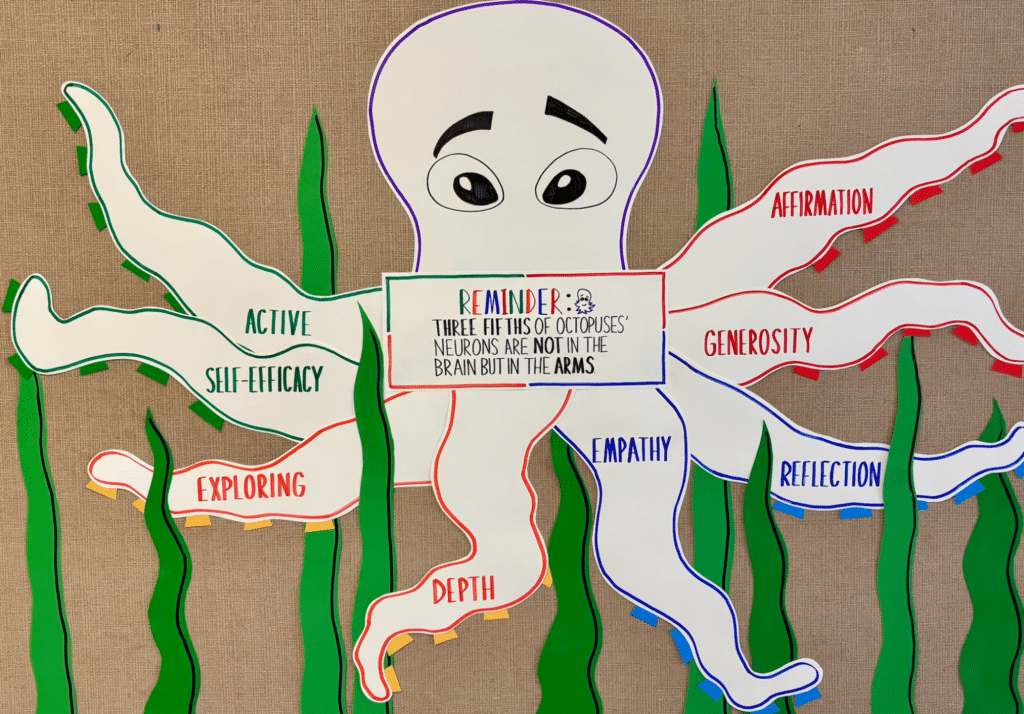
This digital evolution transformed the octopus wall from a static art piece into a data-backed tool for relationship-building. Today, Luther uses accumulated nomination records not only for classroom celebration rituals but also as qualitative evidence for parent-teacher conferences, student intervention check-ins, and university letters of recommendation.
Supporting Context & Metrics: The Mechanics of Peer Affirmation
Implementing a peer-affirmation system in a secondary classroom requires careful scaffolding. Educators attempting to replicate Luther’s success must navigate three distinct operational pillars: preparation, nomination, and ritualization.
1. Preparing the Classroom Values
Before students ever step foot in the room, educators must decide which values will anchor their community. While some educators advocate for co-creating these values with students during the first week of school, Luther notes that logistical realities—such as managing multiple large classes amidst the chaos of early-semester transitions—make pre-selection pragmatic.
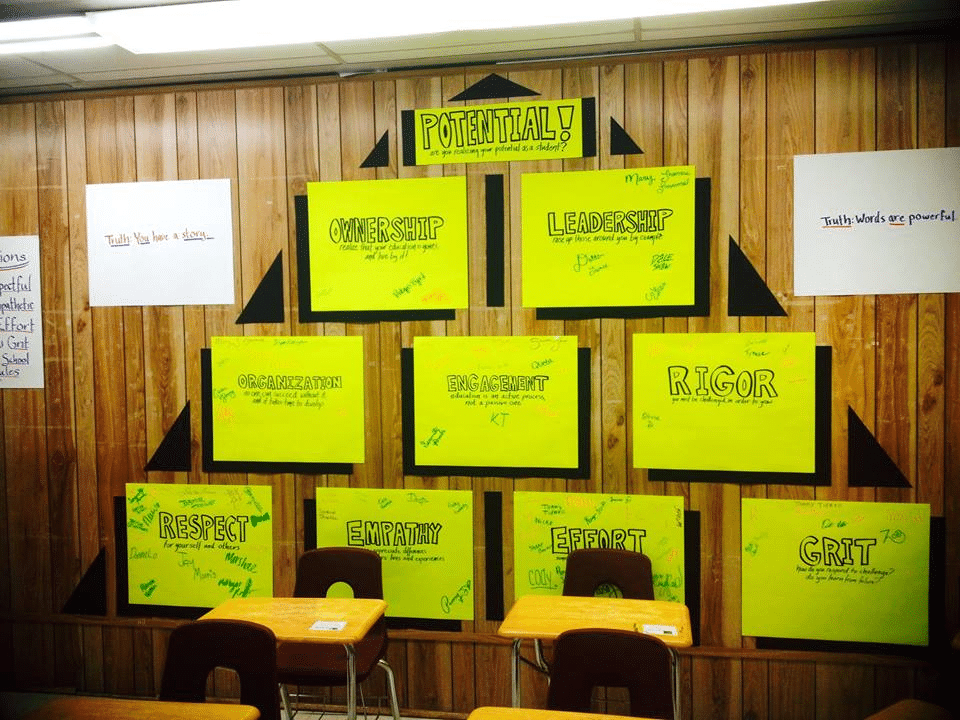
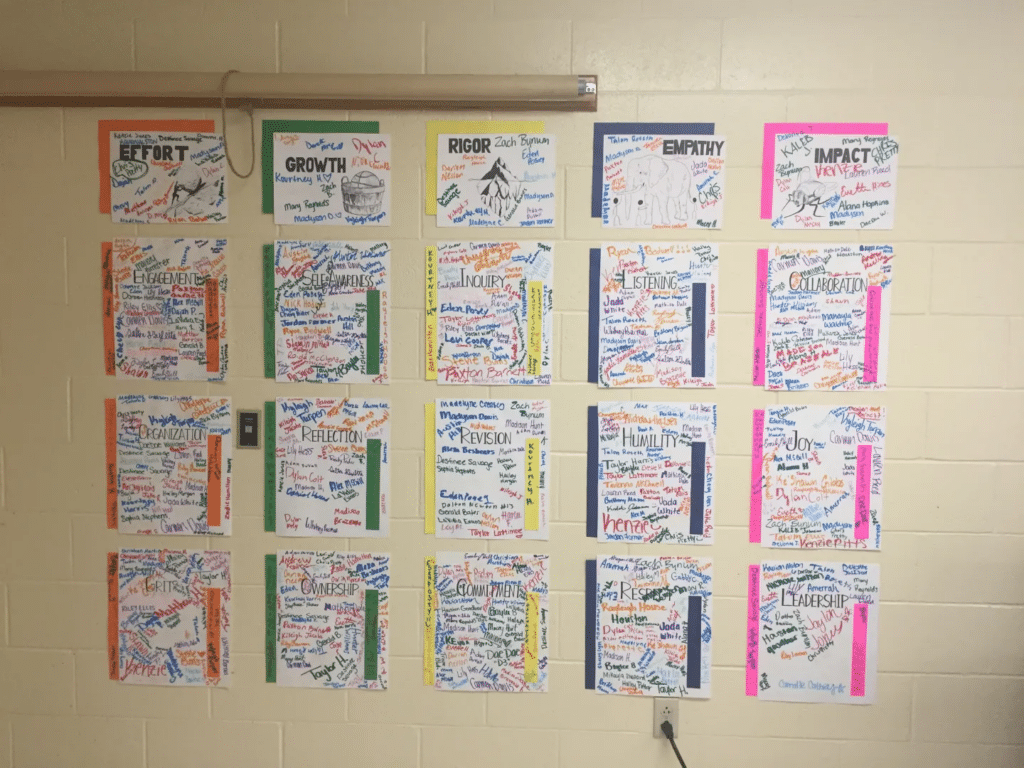
Luther typically utilizes eight core values (a number conveniently aligned with an octopus’s anatomy). Rather than pulling these values entirely from thin air, he engages his students at the end of each academic year, asking them to reflect on which values meant the most to them and to suggest modifications for the incoming class. This "pay-it-forward" feedback loop ensures that the classroom values remain relevant and student-informed.
To maintain continuous psychological proximity to these principles, the core values are embedded directly onto decals affixed to each student’s desk, ensuring that the community standards are ever-present during daily instruction.
2. The Peer Nomination Process
Perhaps the most intimidating hurdle for educators is prompting high school students to thoughtfully and sincerely nominate their peers. Luther delays the first nomination cycle for two to three weeks, allowing foundational classroom trust to develop through standard community-building activities.
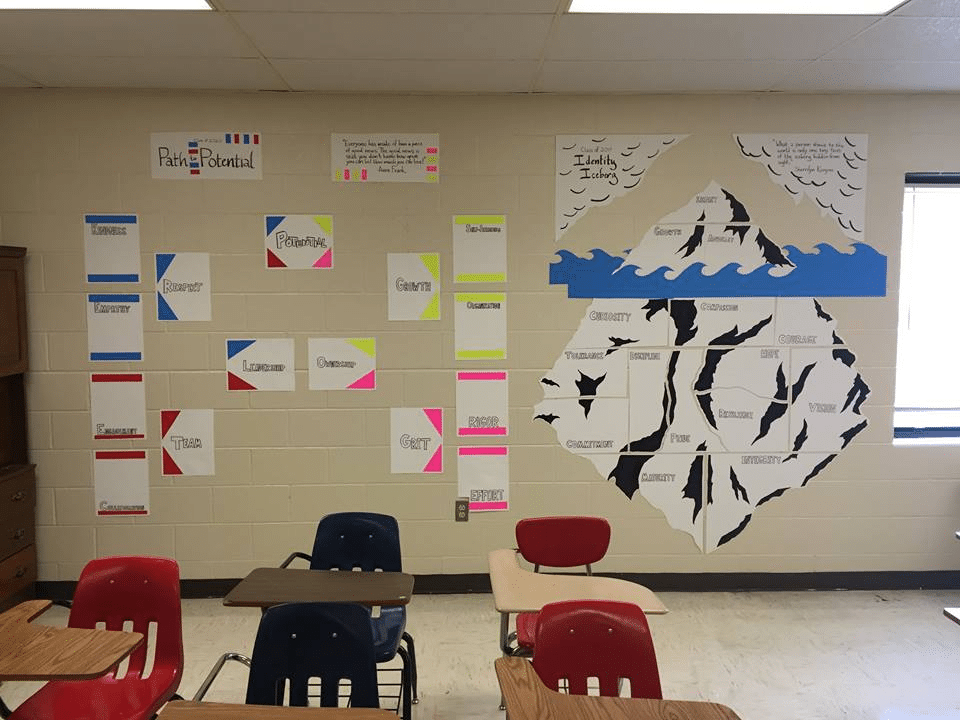
When the time arrives, Luther introduces the system with strict parameters:
- Anonymity: Nominations must be submitted anonymously via a streamlined Google Form to remove social friction or popularity biases.
- Evidence-Based Reasoning: Students cannot simply submit a name; they must explicitly describe how their classmate lived out a specific value through actions, discussions, or collaborative efforts.
- Scaffolding: To guide students who may struggle with articulating praise, Luther provides anonymized exemplar nominations from previous years and occasionally models the process by nominating students himself.
3. "Signing the Wall" as a Classroom Ritual
The culmination of the cycle is the weekly ritual of "signing the wall." At the end of the week, Luther opens his tracking spreadsheet and orchestrates a brief, celebratory ceremony.
Using class-specific pen colors (e.g., blue for first period, green for second), Luther reads a nomination aloud without initially revealing the recipient’s name:
"Every time I see them get called on or we go over answers, they always have an answer and go into great detail explaining their answer…"
After a theatrical pause, the recipient’s name is announced alongside the recognized value, accompanied by a round of applause and cheers from the class. The student approaches the octopus wall, signs their name on the corresponding tentacle, and physicalizes their contribution to the classroom culture.
Official Perspectives: Navigating Adolescent Skepticism
A common critique from secondary educators considering similar programs is adolescent pushback: Will high school students actually buy into this, or will it be met with universal eye-rolls and cynicism?
Luther addresses this skepticism head-on, acknowledging that adolescent reactions are far from uniform.
"Of course, all class periods are different," Luther notes. "If you as a teacher show that you care about it, then they will almost always follow suit."
According to Luther’s decade-long observation, even the most dedicated skeptics—the students who project an aura of profound indifference—frequently become the most emotionally invested in the octopus wall. Teachers often observe these "too cool to care" students quietly counting their signatures during independent work time or bringing friends from other classes by during lunch to proudly point out where they signed.
The psychological impact of this dynamic is profound. In an era where adolescents experience unprecedented rates of social anxiety and alienation, receiving specific, unprompted validation from peers acts as a powerful antidote to imposter syndrome. Furthermore, the ritual provides teachers with an organic mechanism for restorative outreach. When a student is struggling academically or emotionally, a teacher can pull them aside—or email their parents—with concrete, peer-generated evidence of their positive impact on the school community.
Future Outlook: Replicating the Framework Beyond the Classroom
The broader implications of Marcus Luther’s octopus wall extend far beyond the walls of a single high school English or history classroom. As educational institutions increasingly prioritize whole-student wellness and social-emotional learning (SEL) competencies, scalable, low-cost frameworks like peer-affirmation systems offer a viable alternative to corporate, software-driven behavioral management tools.
Key Takeaways for Educational Leaders:
- Intentionality Over Accident: Culture does not happen by default; it requires physical and structural space within the instructional day.
- Data-Driven Empathy: Leveraging simple digital tools (like Google Forms and Sheets) can transform subjective social dynamics into actionable tracking data for conferences, recommendations, and interventions.
- Resilience Against Cynicism: High school students crave genuine affirmation, even when initial cultural conditioning manifests as sarcasm or skepticism. Consistent, authentic teacher buy-in breaks down these defensive barriers.
Ultimately, Luther’s work underscores a timeless pedagogical maxim: students value what educators make space for. By institutionalizing the practice of looking for strengths in one another and voicing those strengths aloud, educators can transform their classrooms from sterile testing environments into vibrant, empathetic communities that prepare students not just for academic success, but for life beyond the school doors.

