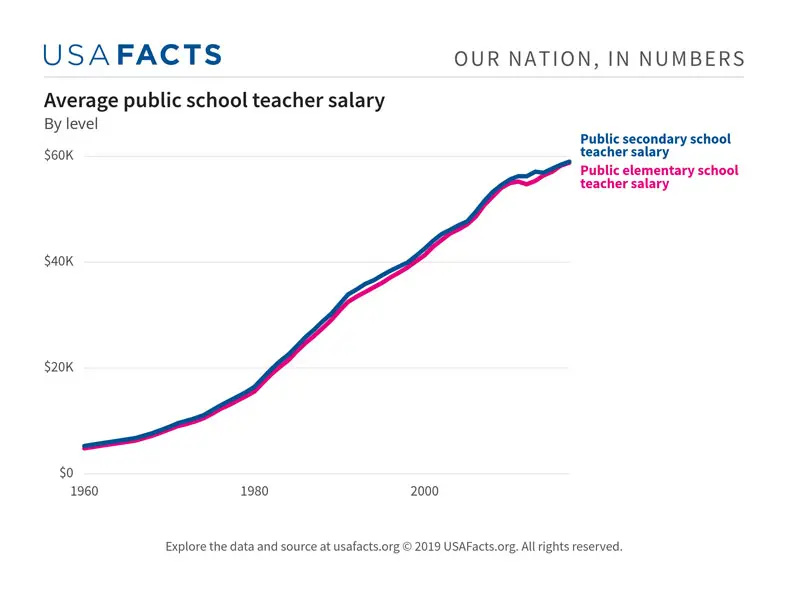
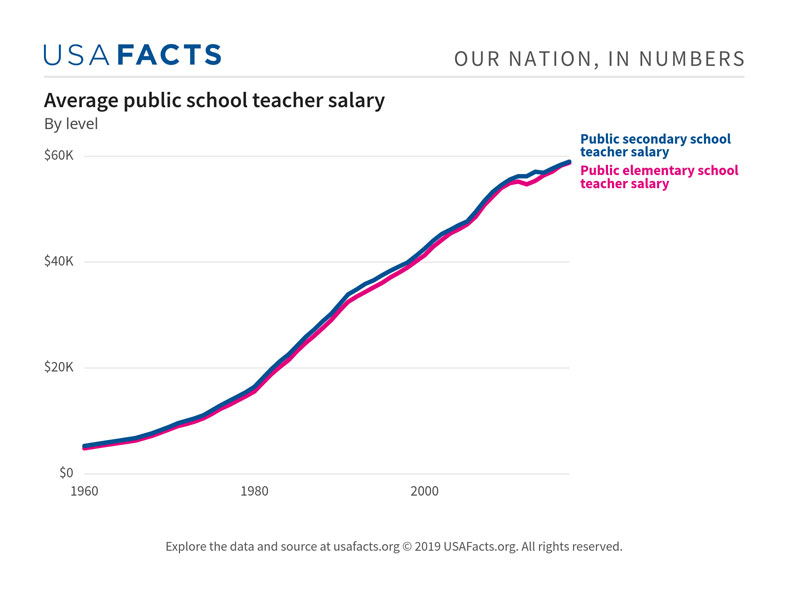
The modern educational landscape is characterized by a stark paradox: while educators carry the immense responsibility of shaping future generations, median national salaries frequently fail to cover the rising costs of housing, childcare, and everyday necessities. According to recent data from the U.S. Bureau of Labor Statistics (BLS), median annual wages for educators range from roughly $63,970 for elementary school teachers to $72,040 for high school teachers. For many working in districts with stagnant pay scales, these figures leave a wide financial chasm that standard full-time salaries cannot bridge on their own.
Consequently, a growing number of educators are turning to secondary streams of revenue. However, finding a secondary income source that respects an educator’s limited free time—while avoiding severe burnout—requires careful strategic planning. The most successful ventures leverage pre-existing pedagogical skills, capitalize on the flexibility of remote learning, and scale effectively during the extended window of summer break. This report examines the economic realities of modern teaching, outlines the top 10 side hustles tailored for educators, and provides a professional framework for balancing supplemental work with the rigorous demands of the classroom.
Detailed Context: The Economic Realities of Modern Teaching
To understand why a significant portion of the teaching workforce pursues secondary employment, one must examine how educator compensation is structured across the United States.
How Teacher Salaries Are Determined
Base compensation for public school educators is rarely tied to merit alone. Instead, it is governed by rigid salary schedules determined by two primary metrics:
Years of Classroom Experience (Step): Incremental pay increases awarded annually up to a maximum threshold.
Educational Attainment (Lane): Stipends or salary bumps awarded for earning a Master’s degree, doctoral credits, or specialized certifications such as National Board Certification (NBC).
Despite these structures, geographic disparities remain immense. State funding formulas, local property tax bases, and cost-of-living adjustments create massive variations in pay from one district to another. While top-tier high school educators at the 90th percentile nationally command approximately $107,600 annually, entry-level and mid-career educators in lower-paying regions often struggle to service student loans or manage inflation-driven living expenses.
National Wage and Employment Projections
Data from the BLS and Projections Central highlight the current state and trajectory of the education sector:
Occupation
Median Annual Wage (May 2025)
Projected Job Growth (2024–2034)
Estimated Annual Openings
Elementary School Teachers
$63,970
-2.0%
~91,000
Middle School Teachers
$64,370
-2.0%
Not specified
High School Teachers
$72,040
-1.6%
~66,200
Although Projections Central estimates minor percentage declines in overall employment numbers over the decade, substantial structural turnover—driven by retirements, mid-career transitions, and personal lifestyle changes—ensures tens of thousands of annual replacement openings.
Nevertheless, because primary employment benefits (such as health insurance, pensions, and paid leave) are tied directly to full-time contracts, educators rarely leave the profession outright for alternative work; instead, they seek supplementary income streams that can be interwoven into their existing annual schedules.
The 10 Best Side Hustles for Educators
Selecting the right supplemental venture depends on three core variables: available free time (evenings, weekends, or summer breaks), baseline skill sets, and whether the goal is rapid, short-term cash flow or long-term passive revenue.
1. Private Tutoring and Academic Coaching
Tutoring represents the most direct translation of classroom expertise into immediate financial gain. Whether conducted in-person, through virtual platforms, or as specialized test preparation (SAT/ACT), tutoring commands high hourly rates because parents prioritize targeted academic intervention. Furthermore, English as a Second Language (ESL) tutoring opens global markets, allowing educators to connect with international students during evening hours. Setup is frictionless: establish a profile, set an hourly rate, and designate available time slots.
2. Curriculum Development and Digital Marketplaces
For educators who routinely design engaging worksheets, unit assessments, and interactive slides, platforms like Teachers Pay Teachers (TpT), Etsy, and personal digital storefronts offer scalable, passive income models.
The Mechanism: Content is created once and sold repeatedly.
The Advantage: While initial time investment is high—requiring careful formatting, branding, and Search Engine Optimization (SEO)—the revenue compounds over time without requiring live, synchronous hours.
3. Online Course Creation and Micro-Learning Platforms
Moving beyond simple worksheets, educators can package comprehensive pedagogical methods or niche skills into structured video courses via platforms like Udemy or Teachable. This approach scales the educator’s expertise to a global audience. While recording and editing modules demand upfront dedication during summer breaks, the finished product operates as a 24/7 digital asset.
4. Freelance Writing, Copywriting, and Content Creation
Writing does not strictly require an educator’s specific subject-matter focus. Freelance writing platforms feature abundant short-turnaround projects ranging from educational blog posts to corporate copy. Teachers possess strong communication skills, an eye for structural clarity, and the ability to synthesize complex information—qualities highly valued in digital marketing and content creation.
5. Specialized Educational Consulting
The proliferation of homeschooling and alternative education pods has created a vibrant market for private educational consulting. Families frequently hire experienced teachers part-time to establish curriculum scopes, track longitudinal student progress, design accommodation plans for diverse learners, and coordinate social enrichment opportunities. This role yields steadier, longer-term client relationships than traditional, ad-hoc tutoring.
6. Arts, Crafts, and Handmade Goods
For educators gifted in the tactile arts, platforms like Etsy offer an extremely low barrier to entry. With minimal listing fees ($0.20 per item), teachers can monetize hobbies ranging from custom classroom decor and personalized teacher stamps to handcrafted jewelry and holiday printables, testing market viability before committing substantial capital.
7. Extracurricular Coaching and Athletic Instruction
Many educators already manage athletic teams or academic clubs during the regular school year. Expanding this expertise into private club coaching, summer sports leagues, or community aquatics (swim instruction and lifeguarding) leverages existing certifications (such as CPR, First Aid, and state coaching licenses) for lucrative seasonal pay.
8. Summer School Teaching and Camp Directing
Working summer school within one’s own district provides a seamless continuation of familiar routines with enhanced daily compensation. Alternatively, directing or counseling at specialized day and overnight camps offers a completely different rhythm—one centered on outdoor activity, experiential learning, and a mental break from traditional academic testing frameworks.
9. Short-Term Rentals and Property Management
For teachers with spare residential space—or those who vacate their homes during extended summer travels—short-term rental platforms provide significant supplementary revenue. While platforms like Airbnb have historically engaged with education associations (such as NEA Member Benefits partnerships) to streamline onboarding, hosts must carefully navigate local zoning laws, municipal permits, and insurance obligations.
10. Delivery, Rideshare, and On-Demand Services
Ridesharing and food delivery services offer maximum schedule flexibility. Because shifts can be toggled on or off down to a single open hour or weekend afternoon, educators can easily accommodate these gigs around unexpected grading periods or parent-teacher conference weeks. While vehicle wear-and-tear and fuel costs must be factored into net earnings, the complete absence of advance scheduling makes it a practical, immediate fallback option.
Supporting Context: The Evolution of Remote Opportunities
The normalization of remote communication platforms has fundamentally shifted what supplemental work looks like for educators. Historically, an after-school tutor spent hours commuting to students’ homes, severely limiting the number of sessions possible in a single evening.
Today, virtual classrooms eliminate transit barriers entirely. A teacher can complete a full contractual day at school, transition to a home office, and conduct three consecutive virtual tutoring sessions or consultancies across different time zones. This technological evolution has unlocked:
Asynchronous Revenue Streams: Digital product downloads that sell globally while the creator sleeps.
Global Student Bases: International ESL and academic enrichment programs operating on 24-hour cycles.
Geographically Independent Freelancing: Content writing, digital design, and virtual administrative support accessible from any internet-connected device.
Official Statements and Professional Perspectives
Balancing primary employment with secondary income streams requires intentional boundaries. According to education researchers and veteran educators, the dividing line between financial empowerment and severe professional burnout is boundary-setting.
"Working teachers have already mapped out which side hustles are worth a colleague’s limited time and which ones just eat into a weekend for a little cash. Most teachers who take on a side hustle manage to fit it in without it swallowing the rest of their week—the ones who burn out are usually the ones who never set a limit in the first place."
— Amanda R. Castillo, M.Ed., Education Writer and Former K–12 Teacher
Experts caution against conflicts of interest—such as tutoring one’s own current classroom students for private pay—which can violate local district ethics policies or create perceived favoritism. Furthermore, educators must ensure that supplemental ventures do not compromise their primary duty of care, classroom preparedness, or mental well-being.
Future Outlook and Strategic Recommendations
While side hustles provide crucial short-term fiscal relief, educational analysts emphasize that they should be viewed as tactical bridges rather than permanent structural solutions to systemic compensation issues.
For educators seeking long-term financial growth within the profession, investing time into professional advancement—such as pursuing a Master’s degree, earning advanced endorsements, or stepping into administrative or instructional coaching roles—often yields higher cumulative lifetime earnings through permanent base-salary increases.
However, for those navigating immediate cost-of-living pressures, matching personal skill sets to flexible, high-yield ventures like curriculum design, virtual tutoring, or seasonal coaching remains an effective strategy. By setting strict operational limits, safeguarding personal time, and selecting ventures that complement rather than combat professional responsibilities, educators can successfully diversify their income without sacrificing their dedication to the classroom.