From the towering skyscrapers of modern metropolises to the intricate micro-mechanisms of handheld devices, human ingenuity rests upon a foundation of fundamental physics. At the core of this engineering heritage are simple machines—devices with few or no moving parts designed to alter the magnitude or direction of applied force. Comprising six classic archetypes—the lever, the inclined plane, the wedge, the screw, the wheel and axle, and the pulley—these foundational tools represent the basic building blocks of all mechanical innovation. When combined, they evolve into complex compound machines capable of executing monumental tasks.
In contemporary educational paradigms, teaching the mechanics of simple machines has transcended textbook diagrams. Educators, curriculum developers, and STEM (Science, Technology, Engineering, and Math) advocates increasingly emphasize hands-on, experiential learning. By constructing working models of pulleys, levers, and inclined planes, students transition from passive observers to active problem-solvers. This pedagogical shift not only demystifies abstract physics equations but also cultivates the critical thinking and spatial reasoning skills essential for the next generation of engineers, architects, and innovators.
Detailed Chronology: The Evolution of Simple Machines in Education and Practice
The conceptualization of simple machines dates back to ancient antiquity, yet their integration into structured, hands-on educational frameworks has evolved significantly over the past century. Tracing this historical and pedagogical trajectory illuminates why modern educators prioritize kinesthetic learning over rote memorization.
Ancient Foundations to the Industrial Era
c. 3rd Century BCE: Greek mathematician Archimedes formulates the foundational principles of leverage, famously declaring, "Give me a place to stand, and I will move the Earth." His treatises on mechanics establish the mathematical framework for levers, pulleys, and screws.
Renaissance Era: Polymaths like Leonardo da Vinci extensively sketch and analyze simple machines, recognizing them as the universal components underlying all mechanical technology.
The Industrial Revolution: As steam power and heavy manufacturing reshape global economies, vocational and technical education adopts the study of simple machines as standard curriculum for mechanical apprentices.
The Modern STEM Revolution
Late 20th Century: Educational theorists—building on the constructivist philosophies of Jean Piaget and Seymour Papert—advocate for "learning by doing." Classrooms begin replacing static charts with physical construction kits.
Early 2000s: The formalization of STEM education standards bridges disparate scientific disciplines. Simple machines are rebranded not merely as historical physics topics, but as dynamic entry points for integrated engineering design challenges.
Present Day: The proliferation of makerspaces, DIY educational blogs, subscription STEM boxes, and accessible classroom technologies allows students from elementary school onward to engineer complex Rube Goldberg machines, combining multiple simple machines to solve real-world problems.
Supporting Context & Metrics: Physics, Mechanical Advantage, and Common Misconceptions
To truly appreciate the value of simple machines, one must examine the physics governing their operation. Far from being magic, these devices operate under strict physical laws that trade force for distance.
Defining Work and Mechanical Advantage
In everyday conversation, "work" can mean anything from answering emails to carrying groceries. In physics, however, work ($W$) has a precise definition: it is the measurement of energy transferred when a force ($F$) moves an object across a distance ($d$). The governing equation is deceptively simple:
$$W = F times d$$
A common misconception among students—and adults alike—is that simple machines reduce the total amount of work required to complete a task. In reality, according to the conservation of energy, the total work input equals the work output (minus energy lost to friction).
So, how do simple machines help us? They provide a mechanical advantage. By spreading the required effort over a greater distance or extended period, a simple machine allows a human to exert less instantaneous force. For example, lifting a heavy crate straight up requires immense force over a short distance. Pushing that same crate up a long inclined plane requires much less force, even though the total work performed remains essentially the same.
Deconstructing Common Misconceptions
Physics education often battles deeply ingrained misconceptions regarding simple machines:
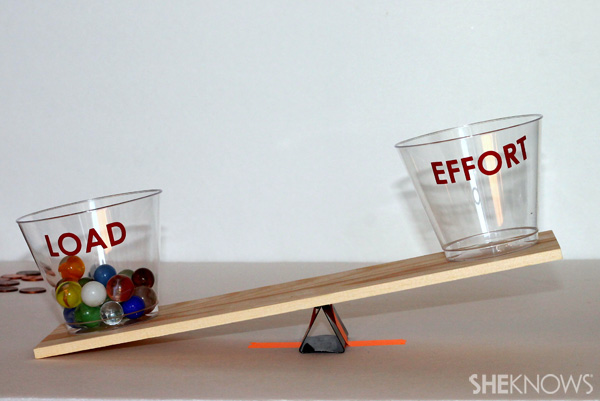
"All levers function identically." In truth, levers are segregated into three distinct classes based on the relative positioning of the fulcrum, the load, and the effort:
First-Class Levers: The fulcrum sits between the effort and the load (e.g., a seesaw, crowbar).
Second-Class Levers: The load sits between the fulcrum and the effort (e.g., a wheelbarrow, nutcracker).
Third-Class Levers: The effort is applied between the fulcrum and the load (e.g., tweezers, human forearm).
"Friction is always detrimental." While friction can hinder efficiency in engines, simple machines often rely on it entirely. A wedge (such as a doorstop) would slide right back out without friction, and a wheel and axle requires surface friction to generate traction and motion.
"Machines create energy." No simple machine creates energy; they merely redistribute force vectors to accommodate human physiological limits.
Official Statements and Educational Insights
Leading voices in science education and curriculum development consistently champion tactile, inquiry-based approaches to teaching mechanics.
Dr. Helena Vance, a professor of STEM Pedagogy at the Institute for Educational Advancement, notes:
"When children physically construct a pulley system or balance a makeshift lever using binder clips and rulers, they aren’t just memorizing definitions. They are internalizing vector physics through tactile feedback. When a child feels the mechanical advantage firsthand—realizing they can lift a heavy object with a fraction of their strength—an authentic "lightbulb" moment occurs that no textbook can replicate."
Furthermore, educators emphasize the importance of brainstorming sessions that connect abstract physics to everyday surroundings.
"We start every unit by asking students to look around the classroom," explains veteran elementary science instructor Marcus Brody. "From the screws holding the desk together to the hinges on the door acting as levers, children quickly realize they are surrounded by engineering marvels. Removing these simple machines from our daily lives would instantly halt modern society."
Practical Classroom & Home Projects: Bringing Mechanics to Life
The most effective way to cement these concepts is through hands-on fabrication. Below are six dynamic, low-cost projects designed to demonstrate each of the six simple machine types in home or classroom environments.
1. The DIY Pulley System
Target Machine: Pulley
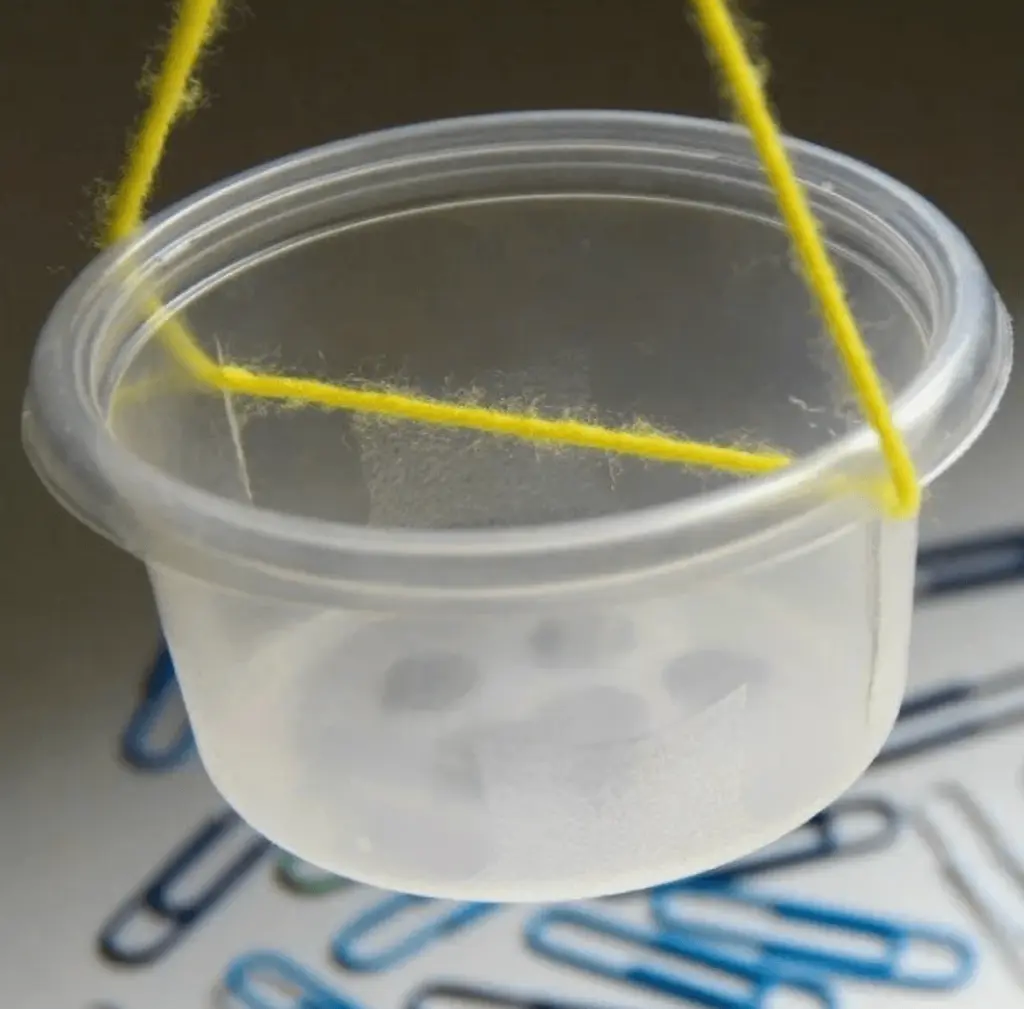
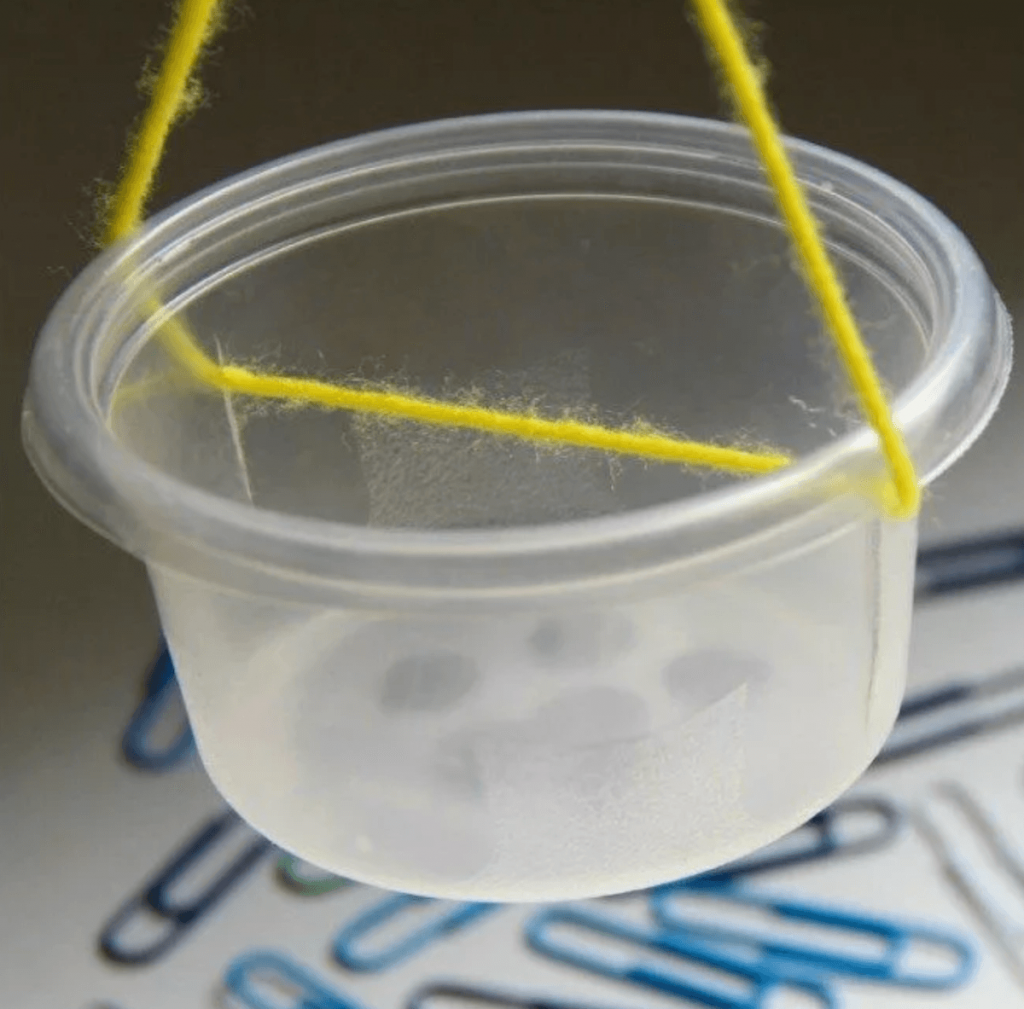
Materials: Empty thread spools, sturdy string, a small basket or plastic cup, and a secure hanging point (like a classroom rod or sturdy branch).
Procedure: Rig the spool as a fixed wheel, thread the string over it, and attach the cup to one end. Have students load marbles or small weights into the cup. By pulling down on the string, students observe how changing the direction of force makes lifting heavy weights intuitive and manageable.
2. The Marble Run Inclined Plane
Target Machine: Inclined Plane
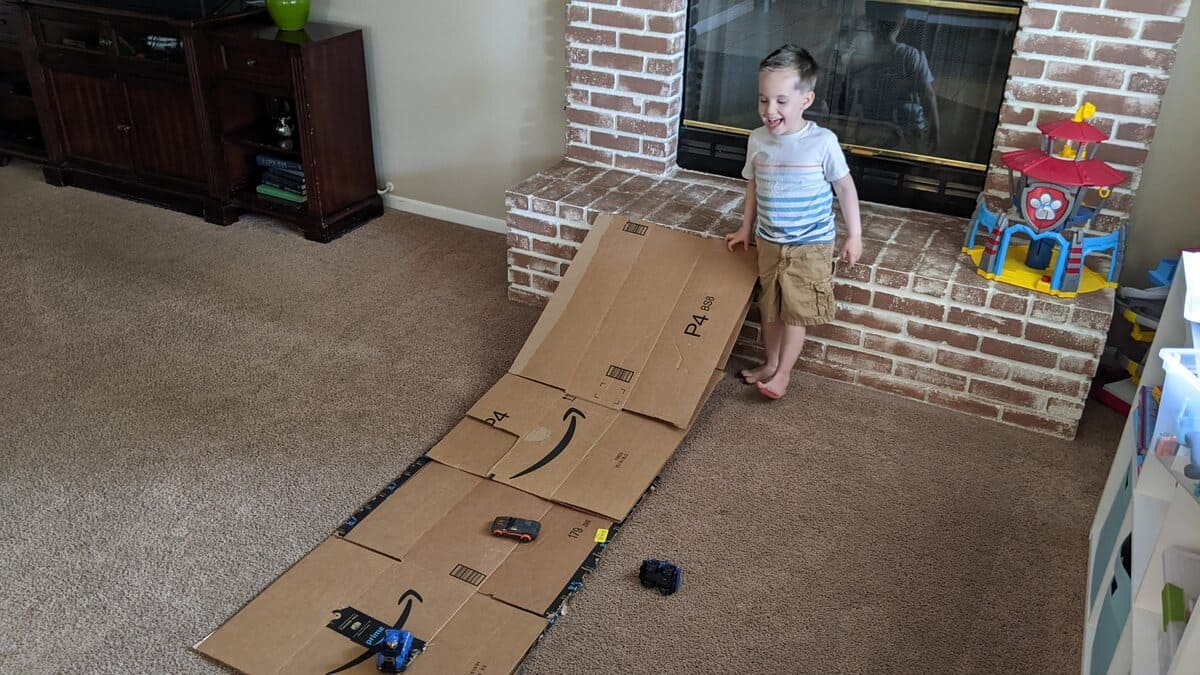
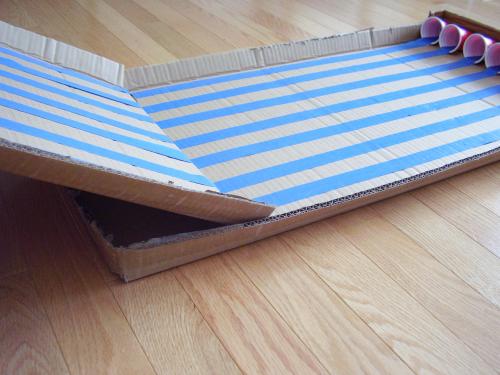
Materials: Cardboard tubes, foam insulation piping cut in half, painter’s tape, marbles, and toy cars.
Procedure: Construct an elevated racecourse using the foam piping. Experiment with varying angles of elevation. Students quickly discover how lowering the incline decreases the acceleration rate and reduces the effort required to transport objects upwards, turning physics into an exciting race.
3. The Binder Clip Lever
Target Machine: Lever
Materials: Large metal binder clips, craft popsicle sticks, and small weights (like coins).
Procedure: Use the binder clip as a stable fulcrum base and slide a craft stick through the metal arms. By shifting the fulcrum position, students can test how varying distances between the load and the effort arm alter the mechanical advantage required to lift coins.
4. Play-Dough Wedge Demolition
Target Machine: Wedge
Materials: Modeling play-dough and triangular wooden or plastic blocks.
Procedure: Roll out cylindrical logs of play-dough to represent sturdy timber. Ask students to try splitting the logs using only the flat edge of their bare hands. Naturally, this fails. Introduce a triangular wedge block and strike it downward; the concentrated surface area easily splits the material, demonstrating how wedges multiply downward force into outward splitting power.
5. The Wood and Nail Screw Challenge
Target Machine: Screw
Materials: Soft blocks of scrap wood, standard metal nails, and threaded wood screws.
Procedure: Have students attempt to push a nail directly into the wood using only thumb pressure. Upon failing, introduce a threaded screw and screwdriver. The helical inclined plane wrapped around the shaft effortlessly bites into the wood grain, proving the immense holding power and mechanical advantage of the screw.
6. Recycled Wheel and Axle Vehicles
Target Machine: Wheel and Axle
Materials: Cardboard toilet paper rolls or plastic beverage bottles, wooden skewers or plastic straws, and plastic bottle caps.
Procedure: Pierce the center of four bottle caps to serve as wheels, using straws and skewers as free-spinning axles mounted to a recycled body. Test the vehicle empty, then load it with heavy weights. Students observe how minimal rotational friction at the axle allows heavy loads to travel smoothly across surfaces.
Future Outlook: The Next Generation of Mechanical Engineering
As we look toward the future, the foundational principles of simple machines remain as vital as ever. While modern technology increasingly focuses on digital interfaces, artificial intelligence, and software engineering, the physical world continues to obey the laws of classical mechanics.
The integration of simple machines into advanced STEM curricula is shifting toward biomimicry and micro-engineering. Engineers designing microscopic medical robots look to compound leverage and pulley-like cable systems operating at cellular scales. Meanwhile, large-scale renewable energy projects—such as massive wind turbine gearboxes—are sophisticated iterations of ancient wheel-and-axle and screw concepts.
By fostering an early, enthusiastic appreciation for simple machines through hands-on building, educators and parents are equipping future innovators with the foundational literacy required to solve tomorrow’s complex challenges. Whether constructing a humble cardboard car or designing advanced aerospace components, the journey of engineering excellence always begins with a single lever, a sturdy wedge, and an inquiring mind.