
Executive Overview
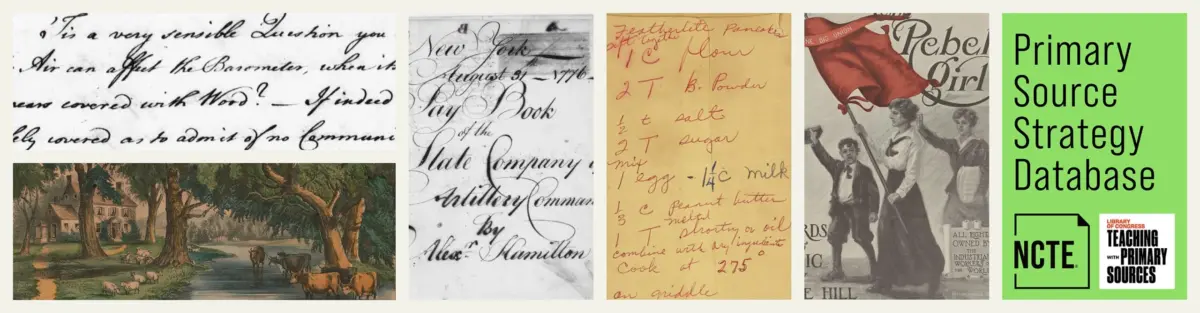
In an educational landscape increasingly defined by the need for critical media literacy, historical context, and cultural empathy, a powerful collaborative initiative is reshaping how students interact with the past. The National Council of Teachers of English (NCTE) is actively partnering with the Library of Congress as part of the esteemed Teaching with Primary Sources (TPS) Consortium. This nationwide endeavor seeks to seamlessly integrate the use of historical primary sources into the daily teaching and learning habits of both literacy educators and students across the United States.
At the heart of this partnership is a robust, highly searchable database comprising pedagogical strategies tailored to more than 150 specific items culled directly from the Library of Congress’s vast digitized archives. Developed by over two dozen visionary educators and leaders in English language arts (ELA) education, these resources do far more than offer lesson plans; they explicitly articulate the profound literacy merit of each artifact, providing teachers with ready-to-use themes, interdisciplinary units, and direct mappings to state educational standards.
Among the rich repository of artifacts indexed within the database—searchable through dynamic tags such as picturebook, argument, comprehension, grammar, and spelling—are historical pieces that challenge students to look beyond the surface of everyday texts. One such compelling artifact is a turn-of-the-century advertisement for PORO Hair Grower published in Franklin’s The Statesman. Featuring company founder Annie Malone Pope-Turnbo alongside a customer named L. L. Roberts, the historic advertisement serves as a gateway for high school students to explore complex issues surrounding systemic racism, cultural identity, the policing of Black hair, and the enduring power structures embedded in societal beauty standards.
By bridging archival history with modern ELA instruction, the NCTE and Library of Congress initiative equips educators to tackle difficult dialogues, fosters empathy, and drives students to interrogate the historical construction of social norms. However, navigating these sensitive socio-historical topoi within contemporary classrooms is not without its hurdles. As educators increasingly bring discussions of systemic bias, advertising history, and identity into the curriculum, they must also navigate community pushback, political sensitivities, and misunderstandings surrounding the historical relevance of such topics. This comprehensive report explores the mechanics of the NCTE-Library of Congress collaboration, examines the pedagogical value of examining artifacts like the PORO advertisement, highlights relevant academic standards, and analyzes the broader implications of implementing equity-focused primary source instruction in today’s educational sphere.
Detailed Chronology: The Evolution of the NCTE and Library of Congress Partnership
The integration of Library of Congress archives into American classrooms is the result of years of strategic institutional alignment aimed at transforming passive learners into active historical researchers and critical thinkers.
Phase I: Establishing the Foundation of the TPS Consortium
The Library of Congress established the Teaching with Primary Sources (TPS) program to connect educators nationwide with the institution’s unparalleled repository of historical documents, photographs, maps, audio recordings, and advertisements. Recognizing that literacy teachers hold a unique position to cultivate source analysis, the Library of Congress expanded its reach by forming the TPS Consortium—a network of universities, school districts, and professional organizations dedicated to advancing primary source pedagogy.
Phase II: Engaging English Language Arts Leaders
While social studies and history classrooms have long relied on primary sources, the NCTE recognized an untapped opportunity to elevate these materials within English Language Arts and literacy instruction. Through its partnership with the TPS Consortium, the NCTE mobilized more than two dozen distinguished teachers, curriculum designers, and ELA leaders. Their objective was clear: bridge the gap between historical artifact analysis and rigorous literacy skill-building.
Rather than treating historical documents as mere background information for literary texts, these educators began designing structured instructional strategies that treated primary sources as complex arguments, rhetorical masterpieces, and cultural artifacts worthy of deep textual deconstruction.
Phase III: Launching the Searchable Digital Database
To make these pedagogical tools widely accessible, the NCTE launched a dedicated digital portal and searchable database. Teachers navigating the platform can filter resources based on specific pedagogical needs, thematic units, or media types. The inclusion of granular metadata tags—such as argument, picturebook, comprehension, grammar, and spelling—ensures that K-12 educators across various disciplines can find immediately applicable, standards-aligned materials.
Phase IV: Expanding into Complex, Identity-Focused Artifacts
As the database grew, it expanded beyond traditional political documents and foundational national texts to include artifacts reflecting diverse cultural histories, consumer culture, and marginalized experiences. The inclusion of advertisements like the PORO Hair Grower promotion from The Statesman marked a pivotal shift toward utilizing everyday commercial texts to teach students how historical power dynamics, race, and identity are constructed, commercialized, and contested.
Supporting Context & Metrics: Analyzing the PORO Hair Grower Advertisement
To understand the immense pedagogical value of the NCTE’s primary source integration initiative, one must examine how individual artifacts function within a modern ELA curriculum. A prime example highlighted within the database is the historical advertisement for PORO Hair Grower, featured in Franklin’s The Statesman.
Artifact Description and Content
The primary source centers on a promotional advertisement for hair growth products created by PORO, founded by pioneering African American entrepreneur and philanthropist Annie Malone Pope-Turnbo. The layout features photographic portraits of Pope-Turnbo alongside another woman identified as L. L. Roberts, both showcasing long, straight hair.
Directly beneath the portraits, persuasive captions provide personal testimonies:
- Annie Malone Pope-Turnbo: "4 years ago my hair was only a finger-length, and my temples were bald halfway up my head."
- L. L. Roberts: "4 years ago my hair just covered my shoulders."
Beyond personal testimonials, the advertisement acts as an early consumer warning system. It alerts readers to the proliferation of fraudulent, imitation hair growth products flooding the market, urging consumers to exercise vigilance and verify official PORO branding.
Systemic Racism, Identity, and the Policing of Black Hair
While the advertisement operates historically as a fascinating piece of early 20th-century Black entrepreneurship and consumer journalism, its instructional value extends deep into contemporary sociology and cultural studies.
Systemic racism and cultural assimilation in the United States have historically dictated narrow definitions of beauty and professional respectability that frequently marginalize Black hair textures and styles. By examining how hair care products were marketed during this era, students are invited to explore how seemingly trivial aspects of physical appearance are profoundly intertwined with power structures and societal compliance.
Classroom discussions centered on this primary source encourage students to analyze:
- The Eradication of Cultural Identity: How dominant social norms pressure marginalized groups to conform to Eurocentric standards of beauty.
- Psychological and Emotional Toll: The historical and ongoing impact of hair discrimination, workplace bias, and school dress codes on individuals and communities.
- Resilience and Empowerment: How Black entrepreneurs like Annie Malone built independent economic empires while providing products that met community needs, fostering self-appreciation and resisting harmful stereotypes.
Mapping to Academic Standards
To ensure rigorous classroom implementation, the instructional strategies associated with this primary source are aligned with established state educational frameworks, such as the New Mexico Adopted Content Standards for English Language Arts and Literacy in History/Social Studies.
Speaking & Listening Standards
- SL.11-12.3: Evaluate a speaker’s point of view, reasoning, and use of evidence and rhetoric, assessing the stance, premises, links among ideas, word choice, points of emphasis, and tone used.
- Application: Students analyze the rhetorical strategies, word choices, and persuasive appeals employed in historical advertisements to understand how commercial media shapes public perception and consumer behavior.
Literacy in History/Social Studies Standards
- RH.11-12.1: Cite specific textual evidence to support analysis of primary and secondary sources, connecting insights gained from specific details to an understanding of the text as a whole.
- Application: Students closely read the captions, body text, and visual elements of the PORO advertisement, using direct evidence to substantiate claims regarding early 20th-century advertising techniques and racial dynamics.
- RH.11-12.2: Determine the central ideas or information of a primary or secondary source; provide an accurate summary that makes clear the relationships among the key details and ideas.
- Application: Students synthesize the dual messages of the advertisement—commercial promotion versus consumer protection against fraudulent knock-offs—within the broader socio-economic context of the era.
Official Statements and Institutional Vision
Educational leaders behind the NCTE and Library of Congress partnership emphasize that expanding primary source literacy is essential for fostering democratic engagement, critical inquiry, and cultural empathy in modern students.
"Primary sources breathe life into historical inquiry, transforming history from a passive list of dates into an active dialogue with the past," notes curriculum design literature associated with the TPS Consortium. "By pairing Library of Congress archives with expert ELA instruction, we empower students to decode the media they consume today by critically examining the media produced generations ago."
Educators who contributed to the searchable database underscore that teaching with complex historical artifacts helps students develop vital analytical armor against misinformation and bias.
"When students analyze advertisements, photographs, and personal narratives from the archives, they learn that no text is neutral," explains a lead ELA contributor to the project. "Every artifact carries the fingerprints of its creators, its era, and its systemic context. Teaching students to recognize those fingerprints is the ultimate goal of literacy education."
Navigating Challenges: Addressing Community Concerns and Classroom Pushback
Despite the proven academic and emotional benefits of utilizing diverse primary sources, educators venturing into topics such as hair discrimination, systemic racism, and historical power structures often encounter resistance from parents, community members, or school administrators. Understanding the root causes of these challenges is vital for teachers seeking to implement these resources effectively.
1. The Ideology of Colorblindness
Some community members adhere to a "colorblind" philosophy, arguing that race should not be a factor in education. From this perspective, focusing on issues such as the policing of Black hair or historical racial discrimination is viewed as unnecessarily divisive rather than unifying.
2. Misconceptions Regarding Curricular Scope
Critics with conservative political viewpoints may object to the inclusion of topics they incorrectly label as "Critical Race Theory" or partisan indoctrination. Others may argue that socio-political discussions distract from the "core" academic curriculum—such as fundamental grammar, spelling, and literary classics.
3. Lack of Historical Literacy Regarding Identity
Resistance often stems from a fundamental misunderstanding or lack of awareness regarding the historical and contemporary significance of hair discrimination. Without understanding how hair policing impacts psychological well-being, academic performance, and professional opportunities within the Black community, skeptical stakeholders may dismiss the topic as trivial.
Proactive Approaches for Educators
To successfully navigate potential pushback, educational leaders recommend several proactive measures:
- Transparent Communication: Share lesson plans, contextual background notes, and state standard alignments with parents and administrators well in advance of instruction.
- Focus on Rigorous Standards: Emphasize that the primary goal is meeting high-level literacy standards—such as evaluating rhetorical strategies, citing textual evidence, and analyzing historical arguments.
- Foster Empathy and Critical Thinking: Frame the discussions around universal human experiences, historical inquiry, and media literacy rather than ideological confrontation.
Future Outlook: The Next Frontier in Literacy Education
As the collaboration between the NCTE and the Library of Congress continues to expand, the future of ELA and literacy education points toward increasingly interdisciplinary, media-rich, and equity-focused classrooms.
The ongoing expansion of the searchable database ensures that educators will have continuous access to fresh primary sources that reflect diverse voices, technological shifts, and evolving cultural landscapes. By scaling these resources, the initiative aims to train a new generation of students who do not merely read texts at face value, but who possess the critical acumen to question social norms, identify institutional biases, challenge systems of oppression, and appreciate the rich tapestry of human history.
Ultimately, the synergy between the Library of Congress’s unparalleled archives and the NCTE’s pedagogical expertise represents a gold standard in modern education—proving that when students are given the tools to investigate the past, they are better equipped to author a more equitable and empathetic future.

