
Executive Overview
As the crisp autumn air settles in and neighborhoods transform into haunted spectacles of jack-o’-lanterns and cobwebs, educators, parents, and students alike face a perennial challenge: maintaining academic momentum amid the mounting distractions of the holiday season. October brings a distinct shift in student energy, often characterized by restlessness and a preoccupation with costumes, candy, and ghost stories. Rather than fighting this seasonal current, innovative educational platforms are increasingly choosing to swim with it.
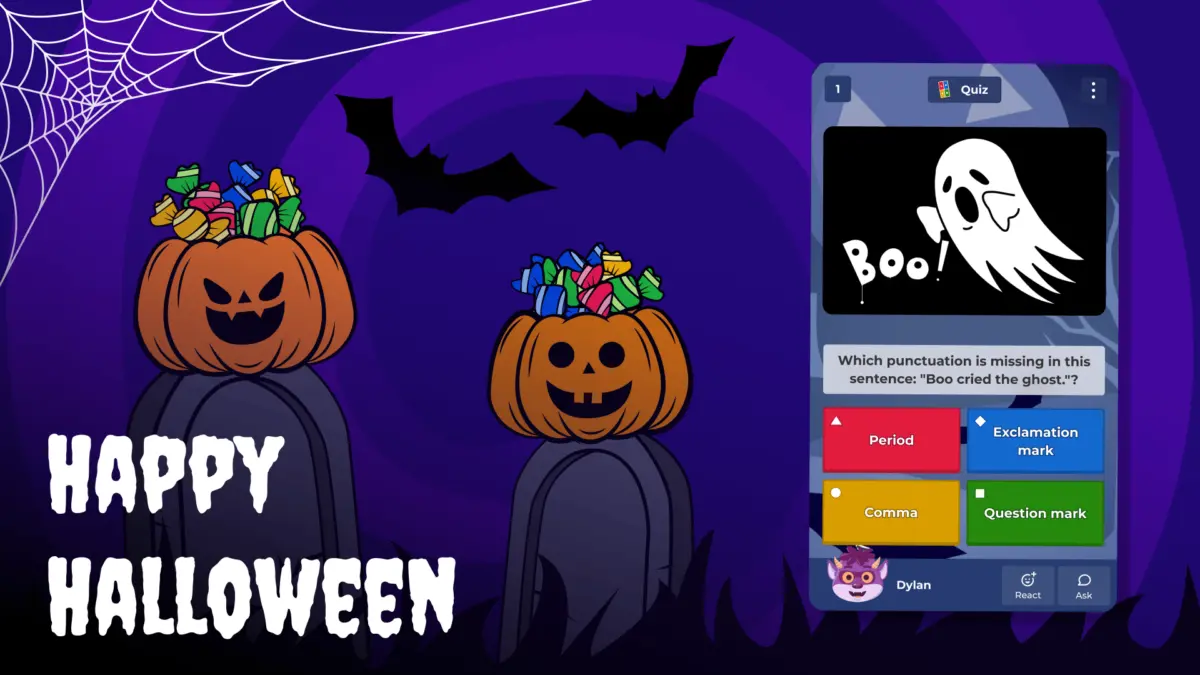
Enter Kahoot!, the global game-based learning platform that has continuously redefined how interactive assessments are delivered. This October, the platform has rolled out an expansive, curated suite of Halloween-themed learning content designed to inject "fang-tastic" fun into classrooms, living rooms, and study sessions. By bridging pop culture icons, rigorous academic standards, and the playful mystique of the spooky season, Kahoot! is demonstrating that cognitive development and seasonal festivities are not mutually exclusive.
From TED-Ed explorations of historical witch trials to Marvel-ous math puzzles featuring Groot, these ready-made collections target every demographic of the learning ecosystem. This comprehensive report explores how Kahoot!’s latest seasonal initiative is reshaping classroom instruction, supporting home-based learning, boosting study motivation, and elevating social gatherings through gamified education.
Detailed Chronology & Platform Evolution: From Classroom Tool to Global Phenomenon
To understand the impact of Kahoot!’s seasonal content drops, it is necessary to examine the platform’s strategic evolution over the past decade. Founded in Norway in 2012, Kahoot! initially emerged as a simple, game-based response to traditional, rote-memorization classroom quizzes. Its core premise—turning multiple-choice questions into a high-energy, competitive game show format complete with upbeat music, dynamic countdown timers, and leaderboard mechanics—struck an immediate chord with digital-native students.
The Shift Toward Curated Content Channels
In its early years, the burden of creating engaging material fell almost entirely on individual educators. While this grassroots approach fostered a rich community library, it also meant quality and curriculum alignment varied wildly. Recognizing this, Kahoot! embarked on a strategic pivot: forging partnerships with world-renowned educational institutions, media conglomerates, and cultural authorities.
Over the last several years, the platform has systematically rolled out verified publisher channels. Partners such as National Geographic, Disney, Marvel, NASA, and Wikipedia began translating their vast repositories of knowledge into interactive, bite-sized learning modules.
The October Rollout: Institutionalizing Seasonal Engagement
The latest October initiative represents the maturation of this strategy. Rather than offering isolated games, Kahoot! has synchronized its massive library with the cultural calendar, curating comprehensive thematic pathways for Halloween.
- Early October (Content Discovery & Curriculum Integration): Educators gain access to multi-disciplinary modules weeks in advance, allowing them to weave historical and scientific contexts of the season—such as moon phases and ecological wildlife—into their lesson plans.
- Mid-October (Family & Home Deployment): As parties and home study sessions ramp up, parent-focused channels featuring recognizable figures like Hello Kitty, Peanuts, and Star Wars roll out to reinforce foundational math, reading, and emotional literacy skills outside school hours.
- Late October (Exam Prep & Social Celebration): As mid-terms and end-of-term evaluations approach, students utilize advanced vocabulary and STEM-focused review kahoots, culminating in party-ready trivia collections designed for lifelong learners and workplace gatherings.
Supporting Context & Metrics: The Science of Play-Based Learning
The rationale behind Kahoot!’s seasonal push is rooted deeply in cognitive psychology and contemporary educational research. Modern pedagogy increasingly emphasizes the importance of emotional resonance, narrative-driven learning, and low-stress environments in fostering long-term knowledge retention.
The Chemistry of Dopamine and Gamification
When students play a game of Kahoot!, their brains undergo a neurochemical shift. The elements of friendly competition, immediate feedback, and suspense stimulate the release of dopamine—a neurotransmitter heavily linked to motivation, attention, and memory consolidation. By clothing complex subjects like quadratic equations, historical chronology, or lunar science in Halloween motifs, the platform lowers cognitive anxiety. Learning ceases to feel like an obligation and transforms into an interactive puzzle.
Bridging the Engagement Gap
According to internal platform metrics and independent educational studies, gamified assessments yield significantly higher completion and participation rates than traditional pencil-and-paper testing.

- Attention Spans: Interactive quizzes sustain active cognitive engagement for periods up to three times longer than passive lectures.
- Inclusivity: The anonymous or playful nickname systems used in group kahoots level the playing field, reducing performance anxiety for introverted or struggling students who might otherwise fear speaking up in class.
- Retention Rates: Longitudinal data suggests that students who review material via spaced repetition games score higher on standardized unit assessments compared to those relying solely on textbook re-reading.
Tailored Offerings Across the Learning Ecosystem
Kahoot!’s Halloween rollout is not a monolithic block of content; rather, it is meticulously segmented to address the unique needs of four distinct user groups: teachers, parents, students, and lifelong learners.
1. For Educators: Spell-Binding Academics in the Classroom
Classroom teachers often struggle to maintain classroom management and focus during holiday weeks. Kahoot! addresses this by embedding curriculum-aligned content within hauntingly delightful themes.
- TED-Ed Collaborations: Educators can access specialized kahoots exploring the fine line between historical fact and fiction. Students dive into legendary narratives, examining everything from the authentic historical roots of Vlad the Impaler (Dracula) to the socio-political pressures underlying the Salem Witch Trials. These modules seamlessly blend history, critical thinking, and media literacy.
- The Nickelodeon Channel: Fan-favorite characters such as SpongeBob SquarePants and the Teenage Mutant Ninja Turtles lead students through math, science, and language arts adventures, proving that core competencies can be mastered in Bikini Bottom or the sewers of New York.
- Disney’s "Happy Halloween!": Bringing cinematic enchantment to educational assessment, these kahoots tackle complex scientific principles and literary concepts through beloved Disney narratives.
2. For Parents: Sweet Learning Treats Without the Spooks
Parents seeking to keep their children mentally stimulated during breaks or after-school hours often worry about excessive screen time. Kahoot! transforms screen time into constructive, skill-building playtime.
- Hello Kitty and Friends: Designed for younger learners, this collection merges festive decorating scenarios with fundamental math puzzles, encouraging early cognitive development in a gentle, welcoming environment.
- Marvel Midnight Monster Math: Featuring Groot and other cosmic guardians, these modules challenge children with counting, addition, and subtraction exercises wrapped in superhero lore.
- The Peanuts Gang ("It’s the Great Pumpkin, Charlie Brown"): Beyond raw academic skills, these collections focus on emotional literacy. By exploring themes of disappointment, hope, and imagination alongside Charlie Brown and Snoopy, children develop vital social-emotional skills while celebrating the wonder of autumn nights.
3. For Students: Spooktacular Study Sessions for Exam Season
With the school year well underway, October frequently marks the prelude to rigorous midterm examinations. Burnout is a genuine threat to academic performance.
- Museum of Science & SciShow Kids: Students preparing for science assessments can explore the mechanics of lunar phases ("Why Does the Moon Change?") and the ecological importance of insects, aligning directly with Earth and Space Science standards (1-ESS1-1).
- WWF Wild Classroom: To combat misconceptions about nature, this collection introduces learners to "not-so-spooky wildlife"—bats, owls, and spiders—educating students on how these misunderstood creatures maintain planetary health.
- Wiktionary Vocabulary Challenges: For advanced language arts students, the "Wicked words for Halloween" module tests comprehension of rare, unusual, and delightfully archaic English vocabulary.
4. For Lifelong Learners: Frightfully Fun Social Gatherings
Learning does not end at the classroom door. Adults and workplace teams increasingly look to trivia and interactive games to build community and celebrate cultural milestones.
- Wikipedia Halloween History: For trivia enthusiasts, this collection unpacks the genuine anthropological origins of Halloween traditions, tracing modern customs back through centuries of global folklore.
- Star Wars "Happy Ghoul-actic Halloween": Merging sci-fi fandom with seasonal celebration, this tongue-in-cheek trivia challenge tests whether participants truly understand the ways of Padawans and Jedi Masters.
Future Outlook: The Horizon of Immersive Educational Technology
As we look beyond the current spooky season, the trajectory of platforms like Kahoot! points toward an increasingly integrated, intelligent, and immersive future for educational technology.
The Integration of Artificial Intelligence and Adaptive Learning
The next frontier for gamified platforms lies in hyper-personalization. Future seasonal rollouts will likely leverage artificial intelligence to dynamically adjust difficulty levels in real-time based on individual student performance. If a child struggles with subtraction during a Marvel-themed math game, the system will seamlessly adapt, offering targeted remedial questions disguised as ongoing gameplay rather than punitive testing.
Expanding Collaborative Ecosystems
The success of partnerships with entities like TED-Ed, Disney, and the World Wildlife Fund underscores a growing trend: the convergence of entertainment media and institutional education. As media companies recognize the profound reach of interactive learning platforms, we can anticipate even more sophisticated, narrative-rich educational campaigns tied not just to Halloween, but to global scientific discoveries, historical anniversaries, and cultural events year-round.
Conclusion: Embracing the Joy of Learning
Ultimately, Kahoot!’s Halloween initiative serves as a powerful reminder of what education can—and perhaps should—always be: an engaging, collaborative, and joyful pursuit of discovery. By meeting learners where they are, utilizing the cultural touchstones they love, and stripping away the intimidation historically associated with testing, platforms like Kahoot! are proving that academic excellence and genuine fun can coexist. Whether casting spells in history class, counting space-acorns with Groot, or debating Star Wars lore at a workplace party, users are discovering that the most effective education is the one that leaves them eager for the next question.

