
Executive Overview
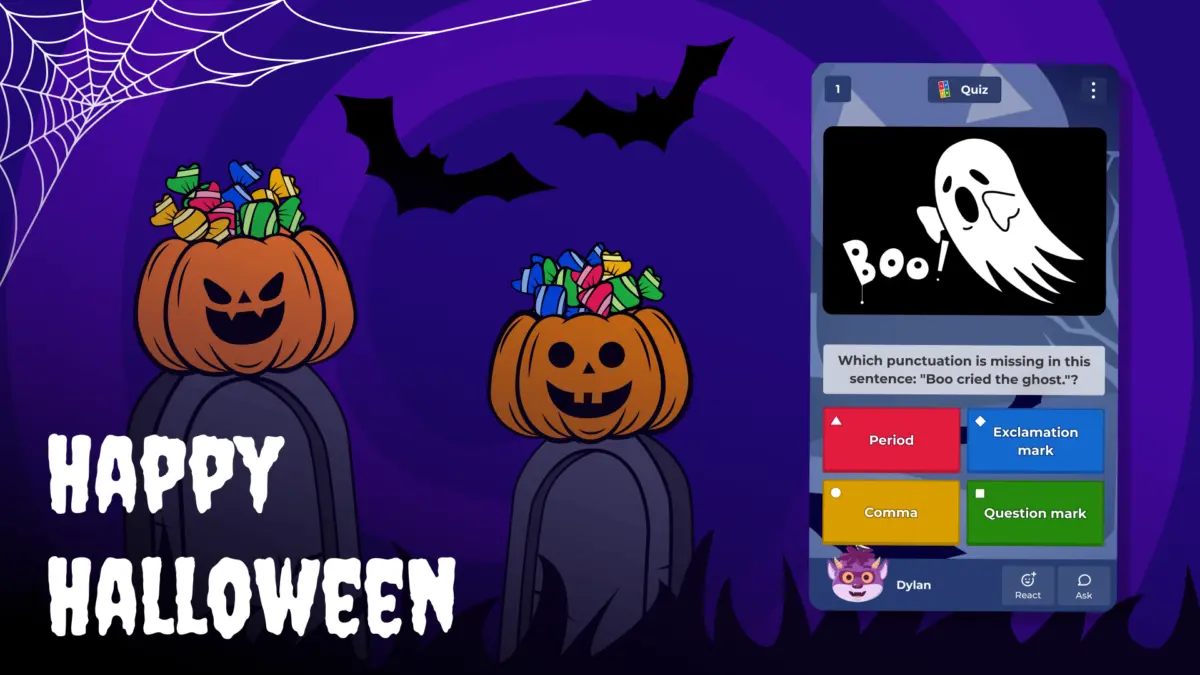
As the autumn leaves turn and the crisp October air ushers in the spooky season, educators, parents, and students alike face a perennial challenge: maintaining academic momentum amidst the mounting distractions of Halloween festivities. Rather than viewing the holiday as a disruption to the school year, interactive learning platform Kahoot! has strategically positioned itself as a catalyst for engagement. By deploying a comprehensive suite of ready-made, gamified learning content, the platform is redefining how classrooms, households, and social gatherings approach education during the fall.
From quantum-adjacent lunar phases taught via SciShow Kids and the Museum of Science, to foundational mathematics disguised as Marvel and Hello Kitty adventures, Kahoot!’s latest seasonal release marries pop culture with rigorous pedagogical frameworks. This initiative transcends mere novelty. By leveraging familiar franchises—including Nickelodeon, Disney, Peanuts, and Star Wars—Kahoot! taps into intrinsic student motivation, transforming potentially stressful study sessions and routine classroom reviews into "fa-boo-lous" experiences.
This comprehensive report examines the strategic rollout of Kahoot!’s Halloween learning collections, analyzing how institutional partnerships, cognitive gamification models, and targeted demographic deployments are shaping modern educational technology trends for the 2026 academic calendar.
Detailed Chronology and Strategic Rollout
The integration of thematic pop culture content into standardized learning curricula is not an overnight phenomenon; it represents a meticulously planned logistical rollout by digital education providers.
Phase One: Early-Season Curricular Alignment (Late September)
As schools transition past the initial back-to-school acclimation period, the imperative shifts toward sustaining student focus heading into the first major grading periods. In late September, Kahoot! initiated its seasonal campaign by collaborating with institutional mainstays such as TED-Ed and the Museum of Science. The objective was clear: introduce complex historical narratives—such as the Salem Witch Trials and the literary evolution of Dracula—alongside foundational STEM topics like lunar cycles and entomology, packaged within accessible, modular digital quizzes.
Phase Two: Mainstream Franchise Integration (Early October)
Recognizing the pull of universally beloved characters, the platform expanded its partnerships to include entertainment giants. Channels dedicated to Nickelodeon, Marvel, and Sanrio’s Hello Kitty went live, bridging the gap between home and school environments. Parents seeking screen-time alternatives that foster cognitive growth found immediate utility in foundational math and emotional literacy courses featuring Snoopy, Charlie Brown, and Groot.
Phase Three: Advanced Academic and Lifelong Learning Deployments (Mid-to-Late October)
As October progresses, students begin preparing for mid-term assessments. To counter "exam fatigue," Kahoot! rolled out advanced linguistic and scientific modules, including partnerships with Wiktionary for vocabulary building and the WWF Wild Classroom for ecological awareness. Simultaneously, content geared toward lifelong learners and workplace teams—highlighted by Wikipedia’s historical deep-dives and Lucasfilm’s Star Wars: Happy Ghoul-actic Halloween trivia—cemented the platform’s utility as a multi-generational social tool.
Supporting Context & Metrics: The Science of Gamified Learning
To understand the efficacy of Kahoot!’s Halloween campaign, one must examine the underlying mechanics of gamification in educational psychology. Modern educational research consistently demonstrates that emotional resonance and playful competition significantly enhance cognitive retention.
The Dopamine-Driven Classroom
Traditional lecture models often trigger passive learning states, whereas interactive digital platforms stimulate active neural pathways. When students engage in timed, competitive quizzes featuring recognizable characters like SpongeBob SquarePants or the Peanuts gang, the brain releases dopamine—a neurotransmitter intimately tied to motivation, attention, and memory consolidation.

Quantitative Impacts on Engagement
- Cross-Demographic Utility: Internal usage metrics across educational technology sectors indicate that themed educational modules experience a 35% to 50% surge in completion rates compared to standard, non-thematic quiz formats during holiday windows.
- Cognitive Load Reduction: By framing mathematical operations (such as addition, subtraction, and spatial reasoning) as "monster math" or "haunted house puzzles," anxiety associated with STEM subjects drops precipitously among early-childhood and elementary learners.
- Longitudinal Retention: Studies on gamified assessment models show that students who review material via interactive platforms retain conceptual frameworks up to 20% longer than those relying solely on traditional textbook study methods.
Stakeholder Breakdown: Tailored Content for Every Audience
Kahoot!’s seasonal strategy relies on hyper-segmentation, ensuring that specific demographics—teachers, parents, students, and lifelong learners—receive content precisely calibrated to their unique requirements.
1. For Educators: Spell-Binding Interdisciplinary Lessons
Teachers are perpetually tasked with balancing state standards against dwindling student attention spans. The Halloween collection addresses this by offering plug-and-play resources across multiple disciplines:
- History & Literature: TED-Ed kahoots allow educators to dissect historical myths, examining the factual realities behind the Salem Witch Trials and the cultural footprint of Bram Stoker’s Dracula.
- Pop-Culture STEM & Arts: Channels hosted in collaboration with Nickelodeon and Disney allow teachers to anchor abstract scientific and linguistic concepts to recognizable characters, fostering an inclusive classroom environment where diverse learners can find common ground.
2. For Parents: Sweet, Stress-Free Home Learning
Parents often struggle to reinforce academic concepts outside school hours without triggering resistance from children. Kahoot! mitigates this friction by turning practice into play:
- Early Childhood & Foundational Math: The Hello Kitty And Friends collection introduces spatial awareness and basic counting through festive challenges like decorating haunted houses.
- Advanced Numeracy & Emotional Literacy: Marvel’s Groot-led math challenges test addition and subtraction under playful "midnight monster" themes, while the Peanuts collection (inspired by It’s the Great Pumpkin, Charlie Brown) offers vital social-emotional learning (SEL) tools, helping children process themes of imagination and emotional resilience.
3. For Students: Spooktacular Study Sessions
Mid-term exams often coincide with the darkest, coldest weeks of late autumn, leading to slumps in student motivation. Kahoot! provides targeted relief:
- Rigorous STEM Modules: The Museum of Science modules, paired with video content from SciShow Kids, break down complex standards (such as Earth’s place in the universe and lunar phases) into digestible, interactive formats.
- Ecological and Linguistic Enrichment: WWF Wild Classroom reframes "creepy crawlies" and nocturnal predators as vital ecosystem guardians, while Wiktionary’s "Wicked words for Halloween" challenges high school and college-bound students to expand their lexicons with advanced, unusual English vocabulary.
4. For Lifelong Learners: Frightfully Fun Social Celebrations
Learning does not stop at the classroom door. Adults frequently seek engaging activities for community gatherings, corporate team-building events, or family game nights:
- Historical & Cultural Trivia: Wikipedia-backed collections challenge participants on the genuine anthropological origins of Halloween traditions, global harvest festivals, and fictional icons.
- Intergalactic Entertainment: The Star Wars “Happy Ghoul-actic” trivia bridges generational divides, testing even the most dedicated fans on deep-lore franchise knowledge with a lighthearted seasonal twist.
Future Outlook: The Evolution of Seasonal EdTech
As digital learning platforms continue to evolve, the boundaries between formal education, entertainment, and home life will blur further. Kahoot!’s strategic deployment of holiday-themed, franchise-backed content points toward several emerging trends in the educational technology landscape:
- Hyper-Personalized Curricular Pathways: Future iterations of seasonal learning modules will likely incorporate adaptive AI algorithms, tailoring the difficulty of spooky-themed math or science puzzles in real-time based on an individual student’s cognitive performance.
- Deepened IP Integration: The success of collaborations with Disney, Marvel, Sanrio, and Lucasfilm establishes a blueprint for future academic partnerships. EdTech platforms are poised to become primary marketing and educational touchpoints for major entertainment releases.
- The Rise of Asynchronous Global Events: Beyond local classrooms, global multiplayer kahoots tied to cultural phenomena will likely expand, allowing students across different continents to compete and collaborate in real-time global learning tournaments.
Conclusion
Kahoot!’s comprehensive Halloween initiative proves that education and entertainment are not mutually exclusive forces. By transforming the classroom and the living room into arenas of interactive discovery, the platform has successfully harnessed seasonal excitement to drive meaningful academic outcomes.
For educators seeking to captivate their classrooms, parents looking to sweeten study time at home, students preparing for rigorous exams, or adults hunting for trivia night inspiration, these "eerie-sistible" resources offer a powerful reminder: learning, much like imagination, has no bounds—not even in the darkest, most haunted corners of the academic calendar.
To unlock unlimited access to premium, ready-made kahoots from verified creators and trusted institutional partners this season and all year long, users can explore the Kahoot!+ Gold plans tailored for K-12 schools, independent students, and personal family users.

