
Executive Overview
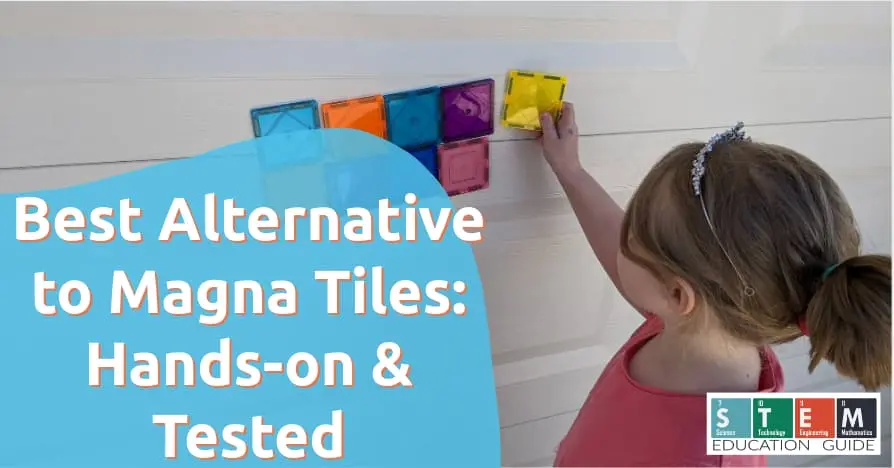
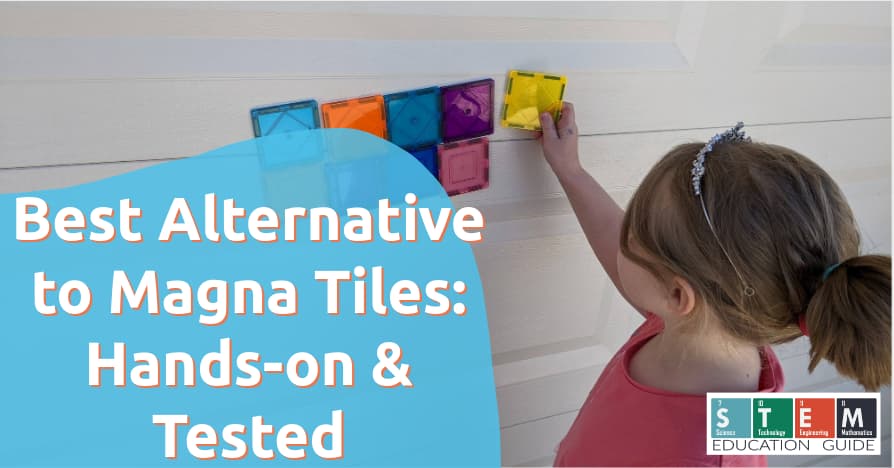
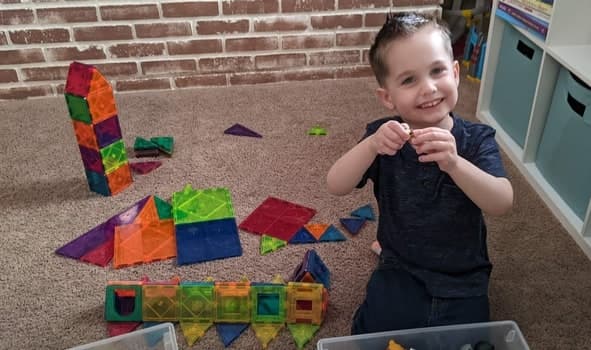
Magnetic building tiles have rapidly secured their position as a cornerstone of modern early childhood education and open-ended play. Celebrated for their ability to foster spatial awareness, fine motor skills, and foundational STEM (Science, Technology, Engineering, and Mathematics) concepts, these colorful, geometric toys captivate children for hours. Among the market pioneers, Magna-Tiles stands out as a household name, synonymous with durability and intuitive design.
However, as families look to expand their collections—or dive into the world of magnetic construction for the first time—they frequently encounter a significant barrier to entry: the price tag. Because Magna-Tiles maintain strict pricing controls and command a premium for their pioneering brand heritage, building an expansive, castle-sized collection can easily cost hundreds of dollars.
This investigative report explores the economics of magnetic toys, breaks down the realities of brand-name manufacturing versus high-quality alternatives, and provides an authoritative guide to the best affordable magnetic tile brands on the market. By evaluating structural integrity, color vibrancy, compatibility, and educational add-ons, this guide will help parents make an informed investment in their children’s creative play.
Detailed Chronology: The Evolution of Magnetic Building Toys
To understand the current marketplace of magnetic tiles, it is helpful to examine how the industry developed over the past three decades.
- 1997: The introduction of the original magnetic tile concept forever changed the landscape of construction toys. Designed to offer a seamless, frustration-free building experience for young children, these tiles hit the market and quickly captured the attention of educators and parents alike.
- The 2000s: As the patent details circulated and manufacturing techniques for safe, enclosed ABS plastic and neodymium magnets advanced, other toy developers recognized the massive potential of the medium. The market began to see its first wave of alternative brands.
- The 2010s: Brands like PicassoTiles and Cossy entered the fray, optimized for affordability. These competitors realized that families did not just want a starter set; they wanted to buy in bulk so children could build sprawling cities, towering skyscrapers, and intricate mechanical structures. Cross-compatibility between brands became a major selling point for consumers.
- Present Day: Today, the magnetic tile market is a multi-million-dollar sector. While pioneering brands still hold sway through name recognition and rigorous institutional marketing, high-quality generic and off-brand alternatives match—and in some cases exceed—the feature sets of the original innovators by offering specialized architectural pieces, luminous color profiles, and literacy-focused accessories.
Supporting Context & Metrics: Why Are Magna-Tiles So Expensive?
When consumers purchase a box of original Magna-Tiles, they are paying for several distinct factors that go into the final retail price:
1. Brand Equity and First-Mover Advantage
As the original inventors of the magnetic tile toy category, the brand earned the market’s initial trust. That historical advantage allows them to command a premium. Furthermore, the company enforces strict Minimum Advertised Pricing (MAP) policies. This means retailers cannot deeply discount the product without losing authorization to sell it, making sales and clearance events remarkably rare.
2. Material Safety and Testing Standards
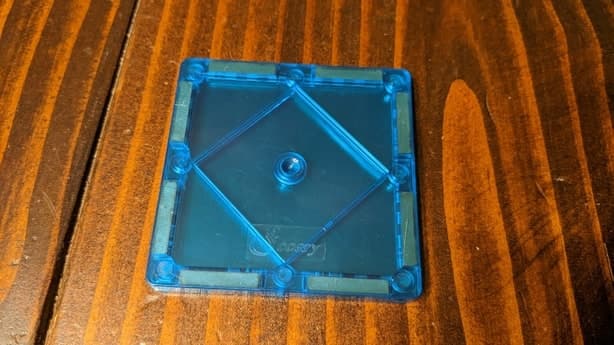
Like other reputable STEM toy manufacturers—including Connetix Tiles—Magna-Tiles must comply with stringent international and domestic product safety regulations. They are constructed from food-grade, non-toxic ABS plastic, and their internal magnets are securely sealed using ultrasonic welding to prevent choking hazards.
Independent toy-testing organizations, such as the Good Housekeeping Institute, routinely evaluate these products. Their findings consistently show that while original Magna-Tiles boast exceptional structural rigidity and drop-resistance, several alternative brands meet the exact same safety benchmarks at a fraction of the cost.
The Best Magna-Tile Alternatives: Expert Reviews and Evaluations
For parents seeking to expand their child’s toy collection without breaking the bank, several standout alternatives offer phenomenal value, high durability, and unique design features.
1. PicassoTiles
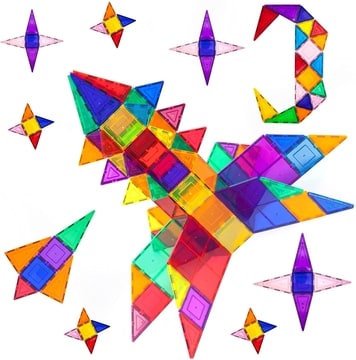
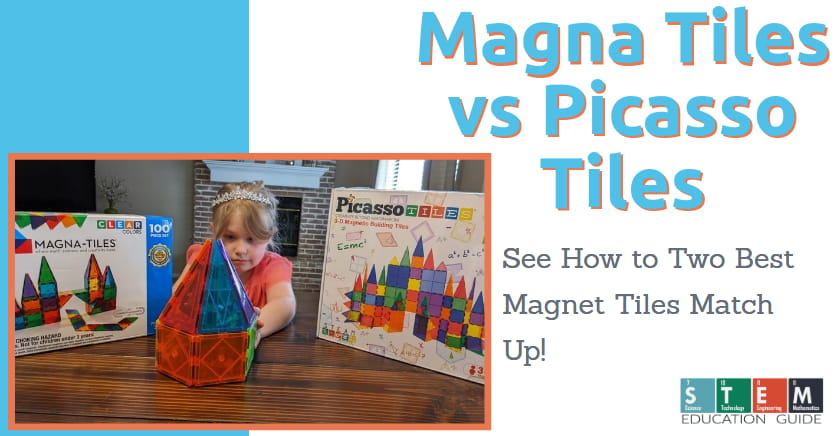
PicassoTiles consistently ranks at the top of consumer reviews for the best overall Magna-Tile alternative. Tested side-by-side with both Magna-Tiles and Connetix, PicassoTiles demonstrate impressive structural integrity and longevity.
- Why Families Love Them: They closely mirror the dimensions and magnet placement of original Magna-Tiles. This means if you already own a starter set of brand-name tiles, PicassoTiles integrate seamlessly into your existing collection.
- Value Proposition: They offer some of the most cost-effective large-format bundles on the market, allowing children to immediately scale up their building projects into massive neighborhoods and architectural marvels.
STEM Education Guide Tip: Curious about how they stack up directly? Reviewing a dedicated comparison breakdown of Magna Tiles vs. Picasso Tiles can help you evaluate the top ten differences between the two market giants.
2. Cossy Kids Magnetic Tiles
If visual appeal and color saturation are high on your priority list, Cossy takes the crown. Known for producing exceptionally vibrant and highly transparent tiles, Cossy sets illuminate brilliantly when sunlight hits them.
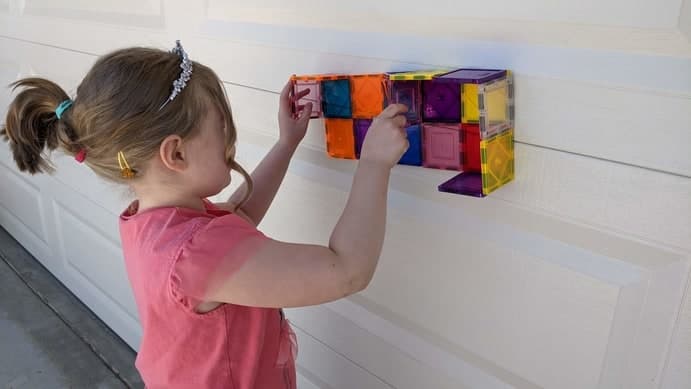
- Why Families Love Them: The brilliance of the colors adds an artistic, stained-glass effect to children’s creations. Furthermore, Cossy tiles feature clear age-grading specifications on their packaging, helping parents select appropriate sets for toddlers versus older school-aged children.
- Durability: Tested over years of heavy daily use in busy households, Cossy tiles maintain their structural clarity and magnetic strength, proving they are far more than just a "cheap knock-off."
3. Shapemags Magnetic Tiles for Kids
Shapemags introduce a clever multidisciplinary twist by blending spatial construction with early childhood literacy.
- Why Families Love Them: Beyond standard geometric shapes, certain Shapemags sets include "Stile Mags"—small magnetic slips featuring letters, numbers, and pictures that click securely onto the faces of the tiles. This transforms a standard building session into an interactive reading and spelling lesson.
- Expansion Potential: They make fantastic 60-piece starter kits or low-cost expansion packs that add educational layers to pre-existing magnetic block collections.
4. Magblock Magnetic Blocks
For children who love building specific types of real-world structures—such as houses, castles, and fire stations—Magblock offers an ingenious engineering solution out of the box.
- Why Families Love Them: Unlike standard starter sets that rely entirely on basic polygons, Magblock sets frequently include specialized architectural components like pre-built archways, windows, doors, and fences within their standard packages.
- Educational Impact: This allows young builders to immediately replicate complex structures without requiring parents to purchase expensive standalone add-on packs.
Official Industry Statements & Consumer Insights
Industry experts and developmental psychologists generally agree on one core principle: The value of a toy lies in what the child brings to it, not what the brand name brings to the box.
"Yes, Magna Tiles are exceptionally well-engineered magnetic tiles, but the performance gap is simply not wide enough to justify the exponential price difference for the average family." — Early Childhood Play Researcher
Consumer safety advocates emphasize that parents should never judge a toy’s safety solely by its price tag. Off-brand or generic magnetic tiles that carry proper certifications (such as ASTM and CPSIA compliance) undergo rigorous drop tests, torque tests, and chemical screenings to ensure the enclosed magnets cannot dislodge and pose a hazard to young children.
Future Outlook: The Expanding Universe of STEM Play
As manufacturing technology continues to democratize high-grade plastics and rare-earth neodymium magnets, the gap between name-brand toys and generic alternatives will likely continue to narrow.
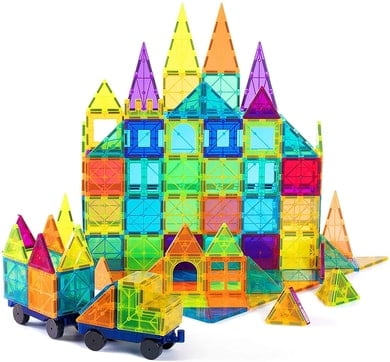
For parents, educators, and gift-givers, this is an encouraging trend. Open-ended play should be accessible to every child, regardless of budget constraints. By mixing and matching compatible brands—such as pairing a small set of original Magna-Tiles with an expansive batch of PicassoTiles or Cossy blocks—families can build massive, highly functional play systems that encourage creativity, engineering thinking, and collaborative teamwork.
A Fun Exploration Tip for Parents
To turn playtime into an active learning experience, ask your children open-ended comparative questions as they build:
- “How does the weight of this triangular piece compare to that square one?”
- “What do you notice about how the sunlight passes through the colors of this brand versus the other?”
Ultimately, there is nothing quite like the magic of imaginative, screen-free STEM building play—and the best part is that these toys are just as engaging for adults as they are for the builders on the floor.
Looking for more inspiration? Explore our comprehensive guide on 8 Awesome STEM Toys for 5-Year-Olds to discover more ways to spark curiosity and learning through play.

