
Executive Overview
For decades, cultural tropes have defined the "only child" through a narrow, often unflattering lens. Labeled as spoiled, hyper-independent, selfish, or profoundly lonely, individuals raised without siblings have long had to push back against societal misconceptions. However, as these solo children transition into middle age and beyond, a more complex, weighty reality emerges—one that rarely features in childhood caricatures or internet memes.
While the internet overflows with relatable content sympathizing with the "eldest daughter" or the dynamics of large sibling networks, the solo adult child faces a uniquely distinct set of trials. Chief among them is the inevitability of aging parents. When the time comes to step into the role of caregiver, decision-maker, and emotional pillar, the only child realizes a stark truth: they are standing entirely alone.
This article explores the profound emotional, logistical, and psychological landscape of being an only child navigating the twilight years of one’s parents. Drawing on expert insights from licensed marriage and family therapists, geographical challenges, and personal narratives, we examine the heavy burden of solo caregiving, the necessity of establishing firm boundaries, and the enduring gratitude that ultimately defines this unique familial bond.
Detailed Chronology: The Evolution of the Solo Child
To truly understand the modern only child confronting parental aging, one must trace the trajectory of this unique developmental path from early life through adulthood.
Phase One: Childhood and the Myth of Loneliness
In early childhood, the only child is often the subject of well-meaning but invasive curiosity from outsiders: "Aren’t you lonely?" or "Don’t you wish you had a brother or sister?" Yet, most only children report a remarkably rich internal world. Accustomed to entertaining themselves, they develop high levels of self-reliance, imagination, and independence.
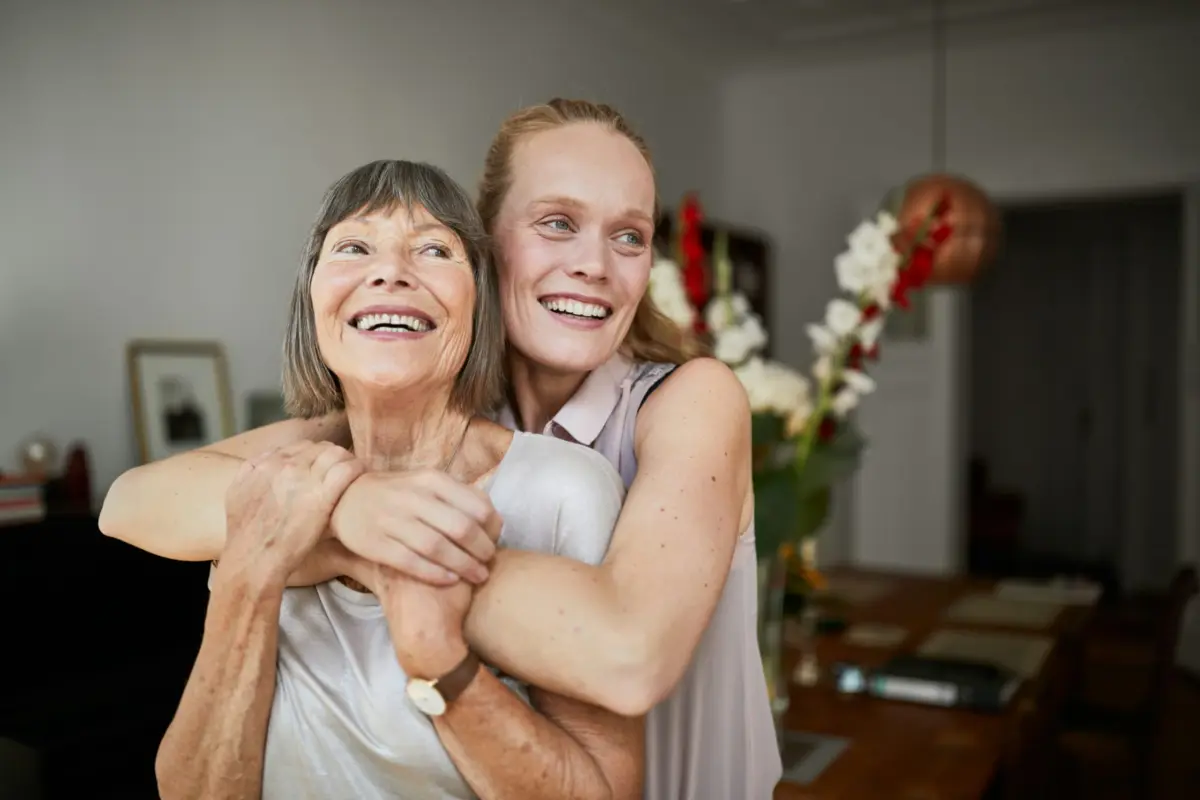
Furthermore, without the competition for parental attention inherent in sibling households, many only children forge exceptionally close, symbiotic relationships with their mothers and fathers. For many, parents transcend traditional authority figures to become trusted confidants and best friends. This foundational closeness forms the bedrock of their adult lives, shielding them from the loneliness that outsiders frequently assume they endure.
Phase Two: Independence and Adulthood
As these children grow into adulthood, the trait of hyper-independence solidifies—sometimes to a fault. They build careers, manage households, and navigate crises with the quiet confidence of individuals who know that, historically, they have only themselves to lean on.
During this phase, geography often pulls families apart. Career opportunities, housing markets, and lifestyle choices scatter families across vast distances. For instance, an adult child living on Canada’s west coast in Vancouver while their aging parents reside on Prince Edward Island illustrates a common geographical divide. In these years, visits are scheduled around holidays, and daily life continues at a comfortable, independent distance. Parents remain vibrant, self-sufficient, and seemingly immutable.
Phase Three: The Shift to Anticipatory Grief and Caregiving
The illusion of parental permanence shatters subtly at first—a missed step, a routine doctor’s visit that turns into a battery of tests, or a subtle slowing of step. For the only child, this marks the entry into the "sandwich generation" and the onset of anticipatory grief.
Unlike individuals with siblings, who can divvy up responsibilities, share memories, and commiserate over the decline of their parents, the only child absorbs the full spectrum of this transition. The realization sets in: when the heavy medical, financial, and emotional decisions arrive, there is no sibling to call for a second opinion, no co-conspirator to share the family narrative, and no one else to split the physical burden of care.
Supporting Context & Metrics: The Psychological Toll of Solo Caregiving
The emotional architecture of caregiving is notoriously complex, but for solo children, specific psychological vectors heighten the risk of burnout, chronic stress, and profound isolation.
The Myth of "Easier Decisions"
A pervasive societal misconception is that being an only child makes decision-making easier because there are no siblings to argue with, debate strategies, or dispute medical choices. Licensed marriage and family therapist Dr. Marisa T. Cohen debunks this notion directly:
"People assume that since decisions don’t need to be run by other people, they are easier to make; however, the emotional toll can be much harder as there isn’t anyone to process these decisions with."
Without a sounding board who shares an identical family history, the only child bears 100% of the cognitive and emotional load. Every choice—from selecting a home health aide to deciding on aggressive medical interventions—carries the terrifying weight of absolute responsibility. The internal monologue often plagues them: Did I make the right choice? What if I am wrong? Who else is going to look after them if not me?
Geographical Distance and the Tyranny of Logistics
When families are separated by thousands of miles, the logistics of aging parents become a slow-burning crisis. While local friends and neighbors can provide stopgap assistance, they cannot replace the sustained presence of an adult child. The looming dread of "the inevitable"—knowing that a sudden health crisis could force an immediate, uprooting relocation—adds an underlying current of anxiety to daily life.
Guilt versus Self-Preservation
Adult children frequently fall into the trap of parental obligation. Guilt acts as a constant companion: guilt for living far away, guilt for not calling enough, and guilt for wanting to live one’s own life independent of parental care demands. This friction between deep-seated love for aging parents and the natural human desire for personal autonomy creates an internal war zone.
Official Statements & Expert Insights: Strategies for Survival
Navigating the twilight years of parents without the safety net of siblings requires intentional planning, professional support, and radical boundary-setting. Experts offer critical frameworks for solo adult children facing this chapter.
1. Initiate Difficult Conversations Early
Waiting for a medical emergency to discuss healthcare proxies, finances, and end-of-life wishes is a recipe for catastrophic stress. Dr. Cohen strongly advises initiating these dialogues while parents are still fully cognizant and participatory:
"It’s helpful to have the important conversations (such as healthcare wishes, finances, end-of-life care, etc.) early. While these conversations are often uncomfortable to have, it’s best to have them when everyone can fully participate in them."
Knowing a parent’s explicit wishes removes a fraction of the guesswork when crisis strikes, offering a psychological anchor in turbulent times.
2. Establish and Enforce Rigorous Boundaries
To prevent caregiver burnout, solo children must master the art of boundary-setting. Protecting one’s own mental and physical health is not selfish; it is a prerequisite for effective caregiving.
- Define Capacity: Be brutally honest with yourself about your realistic time, logistical ability, and emotional bandwidth.
- Manage Expectations: Clearly communicate your limits to your parents and family members. For example, explicitly stating, "I am only available on Tuesdays and Wednesdays to take you to appointments," structures expectations and preserves your professional and personal life.
- Process the Guilt: Acknowledge that feeling guilty does not mean you are doing something wrong. Working through complex emotional fallout with a mental health professional can provide essential clarity.
3. Build a "Chosen Family" and Professional Care Team
The ingrained hyper-independence of the only child must be consciously dismantled when caring for aging parents. You do not have to do it alone, even if you are the only family member at the table.
- Enlist Professionals: Integrate financial advisors, geriatric care managers, therapists, and home health aides into a cohesive caregiving team.
- Lean on Chosen Family: Close friends from high school, trusted neighbors, and partners can assist with bureaucratic tasks, emotional support, and the minor, day-to-day burdens that accumulate over time.
As Dr. Cohen summarizes:
"Build a supportive caregiving team that includes professionals… as well as trusted family members and friends who can help with tasks… Chronic stress can take a real toll on your physical and mental health, so protecting your own well-being is part of caring for your parents, too."
Future Outlook: Reframing the Solo Experience
As demographic shifts point toward smaller family sizes and an aging global population, the phenomenon of the solo adult child managing parental care will only become more common. Society must move beyond outdated stereotypes of the "selfish, lonely only child" and recognize the immense, unacknowledged emotional labor carried by these individuals.
For the solo child looking toward the future, the path forward involves accepting a dual truth: the heavy emotional weight of losing one’s parents cannot be outsourced, but the logistical and daily burdens can be shared.
Reflecting on this journey reveals a profound realization. Despite the stress, the geographic distance, and the terrifying moments of absolute solitude in doctors’ offices, most only children wouldn’t trade their upbringing. The deep, singular bond forged with their parents—a relationship undiluted by sibling rivalry or divided attention—remains one of their life’s greatest treasures.
Ultimately, dealing with aging parents is universally difficult, regardless of whether one has siblings or stands completely alone. By embracing gratitude, establishing firm boundaries, and leaning on a network of chosen family and professionals, the solo child can navigate this final chapter with grace, resilience, and the enduring strength that has defined them their entire lives.

