
Executive Overview
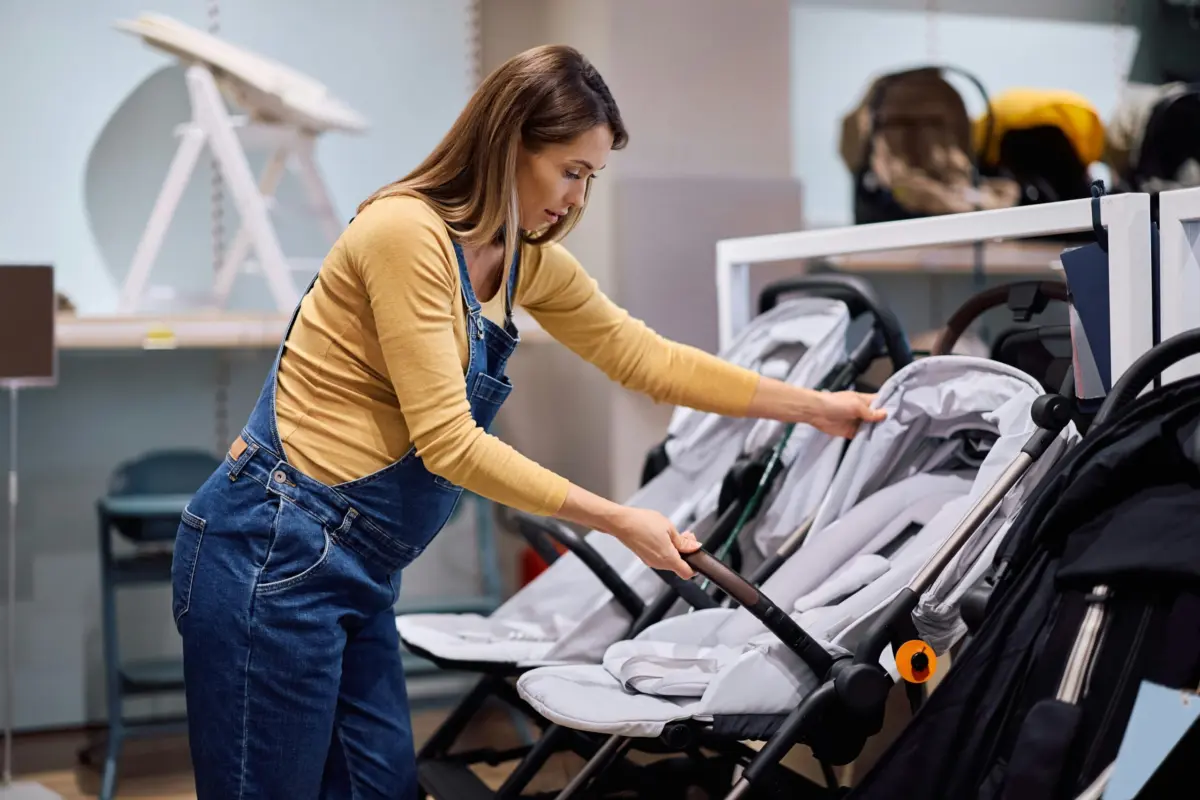
The months leading up to the arrival of a newborn are often characterized by a unique psychological phenomenon known as "nesting." Expectant parents find themselves immersed in a whirlwind of preparation, devouring parenting literature, scouring digital forums, and scrutinizing every minute detail of infant care. While it is universally understood that no amount of preparation can entirely predict the unpredictable reality of the first few weeks with a newborn, this innate drive to organize serves a vital psychological and practical purpose. It offers parents a sense of agency, transforming anxiety into tangible action.
At the core of this preparation is the curation of essential supplies. From assembling the nursery and laundering microscopic garments to stocking up on high-performance diapering products, successful nesting is about establishing a reliable foundation. When parents can trust the quality, safety, and efficacy of their chosen essentials, they free up emotional bandwidth to focus on what truly matters: bonding with their new child.
This report examines the science behind parental nesting, the shifting landscape of infant care product safety, and the rigorous standards modern parents should demand. By analyzing key product innovations—such as advanced absorbent diaper technology, minimalist wipe formulations, and the psychological value of commemorating developmental milestones—we explore how thoughtful preparation can mitigate the stress of early parenthood and foster a healthier environment for both infant and caregiver.
Detailed Chronology: The Arc of Expectancy and Preparation
To understand the modern approach to preparing for a newborn, it is helpful to trace the typical psychological and logistical timeline experienced by expectant parents throughout gestation.
Phase One: The First Trimester – Discovery and Conceptualization
The journey typically begins with the confirmation of pregnancy. During the initial weeks, the focus is largely medical and internal. Expectant parents navigate the emotional reality of the impending life change. Logistically, preparation is minimal, restricted primarily to scheduling prenatal care and beginning rudimentary research into health, nutrition, and lifestyle adjustments.
Phase Second: The Second Trimester – The Nesting Impulse Awakens
As the pregnancy progresses into the second trimester, energy levels often rebound, and the reality of the impending arrival solidifies. This period frequently marks the onset of the nesting phase. Parents begin mapping out the physical space the child will occupy.
- Space Allocation: Spare rooms are cleared, nursery layouts are conceptualized, and initial aesthetic choices—color palettes, furniture selection, and lighting—are made.
- Information Gathering: This is the era of intensive research. Expectant parents consume parenting books, consult pediatric guidelines, and seek recommendations from experienced peers. The goal during this window is to demystify the unknown, establishing a mental framework for infant care.
Phase Three: The Third Trimester – Tactical Execution and Stocking
As the due date approaches, the psychological need for control intensifies, translating into physical, tactical execution. This is the height of the nesting period.
- The Nursery Takes Shape: Furniture is assembled, cribs are certified for safety, and infant clothing is washed and categorized by size.
- Logistical Stocking: Parents build comprehensive inventories of daily consumables. Recognizing that postpartum exhaustion will limit frequent trips to the store, households stock up on high-turnover items: diapers, wipes, feeding accessories, and bathing supplies.
- The Hospital Go-Bag: The final weeks involve packing essential items for the labor and delivery suite, ensuring a seamless transition from home to hospital.
Phase Four: The Postpartum Transition – Application and Adaptation
The chronology culminates in birth, shifting the paradigm instantly from preparation to execution. The meticulously planned nursery is put to the test. In this high-fatigue environment, the quality of the preparations made during the third trimester becomes immediately apparent. Parents who have selected reliable, high-performance products find themselves better equipped to handle the demands of round-the-clock infant care, while those who overlooked foundational details may face compounding stressors.
Supporting Context & Metrics: The Science of Infant Skin and Product Safety
Navigating the marketplace of infant care products requires an understanding of infant physiology. An infant’s skin is structurally different from adult skin—it is significantly thinner, more permeable, and more susceptible to irritation, moisture, and environmental toxins. Consequently, the criteria parents use to evaluate consumables like diapers and wipes must be grounded in dermatological science.
The Physiology of Infant Skin
Newborn skin has a higher surface-area-to-weight ratio than adult skin, meaning it absorbs topical substances more readily. The skin barrier is still developing during the first year of life, making it prone to transepidermal water loss and vulnerable to friction, chemical irritants, and microbial imbalances.
- Moisture Management: Prolonged exposure to moisture is the primary precursor to diaper dermatitis (diaper rash). Modern diaper engineering must therefore prioritize rapid fluid acquisition, uniform distribution, and high retention capacities to keep moisture away from the skin’s surface.
- The Microbiome: Emerging pediatric research highlights the importance of maintaining a healthy skin microbiome in infants. Products that disrupt the natural balance of skin flora can compromise the skin’s protective immune functions.
Industry Standards and Testing Metrics
To protect vulnerable infant skin, top-tier manufacturers subject their products to rigorous testing protocols. When evaluating diapers and wipes, parents should look for specific benchmarks of safety and efficacy:
- Dermatological Accreditation: Seals of approval from recognized bodies, such as the Skin Health Alliance, indicate that independent dermatologists have reviewed safety and efficacy data.
- Chemical Screening: Premium products are tested against thousands of potentially harmful chemicals, ensuring that volatile organic compounds (VOCs), heavy metals, and known allergens are entirely absent from the manufacturing process.
- Hypoallergenic Formulations: For wipes and cleansers, hypoallergenic certification means the product has been formulated to minimize the risk of allergic reactions, utilizing minimal, high-tolerance ingredients.
| Product Category | Key Functional Requirement | Critical Safety Benchmark | Typical Composition Focus |
|---|---|---|---|
| High-Absorbency Diapers | Rapid fluid acquisition, leak prevention, moisture isolation | Dermatological accreditation, testing against 1,000+ chemicals | Multi-layer protection, absence of latex, parabens, and fragrances |
| Infant Wipes | Gentle cleansing, skin hydration, pH balance | Hypoallergenic, alcohol-free, fragrance-free | High-purity water base (e.g., 99%), minimal additives |
Official Guidelines and Expert Perspectives: Navigating the Market
As the market for infant care products expands, pediatricians, dermatologists, and industry experts offer clear guidance to help parents cut through marketing noise and focus on what truly impacts infant health.
The Principle of Verification: Trust, But Verify
Marketing claims in the juvenile products industry can often be ambiguous. Terms like "natural," "gentle," or "pure" are frequently unregulated, leading to consumer confusion (a phenomenon sometimes referred to as "greenwashing" or "health-washing").
Expert consensus dictates that parents should look past front-of-package marketing claims and examine the ingredient list and certifications on the back of the packaging. For instance, high-performance options like Pampers AMORE eliminate guesswork by maintaining transparent standards: they are explicitly formulated without fragrances, parabens, and natural rubber latex. Furthermore, being dermatologically accredited by the Skin Health Alliance and tested against over 1,000 harmful chemicals provides an objective standard of safety that parents can verify independently.
The Minimalism Paradigm: Less Is More in Formulation
When evaluating topical products—particularly baby wipes—experts consistently advocate for a minimalist approach. The skin does not benefit from complex chemical formulations; rather, it thrives on simplicity.
Leading pediatric dermatologists emphasize that wipes should clean effectively without stripping the skin’s natural lipid barrier. Products designed around this philosophy, such as Pampers Aqua Pure Wipes, utilize formulations anchored by a high percentage of purified water (often 99%) designed to gently clean and replenish the skin. By deliberately excluding unnecessary additives—such as alcohol (ethanol), parabens, phthalates, sulfates (harsh detergents), synthetic dyes, and artificial fragrances—these products significantly reduce the likelihood of contact dermatitis and irritation, offering peace of mind to conscientious caregivers.
Holistic Support: Beyond the Basics
Beyond the utilitarian aspects of diapering and wiping, child development experts stress the importance of parental well-being and emotional connection. The transition to parenthood is frequently accompanied by profound sleep deprivation, steep learning curves, and significant financial adjustments.
Recognizing these psychological pressures, industry innovators have begun incorporating holistic support into their offerings. Initiatives like the Pampers Milestone Memories Gift Set acknowledge that early parenthood is not merely a series of logistical tasks, but an emotional journey. By bundling essential consumables with keepsakes designed to capture developmental milestones, such products encourage parents to pause amidst the chaos and celebrate the positive, joyful moments of their child’s first year.
Future Outlook: The Evolution of Infant Care and Parental Preparedness
As we look toward the future of parenting and infant product manufacturing, several key trends are poised to shape how expectant parents prepare for and navigate the newborn phase.
Technological Advancements in Material Science
The future of diapering technology lies in advanced material science focused on sustainability and hyper-performance. Manufacturers are increasingly exploring biodegradable super-absorbent polymers, plant-based fibers, and breathable backsheets that maintain high integrity while reducing environmental footprints. Innovations like those seen in Pampers AMORE—featuring advanced multi-layer protection designed to support skin health and microbiome integrity—signal a shift toward functional intelligence, where the diaper acts as an active participant in skin health management rather than a passive receptacle.
The Rise of Transparent Consumerism
Modern parents, particularly Millennials and Generation Z, demand radical transparency from the brands they invite into their homes. Future product development will likely be driven by digital integration, where consumers can scan packaging to access immediate, verifiable supply chain data, third-party laboratory test results, and clear explanations for every ingredient utilized. This transparency will diminish the efficacy of misleading marketing claims, rewarding brands that adhere to strict, verifiable safety standards.
Holistic Well-Being as a Standard Offering
The integration of mental health awareness and emotional support into the postpartum product landscape will continue to expand. Future product bundles and registry solutions will likely extend beyond physical consumables to include access to lactation consultants, postpartum mental health resources, and digital tracking tools designed to alleviate parental anxiety.
By acknowledging that a parent’s peace of mind is directly linked to infant well-being, the industry is moving toward a more holistic paradigm of care.
Conclusion
The journey of preparing for a newborn is a profound exercise in balancing anticipation with reality. While it is impossible to script the precise contours of those first sleepless weeks, the act of thoughtful nesting provides parents with a vital sense of control and readiness.
By grounding their preparations in scientific understanding—prioritizing rigorously tested, high-performance diapers like Pampers AMORE, minimalist and gentle cleansing solutions like Pampers Aqua Pure Wipes, and mindful approaches to celebrating development through offerings like the Pampers Milestone Memories Gift Set—expectant parents can build a secure foundation for their family.
Armed with the right knowledge, verifiable safety standards, and reliable essentials, parents can step into the adventure of early parenthood with confidence, leaving them free to focus on what matters most: embracing every precious moment with their new child.

