In the high-stakes ecosystem of modern education, instructional coaching and professional development are designed to serve as catalysts for academic excellence. Yet, when school leaders and instructional coaches introduce pedagogical modifications, they frequently encounter a formidable barrier: teacher pushback. Traditionally, this resistance has been diagnosed as a personal defect of the educator—characterized as inflexibility, professional burnout, or an outright refusal to modernize classroom practices.
However, renowned educator, author, and coach Elena Aguilar challenges this long-standing paradigm in her landmark ninth book, How to Coach Resistance: Turning Pushback Into Possibility. Aguilar posits a provocative counter-thesis: resistance is rarely a localized issue originating solely within the teacher. Instead, it is an interactive dynamic co-created by both parties in the coaching relationship.
By analyzing the mechanics of interpersonal pressure, recognizing the emotional undercurrents of pushback, utilizing comprehensive diagnostic tools, and validating legitimate pedagogical objections, Aguilar provides a transformative blueprint for educational leaders. This investigative overview explores Aguilar’s insights, examining how coaches can drop their psychological "defensive hands," decode the root causes of educator resistance, and foster genuine professional growth across classrooms nationwide.
Detailed Chronology and Evolution of the Coaching Dynamic
To understand how educational coaching arrived at its current crossroads, one must trace the historical evolution of instructional support in schools. For decades, school improvement models relied heavily on a top-down supervisory framework. Principals and district administrators acted as compliance officers, monitoring fidelity to curricula and penalizing deviations from institutional norms.
The Shift Toward Collaborative Coaching
As educational research pivoted toward adult learning theory in the late 1990s and 2000s, the paradigm shifted. Schools began employing dedicated "instructional coaches"—colleagues tasked with non-evaluative support to help teachers refine their craft. The intention was noble: to create a safe, supportive space for pedagogical experimentation.
Despite this structural evolution, the psychological undercurrents of the relationship often remained adversarial. When a coach suggested a new strategy—such as shifting from traditional direct instruction to project-based learning or adopting a newly mandated, scripted literacy curriculum—and a teacher balked, historical reflexes took over. The coach, feeling the pressure to demonstrate district-level progress, would double down on their recommendations. The teacher, feeling micro-managed or overwhelmed by compounding systemic demands, would retreat behind closed classroom doors.
The Epiphany: Resistance as a Two-Way Street
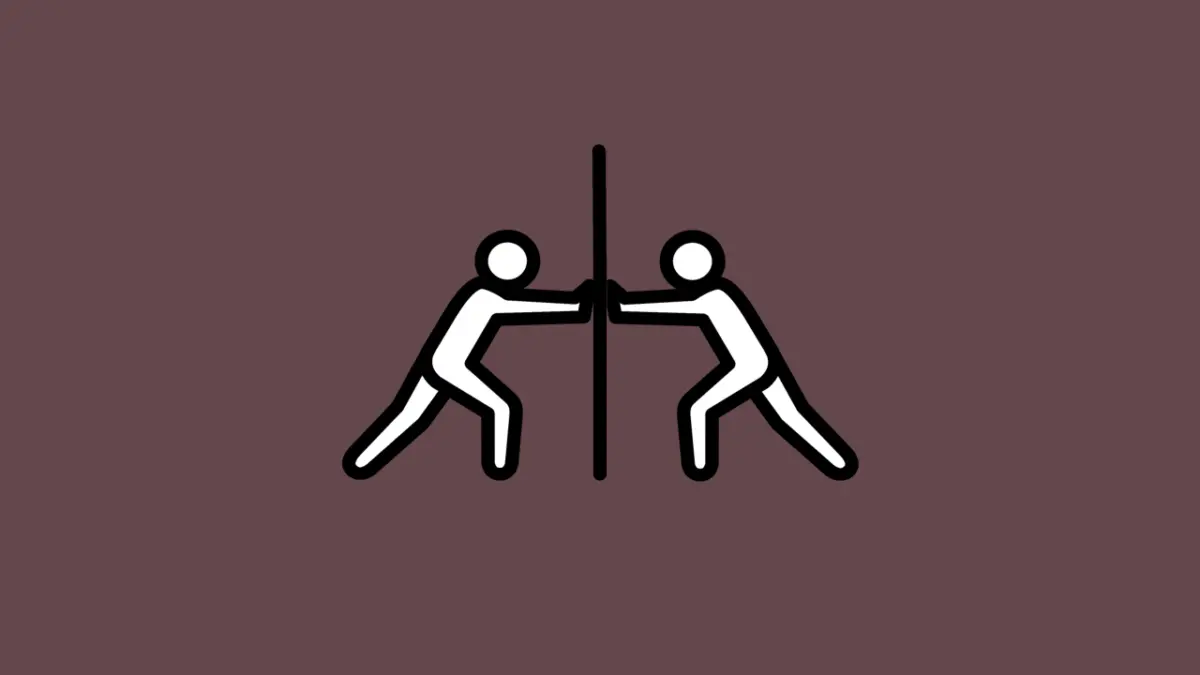
Aguilar’s work marks a critical inflection point in this chronology. Drawing on decades of field experience, she observed that resistance functions much like physical friction: it requires two surfaces pressing against one another to generate heat.
When a coach approaches a classroom with an agenda to "fix" a perceived deficit, teachers intuitively sense the judgment. In response, they deploy defense mechanisms. They might argue that their students are "too low" for advanced tasks, or that logistical constraints make the proposed strategy impossible. In return, the anxious coach counters with data points and pedagogical theories, attempting to override the objection.
This escalatory loop transforms a supportive consultation into a psychological tug-of-war. Aguilar’s framework breaks this timeline of escalation by introducing a radical intervention: unilateral de-escalation. By dropping the metaphorical hand pushing against the educator, the coach alters the physics of the interaction, opening a portal for genuine dialogue rather than defensive posturing.
Supporting Context & Diagnostic Frameworks
To move beyond superficial compliance, Aguilar introduces robust structural frameworks that give coaches concrete methodologies for decoding pushback. Rather than guessing why a teacher is uncooperative, leaders are encouraged to systematically analyze emotional realities, psychological stories, and competence gaps.
1. The ACE Framework: Navigating Emotional Undercurrents
Beneath nearly every instance of pedagogical pushback lies a complex web of unexpressed emotions—fear of failure, shame regarding classroom management struggles, or exhaustion from systemic instability. Aguilar’s ACE framework offers a three-step protocol for managing these affective states:
Acknowledge Emotions: Before jumping into tactical problem-solving, coaches must pause and validate the teacher’s emotional reality. This requires no clinical training, only empathetic presence. By gently noting observations—such as, "It sounds like there’s some anxiety around pacing this unit; does that resonate?"—the coach signals psychological safety. Utilizing tools like Aguilar’s Core Emotions inventory further assists educators in pinpointing nuanced feelings like vulnerability or overwhelm, moving past initial anger or withdrawal.
Cultivate Compassion: Self-judgment runs rampant among educators who internalize systemic challenges as personal failures. Coaches must help teachers cultivate self-compassion by asking a powerful reframing question: "What would you say to a beloved colleague facing this exact same hurdle?" Crucially, Aguilar stresses that coaches cannot invite others into self-compassion if they have not deeply practiced it themselves.
Expand the Story: Human beings constantly construct internal narratives to make sense of adversity. A teacher who fails a lesson might adopt the fixed belief: "I am a poor classroom manager, and these kids will never respect me." Expanding the story involves unpacking these catastrophic narratives, examining alternate explanations, and co-creating a forward-looking interpretation of events.
2. The Gaps Framework: Diagnosing the True Obstacle
When a teacher struggles to implement a requested change, educational leaders routinely assume a "will gap"—the cynical assumption that the educator simply refuses to work. Aguilar’s Gaps Framework dismantles this bias by categorizing professional obstacles into six distinct dimensions:
Skill: The physical ability to execute a pedagogical technique.
Knowledge: Understanding the foundational theory or content behind a strategy.
Capacity: Having the requisite time, energy, and cognitive bandwidth.
Will: Internal motivation and belief in the value of the endeavor.
Emotional Intelligence: The ability to regulate one’s emotions and navigate relational dynamics.
Cultural Competence: Awareness of equity issues, implicit bias, and the diverse lived experiences of students.
By systematically evaluating these six categories, coaches avoid misdiagnosing systemic resource shortages or skill deficiencies as mere stubbornness. For example, a secondary science teacher resisting a collaborative inquiry model may not lack the will to engage students; rather, they may lack the specific skills required to manage dynamic group work in a crowded laboratory setting.
Official Statements and Expert Perspectives
The release of Aguilar’s work has sparked broad discourse among educational psychologists, district superintendents, and professional development leaders. Industry experts are increasingly rallying around the philosophy that emotional intelligence is as vital to educational leadership as data literacy.
In her interviews surrounding the book launch, Aguilar emphasized the paradigm shift required of contemporary instructional leaders:
"What we experience as resistance is actually the dynamic between two people. If you don’t want to experience resistance, drop your hand. Stop exerting your own pressure against their pressure. This is not to blame you; it is the most hopeful thing I can tell you, because it means resistance is not fixed. It is determined at least in part by what you bring into the room, and what you bring is something you can change."
Furthermore, Aguilar validates a controversial yet vital truth: not all resistance is unwarranted.
"There are times when resistance is righteous, and there needs to be resistance," Aguilar notes. "Resistance in and of itself is not a bad thing."
When educational mandates originate from bureaucratic entities far removed from the realities of the classroom—such as forcing early childhood educators to rigidly enforce hour-long sedentary lecture blocks—pushback is not dysfunction; it is professional integrity. Coaches, therefore, must possess the courage to help educators audit mandates, evaluate legitimate points of contention, and navigate institutional channels to advocate for developmentally appropriate practices.
Future Outlook: Implications for School Leadership and Professional Development
As school districts grapple with chronic educator burnout, retention crises, and shifting curriculum standards, the traditional playbook for instructional coaching is rapidly obsolescing. Punitive observation models and coercive professional development sessions consistently fail to yield sustainable gains in student achievement.
The widespread adoption of Aguilar’s philosophy points toward a more humane, relational future for educational leadership. Moving forward, teacher preparation programs and administrative credentialing tracks must integrate advanced training in emotional intelligence, somatic awareness, and collaborative dialogue.
Key Takeaways for the Future of Coaching:
Redefining Success: Success in instructional coaching will no longer be measured by immediate compliance, but by the depth of professional trust established between educator and coach.
Systemic Empathy: District leaders must recognize that teacher pushback is often an early-warning indicator of structural friction, signaling overburdened capacities, unrealistic timelines, or misaligned resources.
Partnership over Prescription: By shifting from a stance of authoritative expertise to collaborative partnership, coaches can dismantle defensiveness and unlock the intrinsic motivation that originally drew teachers to the profession.
Ultimately, Aguilar’s work serves as a powerful reminder that teaching is, at its core, a deeply human enterprise. When instructional leaders replace judgment with curiosity, and hostility with compassion, they transform resistance from an insurmountable obstacle into an extraordinary gateway for professional evolution and institutional excellence.