
Executive Overview
In the modern educational landscape, fostering critical thinking, problem-solving, and a passion for learning has shifted beyond the traditional classroom. Today, parents, educators, and mentors are increasingly turning to subscription boxes to bridge the gap between theoretical knowledge and practical application. While brands like KiwiCo have undeniably captured the market’s spotlight and popularized the concept of monthly, project-based discovery, a burgeoning ecosystem of alternatives now exists.
These services—spanning disciplines from engineering and early childhood development to advanced chemistry, geography, and art—offer specialized curricula tailored to diverse learning styles and age groups. Far more than mere entertainment, these kits serve as structural anchors for homeschooling, antidotes to excessive screen time, and catalysts for lifelong intellectual curiosity. Based on exhaustive, hands-on family testing, this report provides an authoritative assessment of the top STEM and STEAM subscription boxes available today, helping stakeholders navigate the crowded marketplace to find the ideal fit for their children’s developmental needs.
Detailed Chronology: The Rise of the Subscription Box Economy in Education
The phenomenon of children’s subscription boxes did not happen overnight; it represents the convergence of the subscription-commerce boom and a shifting pedagogical philosophy that prioritizes experiential education.
- Early 2010s (The Pioneer Phase): The market saw the emergence of foundational direct-to-consumer educational kits, most notably Little Passports in 2009, which introduced children to geography and world cultures through physical artifacts and storytelling. Around the same time, educational toy subscriptions began experimenting with recurring delivery models to combat the "buse-and-discard" cycle of traditional retail toys.
- Mid-2010s (The KiwiCo Dominance): KiwiCo launched with a mission to inspire young innovators through hands-on projects categorized by age and developmental stage. By streamlining design, sourcing, and instructional clarity, KiwiCo established the gold standard for monthly STEM/STEAM crates, forcing a rapid evolution across the industry.
- Late 2010s to 2020 (Specialization and Niche Expansion): Recognizing that a one-size-fits-all approach could not effectively serve infants up to teenagers, the market fractured into specialized segments. Companies like Lovevery redefined early childhood development (ages 0–4) through Montessori-aligned, stage-based play, while MEL Science brought high-end, digital-hybrid chemistry and physics kits into residential homes.
- 2020 to Present (The Creator-Led and Advanced STEM Era): The pandemic-induced shift toward remote and hybrid learning accelerated demand for at-home educational resources. Concurrently, high-profile creators—such as former NASA engineer and YouTuber Mark Rober with CrunchLabs—entered the market, shifting the focus toward pure engineering challenges, mechanical invention, and digital mentorship. Today, the sector is characterized by sophisticated integration of augmented reality (AR), cross-disciplinary STEAM integration, and targeted age-bracket engineering.
Supporting Context & Metrics: Why STEM Subscriptions Matter
To understand the enduring popularity of these services, one must examine the broader educational and developmental context. STEM (Science, Technology, Engineering, and Mathematics)—and its expanded variant STEAM, which incorporates Art—is foundational to modern workforce readiness.
The Pedagogical Impact
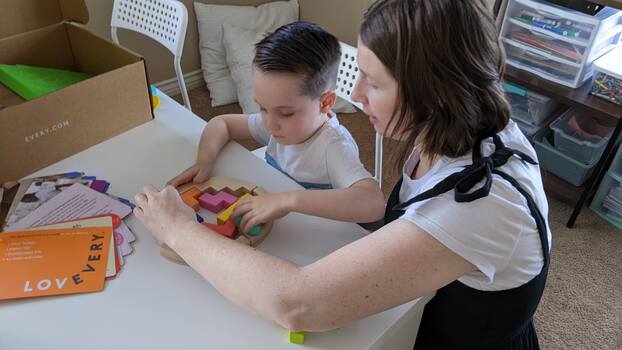
According to educational research compiled by STEM education advocates, experiential learning stimulates intrinsic motivation. When children encounter real-world problems embedded within physical kits, they are forced to brainstorm, hypothesize, test, and iterate. This trial-and-error framework builds resilience, fine-tunes critical thinking, and enhances spatial-reasoning skills in ways that passive digital media cannot replicate.
Practical Metrics for Parents
Beyond cognitive benefits, subscription boxes provide immense logistical value for busy parents and homeschoolers. A comparative analysis of home-education strategies highlights key operational advantages:
| Benefit | Impact on Parents & Educators |
|---|---|
| Reduction of Screen Time | Actively redirects children’s attention from digital devices to tangible, tactile creation. |
| Prepped & Curated Activities | Eliminates the time-sink of sourcing disparate craft supplies, specialized hardware, and instructional guides. |
| Homeschool Integration | Supplies structured, sequential modules that easily supplement daily or weekly core curriculums. |
| Cognitive Offloading | Frees up parental bandwidth by providing expertly designed, age-appropriate challenges that require minimal adult intervention. |
In-Depth Analysis of Top KiwiCo Alternatives
While KiwiCo remains an industry titan, several competitors offer distinct advantages depending on a child’s age, developmental focus, and specific areas of interest.
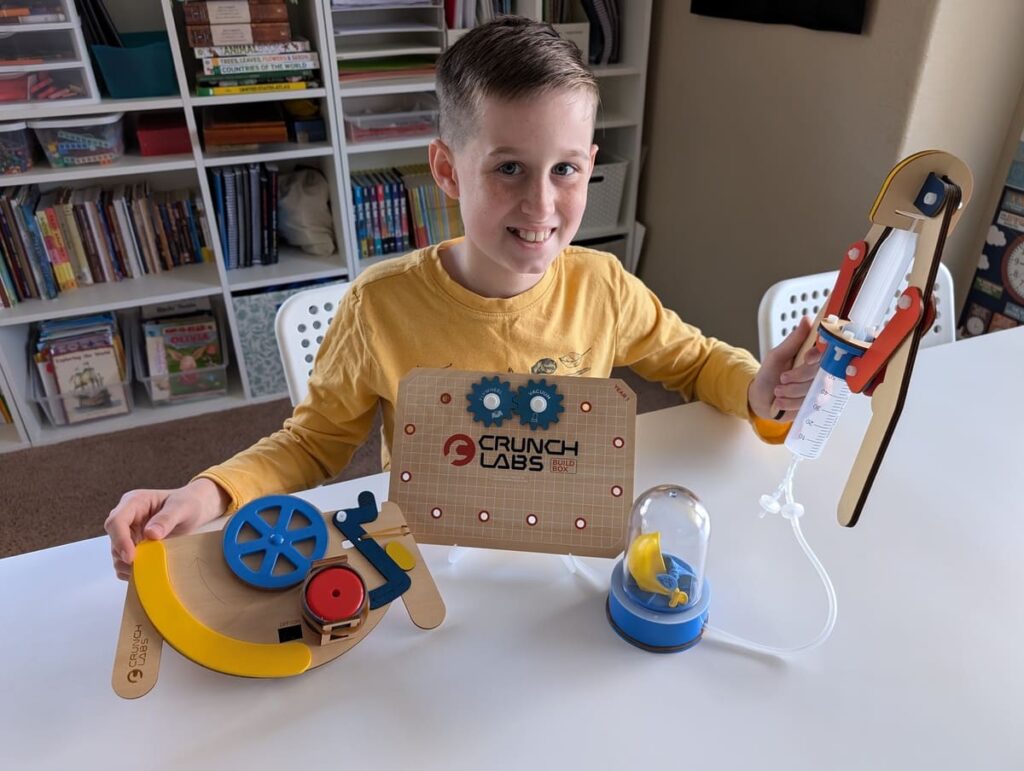
1. CrunchLabs: Engineering Through Invention
- Target Audience: Older children and adolescents interested in mechanics and building.
- Origin & Philosophy: Founded by former NASA engineer and prominent YouTube educator Mark Rober, CrunchLabs focuses heavily on the engineering design process.
- The Experience: Each month, subscribers receive raw parts and structural components that assemble into working gadgets, mechanical toys, or functioning machines. Crucially, the physical kit is paired with exclusive video content wherein Rober breaks down underlying engineering concepts with high energy and deep technical authority.
- Comparison: Often viewed alongside KiwiCo’s Tinker Crate or Eureka Crate, CrunchLabs leans further into open-ended invention and real-world mechanical problem-solving.
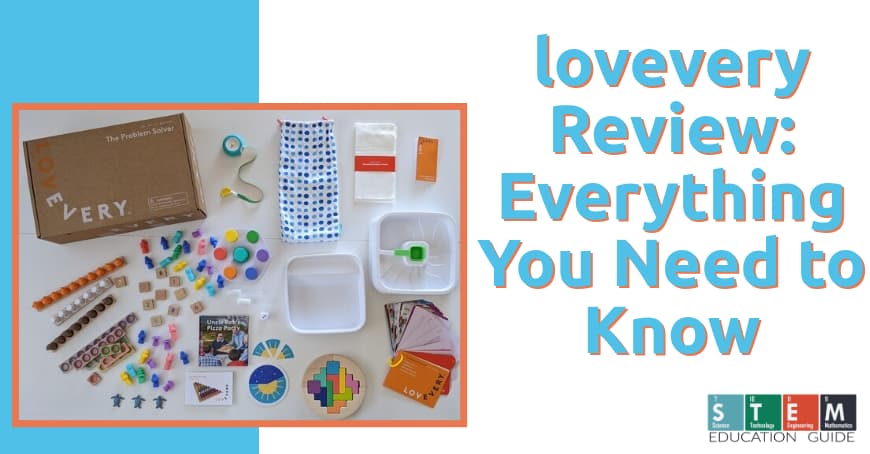
2. Lovevery: Montessori-Aligned Early Development
- Target Audience: Infants and toddlers aged 0 to 4 years.
- Origin & Philosophy: Designed with a heavy emphasis on developmental neuroscience, positive discipline, and Montessori principles, Lovevery (pronounced Love-every) is widely considered the premier early-childhood alternative to KiwiCo.
- The Experience: Delivered bi-monthly, each "play kit" is meticulously researched and packed with sustainable wooden toys, organic cotton items, and sensory objects calibrated precisely to a child’s current neurological milestone.
- Key Advantages: Unmatched build quality, extensive research backing, and a complete absence of plastic gimmicks make it an exceptional investment for the formative years of brain development.
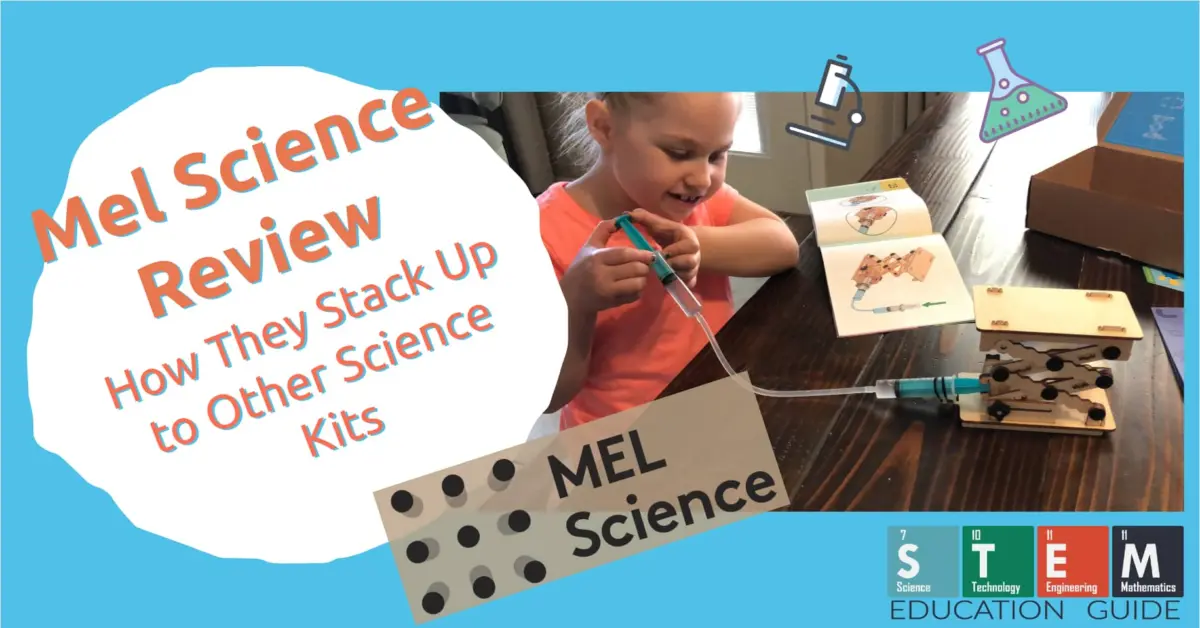
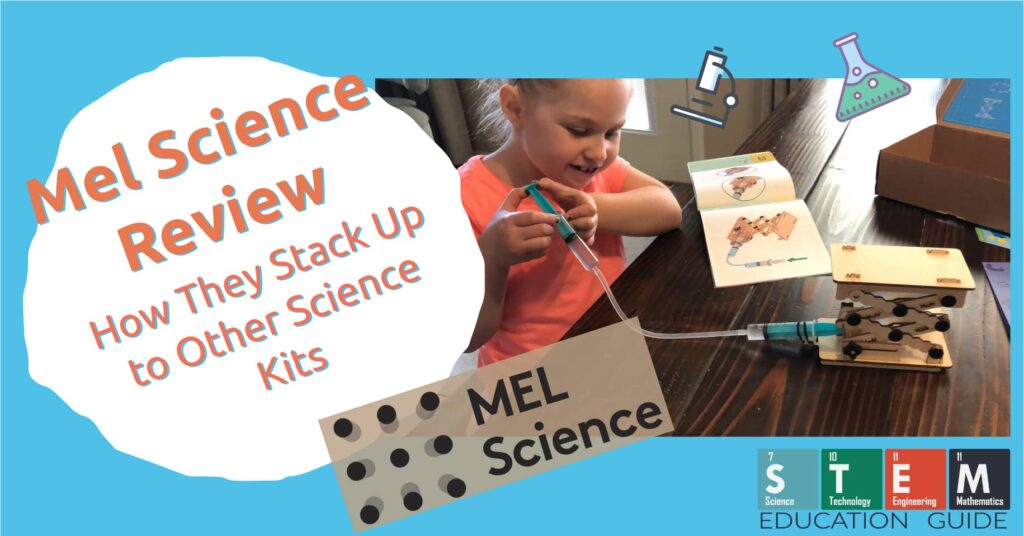
3. MEL Science: The Gold Standard for Advanced Sciences
- Target Audience: Children and teens across multiple age brackets, with a strong focus on older elementary to high school students.
- Origin & Philosophy: MEL Science aims to transform traditional, dry scientific study into an immersive, highly engaging experience.
- The Experience: The service offers specialized tracks in physics, chemistry, coding, mathematics, and even medicine. MEL Science stands out by seamlessly integrating physical laboratory experiments with virtual reality (VR) and augmented reality (AR) app companions, allowing children to visualize molecular structures and physical forces in three dimensions.
- Key Advantages: Rigorous scientific accuracy paired with cutting-edge digital integration provides a true one-to-one or superior alternative to KiwiCo’s science-centric crates.
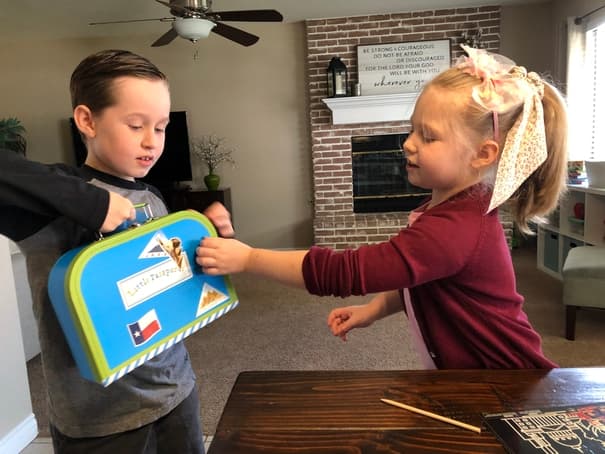
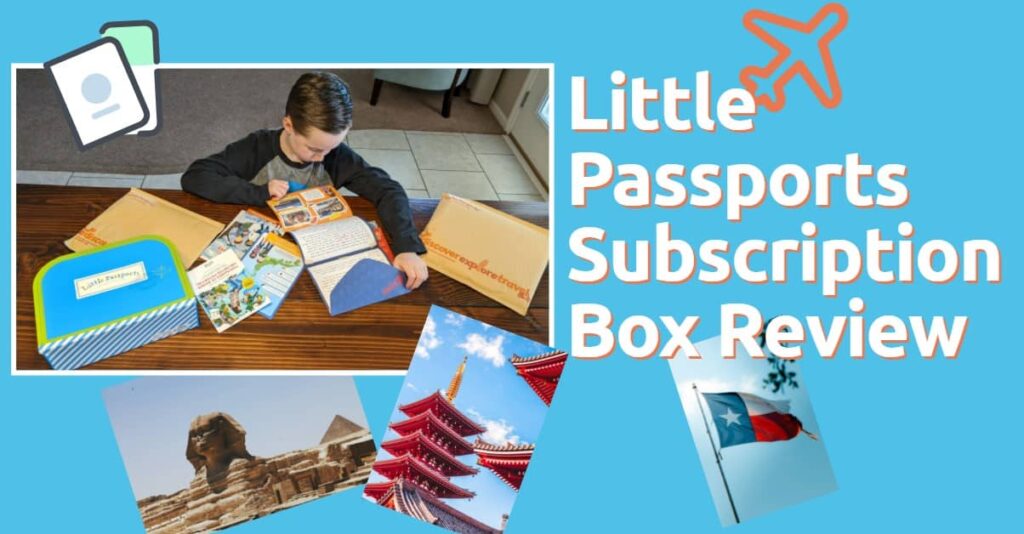
4. Little Passports: Geography, Culture, and Science Exploration
- Target Audience: Children ages 3 to 10.
- Origin & Philosophy: Established as a pioneer in the subscription box industry, Little Passports focuses on expanding a child’s worldview by celebrating global cultures, geography, and natural sciences.
- The Experience: Subscribers embark on a simulated global journey using a starter "suitcase," earning stamps in their passport via monthly deliveries filled with country-specific artifacts, stories, art projects, and science experiments. The brand has since expanded to include dedicated STEM-focused variants, such as the Science Expedition and Animals Wild boxes.
- Key Advantages: Exceptional thematic organization, award-winning storytelling, and a unique emphasis on global citizenship paired with core scientific inquiry.
5. Green Kid Crafts: Eco-Conscious STEAM Learning
- Target Audience: Children of varying school-age brackets.
- Origin & Philosophy: Founded by an environmental scientist and mother, Green Kid Crafts bridges the gap between STEM and the arts (STEAM) while maintaining a strict commitment to environmental sustainability.
- The Experience: Boxes incorporate earth-friendly materials to deliver projects that merge scientific principles with creative art expression, encouraging children to interact mindfully with the natural world.
- Key Advantages: Perfect for families prioritizing eco-friendly consumer choices and those who wish to foster creative artistic expression alongside analytical STEM skills.
6. The Curiosity Box: Advanced Science for Teens
- Target Audience: Teenagers ages 13 and up.
- Origin & Philosophy: Created by Vsauce, a prominent science education network boasting billions of views, The Curiosity Box targets an older demographic that often outgrows standard children’s toys.
- The Experience: Operating on a seasonal (quarterly) delivery schedule rather than monthly, these boxes contain high-grade, premium scientific apparatuses, puzzles, and optical illusions (e.g., Newton’s cradles, plasma orbs, anamorphic kits).
- Key Advantages: Sophisticated, intellectually challenging items that appeal to high school students and adult science enthusiasts alike.
7. Womple Box: Story-Driven Geography and Science
- Target Audience: Ages 3 to 5 (Dinobox) and ages 6 to 11 (Womple Box).
- Origin & Philosophy: Designed to fuel children’s natural instinct for exploration, Womple Box merges narrative-driven adventure with STEAM projects.
- The Experience: Subscribers follow a fictional explorer named Womple to different corners of the globe, investigating local cultures, wildlife, and physical geography through hands-on building projects and illustrated adventure books.
Official Expert Perspectives and Guidance
Selecting the optimal subscription box requires balancing a child’s innate interests with parental educational goals. Industry experts and experienced parents emphasize several guiding principles when making a choice:
- Follow the Child’s Curiosity: Forcing a chemistry-heavy kit on a child obsessed with mechanical motion will yield frustration rather than education. If a child enjoys building, prioritize engineering-focused boxes like CrunchLabs. If they are captivated by the natural world, consider Green Kid Crafts or Little Passports.
- Embrace Flexibility Over Rigor: Many educational subscriptions feature step-by-step instructions. However, developmental psychologists note that open-ended play—allowing children to deviate from the instructions and invent their own configurations—is where true critical thinking occurs. Parents should encourage experimentation rather than strict adherence to the manual.
- Review Cancellation and Pause Policies: Subscription models vary widely. Consumers should verify whether a service offers month-to-month flexibility with the option to pause during summer months or cancel without penalty.
Future Outlook: The Next Generation of At-Home Learning
As educational technology continues to evolve, the subscription box industry is poised for further transformation. Industry analysts predict several key trends shaping the future of STEM and STEAM kits:
- Increased Digital-Physical Hybridization: Expect greater utilization of AR and AI integration, allowing children to scan their physical builds with tablets or smartphones to unlock interactive simulations, coding environments, and digital testing grounds.
- Sustainability and Circular Manufacturing: With growing consumer awareness regarding plastic waste, brands are increasingly shifting toward biodegradable plastics, sustainably sourced timber, and zero-waste packaging models, as pioneered by companies like Lovevery and Green Kid Crafts.
- Personalized Curriculums: Future subscription tiers will likely leverage machine learning to adapt box difficulty dynamically, tailoring upcoming monthly shipments precisely to a child’s demonstrated strengths and areas for growth.
Ultimately, whether through building a mechanical toy with CrunchLabs, conducting a virtual-reality-assisted chemical reaction with MEL Science, or exploring global ecosystems with Womple Box, the modern subscription box has cemented its place as an invaluable vehicle for family bonding, cognitive development, and lifelong learning.

