
Executive Overview
As educators worldwide prepare for the complexities of a new academic year, the pressure to balance digital engagement with fundamental skill retention has never been higher. Modern classrooms exist at a crossroads: while technology offers unprecedented access to interactive learning, instructors increasingly grapple with the distractions of ubiquitous screen time, persistent learning gaps—particularly in foundational mathematics and literacy—and the crushing administrative burdens that contribute to widespread educator burnout.
Enter Kahoot!, the ubiquitous game-based learning platform, which has unveiled its comprehensive 2026 Back-to-School Product Suite. Designed to tackle these systemic challenges head-on, the latest updates introduce a strategic pivot. Moving beyond the traditional model where every student requires a personal mobile device or laptop, Kahoot! has engineered versatile, device-free classroom modalities alongside sophisticated, AI-driven administrative tools and adaptive curricula.
This comprehensive briefing examines the core innovations within the 2026 rollout, analyzing their pedagogical foundations, technological underpinnings, and potential to redefine student engagement, equity, and teacher efficacy from K-12 to higher education.
Detailed Chronology: The Evolution of Kahoot! in the Post-Digital Classroom
Phase One: The Gamified Revolution (2013–2020)
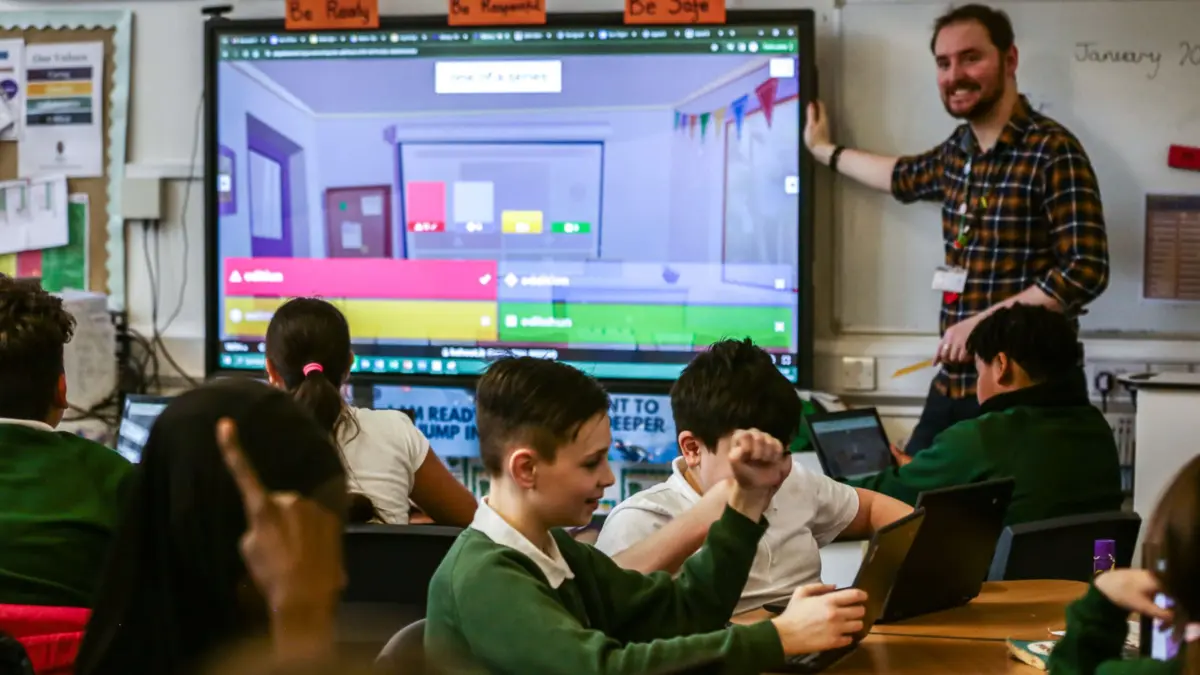
When Kahoot! launched over a decade ago, it fundamentally disrupted traditional didactic teaching methods. By transforming multiple-choice quizzes into high-energy, competitive game shows projected on front-of-class displays, the platform capitalized on intrinsic motivation. However, its early iterations relied heavily on a "Bring Your Own Device" (BYOD) model. While wildly popular, this prerequisite inadvertently created equity divides in under-resourced districts and forced educators to constantly police device-related distractions.
Phase Two: Expansion and Remote Adaptability (2020–2024)
Triggered by the global shift toward hybrid and remote learning during the COVID-19 pandemic, Kahoot! rapidly expanded its portfolio. The platform integrated presentation tools, remote-play capabilities, and specialized study modes. Acquisitions of platforms like Drops (language learning) and DragonBox (math education) signaled a strategic shift: Kahoot! was no longer just a trivia tool for formative assessment; it was evolving into a comprehensive, cross-curricular learning ecosystem.
Phase Three: The 2026 Paradigm Shift — Balancing Connection and Unplugged Focus
The current 2026 Back-to-School suite represents a mature acknowledgment of the nuances of modern pedagogy. Recognizing that constant screen exposure can fragment student attention and exacerbate digital fatigue, Kahoot! has engineered solutions that bridge the gap between digital interactivity and device-free collaborative learning.
By introducing device-free synchronous modes, adaptive AI lesson creation, open-ended critical thinking prompts, and expansive language acquisition frameworks, the platform has repositioned itself as an all-in-one instructional partner designed to save teacher time while driving deep, cognitive engagement.
Core Innovations: Breaking Down the 2026 Feature Suite
1. Fostering Focused Interaction: Unplugged Classical and Team Tiles
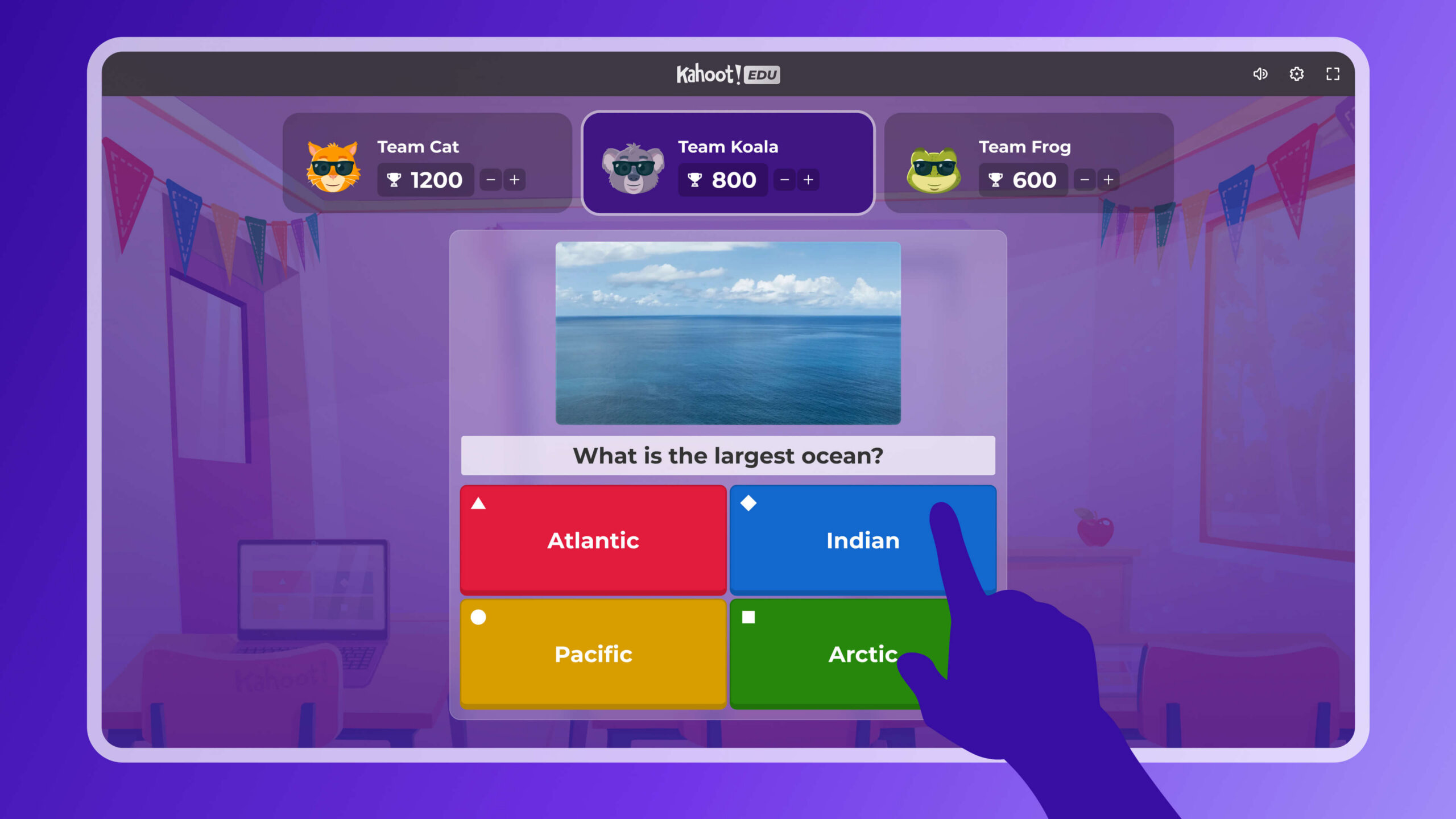
One of the most significant pedagogical shifts in the 2026 update is the introduction of Unplugged Classical and Team-Kacheln (Team Tiles). These features are specifically designed to champion device-free environments without sacrificing the dynamic, game-show energy that makes Kahoot! unique.
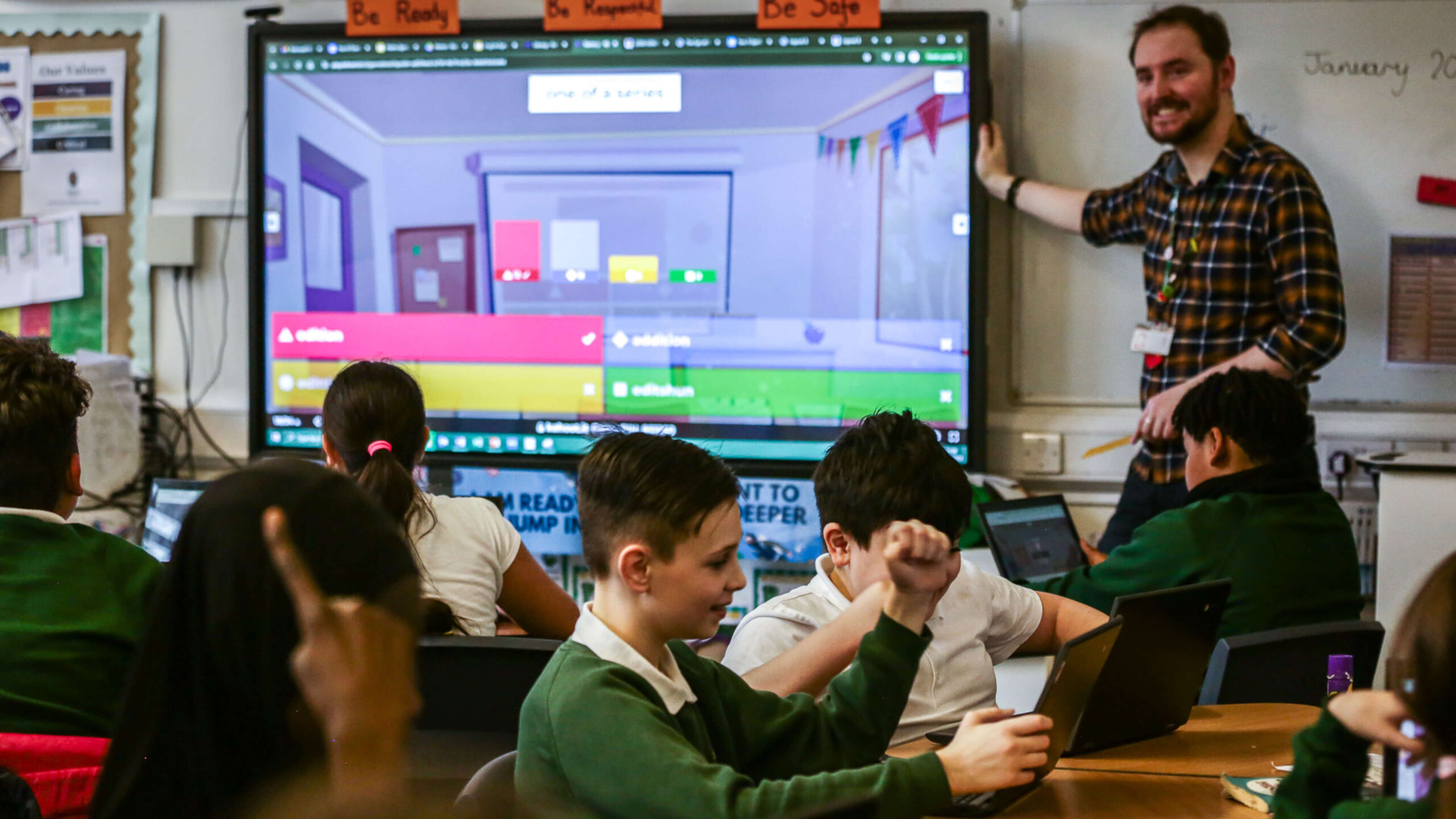
- Pedagogical Mechanism: Instead of every learner staring down at an individual smartphone or tablet, the entire quiz or challenge is projected onto a central, shared classroom display.
- Collaborative Dynamics: Students interact by shouting out answers, holding up physical response cards, or convening in small groups to debate hypotheses before locking in a team choice.
- The Equity and Focus Dividend: This approach eliminates the technological barrier of mandatory individual device ownership, levels the playing field for schools with limited hardware budgets, and completely removes the classroom management headache of students multitasking on social media or messaging apps during instructional time.
2. Bridging Foundational Gaps: Adaptive Math Missions
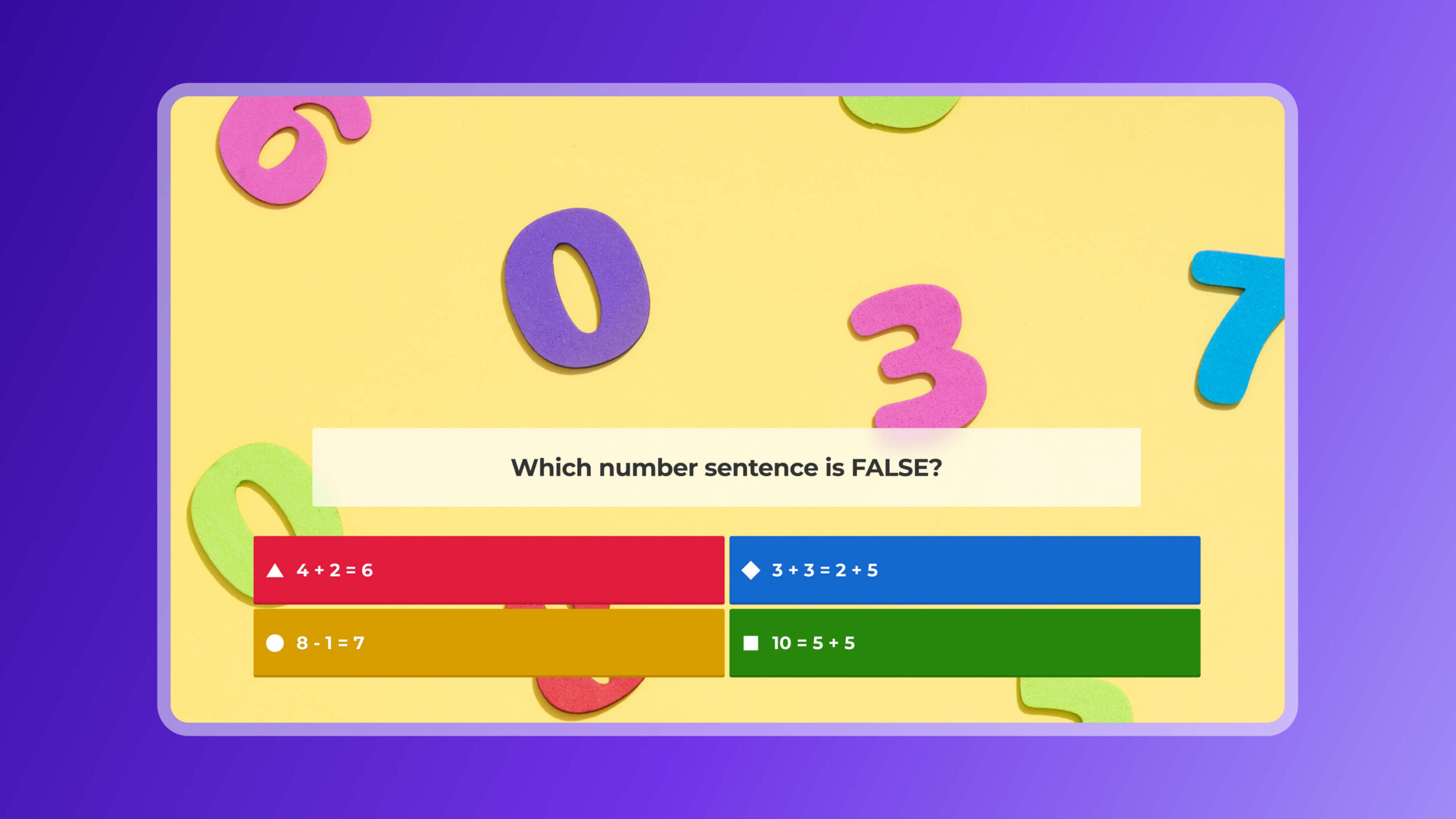
Mathematics education continues to face post-pandemic recovery hurdles. To combat chronic learning deficits, Kahoot! has scaled up its Math Missions (Mathe-Missionen) program—an adaptive, self-paced practice environment built to ensure no student falls behind.
- Algorithmic Personalization: Math Missions utilize real-time performance data to dynamically adjust the difficulty, pace, and type of problems presented to each individual student. Whether a learner is struggling with basic number sense in early elementary grades or grappling with foundational algebra in middle school, the program meets them precisely at their zone of proximal development.
- Affective Benefits: By removing the public pressure of timed, whole-class testing, adaptive self-paced practice fosters psychological safety. Students build the crucial self-confidence required to tackle complex mathematical reasoning independently.
3. Global Fluency: Expansive Language Learning Frameworks
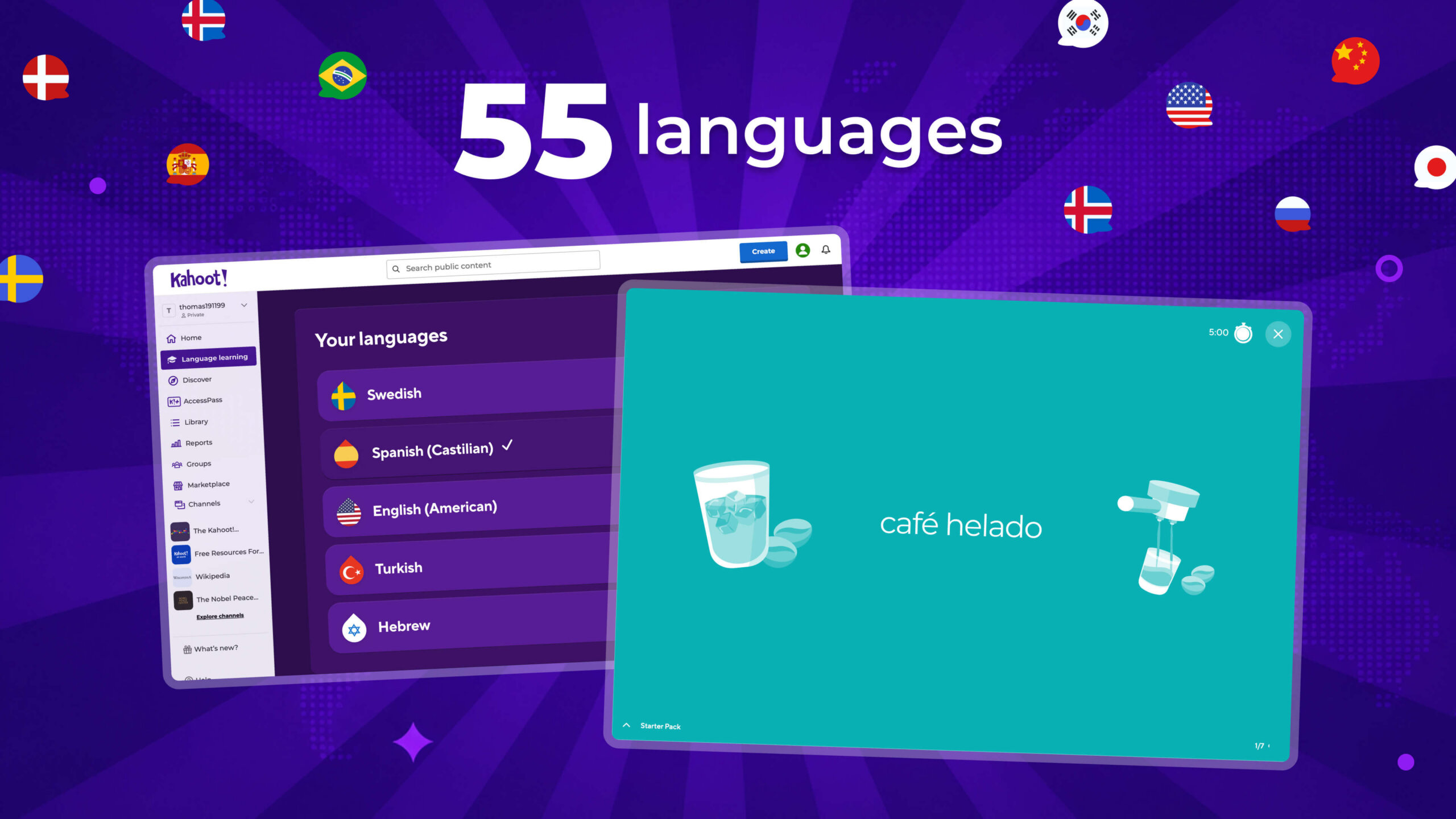
Language acquisition demands consistent, low-stakes repetition coupled with rich visual context. The integration of Kahoot! Language Learning (Kahoot! Sprachenlernen) introduces a robust curriculum spanning over 55 languages.
- Multi-Modal Architecture: The tool combines bite-sized, highly visual micro-lessons with the inherent motivational pull of gamification.
- Flexibility for Instructors: Teachers can seamlessly weave language modules into their daily routines. Whether deployed as a dynamic 5-minute classroom warm-up, a high-energy multiplayer review session at the end of the week, or assigned as stress-free homework, the feature provides a complete, scalable solution for modern language educators.
4. Cultivating Higher-Order Thinking: Advanced Open-Ended Question Types
While multiple-choice formats are exceptional for recalling facts and checking baseline comprehension, true educational transformation requires the cultivation of critical thinking and metacognition.
- Beyond Multiple-Choice: Tailored specifically for educators working with students aged 16 and older, Kahoot! has rolled out secure, advanced Open-Ended Question Types and interactive brainstorming boards (resembling digital sticky-note sessions).
- Qualitative Insight: These formats transition the classroom from passive reception to active discourse. Instructors gain authentic, qualitative feedback into student thought processes, while learners are given a safe, structured platform to articulate complex arguments, defend their reasoning, and engage in peer-to-peer critique.
5. Reclaiming Instructional Time: The AI-Powered Kahoot! Assistant
Perhaps the most universally praised administrative update in the 2026 suite is the refinement of the Kahoot! Assistant (Kahoot!-Assistent). Built to combat teacher burnout and streamline workflow efficiency, this generative AI tool acts as an instructional co-pilot.
- Instant Content Generation: Educators can input any URL, raw document, standard text prompt, or legacy file (such as existing slide decks or PDF syllabi) and watch as the assistant instantaneously transforms them into interactive, standards-aligned learning modules.
- Administrative Relief: By offloading the heavy lifting of quiz creation, lesson planning, and formatting to AI, teachers can redirect their energy toward what matters most: human connection, targeted mentoring, and direct student support.
Supporting Context & Metrics: The State of Educational Technology in 2026
To understand the weight of Kahoot!’s strategic updates, one must examine the broader macroeconomic and pedagogical metrics driving modern education:
- The Device Fatigue Phenomenon: Recent educational research highlights a growing consensus among school administrators and child psychologists regarding "digital saturation." Excessive individual screen time has been linked to declining attention spans and reduced interpersonal communication in classrooms. Kahoot!’s pivot toward "unplugged" team modes directly addresses this clinical feedback.
- The Remediation Imperative: Standardized testing data across OECD nations continues to show lingering deficits in foundational numeracy. Adaptive platforms that offer real-time diagnostic data—such as Math Missions—are no longer viewed as supplemental novelties; they are mission-critical infrastructure for intervention programs.
- Teacher Attrition and Workload: Surveys consistently rank administrative burden and lesson preparation time as primary drivers of educator burnout. AI integration in tools like the Kahoot! Assistant is projected to save average educators multiple hours per week, directly contributing to job satisfaction and retention metrics.
Official Statements and Pedagogical Philosophy
Speaking on the launch of the 2026 Back-to-School suite, product development leads at Kahoot! emphasized a return to holistic, inclusive education:
"The beginning of a new academic year is a sacred window of opportunity to establish a culture of ambitious, joyful learning. Our goal with this suite was not merely to add features, but to solve real, visceral pain points for educators. Whether it is helping a teacher reclaim their evenings through AI lesson creation, closing a math gap through adaptive pacing, or bringing a classroom together device-free through shared team tiles, Kahoot! remains committed to making learning effortless, magical, and deeply human."
Pedagogical experts consulting on the platform have similarly noted that the synthesis of gamification with rigorous cognitive frameworks (such as open-ended analysis and adaptive remediation) marks a coming-of-age for educational software. Technology is finally stepping out of the role of a standalone distraction and stepping firmly into the role of an integrated teaching amplifier.
Future Outlook: What Lies Ahead for EdTech and Interactive Learning?
As we look past the initial rollout of the 2026 academic year, the trajectory of platforms like Kahoot! points toward hyper-personalization, deeper cross-platform interoperability, and increasingly sophisticated ethical AI integration.
1. The Blended Future of Physical and Digital Space
The success of Unplugged Classical and Team-Kacheln signals that the future of educational technology is not strictly "all-digital." Instead, the most effective tools will be those that use digital orchestration to enhance physical, human-to-human collaboration. Expect future iterations to further blur the line between physical manipulatives (like smart blocks and paper cards) and digital analytics dashboards.
2. Predictive Analytics and Early Intervention
As adaptive programs like Math Missions mature, the integration of predictive machine learning models will allow educators to identify conceptual misunderstandings before a high-stakes exam occurs. Real-time data streams will transform formative assessment from a retroactive grading metric into a proactive diagnostic shield.
3. Accessible Implementation Models
To support districts of all socioeconomic backgrounds, tiered ecosystems—ranging from free entry points like Kahoot! Go to comprehensive institutional toolkits like Kahoot!+ Gold for K-12 and higher education—will remain essential. Ensuring equitable access to advanced AI tools and adaptive curricula will determine which schools successfully bridge the achievement gap in the latter half of the decade.
Conclusion
The 2026 Back-to-School suite positions Kahoot! not just as a game provider, but as a holistic pedagogical partner. By thoughtfully addressing the tensions between screen time and social interaction, administrative exhaustion and instructional creativity, and standardized curricula and individualized remediation, the platform provides educators with the exact toolkit needed to navigate the modern classroom.
For educators looking to streamline their workflow, captivate their students, and drive measurable academic growth, exploring resources like the "Back-to-School Essentials" Professional Development Course or upgrading to comprehensive plans marks a powerful first step into a successful academic year.

