
By Educational Technology Review
Published: Autumn Term Briefing
Executive Overview
As academic institutions globally gear up for a new educational term, educators, parents, and students face a familiar adversary: the "summer slide"—the well-documented loss of academic skills and foundational knowledge that occurs during extended school breaks. To address this perennial challenge, educational technology platform Kahoot! has launched an expansive, multi-tiered back-to-school initiative for the upcoming academic year.
Designed to bridge the gap between rigorous curriculum standards and playful engagement, the initiative rolls out a vast library of ready-to-play learning content. By leveraging partnerships with prominent global brands, publishers, and cultural institutions—including Disney, Marvel, Star Wars, McGraw Hill, Crash Course, IBM SkillsBuild, and TED-Ed—Kahoot! aims to transform traditional knowledge assessments into dynamic, interactive experiences.
This comprehensive rollout is strategically segmented to address the distinct needs of three key educational stakeholders: teachers striving to improve classroom outcomes, parents looking to mitigate back-to-school anxiety and foster a love for learning at home, and students seeking to sharpen their critical-thinking and future-ready skills. This report provides an in-depth examination of the initiative, exploring its structural framework, pedagogical underpinnings, expert commentary, and the broader future outlook for gamified digital learning.
Detailed Chronology: The Evolution of Playful Assessment
The journey toward mainstream gamified learning did not happen overnight. To understand the significance of Kahoot!’s latest back-to-school rollout, it is essential to trace the milestones that have brought interactive educational technology from experimental novelty to core pedagogical infrastructure.
Phase 1: The Foundation of Interactive Quizzing (2013–2018)
In its early iterations, Kahoot! established itself as a simple, game-based response system that allowed teachers to inject competitive fun into classroom reviews. Schools adopted the platform primarily as an exit-ticket tool or formative assessment instrument. However, educators quickly noticed a marked spike in student participation and enthusiasm when concepts were gamified.
Phase 2: Curriculum Alignment and Strategic Partnerships (2019–2023)
Recognizing the demand for reliable, standards-aligned content, Kahoot! transitioned from a purely user-generated platform into an ecosystem supported by verified educational publishers and cultural powerhouses. By integrating Common Core State Standards (CCSS) into math missions and partnering with organizations like National Geographic and NASA, the platform began offering curriculum-vetted material that teachers could trust for core instructional time.
Phase 3: The Post-Pandemic Learning Recovery and Comprehensive Content Integration (2024–Present)
The disruptions of the early 2020s permanently altered the educational landscape, compounding learning recovery challenges worldwide. In response, Kahoot! has scaled up its content curation. The latest back-to-school release represents the most cohesive curriculum-support initiative to date. By merging pop-culture franchises (such as Marvel, Star Wars, and Pixar) with high-level cognitive frameworks (such as IBM’s future-ready skill sets and TED-Ed’s deep-dive science modules), the platform has constructed a continuous learning pipeline that spans early childhood development through secondary education and vocational preparedness.
Supporting Context & Metrics: Addressing the Learning Gap
The urgency behind Kahoot!’s new content deployment is rooted in empirical research surrounding student engagement and cognitive retention.
The Cost of Disengagement
According to educational research cited by pedagogical institutions, student disengagement during the transition back to school accounts for weeks of wasted instructional time as teachers re-teach foundational concepts. Traditional review methods—such as static worksheets or standard lectures—often fail to reignite enthusiasm, particularly for students experiencing academic anxiety.
Gamification as a Cognitive Catalyst
Cognitive psychology studies consistently demonstrate that game-based learning stimulates dopamine production, reinforcing memory retention and lowering affective filters (anxiety levels). By integrating game mechanics into subjects traditionally viewed as difficult—such as algebra, biology, and advanced grammar—platforms like Kahoot! achieve higher rates of active participation.
Key Content Metrics and Focus Areas
The new back-to-school catalog is structured to meet specific developmental milestones:
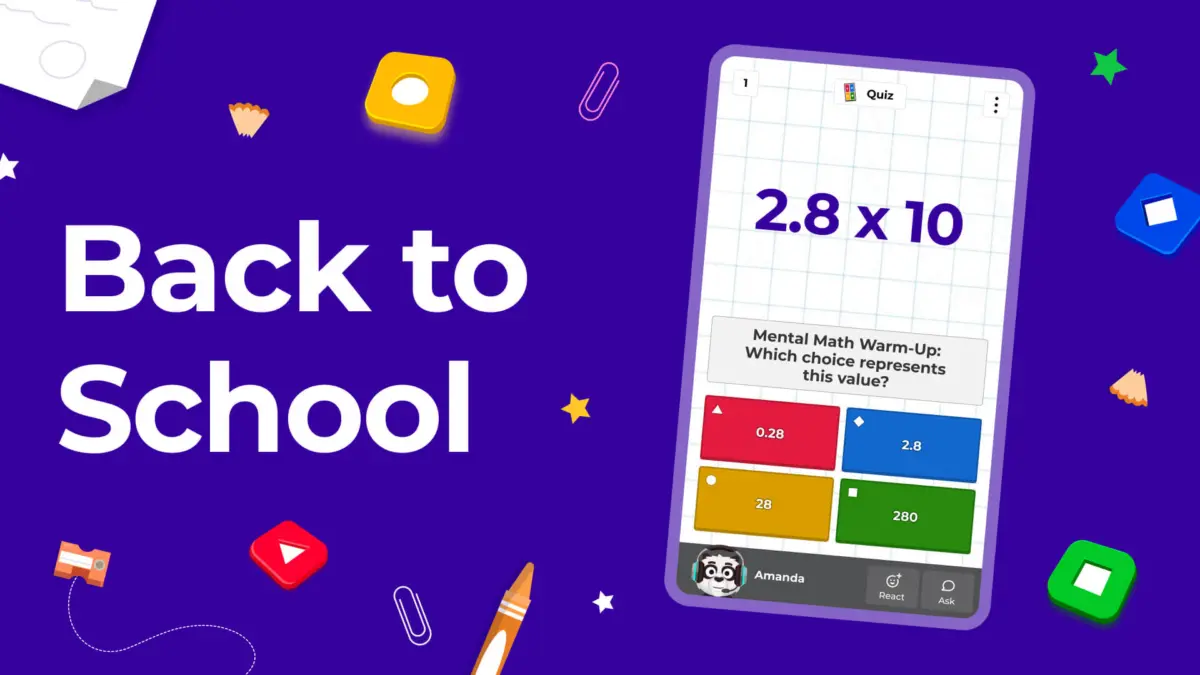
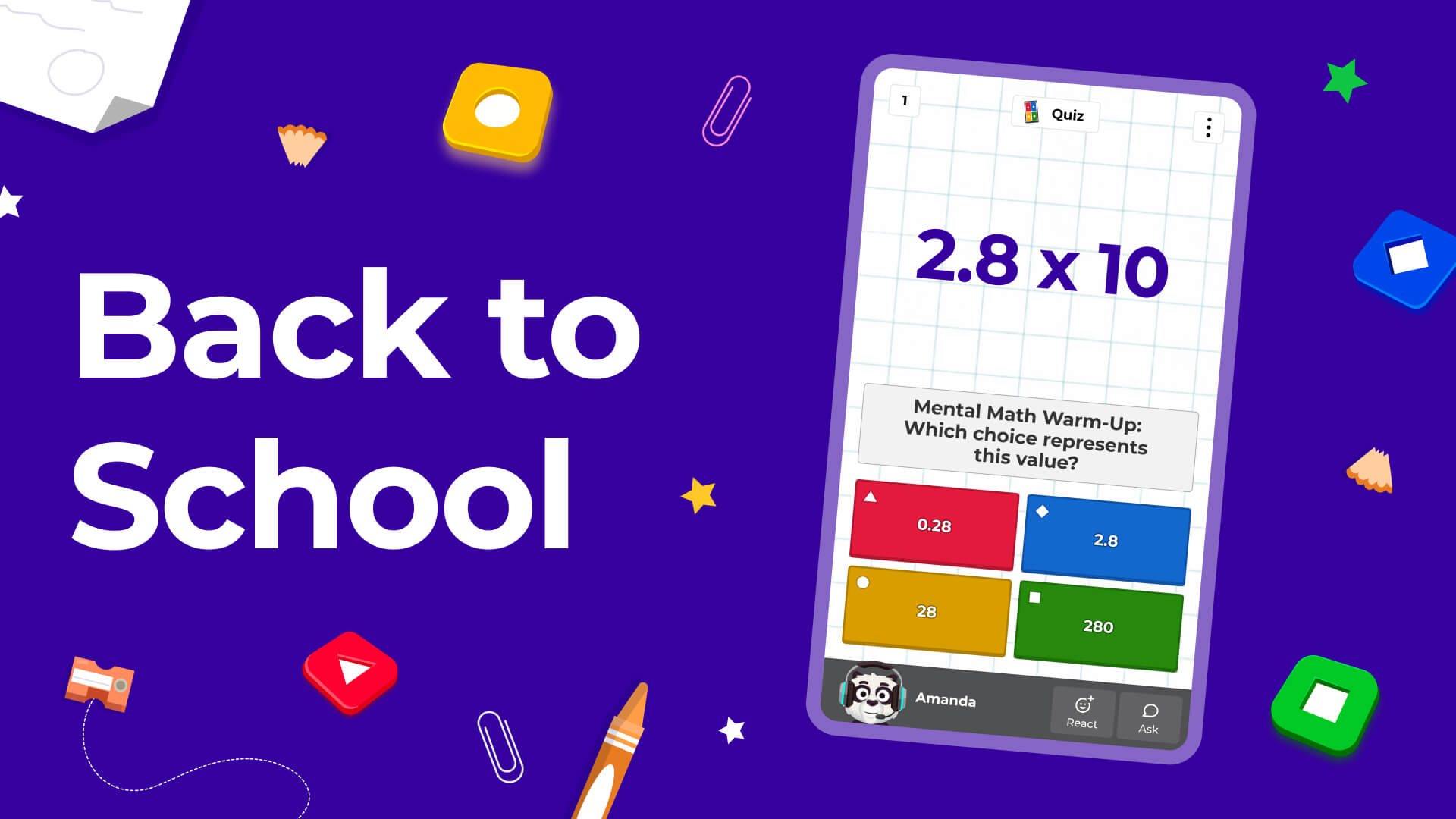
- Foundational Math: Interactive Kahoots and Math Missions covering Grades 1 through 5, explicitly aligned with CCSS standards.
- Literacy and Language Arts: Specialized modules including music-themed figurative language exercises (similes, metaphors, hyperbole, and personification) developed in partnership with McGraw Hill.
- STEAM and Future Skills: Advanced modules addressing environmental science (photosynthesis, neutron star life cycles), digital literacy, and creative thinking powered by TED-Ed, the Museum of Science, and IBM SkillsBuild.
- Health and Wellness: Socio-emotional learning (SEL) tools designed to assist students with stress management, healthy sleep habits, and physical wellness via EVERFI.
Stakeholder Breakdown: Tailored Content for Teachers, Parents, and Students
To maximize its pedagogical impact, the initiative is intentionally segmented into three distinct user pathways.
1. For Teachers: Enhancing Outcomes Through Knowledge Refreshers
For educators facing tight curriculum schedules, the primary hurdle at the start of the year is efficiently evaluating baseline knowledge without demoralizing students with immediate, high-stakes testing.
- Curriculum-Aligned Math: Teachers can deploy ready-to-play math games that target specific grade levels, ensuring alignment with national standards.
- Multidisciplinary Reach: Collaborations with Crash Course offer "Curiosity Check" biology modules that use low-stakes polling to gauge students’ initial hypotheses before diving into complex life sciences.
- Resource Accessibility: Through the Kahoot!+ Gold plan and AccessPass, educators gain unlimited access to premium collections from verified creators, minimizing lesson-planning overhead.
2. For Parents: Sparking Curiosity and Alleviating Back-to-School Jitters
The transition from summer freedom to structured school days often triggers anxiety for both children and parents. Kahoot! has curated home-friendly learning packs designed to establish healthy routines and ease emotional transitions.
- Emotional Resilience and Preparedness: Collaborations with iconic characters provide a comforting bridge. For instance, Peanuts-themed kahoots address common first-day anxieties, such as missing the school bus or feeling nervous about new environments.
- Early Childhood Development: The Mr. Men Little Miss series guides young learners through historical and exploratory adventures, while Kahoot! Studio Kids focuses on fundamental counting skills.
- Safe Screen Time: Parents can rest assured that screen time is channelled into educationally sound, research-backed activities featuring beloved characters from Nickelodeon, Hello Kitty, and Disney Pixar.
3. For Students: Sharpening Skills Through Play
Students returning from vacation often experience cognitive sluggishness. The platform’s student-facing collections are engineered to "warm up" the brain through challenge-based exploration.
- Pop-Culture Synergy: Middle and high school students can dive into Star Wars math refreshers—solving equations involving lightspeed calculations and droid mechanics—or join forces with Marvel’s Avengers to conquer mixed-operation math challenges.
- Advanced Inquiry: Older students can test their limits with Wiktionary-backed modules exploring unusual and challenging English vocabulary, or investigate the cosmos through TED-Ed’s explorations of neutron star life cycles.
- Future Readiness: Through IBM SkillsBuild and Museum of Science channels, students explore creative thinking, innovation, and the socio-economic impacts of climate change on future career paths.
Official Statements and Industry Insights
Educational technology leaders and curriculum specialists have emphasized the strategic importance of blending engagement with rigorous academic standards.
"Our primary goal for this back-to-school season is to ensure that every student steps into the classroom—or logs on from home—feeling confident, curious, and excited to learn," noted a representative from the Kahoot! educational content team. "By uniting trusted educational frameworks with universally loved characters and themes, we are removing the friction from knowledge recovery and turning learning into an adventure."
Pedagogical experts have similarly praised the initiative’s focus on socio-emotional learning alongside hard academic metrics.
"When children see familiar figures like Snoopy, Stitch, or the Avengers tackling challenges, their emotional barrier to entry drops significantly," observed a prominent curriculum designer specializing in game-based education. "It reframes learning not as a chore to be endured, but as a quest to be solved. That psychological shift is invaluable during the volatile transition back to school."
Future Outlook: The Trajectory of Gamified Education
As educational paradigms continue to shift toward hybrid, interactive models, initiatives like Kahoot!’s back-to-school rollout signal broader trends in instructional design.
1. Hyper-Personalization and Adaptive Learning
Future iterations of gamified educational content are expected to leverage data analytics and adaptive learning algorithms more deeply. By tracking student responses in real time during a Kahoot! session, educators will be able to instantly identify knowledge gaps and assign personalized follow-up modules tailored to individual learning paces.
2. Mainstreaming of Socio-Emotional Learning (SEL)
The integration of wellness, stress management, and emotional preparedness—exemplified by the platform’s partnerships with EVERFI and character-driven wellness modules—highlights a permanent shift in education. Academic mastery is increasingly viewed as inseparable from mental well-being and emotional resilience.
3. Deepening Industry-Academia Bridges
The inclusion of heavyweights like IBM, TED-Ed, and the Museum of Science points toward a future where corporate and scientific institutions take an active role in K-12 foundational learning. By exposing students to real-world technological challenges and future-ready career concepts early on, platforms are helping build a more digitally literate and adaptable global workforce.
Conclusion
Kahoot!’s comprehensive back-to-school campaign offers a blueprint for how educational technology can effectively combat learning loss without sacrificing student enthusiasm. By fusing rigorous academic standards with the universal appeal of gamification and pop-culture storytelling, the platform provides a vital toolkit for teachers, parents, and students alike. As the academic year unfolds, these digital learning adventures stand ready to transform the classroom experience, proving that education and play are not mutually exclusive, but rather the twin engines of lifelong discovery.

