As the winter season settles in, educators, parents, and child development specialists frequently observe a distinct shift in classrooms and households. The convergence of plummeting temperatures, shortened daylight hours, radical schedule disruptions due to holiday breaks, and the latent stressors of festive expectations often culminates in behavioral volatility among children and adolescents. At the core of this seasonal turbulence lies self-regulation—the intricate, foundational neurological capacity that allows individuals to manage their thoughts, moderate their emotional responses, and govern their outward behaviors.
While self-regulation is a critical developmental competency year-round, its maintenance becomes precarious during the winter months. Increased indoor confinement, restricted physical mobility, and sensory deprivation can rapidly overstimulate or under-stimulate young nervous systems. To counter these systemic disruptions, child psychologists and educational specialists advocate for proactive, highly structured, and engaging intervention strategies. Far from being rigid or punitive, these interventions are most effective when seamlessly woven into daily routines through play, mindfulness, and sensory exploration.
This comprehensive report examines the neurological imperatives of winter self-regulation, details twelve evidence-based, engaging activities designed for children and teens, and provides an authoritative roadmap for educators and parents striving to foster emotional stability through the coldest months of the year.
Detailed Chronology: Understanding the Winter Behavioral Shift
To effectively address childhood behavioral challenges during winter, stakeholders must first understand the chronological and environmental triggers that precipitate emotional dysregulation. The winter season imposes a unique timeline of stress on developing minds:
Phase 1: The Pre-Break Anticipation (Late November to Mid-December)
As the calendar inches toward the extended holiday hiatus, academic routines begin to fracture. Special events, schedule rearrangements, and heightened societal excitement cause a spike in adrenaline and dopamine among children. Executive functions—the brain’s command center located in the prefrontal cortex—are frequently hijacked by anticipation, leading to impulsivity, difficulty maintaining focus, and emotional reactivity.
Phase 2: The Extended Disruption (Holiday Break)
During the break, traditional structures vanish. Sleep schedules shift, screen time often increases exponentially, and opportunities for structured peer interaction decline. While meant to be a period of rest, the lack of predictability frequently leaves children yearning for routine, which can manifest as lethargy, irritability, or boundary-testing upon their return.
Phase 3: The Post-Break Readjustment (January and February)
The return to school and structured environments marks the most vulnerable window for self-regulation breakdown. Children are thrust back into high-demand cognitive spaces while simultaneously grappling with the deepest, darkest, and coldest weeks of the year. Reduced exposure to natural sunlight impacts circadian rhythms and neurotransmitter production (such as serotonin), compounding challenges with mood stabilization, sustained attention, and impulse control.
Recognizing this seasonal trajectory enables adults to implement targeted self-regulation strategies before behavioral crises manifest, transforming a notoriously difficult period into an opportunity for deep emotional growth.
Supporting Context & Metrics: The Science of Self-Regulation
Self-regulation is not an innate, fixed trait; rather, it is a malleable neural skill set that develops progressively from infancy through young adulthood. Neurologically, self-regulation relies on the dynamic interplay between the amygdala (the brain’s emotional threat detector) and the prefrontal cortex (responsible for reasoning, impulse control, and problem-solving). When children experience stress, cold weather fatigue, or sensory overload, the amygdala frequently overrides the prefrontal cortex, triggering a "fight, flight, or freeze" response.
The Neurological Impact of Winter Stressors
Research in developmental psychology underscores that environmental modifications directly influence nervous system regulation. Key metrics and findings in this domain include:
The Parasympathetic Activation Marker: Intentional, paced breathing exercises have been clinically proven to stimulate the vagus nerve, rapidly activating the parasympathetic nervous system. This physiological shift decreases heart rate, lowers blood pressure, and restores prefrontal cortex functionality within minutes.
The Nature-Deficit Mitigation: Clinical studies consistently demonstrate that even brief exposures to natural environments—often termed "green time" or "vitamin nature"—significantly reduce salivary cortisol (stress hormone) levels in children, enhance attentional capacity, and improve mood stability.
Sensory Integration Dynamics: Occupational therapy metrics indicate that tactile and proprioceptive input (such as that provided by sensory bins or heavy-work activities) helps organize the vestibular and proprioceptive systems, grounding dysregulated children and enabling them to access higher-order cognitive tasks.
The Gratitude Circuitry: Longitudinal studies on gratitude journaling and reflective practices reveal structural and functional changes in the anterior cingulate cortex—an area associated with emotional regulation, empathy, and mental resilience.
Official Statements and Expert Perspectives
Leading authorities in child welfare, educational psychology, and pediatric medicine emphasize that emotional regulation must be treated with the same intentionality as academic instruction during the winter months.
Dr. Elena Vance, a developmental psychologist specializing in childhood stress responses, notes:
"We routinely underestimate how deeply environmental factors impact a child’s internal state. Winter is not just a change in weather; it is a profound ecological shift. When we confine children indoors and strip away natural sensory inputs, we are starving their nervous systems of the very elements they need to stay regulated. Equipping kids with tangible, joyful tools—ranging from mindful breathing to tactile sensory play—isn’t a luxury; it is a neurological necessity."
Furthermore, educational specialists point out that traditional disciplinary models often fail during high-stress winter weeks because they punish the symptom (dysregulation) rather than addressing the root cause (neurological overload).
Markus Sterling, a veteran middle school educator and curriculum designer, shares:
"Before and after winter break, classrooms operate under a different atmospheric pressure. If teachers attempt to push through curriculum without embedding co-regulation and mindfulness breaks, burnout and behavioral disruptions skyrocket. When we integrate activities like hot cocoa mindfulness, freeze dance, or structured nature walks, we aren’t wasting instructional time—we are priming the brain to actually learn."
Twelve Engaging Winter Self-Regulation Activities for Kids and Teens
To bridge the gap between neurological theory and practical application, educators and parents can leverage twelve engaging, winter-themed activities designed to build lasting self-regulation skills.
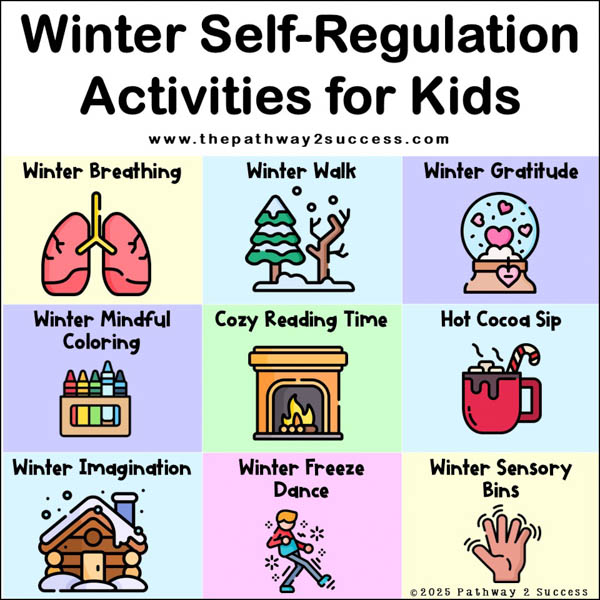
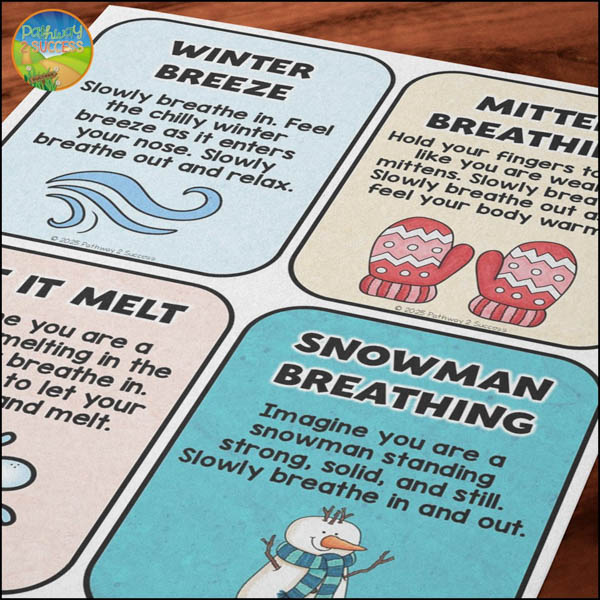
1. Winter Breathing Exercises
What it is: Paced deep-breathing exercises styled around winter motifs to help children hit the neurological "pause button."
Implementation: Introduce mindful breathing as a remote control for the body and mind. Instead of reacting impulsively to frustration, children learn to take slow, deliberate inhales and exhales. Utilize specialized winter breathing cards that guide children to trace shapes (like snowflakes or snowmen) with their fingers while synchronizing their breath.
Why it works: Focuses conscious attention on respiration, directly activating the parasympathetic nervous system to induce calm and clear mental fog.
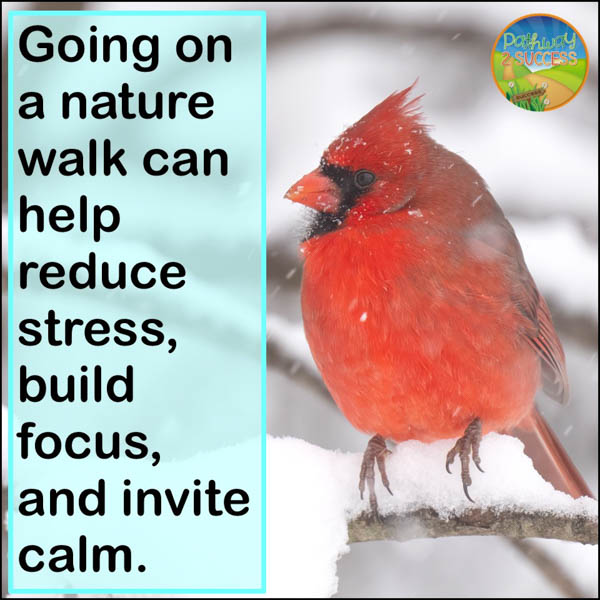
2. Outdoor Nature Walk
What it is: A guided outdoor exploration focusing on sensory engagement—processing what is seen, felt, heard, and smelled in the winter air.
Implementation: Establish clear group expectations, bundle up in appropriate winter gear, and venture outside. Encourage children to notice subtle winter details, such as the crispness of the breeze, the stark silhouette of bare trees, or the sound of crunching frost. Conclude with a reflective sharing circle.
Why it works: Combines physical exercise, natural light exposure (crucial for winter mood regulation), and mindfulness, which collectively suppress cortisol production and sharpen attention span.
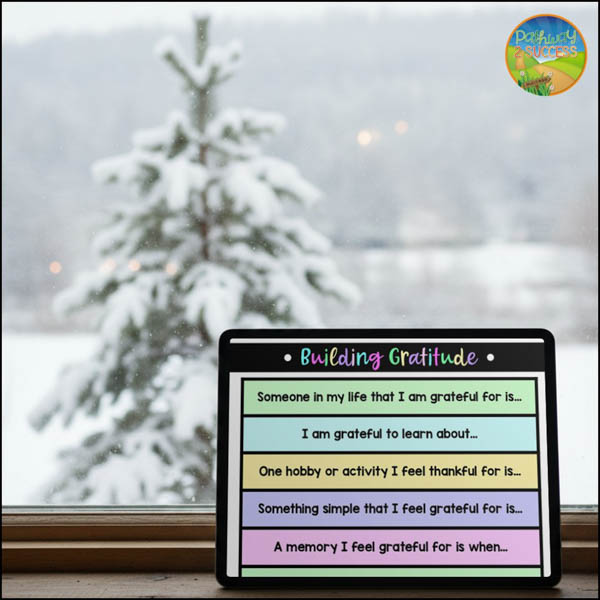
3. Winter Gratitude Reflection
What it is: A structured reflective practice focusing on the unique blessings and comforts of the winter season.
Implementation: Facilitate a brainstorming session where children list winter-specific joys—such as hot cocoa, family holidays, cozy blankets, or the stark beauty of a snow-covered landscape. Utilize gratitude sentence starters or dedicated winter journals to help students articulate specific appreciations.
Why it works: Rewires neural pathways to scan for positive stimuli, fostering psychological resilience, improved sleep hygiene, and long-term emotional well-being.
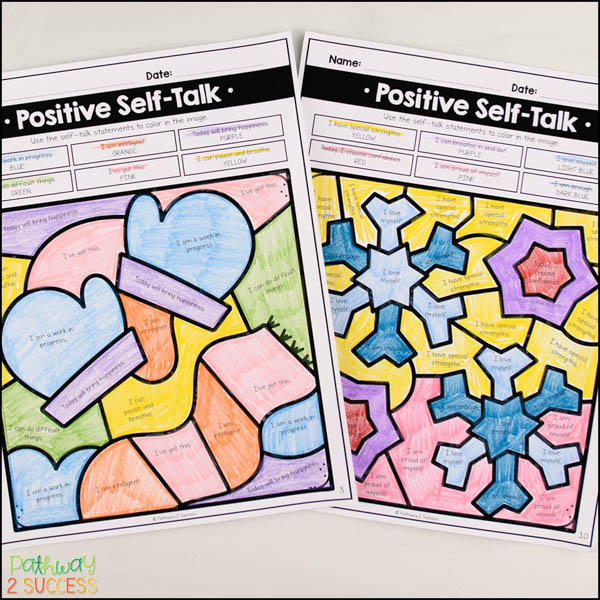
4. Mindful Winter Coloring
What it is: The intentional coloring of intricate winter-themed pages infused with positive self-talk affirmations.
Implementation: Distribute coloring sheets featuring positive phrasing alongside winter designs. Provide a variety of mediums (colored pencils, markers, gel pens). Emphasize that the objective is not artistic perfection, but rather rhythmic relaxation and stress release.
Why it works: Serves as an evidence-based anxiety reducer. Unlike seated meditation, coloring incorporates gentle, repetitive hand movements, making it ideal for children who require physical motion to calm their minds.
5. Cozy Reading Time
What it is: Immersive reading sessions designed to foster stillness, empathy, and deep relaxation.
Implementation: Transform the room by projecting a crackling fireplace video on a screen, dimming the lights, and inviting children to curl up with engaging books. Alternate between silent independent reading and interactive read-alouds to build co-regulation.
Why it works: Deep literary immersion lowers physiological stress markers, eases muscular tension, and provides a healthy cognitive escape from daily pressures.
6. Winter Sensory Bins
What it is: Hands-on tactile exploration utilizing large containers filled with winter-themed manipulative materials.
Implementation: Fill bins with safe, sensory-rich items such as fake snow, cotton balls, pinecones, plastic arctic animals, smooth ice-blue glass gems, and cinnamon sticks. Allow children to scoop, pour, and explore freely.
Why it works: Tactile play grounds the nervous system, promotes fine motor skill development, and acts as a powerful anchor for anxious or overstimulated minds.
7. The Mindful Hot Cocoa Sip
What it is: A sensory-focused mindful eating/drinking exercise utilizing warm cocoa.
Implementation: Serve cups of hot cocoa (or any preferred warm beverage). Guide students to hold the mug to feel the radiating warmth, inhale the rich aroma before tasting, and take exceptionally slow, deliberate sips, pausing between each interval to notice the physical sensations.
Why it works: Combines the comforting, muscle-relaxing properties of warmth with hyper-focused sensory awareness, grounding the central nervous system rapidly.
8. Winter Imagination and Visualization
What it is: Guided imagery exercises where children mentally construct and explore serene winter landscapes.
Implementation: Have students close their eyes in a comfortable seated position. Use evocative sensory prompts to guide them through a peaceful mental journey—such as walking through a quiet, snow-draped pine forest or sitting by a cozy cabin window during a gentle snowfall.
Why it works: Leverages the brain’s neuroplasticity and imagination to induce a relaxed physiological state, teaching children how to self-soothe using internal mental resources.
9. Winter Hands-On Crafts
What it is: Creative, structured crafting projects centered around winter themes.
Implementation: Provide materials for students to construct paper snowflakes, yarn-wrapped snowmen, or nature collages. Allow varying degrees of creative freedom while encouraging persistence when challenges arise.
Why it works: Engages fine motor control and spatial creativity while requiring sustained focus, patience, and emotional regulation when a craft does not go according to plan.
10. Winter-Themed Instrumental Music
What it is: The deliberate integration of calming, winter-inspired musical tracks into daily routines.
Implementation: Play gentle acoustic, piano, or orchestral winter music during transitions, independent work periods, or as a background atmosphere for mindful reflection.
Why it works: Auditory stimulation directly influences brainwave activity, facilitating a shift from high-alert beta waves to relaxed alpha waves.
11. Winter Freeze Dance
What it is: A high-energy movement game that builds impulse control and physical self-management.
Implementation: Play lively music while children dance freely. Instruct them to instantly "freeze" in place whenever they hear a designated winter vocabulary word (e.g., "blizzard," "icicle," "penguin").
Why it works: Demands rapid cognitive shifting between high motor output and absolute physical stillness, directly training the prefrontal cortex in impulse inhibition.
12. Mindful Movement and Stretching
What it is: Gentle yoga or stretching routines inspired by winter animals (e.g., hibernating bears, soaring snowy owls).
Implementation: Guide children through slow, extended stretches mimicking winter wildlife, emphasizing deep inhales on upward reaches and long exhales on folds.
Why it works: Releases stored physical tension in the muscles, increases body awareness, and provides an essential somatic outlet for pent-up indoor energy.
Future Outlook: Building Year-Round Emotional Resilience
As educational institutions and family units increasingly recognize the profound link between emotional regulation and holistic well-being, the integration of targeted self-regulation strategies is shifting from an ad-hoc intervention to a foundational pillar of child development. Looking forward, experts project that schools adopting structured Social-Emotional Learning (SEL) frameworks tailored to seasonal vulnerabilities will see sustained improvements in academic performance, peer relationships, and behavioral health.
The winter months no longer need to be viewed as an inevitable gauntlet of behavioral disruptions and stress. By proactively implementing engaging, evidence-based practices like mindful breathing, nature immersion, sensory exploration, and structured play, adults can empower children and teens to navigate seasonal shifts with grace, resilience, and emotional mastery. Ultimately, the coping mechanisms forged during the coldest days of the year lay the groundwork for lifelong mental wellness and adaptive self-control.