
Executive Overview
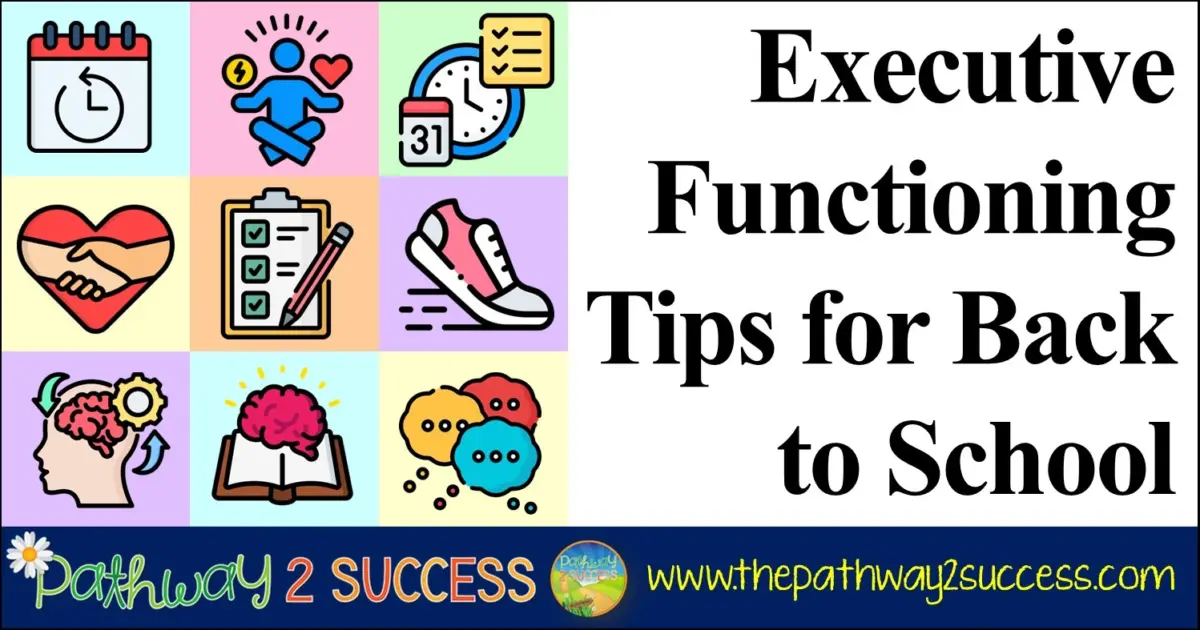
As the crisp air of autumn begins to settle and school bells ring across the nation, millions of students return to the classroom facing a complex web of academic and social expectations. For many, the transition is seamless. However, for a significant cohort of learners, the start of the academic year is fraught with cognitive overload, chronic disorganization, and overwhelming anxiety. At the root of these challenges lies a critical set of cognitive processes known as executive functioning skills.
Encompassing high-level mental processes such as working memory, flexible thinking, self-control, planning, time management, and organization, executive functioning serves as the brain’s "air traffic control system." When these cognitive skills are underdeveloped or unsupported, students struggle not just academically, but socially and emotionally. The student who continually loses completed assignments, the adolescent paralyzed by the multi-step demands of a research paper, and the child who cannot navigate a crowded hallway without experiencing sensory meltdowns are all manifesting underlying executive functioning deficits.
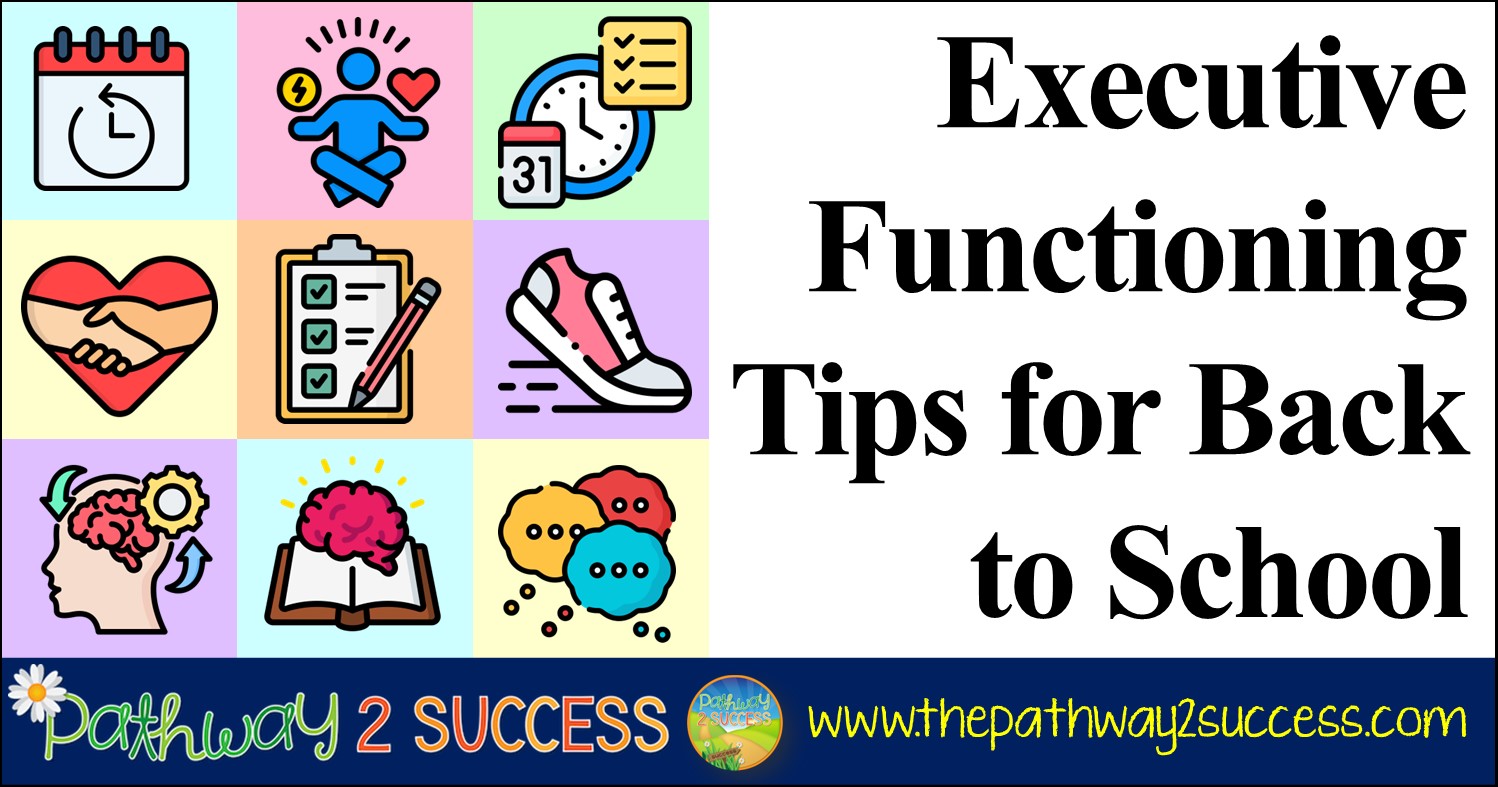
Fortunately, modern educational psychology points to a proactive solution: rather than treating executive dysfunction as an immutable behavioral flaw, educators and school systems can intentionally model, build, and strengthen these neural pathways from the very first day of the school year. By embedding structured routines, explicit instruction, predictable schedules, and mindfulness practices into daily curricula, schools can transform chaotic classrooms into environments of empowered, independent learning. This report explores the vital importance of executive functioning during the back-to-school season, details comprehensive strategies for classroom integration, and outlines a framework for long-term student success.
Detailed Chronology: The Lifecycle of a School Year and Cognitive Demand
Understanding how executive functioning demands fluctuate over the course of an academic year provides educators with a vital roadmap for intervention. The school year is not a monolithic block of time; rather, it is a dynamic cycle of distinct psychological phases that require tailored cognitive support.
Phase 1: The Pre-Season and Opening Weeks (August – September)
The transition from the unstructured environment of summer vacation to the rigorous demands of the academic calendar imposes an immediate tax on a child’s working memory and cognitive flexibility. During these opening weeks, the primary objective is environmental and procedural scaffolding.
- Establishing Predictability: Educators must introduce predictable morning routines and clear daily schedules immediately. When students know precisely what is expected of them upon entering the classroom, cognitive energy is preserved for learning rather than wasted on anxiety and guesswork.
- Explicit Routine Practice: Routines for turning in homework, transitioning between activities, and organizing physical materials cannot merely be explained; they must be practiced repeatedly until they become procedural memory.
Phase 2: The Mid-Term Deep Dive (October – January)
As honeymoon phases fade and academic workloads compound—introducing complex essays, cumulative exams, and long-term projects—executive functioning demands shift heavily toward sustained attention, organization, and emotional regulation.
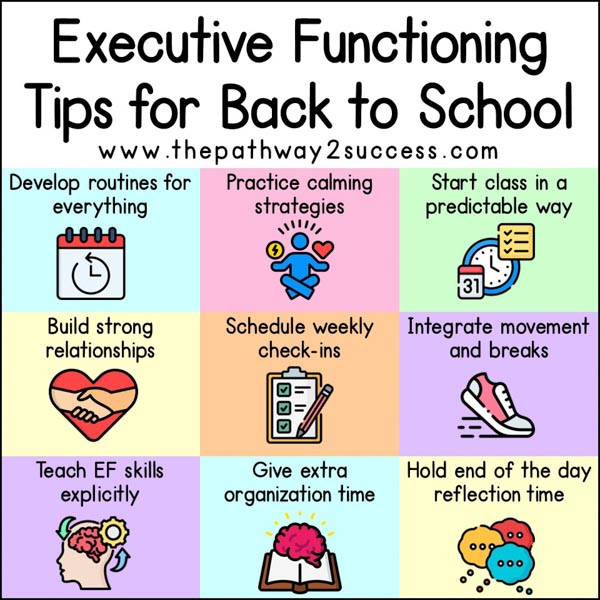
- Dynamic Scaffolding: During this phase, teachers must transition from whole-class structural support to targeted interventions. Weekly student check-ins and individualized conferences become crucial diagnostic tools to ensure students are managing their workloads effectively.
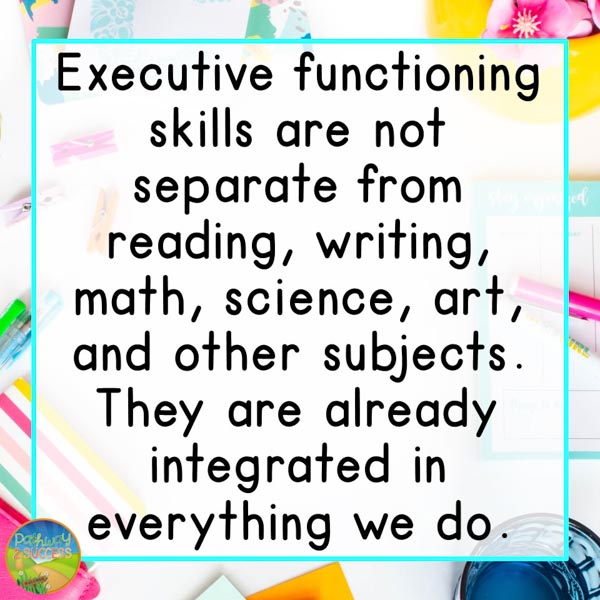
- Strategy Integration: Executive functioning is not a standalone subject; it must be woven directly into core content areas. Whether outlining an argumentative essay or breaking down multi-step word problems in mathematics, teachers must explicitly model how to think through a problem, not just demand the final answer.
Phase 3: The Spring Push and Reflection (February – June)
As the school year enters its final stretch, fatigue sets in, testing student resilience and perseverance. This period requires a strong emphasis on self-monitoring and metacognition.
- Self-Monitoring Milestones: Students must be guided to pause, evaluate their progress against personal and academic goals, and independently course-correct when strategies fall short.
- End-of-Day Reflection: Establishing consistent reflection protocols allows students to process what worked, what failed, and how to adapt their mental toolboxes for future challenges.
Supporting Context & Metrics: The Anatomy of Executive Dysfunction
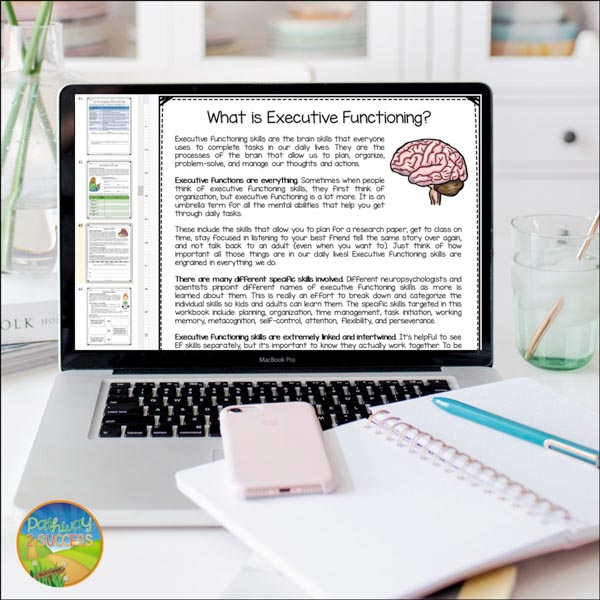
Executive functioning is governed primarily by the prefrontal cortex—the area of the brain responsible for impulse control, complex problem-solving, and goal-directed behavior. Neurological research indicates that the prefrontal cortex is the last region of the human brain to fully mature, continuing its development well into early adulthood (approx. age 25). Consequently, expecting children and teenagers to naturally possess flawless organization and time management is biologically unrealistic.
The Real-World Impact of Deficits
When executive functioning is impaired—whether due to neurodivergence (such as ADHD or autism), trauma, anxiety, or typical developmental immaturity—the academic consequences are profound:
- Working Memory Overload: Students lose track of verbal multi-step instructions, leading to incomplete assignments and diminished academic performance.
- Emotional Dysregulation: Without accessible calming strategies, stress hormones like cortisol flood the brain, effectively shutting down the prefrontal cortex and making cognitive processing impossible.
- Social and Collaborative Strain: Deficits in cognitive flexibility make it difficult for students to accept critical feedback, compromise with peers, or adapt when lesson plans unexpectedly change.
The Multiplier Effect of Early Intervention
Data from educational psychology highlights that classrooms incorporating systematic executive functioning instruction experience measurable reductions in behavioral disruptions and notable increases in task completion rates. By treating executive functioning skills with the same pedagogical rigor traditionally reserved for math and reading, schools lay the foundation for lifelong resilience.
Official Statements and Pedagogical Insights
Leading voices in educational methodology and child psychology emphasize that executive functioning cannot be mastered through passive observation. It requires deliberate, explicit instruction embedded within a supportive community.
"When we ask students to ‘just pay attention’ or ‘get organized’ without teaching them the cognitive mechanics of how to do those things, we are setting them up for frustration," notes a leading developmental psychologist specializing in adolescent education. "Executive functioning strategies must be modeled transparently, discussed openly, and practiced repeatedly within a framework of psychological safety."
Furthermore, educators emphasize the interconnectedness of physical well-being and cognitive execution. A student who is chronically sleep-deprived, under-nourished, or physically stagnant cannot effectively engage their working memory. Consequently, modern pedagogical frameworks advocate for a holistic approach that marries cognitive strategy instruction with regular movement breaks, mindfulness, and explicit social-emotional learning (SEL).
Comprehensive Strategies for Classroom Integration
To successfully cultivate executive functioning skills, educators can deploy a multi-layered toolkit designed to target specific cognitive domains from the beginning of the academic year.

1. Designing and Maintaining an Organized Physical Environment
An orderly classroom acts as an external proxy for an orderly mind. By minimizing visual and physical clutter and establishing a designated "home" for every material, teachers model spatial organization. Students should be actively involved in maintaining this order, learning to return items to their proper places as a matter of daily habit.
2. Integrating Calming Strategies and Emotional Regulation
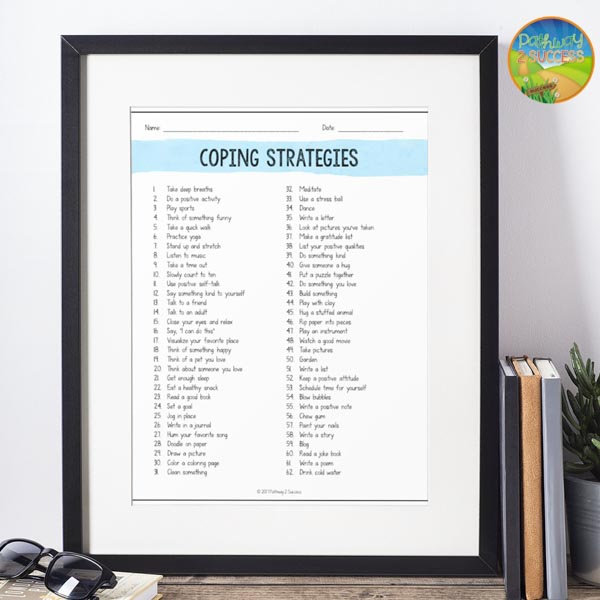
Optimal learning is biologically impossible when a student is stressed, upset, or overwhelmed. Educators must prioritize teaching evidence-based calming strategies—such as controlled breathing exercises, progressive muscle relaxation, or grounding techniques—from day one. These tools not only help manage emotional distress in real-time but also double as effective brain breaks between rigorous academic tasks.
3. Fostering Peer Connections and Community
Executive functioning is heavily influenced by social safety. When students feel a strong sense of belonging within a classroom community, they are far more willing to take healthy academic risks, experiment with new problem-solving strategies, accept constructive criticism, and learn from failure. Using structured relationship-building questions and icebreakers helps forge these vital bonds early in the term.
4. Harnessing Strategy Shares and Collaborative Metacognition
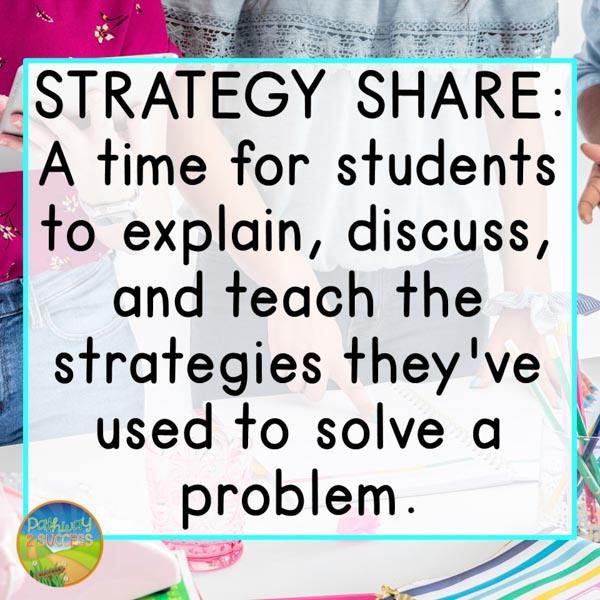
A "strategy share" is an intentional instructional protocol where students articulate, compare, and teach the specific tactics they used to solve a problem. By listening to how peers approach tasks, students expand their own cognitive repertoires and develop metacognitive awareness—the ability to think about their own thinking.
Future Outlook: Empowering the Next Generation of Learners
As the educational landscape continues to evolve in response to technological advancements, shifting societal demands, and a deeper scientific understanding of neurodiversity, the integration of executive functioning into standard curricula is no longer optional; it is essential.
The future of schooling relies on moving away from punitive models of discipline and organization toward proactive, skills-based empowerment. By investing precious instructional minutes into teaching children how to plan, monitor, regulate, and reflect, educators are doing much more than preparing students for standardized tests. They are equipping them with the psychological architecture required to navigate complex careers, cultivate healthy relationships, and achieve lifelong personal autonomy.

Ultimately, the back-to-school season offers a blank slate—a powerful window of opportunity to reset expectations, build supportive routines, and champion the cognitive growth of every learner. By embracing a comprehensive, compassionate approach to executive functioning, schools can ensure that every student steps across the threshold not with dread, but with the confidence and tools necessary to thrive.

