As the winter season settles in, bringing with it a dramatic shift in weather, extended periods of indoor confinement, and the disruption of routines surrounding holiday breaks, educators, parents, and mental health professionals face a recurring challenge. Children and young adults frequently exhibit heightened stress, behavioral volatility, and difficulties with executive functioning during these colder months. At the core of these seasonal behavioral shifts lies the complex mechanism of self-regulation—the foundational capacity to effectively manage thoughts, emotions, and physiological impulses.
While self-regulation is a crucial competency year-round, the structural disruptions of the winter season demand targeted, intentional interventions. Rather than viewing winter behavioral challenges as mere disciplinary issues, child development specialists advocate for proactive, engaging, and evidence-based self-regulation strategies. By integrating somatic practices, mindful awareness, and sensory-rich experiences into daily routines, educators and caregivers can transform a traditionally volatile period into an opportunity for deep emotional growth. This report explores ten research-backed, winter-themed activities designed to cultivate emotional resilience, enhance neurological calm, and equip children and teens with the lifelong tools necessary to navigate everyday stressors.
Detailed Chronology: The Winter Behavioral Shift
Understanding why winter presents such a formidable hurdle to emotional stability requires tracing the physiological and environmental timeline of the season:
Late Autumn (Pre-Holiday Transition): As daylight hours dwindle and temperatures drop, children experience an initial disruption in their circadian rhythms. Anticipation of holiday breaks, combined with shifts in academic pacing and packed schedules, initiates a baseline elevation in stress hormones like cortisol.
The Holiday Break Disruption: Routine provides a vital scaffolding for children’s nervous systems. The abrupt cessation of structured school days, altered sleep schedules, and varied social environments during winter breaks often lead to dysregulation. Children frequently return to classrooms or normal routines suffering from "break hangover"—exhibiting intense emotional reactivity, fatigue, and profound difficulty focusing.
Deep Winter (January and February): Characterized by prolonged indoor confinement, lack of natural sunlight, and limited opportunities for gross motor play, this phase tests the endurance of both youth and caregivers. Without deliberate interventions, emotional exhaustion can manifest as behavioral outbursts, withdrawal, or systemic anxiety.
Targeted Intervention Phase: To counteract this seasonal descent into dysregulation, structured self-regulation activities must be seamlessly woven into daily schedules. Establishing these practices early in the winter cycle creates an emotional buffer, ensuring children retain their cognitive flexibility and interpersonal resilience throughout the darkest months of the year.
Supporting Context & Metrics: The Science of Self-Regulation
Self-regulation is not an innate, static trait; it is a dynamic neural skill that develops gradually throughout childhood and adolescence, heavily influenced by environmental support and direct instruction.
The Neurological Imperative of Calm
When children face stress—whether from a difficult academic task, sensory overload in a crowded classroom, or the emotional turbulence of holiday transitions—the amygdala often hijacks the prefrontal cortex, triggering a "fight, flight, or freeze" response. Activities that target the breath, sensory systems, and imaginative focus work directly on the parasympathetic nervous system. This activation lowers heart rates, reduces blood pressure, and signals safety to the central nervous system.
Empirical Insights on Winter Well-Being
Nature Deficit and Stress: Research in environmental psychology consistently demonstrates that even short exposures to natural environments—such as a guided winter nature walk—significantly reduce salivary cortisol levels and improve directed attention capacities in children.
The Power of Tactile and Somatic Play: Sensory bins, mindful coloring, and rhythmic movement (such as freeze dance or mindful breathing) engage the motor cortex and tactile receptors. This somatic engagement grounds children in the present moment, offering an accessible off-ramp from escalating anxiety.
Gratitude and Neuroplasticity: Longitudinal studies in positive psychology indicate that regular gratitude practices physically alter neural pathways, reinforcing optimism, dampening the brain’s negativity bias, and fostering psychological resilience against seasonal mood dips.
Official Statements and Expert Perspectives
Child development advocates, educators, and pediatric behavioral specialists emphasize that teaching self-regulation must move beyond abstract lectures on behavior.
"Self-regulation is the anchor that allows children to weather internal and external storms. During the winter months, when the external environment becomes harsh and restrictive, we must intentionally construct internal environments of safety, calm, and focus," notes a leading child psychology researcher. "Practicing these skills must be engaging, accessible, and rooted in play. When we tell a child to ‘calm down’ without giving them a somatic vehicle to achieve that calm—like deep breathing or sensory engagement—we are setting them up for frustration."
Educational specialists further highlight the necessity of co-regulation—the process where a regulated adult helps anchor an unstable child’s nervous system.
"Activities like shared read-alouds by a digital fireplace, mindful hot cocoa sips, or collaborative winter crafting are not just ‘time-wasters’ or holiday fluff," explains an elementary education curriculum director. "They are critical co-regulation events. They allow adults and children to connect, lower their collective heart rates, and rebuild the relational trust necessary for optimal learning and emotional stability."
Ten Engaging Winter Self-Regulation Activities for Kids and Teens
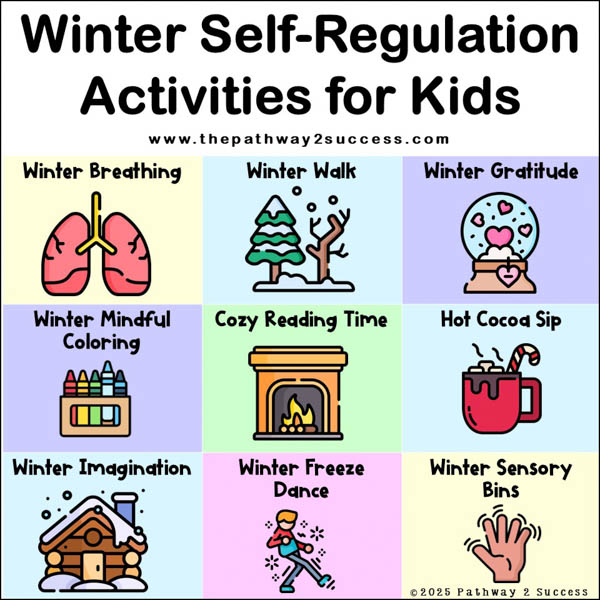
To operationalize these insights, caregivers and educators can implement the following ten evidence-based, winter-themed activities designed to foster emotional regulation across diverse age groups.
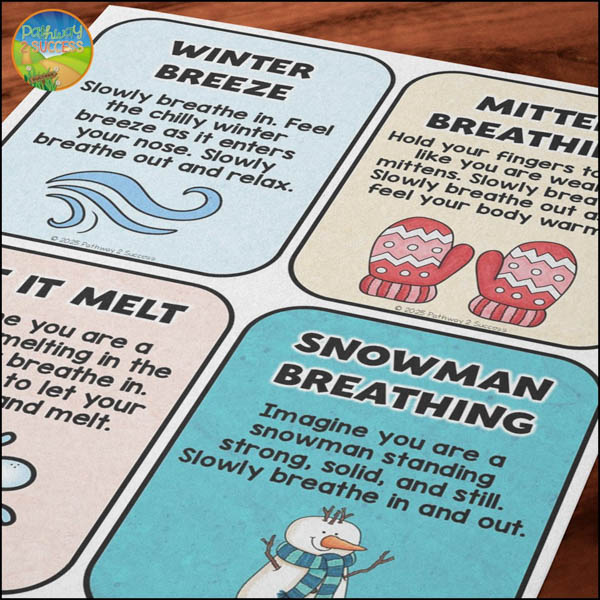
1. Winter Breathing Exercises
What it is: Deep, intentional breathing techniques framed through comforting winter imagery to help calm the body and mind.
Implementation: Introduce mindful breathing as an internal "pause button." Rather than reacting impulsively to stressors, children focus on slow inhales and exhales. Utilize specialized winter breathing cards that guide children to trace shapes (such as snowflakes or hot cocoa mugs) with their breath.
Mechanism: Deep breathing directly stimulates the vagus nerve, activating the parasympathetic nervous system to decrease heart rate and induce physiological calm.
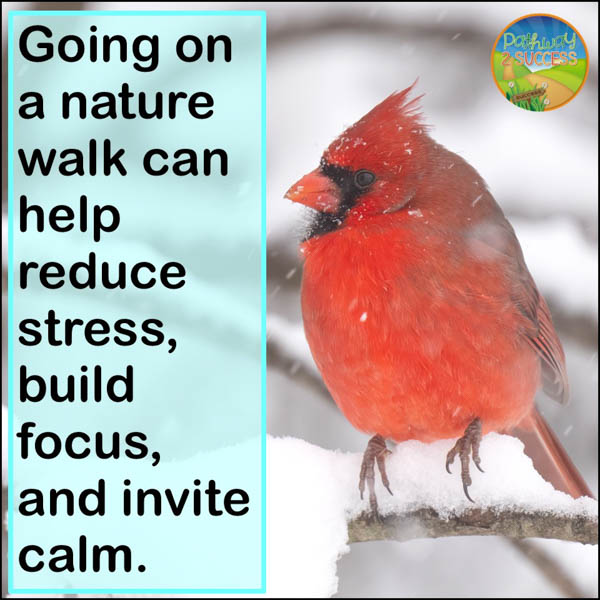
2. Outdoor Nature Walk
What it is: A sensory-focused expedition into the winter landscape, encouraging children to observe their immediate environment using all five senses.
Implementation: Establish behavioral expectations regarding safety and respect for nature, then bundle up and head outside. Prompt children to notice the crisp breeze, the crunch of frozen ground, or the stark beauty of bare branches. Follow up with a reflective discussion or journal writing session.
Mechanism: Nature exposure reduces mental fatigue, boosts mood through fresh air and natural light, and anchors attention in the present moment (mindfulness).
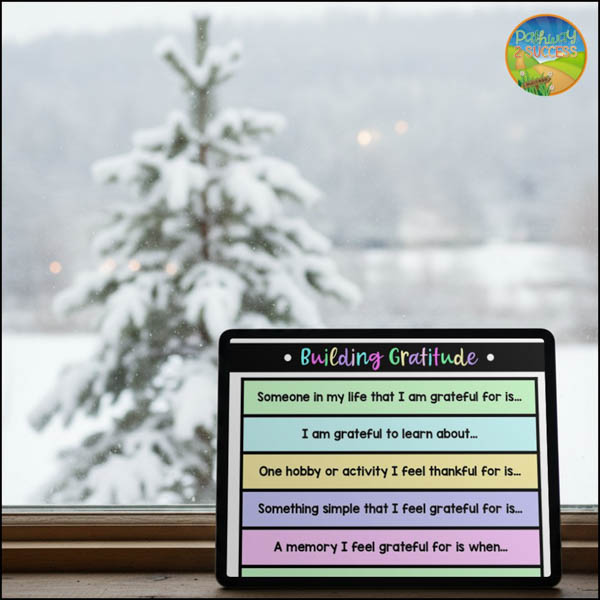
3. Winter Gratitude Reflection
What it is: A structured practice centered on identifying and appreciating the unique positive aspects of the winter season.
Implementation: Create a collaborative list of winter positives—such as hot cocoa, family gatherings, crisp air, and cozy blankets. Encourage children to use specialized gratitude sentence starters or journal entries to articulate specific blessings, such as the warmth of winter sunbeams.
Mechanism: Gratitude exercises rewire neural pathways toward positive stimuli, lowering stress, enhancing sleep quality, and building psychological resilience.
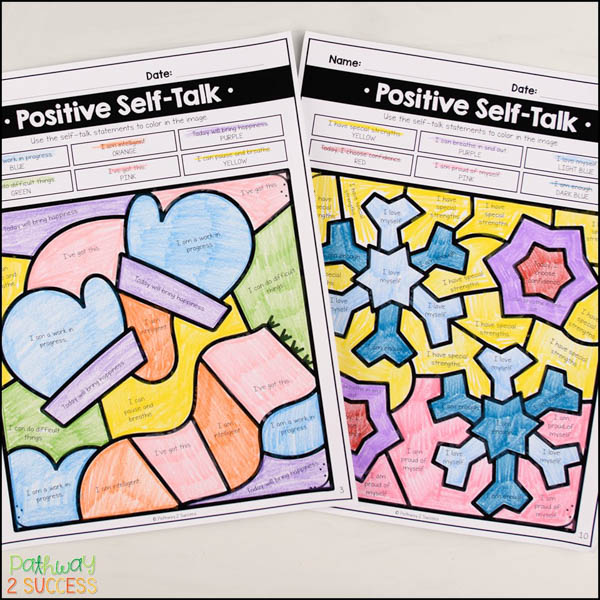
4. Mindful Winter Coloring
What it is: Artistic engagement utilizing winter-themed coloring pages infused with positive self-talk phrases.
Implementation: Distribute coloring sheets and varied supplies (colored pencils, crayons, gel pens). Emphasize that the goal is not artistic perfection, but relaxation, rhythmic movement, and deep breathing.
Mechanism: Coloring serves as an active moving meditation, offering an effective alternative to passive stillness for children who require physical engagement to self-regulate.
5. Cozy Reading Time
What it is: Immersive, comfortable reading sessions designed to promote stillness and interpersonal connection.
Implementation: Set an inviting tone by projecting a virtual fireplace, dimming harsh overhead lights, and inviting students to read independently or participate in a shared read-aloud.
Mechanism: Immersive reading lowers muscle tension, reduces stress hormones, and builds empathy, providing a cognitive escape from daily anxieties.
6. Winter Sensory Bins
What it is: Tactile exploration using large containers filled with safe, winter-themed particulate and sensory materials.
Implementation: Fill bins with items like artificial snow, cotton balls, pinecones, cinnamon sticks, and miniature winter figurines. Allow children to scoop, pour, and explore freely.
Mechanism: Tactile play satisfies sensory processing needs, enhances fine motor control, and grounds anxious or hyperactive energy into focused exploration.
7. Hot Cocoa Mindful Sip
What it is: A sensory-rich ritual transforming a simple winter treat into an exercise in mindfulness.
Implementation: Provide cups of hot cocoa (or any preferred warm beverage). Guide children to hold the warm mug, inhale the aroma, take slow, deliberate sips, and notice the physical sensations between pauses.
Mechanism: Warmth relaxes skeletal muscles while mindful tasting forces the brain to slow down, shifting attention away from cognitive overload and into sensory awareness.
8. Winter Imagination and Visualization
What it is: Guided imagery exercises where children mentally construct and explore peaceful winter landscapes.
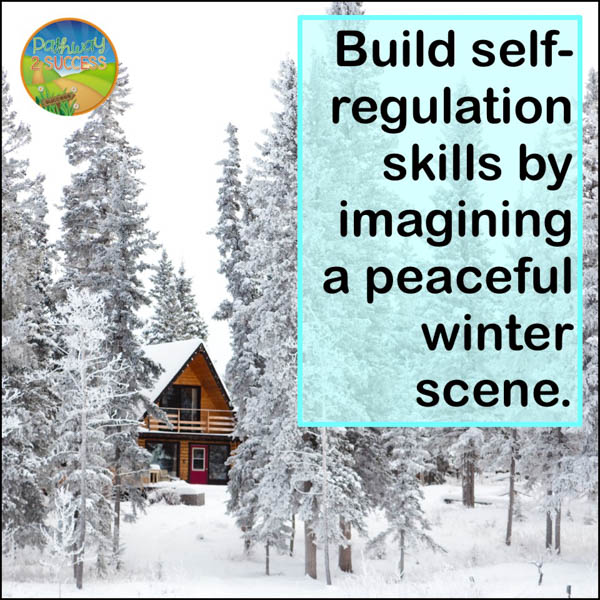
Implementation: Guide students to close their eyes and visualize serene scenes—such as a quiet, snow-covered forest or a warm cabin during a gentle snowfall. Use multi-sensory prompts inquiring about what they see, hear, feel, and smell.
Mechanism: Visualization trains the brain to utilize cognitive focus to alter emotional states, providing an internal sanctuary that children can access during moments of distress.
9. Winter Crafts and Hands-On SEL Projects
What it is: Creative structural art projects that require fine motor precision and frustration tolerance.
Implementation: Provide crafting materials for winter-themed creations (paper snowflakes, yarn art, nature collages). Allow students creative freedom while encouraging them to navigate mistakes or snags with patience.
Mechanism: Structured crafting engages executive functions, requiring planning, impulse control, and emotional regulation when artistic outcomes do not match initial expectations.
10. Winter Music and Freeze Dance
What it is: Dynamic movement and listening activities paired with winter-themed vocabulary and auditory cues.
Implementation: Play gentle instrumental winter music to set a calm background atmosphere, or transition into a lively "Winter Freeze Dance" where children must instantly freeze their bodies upon hearing specific seasonal words like "icicle" or "snowflake."
Mechanism: Music acts as an immediate mood-alterer, while freeze games provide high-energy practice in impulse control, motor inhibition, and cognitive shifting.
Future Outlook
As educational institutions and parenting paradigms continue to evolve, the integration of social-emotional learning (SEL) into everyday life is shifting from an optional luxury to an absolute necessity. The challenges posed by winter disruptions—while predictable—no longer need to result in classroom chaos or domestic friction.
Looking forward, experts anticipate a wider adoption of trauma-informed, sensory-friendly classroom designs and home environments that incorporate these self-regulation practices year-round. By normalizing tools like mindful breathing, sensory exploration, and emotional check-ins, society is cultivating a generation better equipped to handle not only the literal chills of winter, but the inevitable storms of life. Empowering children with these ten engaging strategies ensures that the winter season becomes a time not of behavioral regression, but of profound emotional maturation and enduring resilience.