
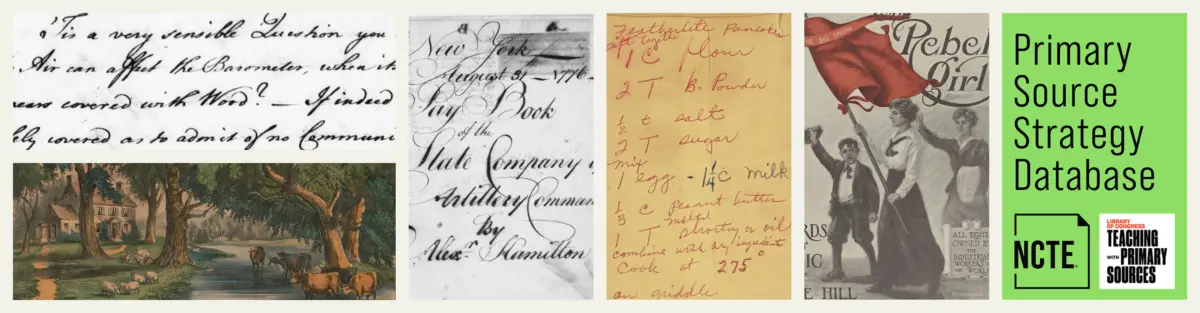
Executive Overview
In an era defined by rapid information consumption, algorithmic echo chambers, and the proliferation of digital media, the ability to critically analyze foundational historical documents has never been more urgent. At the forefront of addressing this educational imperative is a vital collaborative venture between the National Council of Teachers of English (NCTE) and the Library of Congress. Operating as an active participant in the Teaching with Primary Sources Consortium, the NCTE is spearheading a transformative movement designed to integrate historical artifacts directly into the daily pedagogical habits of literacy teachers and their students nationwide.
At the core of this initiative is an extensive, searchable digital database housing instructional strategies for more than 150 specific, digitized items from the Library of Congress’s peerless historical collections. Developed by over two dozen veteran educators, English language arts (ELA) leaders, and curriculum specialists, these resources do more than simply offer historical context; they articulate explicit literacy merits for classroom use. Complete with thematic connections, curriculum unit frameworks, and alignment with state standards, the platform empowers educators to search content seamlessly using targeted tags such as picturebook, argument, comprehension, grammar, and spelling.
Beyond traditional academic skills, this partnership boldly tackles contemporary cultural realities. By examining primary sources that reveal the historical intersections of power, identity, and systemic discrimination—such as early 20th-century advertisements for Black hair care products—educators are equipped to foster empathy, dismantle bias, and cultivate critical consciousness. This comprehensive report explores the architecture of the NCTE-Library of Congress collaboration, examines a specific pedagogical case study on hair discrimination, details the academic standards met by these resources, analyzes the socio-political challenges surrounding the curriculum, and outlines the future outlook for primary source-driven literacy education.
Detailed Chronology: The Evolution of the NCTE and Library of Congress Partnership
The integration of primary source material into American classrooms has historically been siloed within social studies and history courses. However, the recognition that literacy instruction and historical analysis are inextricably linked catalyzed a systemic shift over the past decade, culminating in the formal alliance between the NCTE and the Library of Congress.
Phase 1: Conceptualizing the Intersection of Literacy and History
For generations, English language arts classrooms focused primarily on canonical literature, creative writing, and formal grammar. Concurrently, history classrooms utilized primary sources almost exclusively to construct chronological narratives. Recognizing a missed opportunity for cross-disciplinary cognitive development, educational researchers began advocating for the use of historical texts, advertisements, letters, and photographs within ELA curricula. Analyzing a 19th-century broadside or an early 20th-century periodical requires the same rigorous textual scrutiny, evaluation of rhetoric, and understanding of authorial intent as analyzing a work of fiction.
Phase 2: Joining the Teaching with Primary Sources (TPS) Consortium
To bridge this pedagogical gap, the NCTE aligned itself with the Library of Congress through the Teaching with Primary Sources Consortium. This strategic partnership leverages the vast, digitized archives of the nation’s library and merges them with the pedagogical expertise of the nation’s premier organization for English language arts educators. The collaboration was designed with a clear mandate: provide ELA teachers with the tools, training, and confidence to utilize primary sources to enhance reading comprehension, critical thinking, and argumentative writing skills.
Phase 3: Mobilizing ELA Leaders and Developing the Database
To operationalize this vision, the NCTE mobilized more than two dozen distinguished teachers and leaders in English language arts education. These educators were tasked with selecting over 150 specific items from the Library of Congress archives and drafting comprehensive teaching strategies for each. Unlike generic archival repositories, this database was built specifically for literacy instructors. Every entry is meticulously cataloged with suggested themes, cross-curricular unit frameworks, state standard alignments, and searchable tags like picturebook and argument.
Phase 4: Expanding Access and Navigating Modern Classrooms
Today, the searchable database serves as a dynamic, evolving hub for educators navigating the complexities of 21st-century literacy instruction. By providing ready-to-use instructional strategies, the initiative bridges the gap between raw historical data and actionable classroom practice, ensuring that students do not just read history, but actively interrogate the texts that have shaped American society.
Supporting Context & Metrics: Unpacking the Pedagogical Case Study
To understand the practical application of this initiative, one must examine the specific instructional resources housed within the database. A compelling example involves a primary source exploring the historical policing of Black hair, systemic racism, and the intersection of appearance and power structures in the United States.
The Primary Source: PORO Hair Grower Advertisement
The artifact in question is a historical advertisement for PORO Hair Grower published in Franklin’s The Statesman. The visual and textual elements of the advertisement provide a rich landscape for literary and historical analysis:
- Visual Content: The advertisement features photographs of PORO founder Annie Malone Pope-Turnbo alongside a woman identified as L. L. Roberts, both displaying long, flowing, straight hair.
- Textual Captions: The captions directly reference personal transformation and struggle, reading: "4 years ago my hair was only a finger-length, and my temples were bald halfway up my head" (Pope-Turnbo) and "4 years ago my hair just covered my shoulders" (Roberts).
- Industry Context: The advertisements also contain crucial consumer warnings characteristic of the era’s burgeoning Black-owned beauty industry, alerting readers to counterfeit hair growth products on the market and urging them to verify official PORO items.
Instructional Value: Fostering Critical Consciousness and Empathy
According to the NCTE curriculum framework, examining this advertisement allows students to explore how seemingly trivial aspects of physical appearance are deeply intertwined with power structures and systemic racism. Key instructional outcomes include:
- Unpacking Cultural Erasure: Discussions surrounding Black hair highlight how dominant social systems historically and currently aim to erase cultural identity and enforce conformity to prevailing Eurocentric norms.
- Developing Empathy: Learning about the historical and ongoing psychological and emotional tolls of hair discrimination helps students build empathy and compassion for marginalized individuals and communities.
- Challenging Social Norms: The resource trains students to analyze and question social norms, identify implicit and explicit biases, and challenge systems of oppression by critically examining how aesthetic standards are socially constructed.
- Empowering Marginalized Students: For students directly affected by discrimination, understanding the historical context of hair policing provides validation, fosters an appreciation of cultural heritage, and empowers them to resist harmful stereotypes and embrace their authentic selves.
Official Standards Connections & Frameworks
To ensure seamless integration into existing state curricula, the instructional strategies associated with these primary sources are rigorously mapped to recognized educational standards. For instance, the frameworks align directly with the New Mexico Adopted Content Standards across both Speaking & Listening and Literacy in History/Social Studies domains:
- SL.11-12.3 (Speaking & Listening): Students learn to evaluate a speaker’s point of view, reasoning, and use of evidence and rhetoric, assessing the stance, premises, links among ideas, word choice, points of emphasis, and tone used—skills directly transferable when analyzing historical advertisements and promotional rhetoric.
- RH.11-12.1 (Literacy in History/Social Studies): Students cite specific textual evidence to support analysis of primary and secondary sources, connecting insights gained from specific details to an understanding of the text as a whole.
- RH.11-12.2 (Literacy in History/Social Studies): Students determine the central ideas or information of a primary or secondary source, providing accurate summaries that clearly articulate the relationships among key details and ideas.
Furthermore, the database’s tagging system—incorporating markers like Comprehension, Grammar, and Spelling—ensures that teachers do not have to sacrifice foundational ELA skill development to incorporate social justice and historical inquiry into their lesson plans.
The Landscape of Controversy: Navigating Potential Challenges
While the integration of primary sources dealing with systemic racism, cultural identity, and social history offers profound educational benefits, it is not without operational hurdles. Educators utilizing these resources often navigate a complex socio-political landscape characterized by parental and administrative resistance.
1. The Myth of Colorblindness and Division
Some community members and stakeholders advocate for a "colorblind" approach to education, operating under the belief that race should never be a factor in instructional design. Critics holding this viewpoint frequently argue that focusing on topics such as the policing of Black hair or institutional discrimination causes unnecessary division among students. Proponents of the NCTE curriculum counter that ignoring historical and contemporary realities does not eliminate them; rather, it leaves students unequipped to navigate a diverse, multicultural society.
2. Political Objections and Misunderstandings
In various regions across the United States, conservative policymakers and parents have raised objections to curricula they perceive as aligned with Critical Race Theory (CRT) or unauthorized discussions of systemic racism. Additionally, critics sometimes argue that social justice-oriented primary source analysis distracts from the "core" academic curriculum. Educational experts emphasize that these objections often stem from a fundamental misunderstanding of the historical and contemporary significance of hair discrimination and its tangible psychological and economic impacts on the Black community.
Navigating Resistance
To support educators facing pushback, the NCTE provides professional development resources and framing strategies. By grounding discussions strictly in documented historical evidence—such as archival advertisements, legislative records, and court documents—teachers can demonstrate that their lessons adhere to rigorous academic standards while fostering critical literacy, civic engagement, and historical comprehension.
Future Outlook: The Next Frontier in Literacy Education
As the NCTE and the Library of Congress continue to expand the Teaching with Primary Sources Consortium, the horizon for ELA education looks increasingly interconnected, analytical, and digital.
Expanding the Digital Repository
Plans are currently underway to scale the existing database, incorporating hundreds of additional primary sources that reflect diverse American voices, lesser-known historical narratives, and multimedia artifacts. By continuously engaging teachers and curriculum designers in the curation process, the repository ensures that classroom materials remain responsive to the evolving needs of a changing student demographic.
Professional Development and Teacher Empowerment
Future phases of the initiative will place heavy emphasis on professional development workshops, webinars, and collaborative learning communities. By training pre-service and veteran teachers alike in archival research methodologies, the NCTE aims to demystify primary source integration. Educators will increasingly possess the pedagogical fluency required to transform raw historical archives into vibrant, inquiry-based ELA lessons.
Cultivating Critical Thinkers for a Complex World
Ultimately, the collaboration between the NCTE and the Library of Congress represents a profound investment in the intellectual autonomy of American students. By teaching young people how to interrogate historical advertisements, government documents, literary manuscripts, and cultural artifacts, educators are doing more than teaching reading and writing. They are cultivating a generation of discerning, empathetic, and critically conscious citizens capable of analyzing the past, navigating the present, and shaping a more equitable future.

