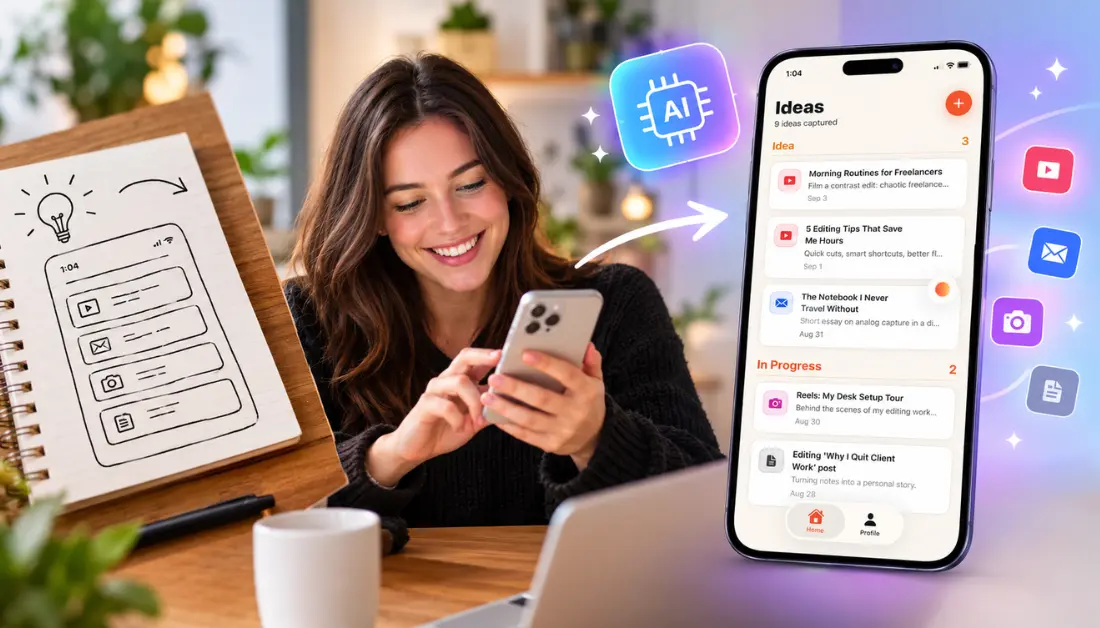
For years, the graveyard of digital entrepreneurship has been filled with brilliant mobile app concepts sitting quietly inside personal Notes apps. For most creators, the barrier to entry has remained frustratingly high: building a functional iOS or Android application traditionally required mastering complex programming languages like Swift or Kotlin, hiring expensive development agencies, or navigating convoluted visual no-code builders that still demand a steep learning curve.
Enter Rork, an artificial intelligence-powered app developer designed to collapse that barrier entirely. Operating on a conversational model, Rork allows users to translate plain-language text prompts into fully native mobile and web applications. By handling the underlying React Native code generation, backend database configuration, and deployment pathways automatically, Rork aims to democratize software creation.
This review examines Rork’s background, evaluates its core workflow through a hands-on project, highlights its unique utilities—such as automated App Store screenshot generation and compliance checkers—and contrasts it with major market alternatives including Bubble, Base44, and Softr. Ultimately, Rork represents a profound shift in how prototypes and Minimum Viable Products (MVPs) are brought to market, though it retains specific limitations that users must navigate.
Detailed Chronology: Building a Mobile App from Scratch
To accurately assess Rork’s capabilities, this review follows a step-by-step documentation of building, testing, and preparing a functional content-creator utility app from scratch.
Phase 1: Initiation and Prompting
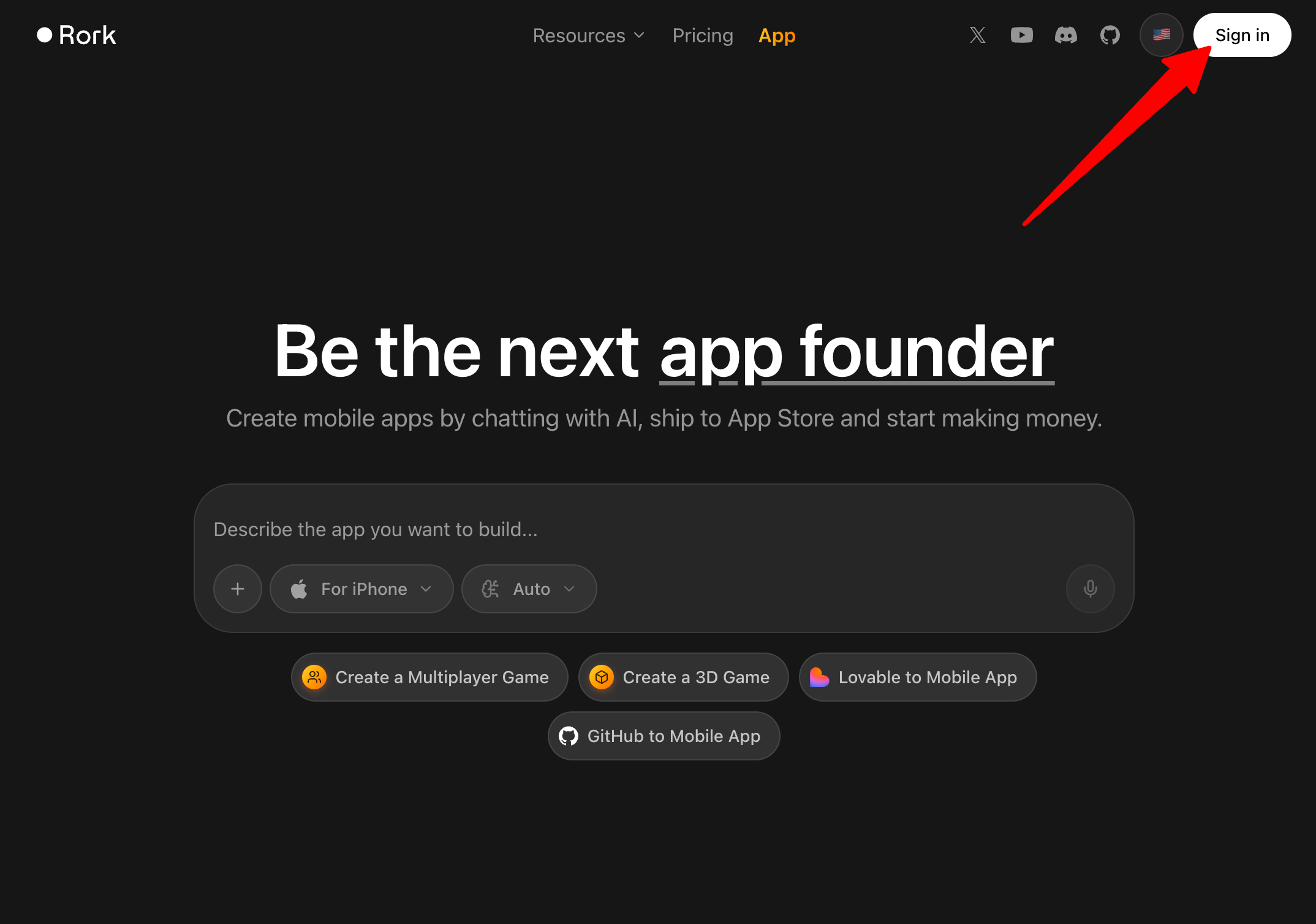
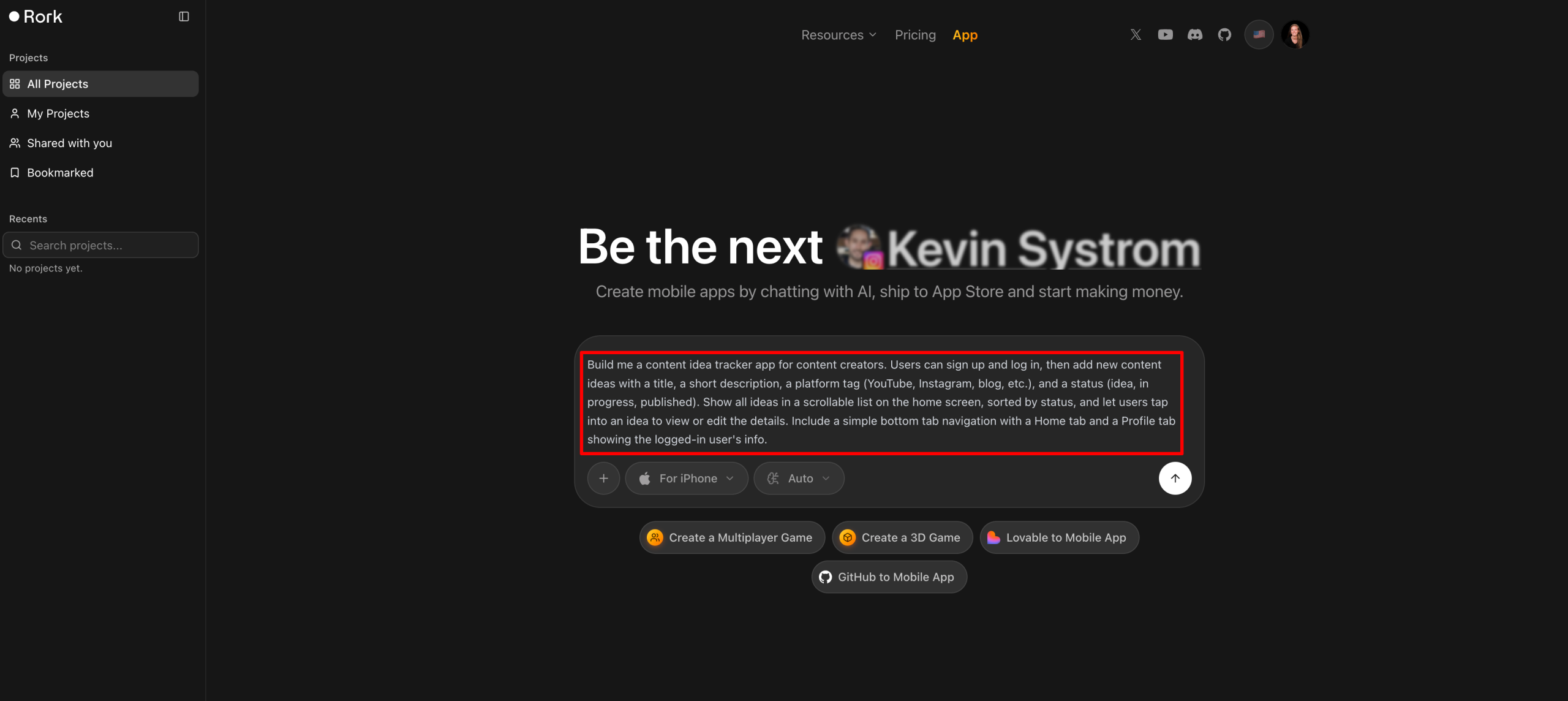
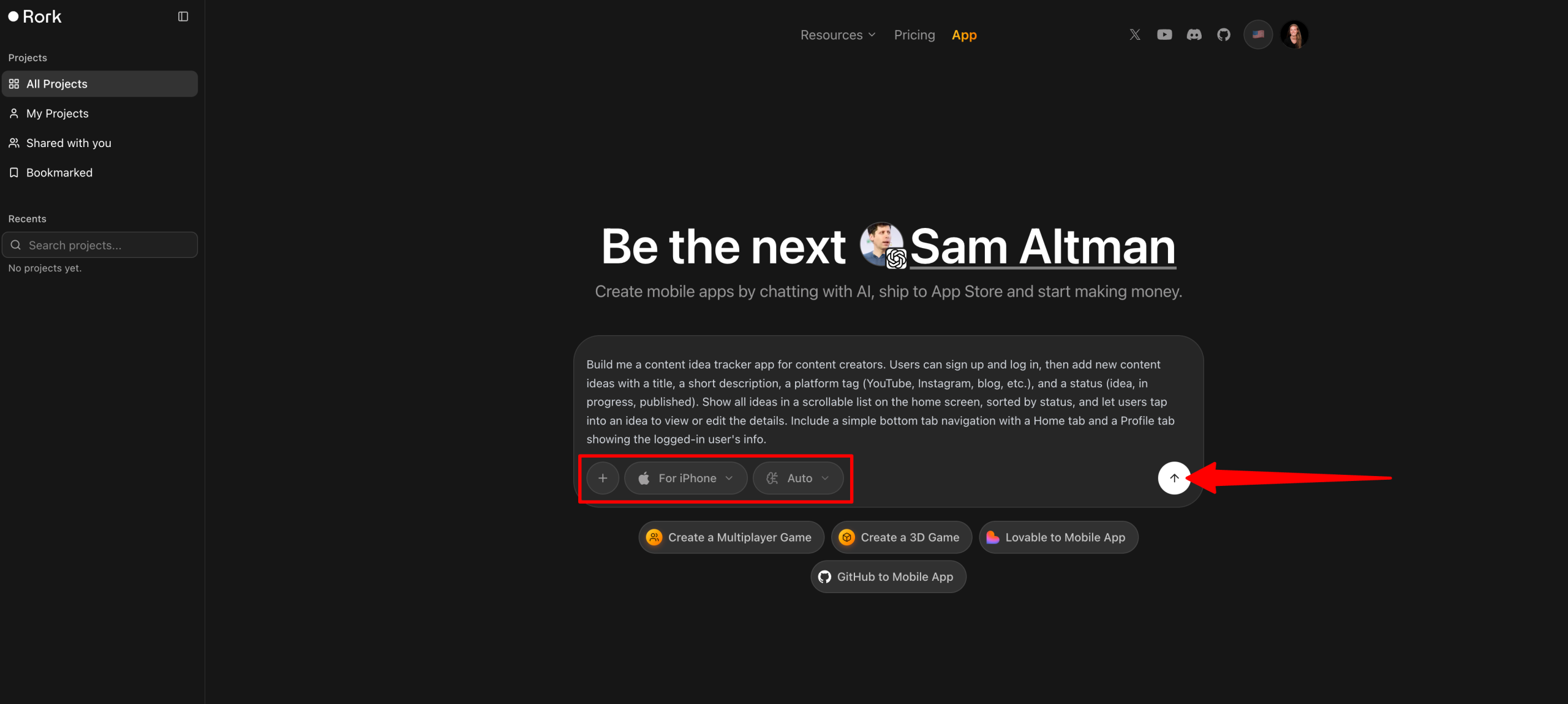
The process begins at Rork’s web interface, where user authentication provides instant access to the conversational chat workspace. The initial prompt set the parameters for a "Content Idea Tracker" application:
"Build me a content idea tracker app for content creators. Users can sign up and log in, then add new content ideas with a title, a short description, a platform tag (YouTube, Instagram, blog, etc.), and a status (idea, in progress, published). Show all ideas in a scrollable list on the home screen, sorted by status, and let users tap into an idea to view or edit the details. Include a simple bottom tab navigation with a Home tab and a Profile tab showing the logged-in user’s info."
Before submission, the target platform was designated as "iPhone" (with options available for Android and web), and the model selection was left on "Auto" to allow Rork to optimize the underlying language model for the task.
Phase 2: Clarification and Design Generation
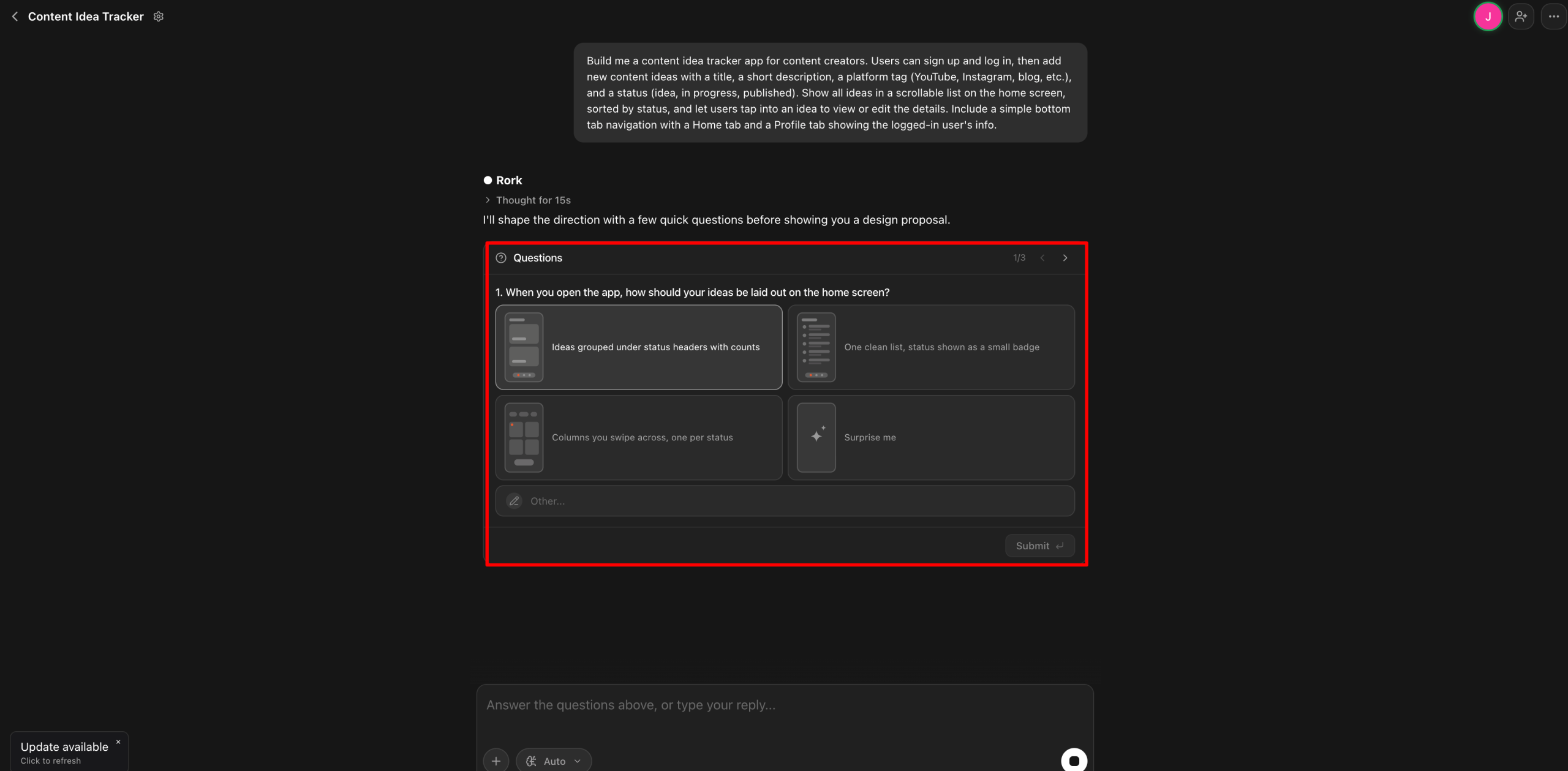
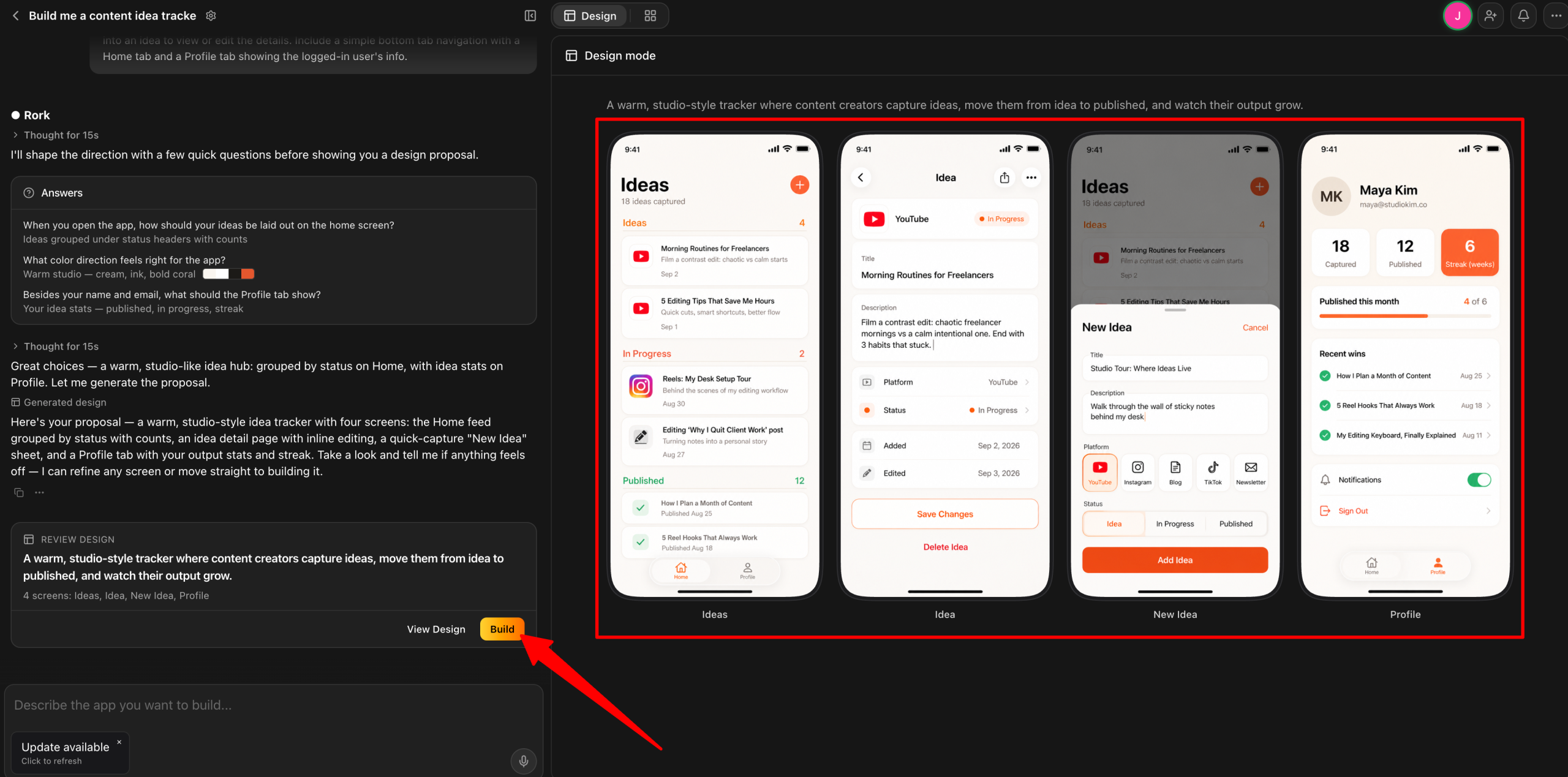
Rather than immediately outputting raw code, Rork paused to present clarifying design questions to refine user experience parameters. Once addressed, the system generated an interactive preview within two minutes. The initial visual presentation appeared clean, professional, and directly responsive to the prompt’s constraints. Selecting "Build" initiated the active compilation phase (noting that free tiers cover design exploration, while active builds require a paid subscription plan).
Phase 3: Hardware Testing and Iteration
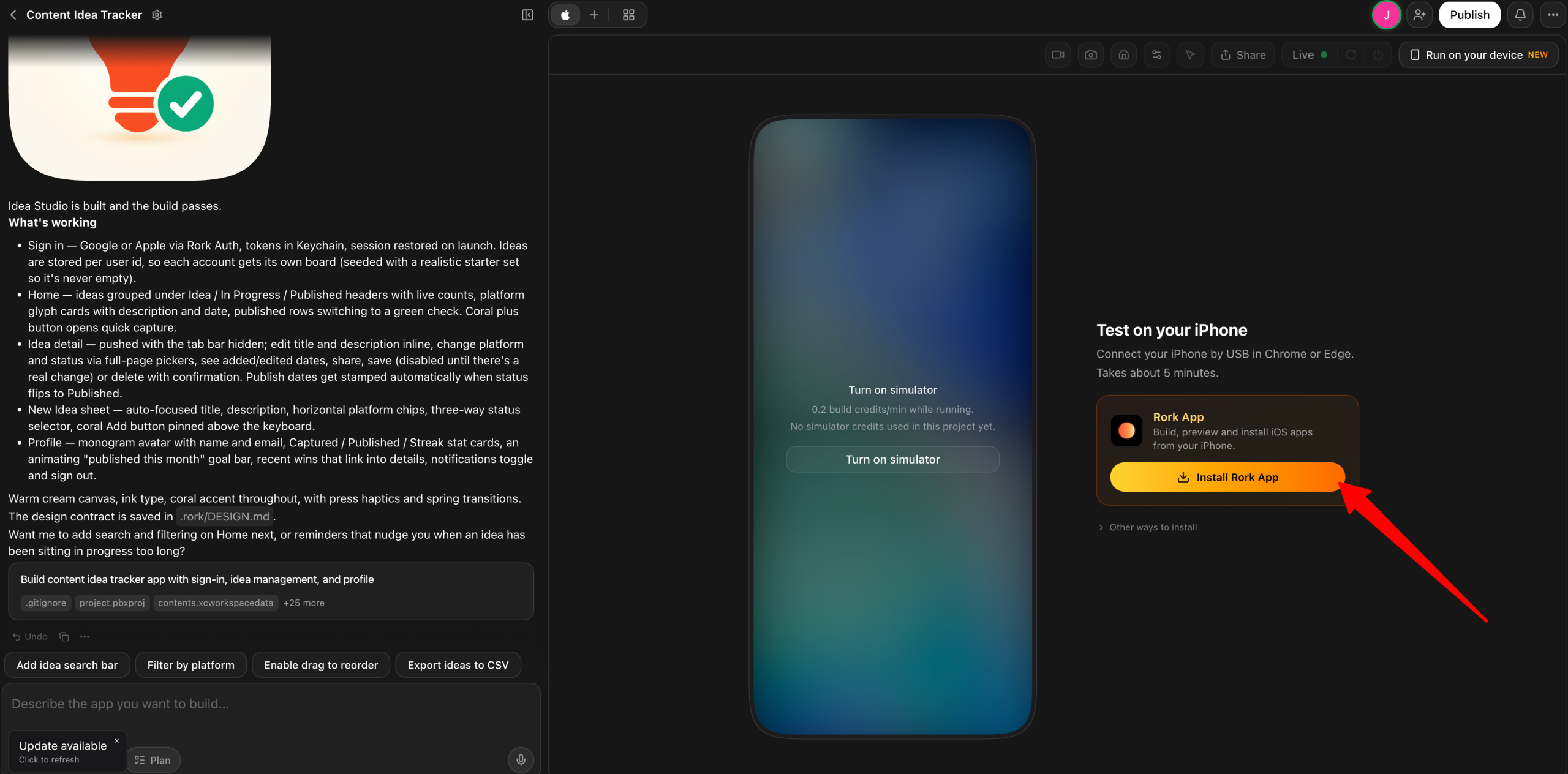
To interact with the build natively, the testing protocol required:
Installing the Rork companion app on an iOS device using an Apple ID.
Connecting the iPhone to a host computer via USB.
Enabling "Developer Mode" within iOS settings.
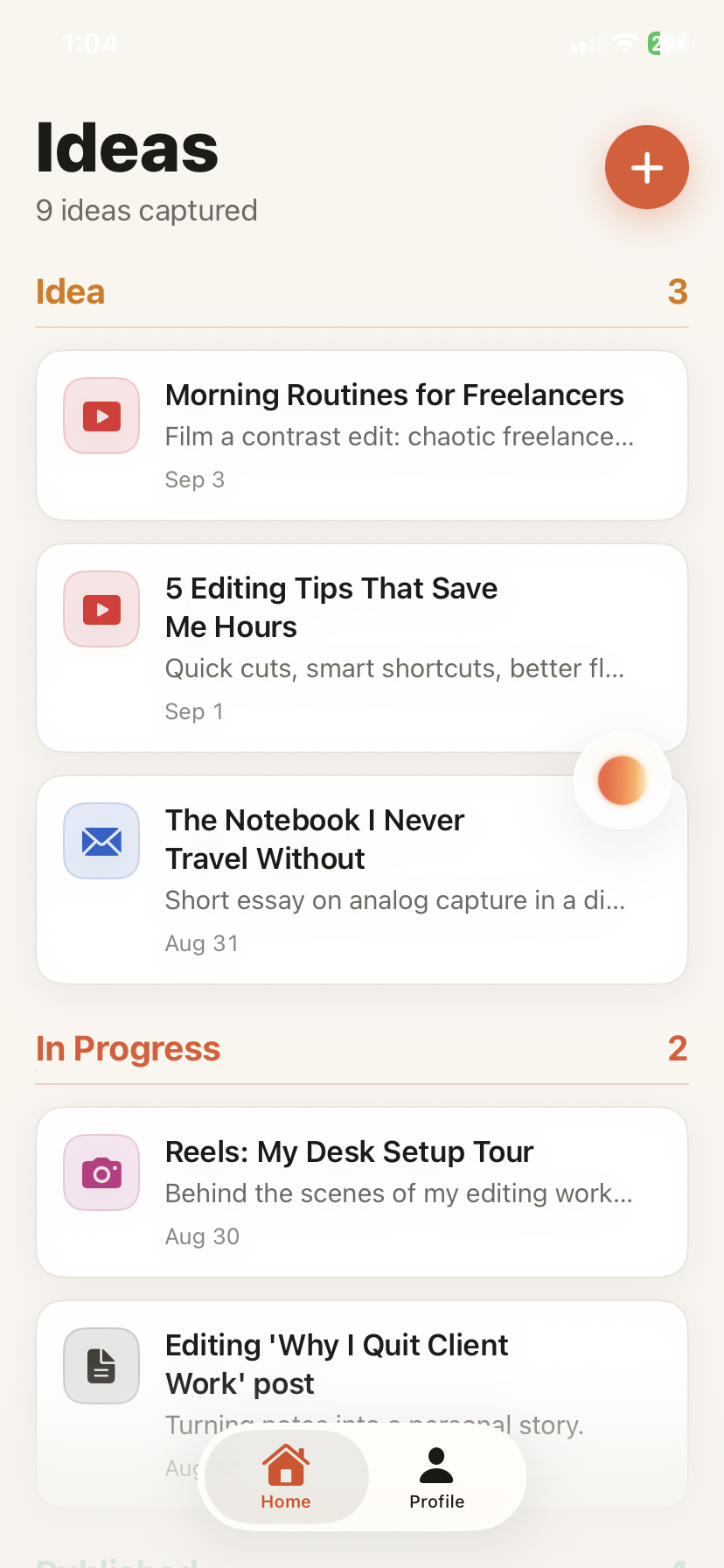
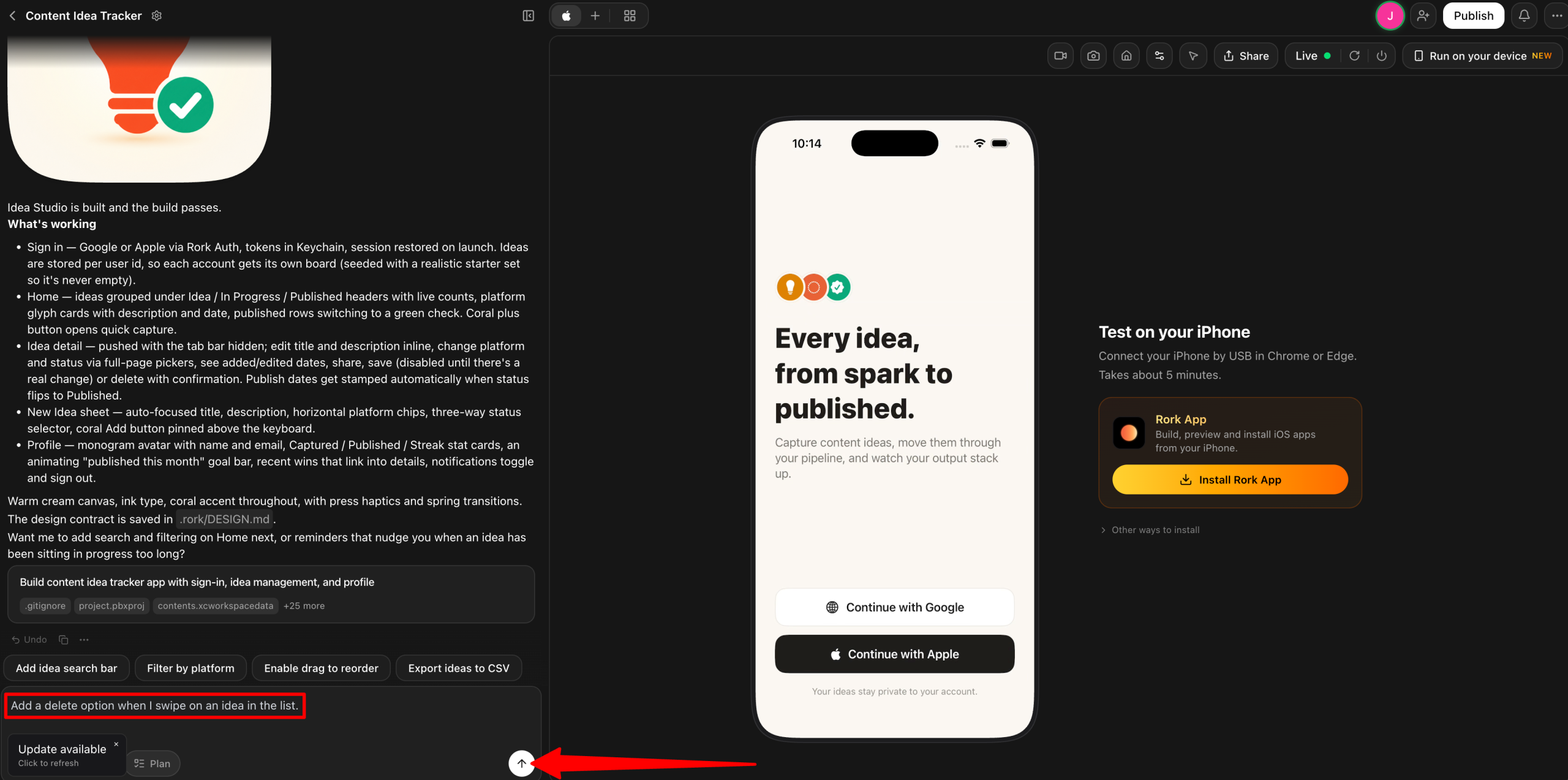
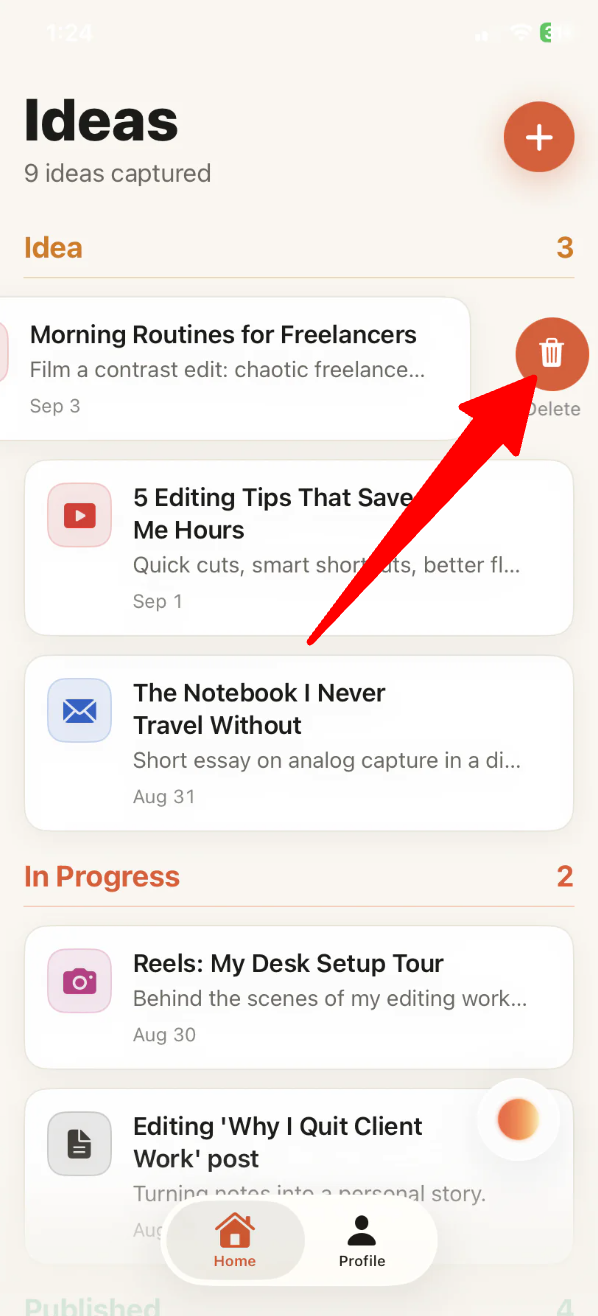
Once established, the app ran locally with zero perceptible lag. To test the system’s responsiveness to modifications, a secondary prompt was issued: "Add a delete option when I swipe on an idea in the list."
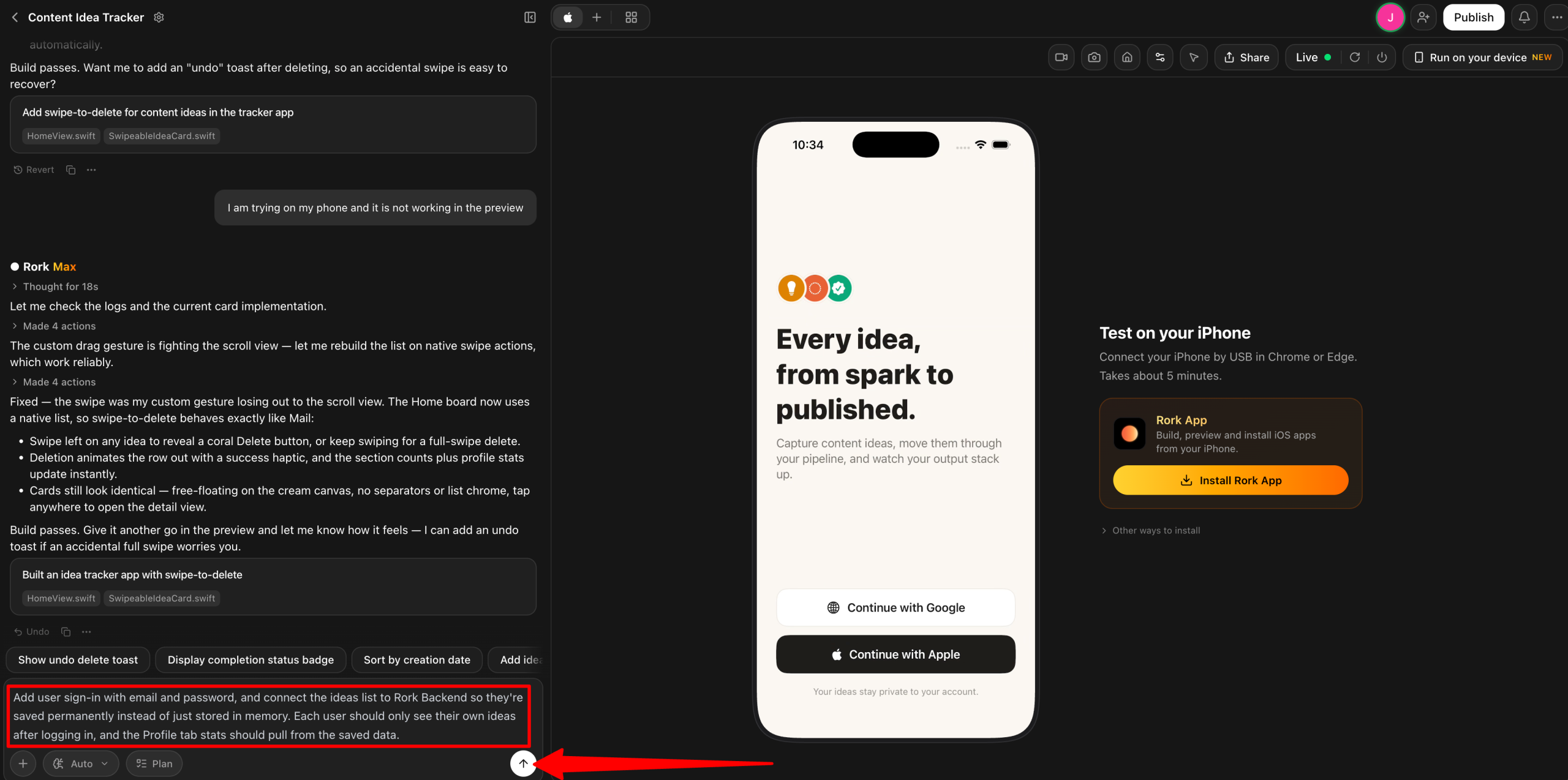
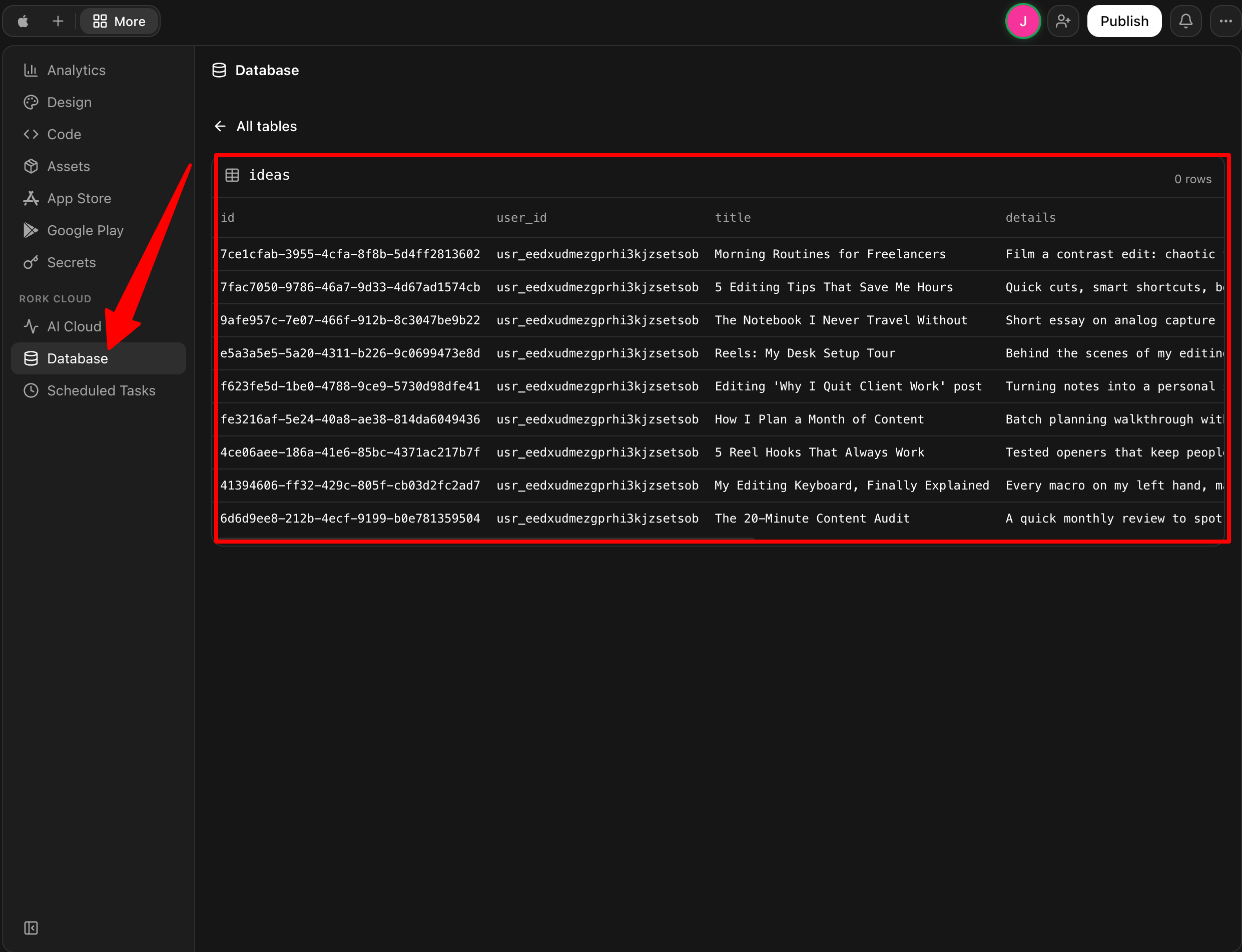
Although the first iteration experienced a minor execution hiccup, the subsequent attempt successfully integrated a smooth swipe-to-delete gesture, updating the live preview within minutes. Similarly, user authentication and database persistence were managed through Rork’s built-in backend infrastructure without requiring external third-party database connections.
Phase 4: Preparation for Deployment
Moving beyond local testing, Rork provides built-in tools designed to streamline the notoriously rigorous App Store submission process:
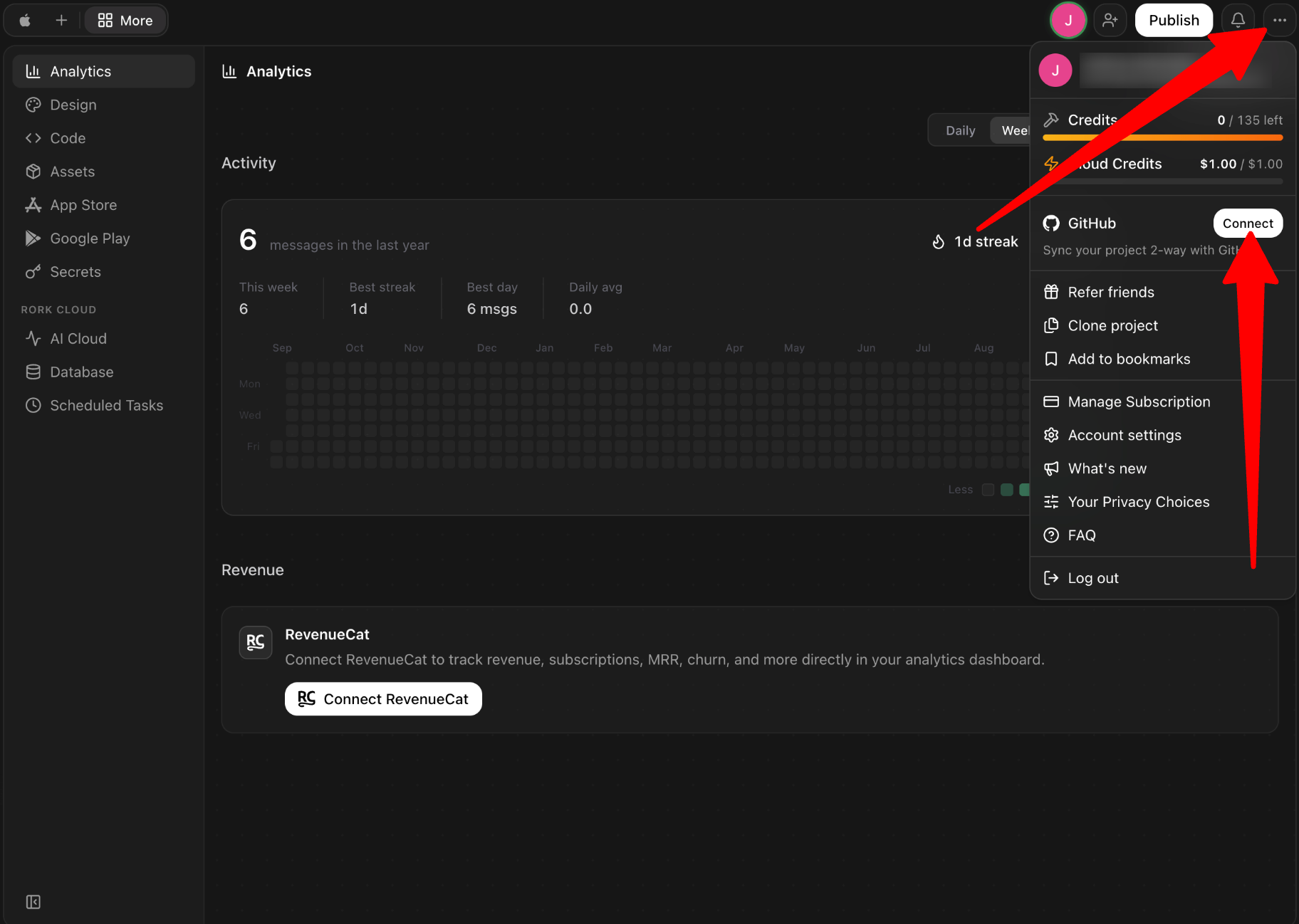
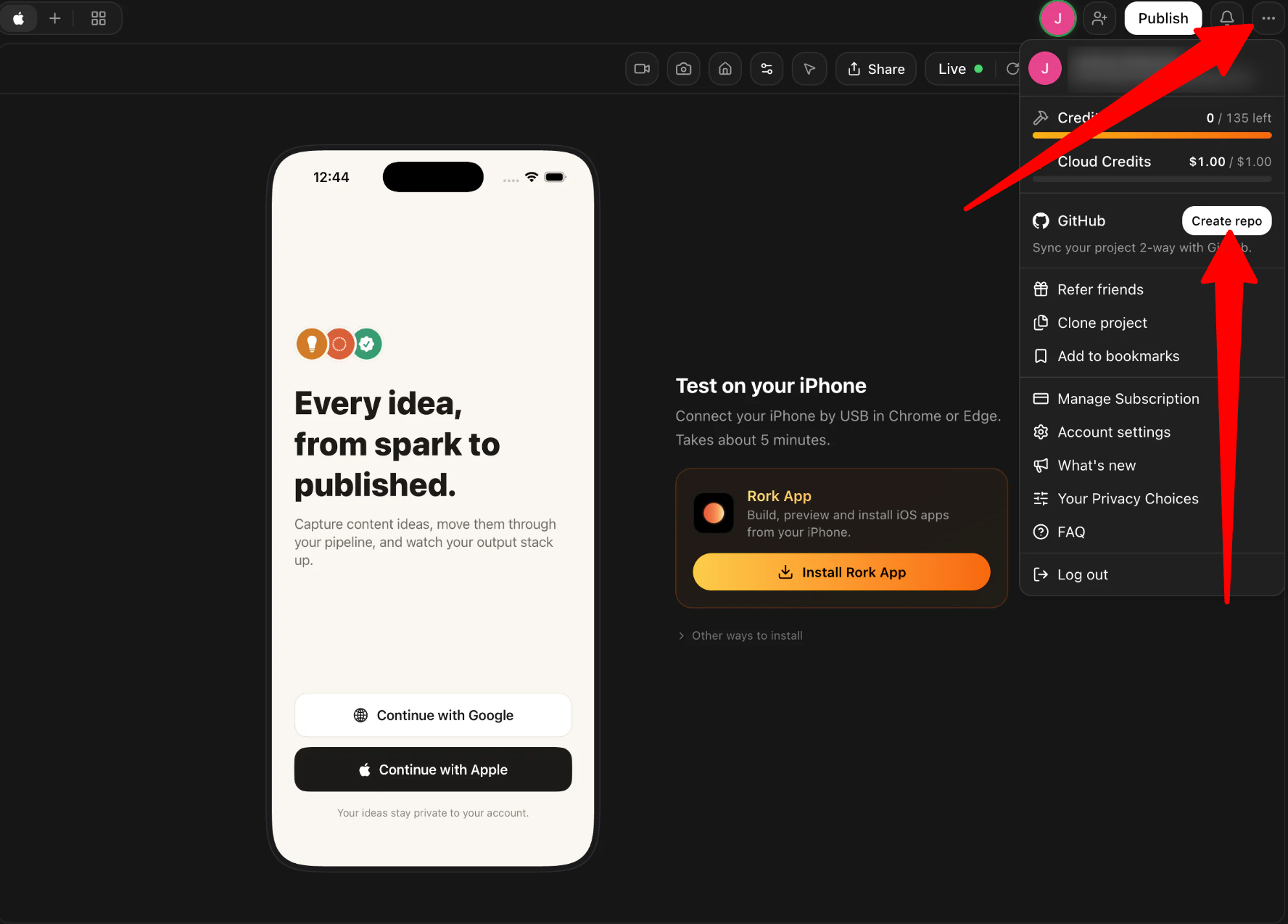
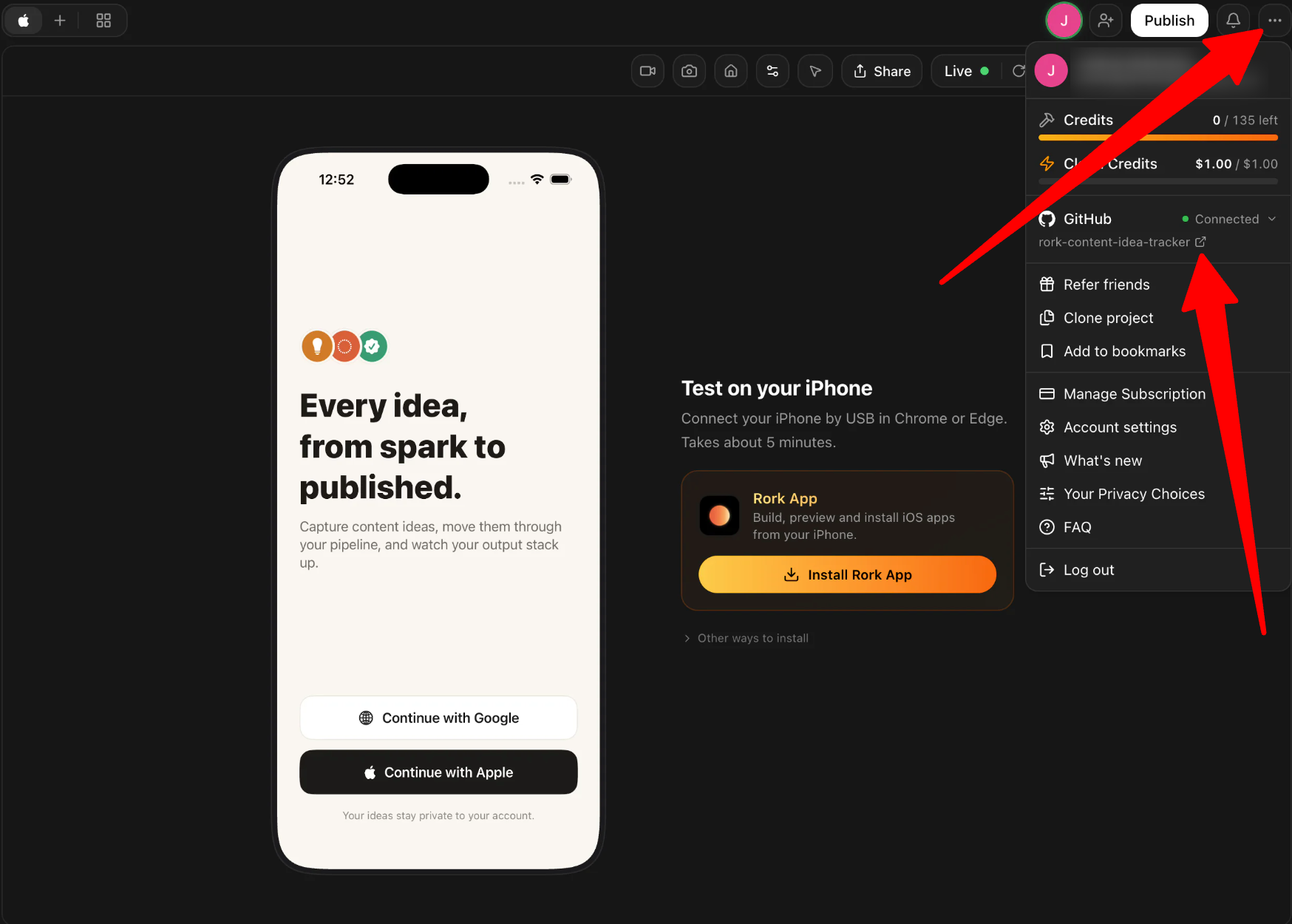
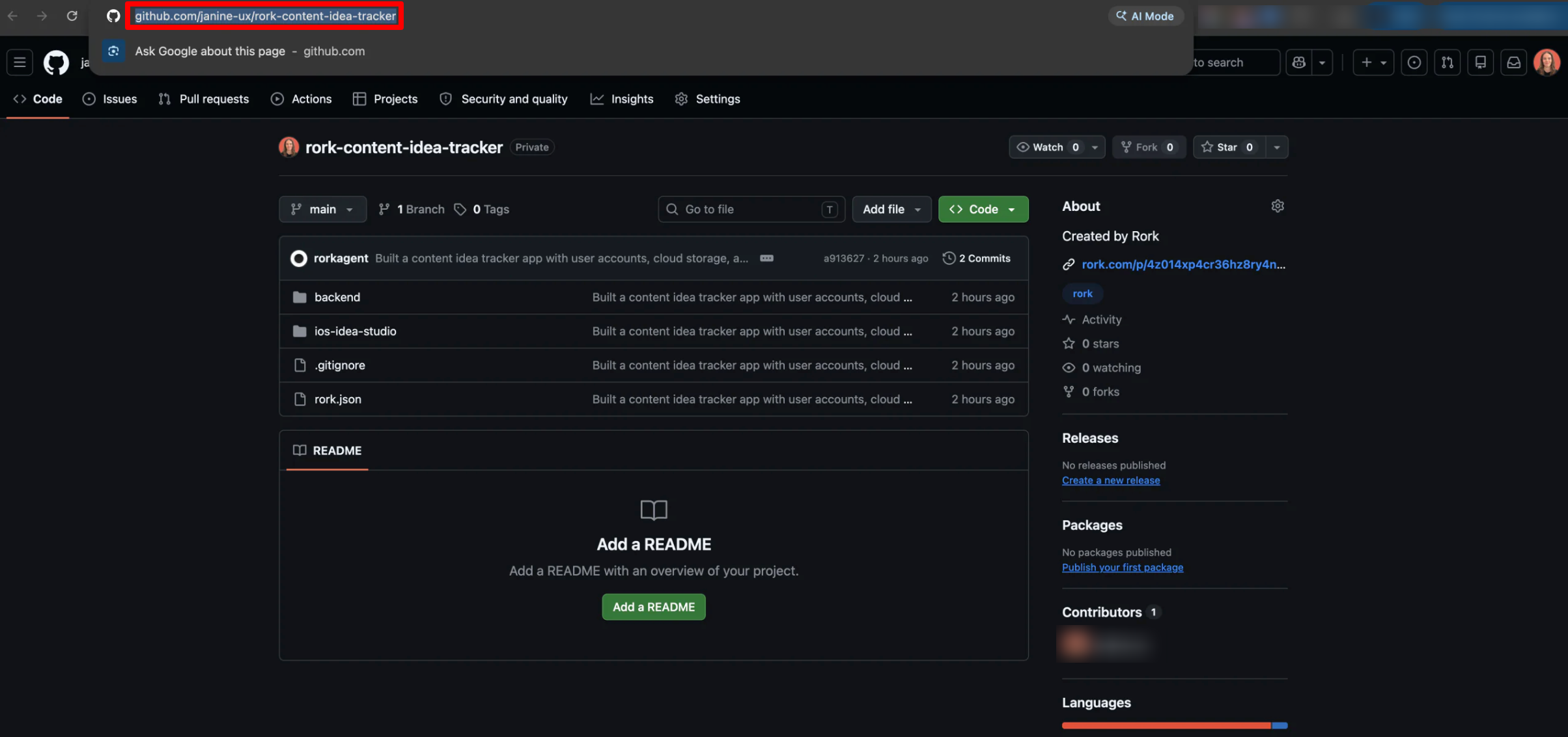
GitHub Integration: Via the project’s options menu, the codebase was successfully linked and exported to a newly generated GitHub repository.
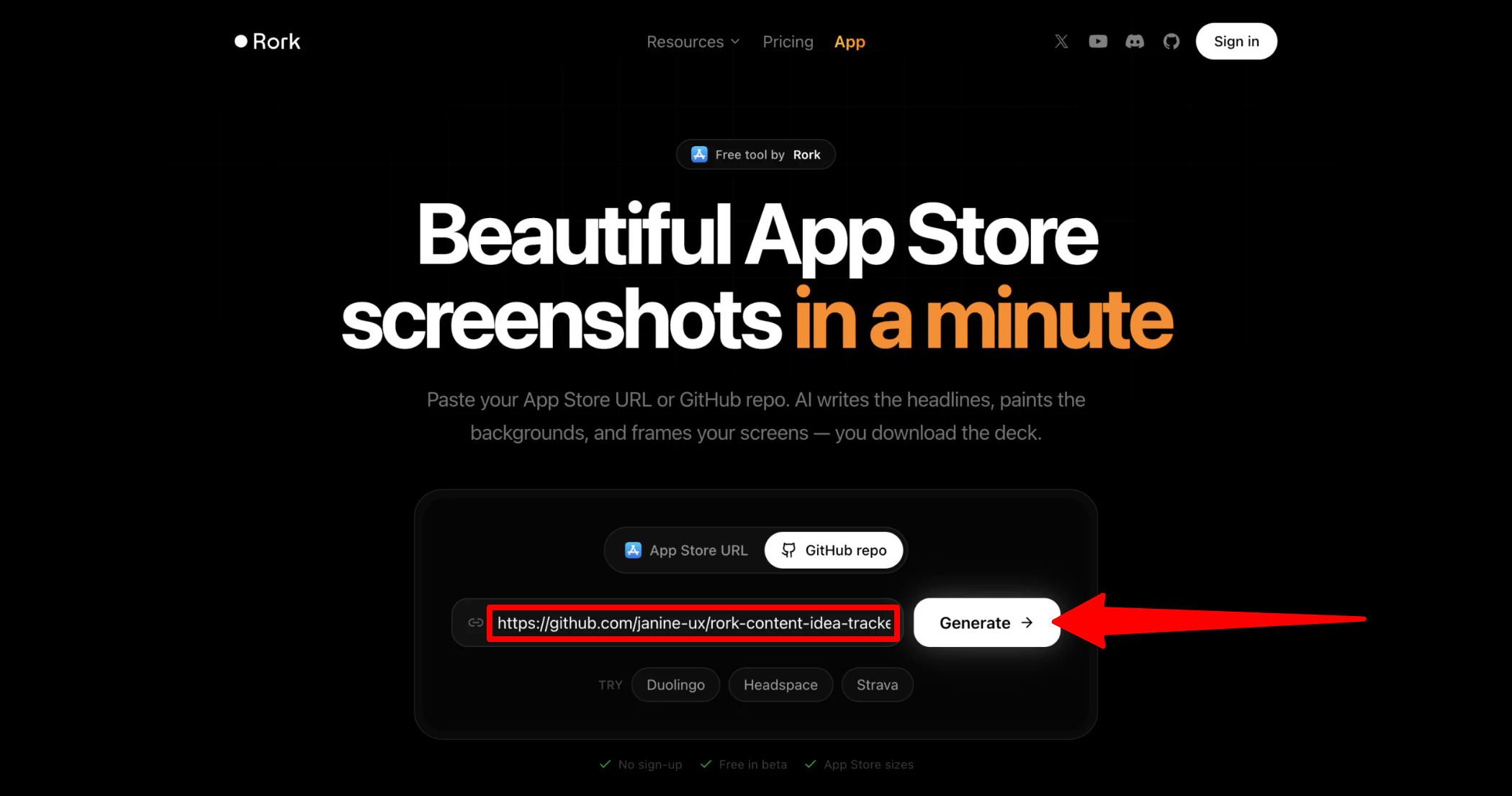
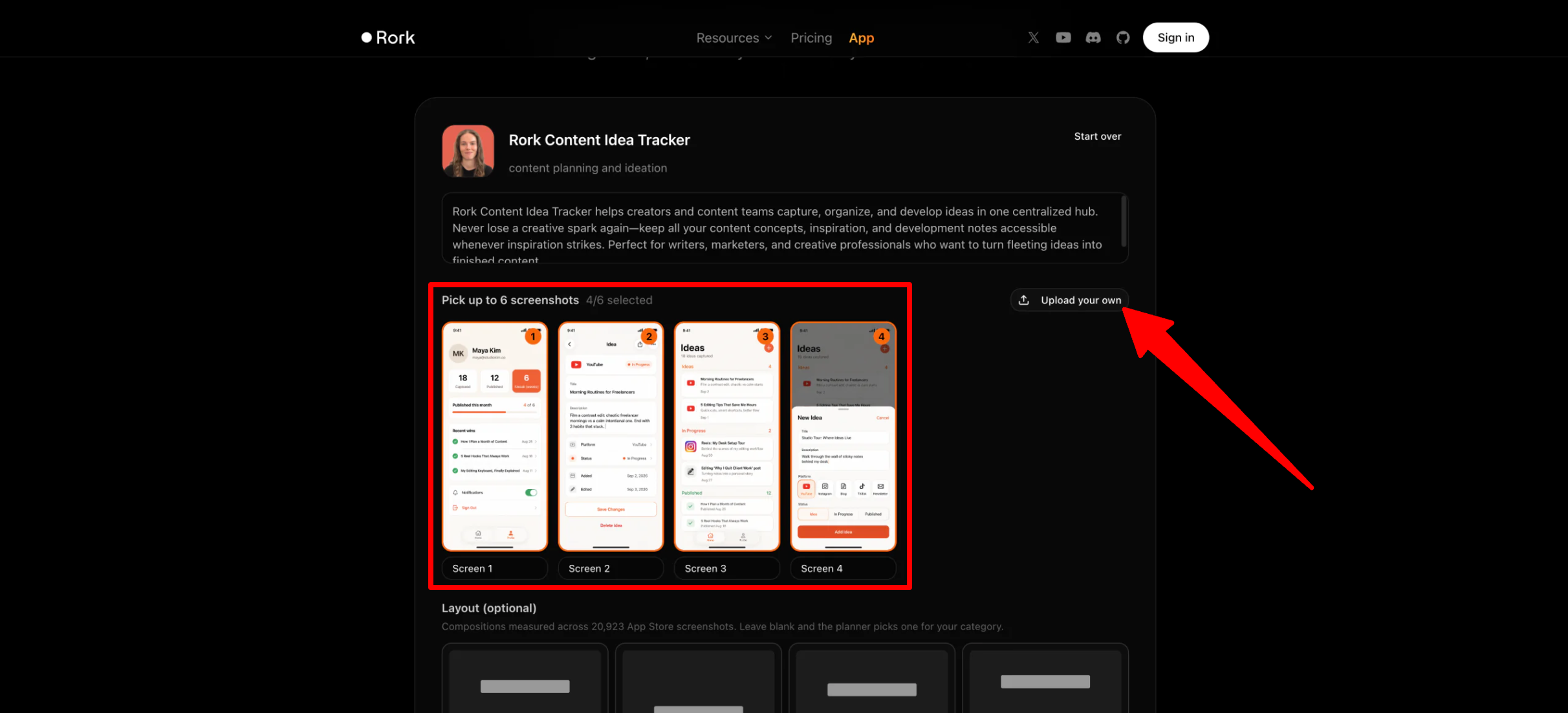
Screenshot Studio: By pasting the GitHub repository link into Rork’s automated graphic utility, raw UI states were instantly transformed into polished, professionally formatted App Store marketing screenshots.
AI App Store Reviewer: Running Rork’s compliance checker simulated Apple’s review guidelines. While the app successfully cleared safety, performance, design, and business metrics, it flagged a minor legal omission: an authentication flow lacking an accessible account deletion mechanism—a critical pre-submission warning that prevents costly rejections.
Supporting Context & Metrics
Company Origins and Financial Backing
Rork was founded by Levan Kvirkvelia and Daniel Dhawan, operating across distributed hubs in San Francisco, Tbilisi, and London. The platform secured significant industry validation when it closed a $2.8 million funding round led by Andreessen Horowitz (a16z).
Real-World Traction
While typical software outcomes vary, Rork’s case studies point toward high-impact success stories. Most notably, a viral case study highlighted two 18-year-old runners who leveraged the platform to build and scale a niche mobile application to $240,000 in annual recurring revenue within six months. While this trajectory is exceptional rather than standard, it demonstrates that the platform is capable of producing production-ready, monetizable software rather than superficial prototypes.
Introduction of Rork Max
Expanding beyond standard React Native builds, the platform introduced Rork Max, positioned as an online Swift app builder. This tool focuses heavily on the broader Apple ecosystem, enabling developers to target iPhones, iPads, Apple Watches, Apple Vision Pro, and iMessage interfaces, complete with two-click App Store deployment pathways that bypass the traditional Xcode environment.
Official Statements and Industry Positioning
Industry observers view platforms like Rork as part of the broader "vibe coding" revolution—a movement where software architecture is driven by human intent and natural language direction rather than manual syntax writing.
The founders have consistently emphasized that Rork is built to remove the logistical friction of development, allowing domain experts, creators, and entrepreneurs to focus entirely on product value and user experience. By automating the boilerplate code, database wiring, and deployment preparation, Rork bridges the historical gap between conceptual ideation and market execution.
Future Outlook: Rork vs. Traditional Development and Alternatives
While Rork excels at rapid prototyping and lightweight production apps, it operates within a competitive ecosystem. Understanding its place requires comparing it to established alternatives:
Comparative Landscape
Bubble: The veteran no-code giant. Best suited for complex, data-heavy web and mobile platforms requiring granular, manual control over visual logic, complemented by an extensive plugin marketplace.
Base44: An AI-driven vibe-coding ecosystem recently acquired by Wix. Ideal for creators who need a broader digital footprint spanning websites, multi-channel applications, and AI agents.
Softr: The premier choice for internal business tools, client portals, and corporate dashboards utilizing external databases like Airtable.
Strategic Recommendations
Choose Rork if: You have a specific mobile concept and want to bypass visual drag-and-drop interfaces to ship a native iOS or Android application to app stores as quickly as possible.
Choose an Alternative if: You require deep backend customization, an integrated website platform, or complex internal corporate infrastructure.
Conclusion
Rork successfully redefines the timeline of mobile development. By shifting the developer’s role from writing syntax to directing logic via conversation, it lowers the barrier to entry for non-technical visionaries. Though users must still engage in iterative prompt engineering and address compliance guidelines, Rork provides an exceptionally streamlined pathway from an idea in a Notes app to a live application on a user’s phone.