In the modern high school environment, fostering genuine community, mutual respect, and student well-being remains one of the most persistent pedagogical challenges. Educators continually search for practical, scalable strategies that transcend traditional classroom management and foster a deep sense of belonging.
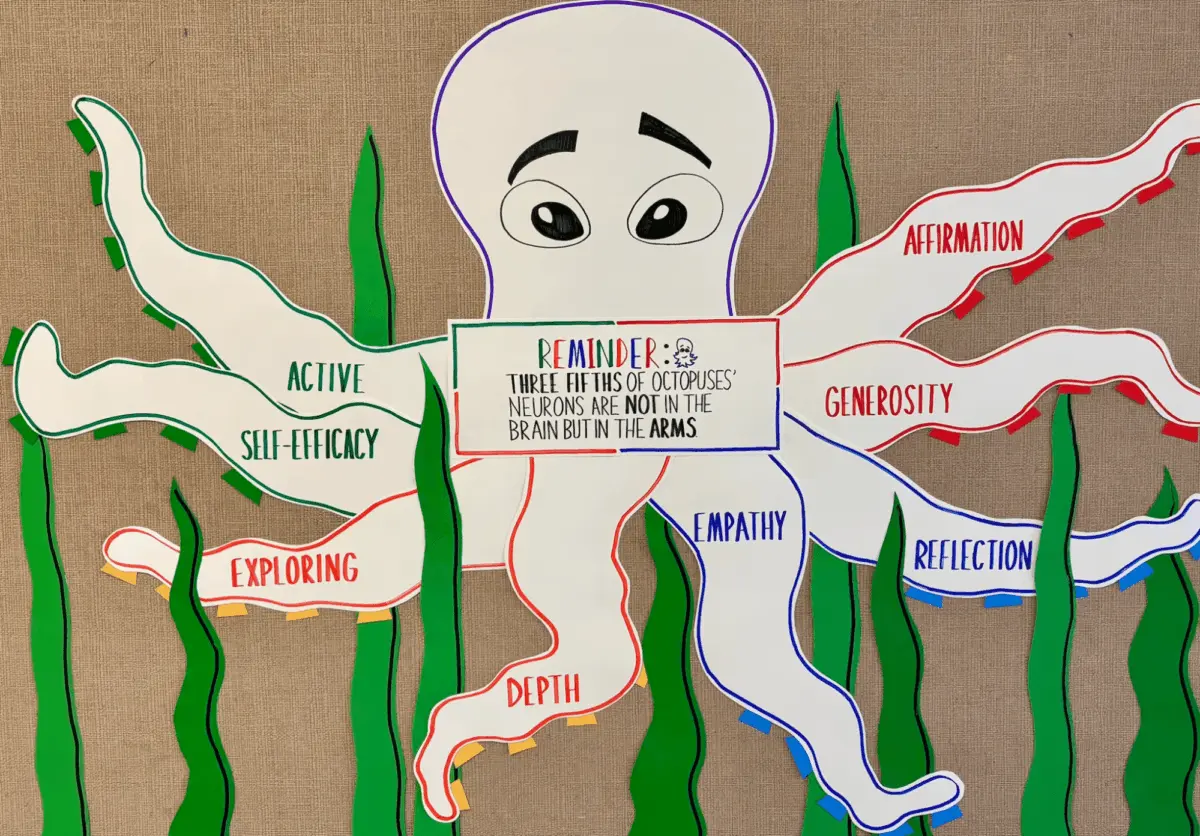
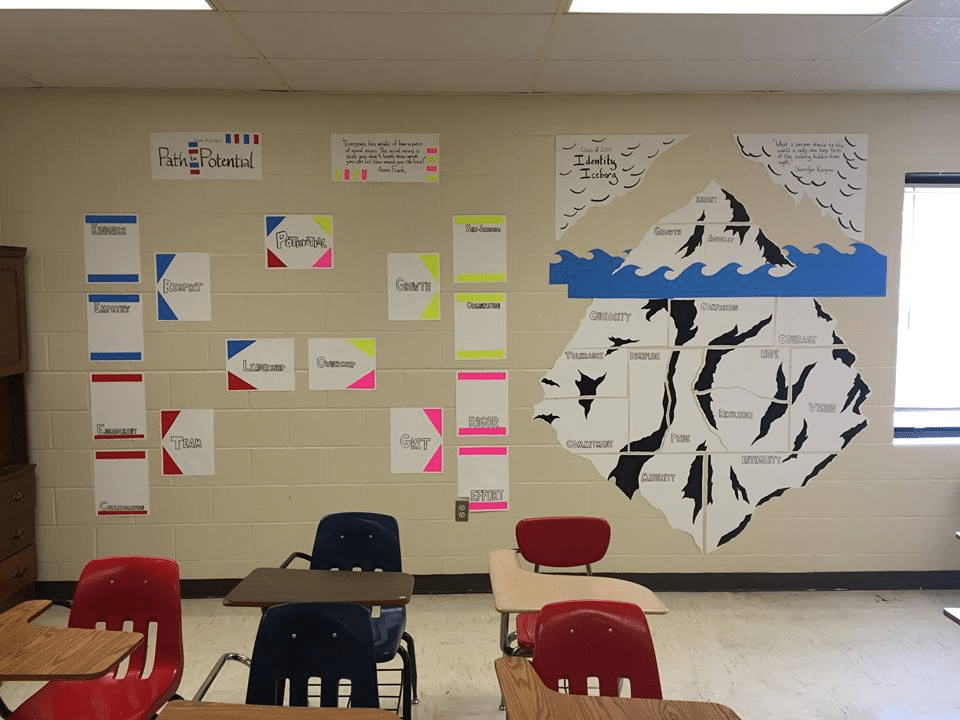
Enter the "Peer Affirmation System"—a classroom culture initiative developed and refined over more than a decade by high school educator Marcus Luther. At its core, the system transforms abstract behavioral values into concrete, student-led acknowledgments displayed prominently on classroom walls. Evolving from early iterations inspired by John Wooden’s Pyramid of Success and elementary school community boards, Luther’s current model features a sprawling, multi-appended visual centerpiece fondly dubbed "the octopus."
This investigative look explores how this peer affirmation ritual operates, its integration into high school curriculum logistics, its profound psychological impact on adolescents—including notorious skeptics and eye-rolling upperclassmen—and why intentional classroom rituals serve as vital pillars for authentic student growth.
Detailed Chronology: From Concept to the Classroom Octopus
The pedagogical lineage of Luther’s peer affirmation framework traces back to observations made in his wife’s fifth-grade classroom, where she routinely tasked students with writing brief, positive notes to one another. Recognizing the value of intentional, community-wide core values, Luther sought to adapt this approach for high school learners.
Phase 1: The Wooden Pyramid (Early Years)
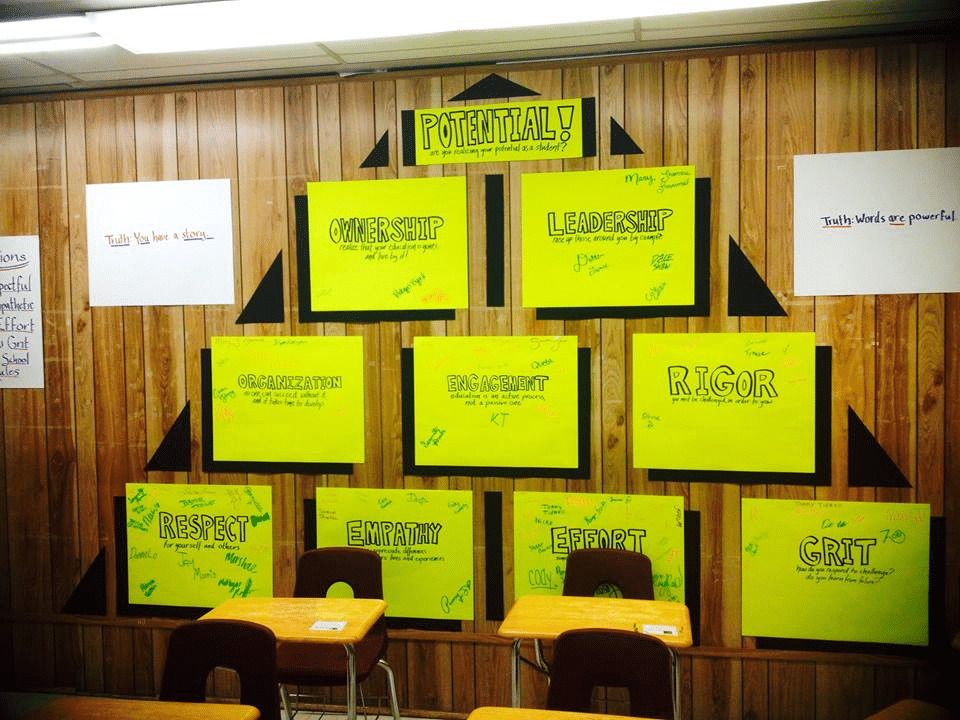
In his earliest years as a high school teacher, Luther drew heavy inspiration from legendary basketball coach John Wooden’s "Pyramid of Success." He constructed a pyramid-shaped poster display in his classroom. Students were encouraged to nominate their peers anonymously whenever they observed them demonstrating core classroom values. However, during these formative years, the system lacked rigorous organizational backing. Tracking mechanisms were rudimentary, and the true diagnostic value of the data remained largely untapped.
Phase 2: Iterative Evolution
Over successive school years, the visual framework underwent multiple redesigns. Luther realized that while the specific visual motif mattered less than the underlying system, the presentation had to resonate with students and provide adequate space for a growing semester’s worth of recognition.
Phase 3: The Octopus
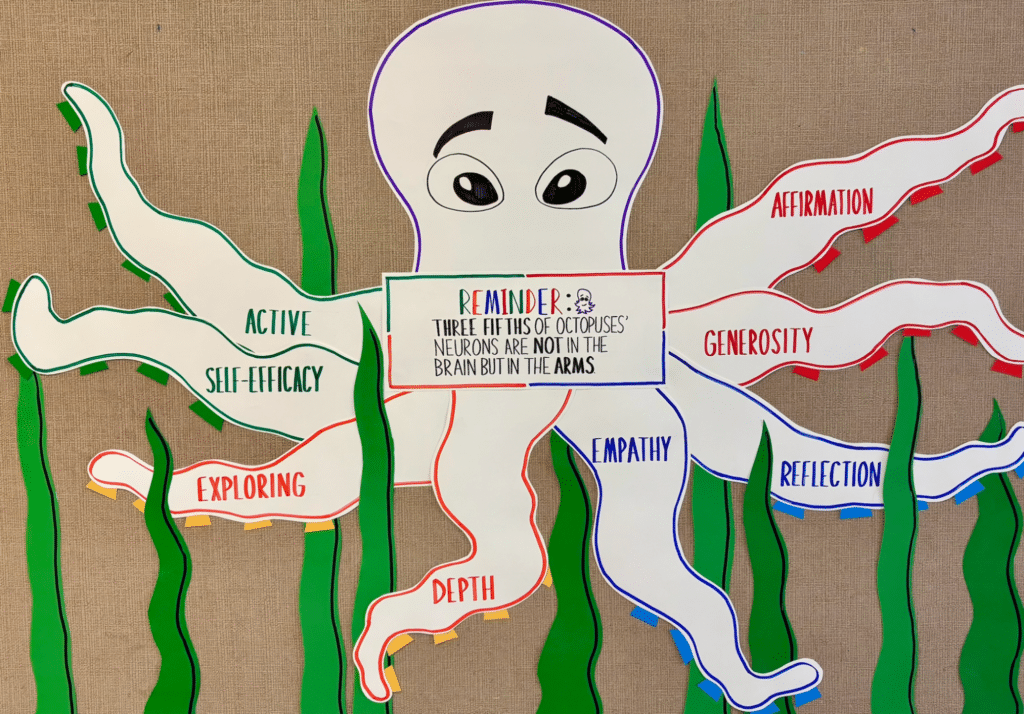
In his current teaching context, Luther settled on an eight-tentacle octopus graphic. Each appendage represents a foundational classroom value. At the start of the academic year, the octopus poster stands entirely blank—a deliberate visual choice that incites curiosity, mystery, and engagement from incoming students.
[Start of Year: Blank Octopus]
       │
       ▼
[Weeks 2-3: Introduction & Framing]
       │
       ▼
[Ongoing: Anonymous Google Form Nominations]
       │
       ▼
[Weekly Ritual: "Signing the Wall"]
       │
       ▼
[End of Year: Fully Signed Artifact & Parent Conferences]
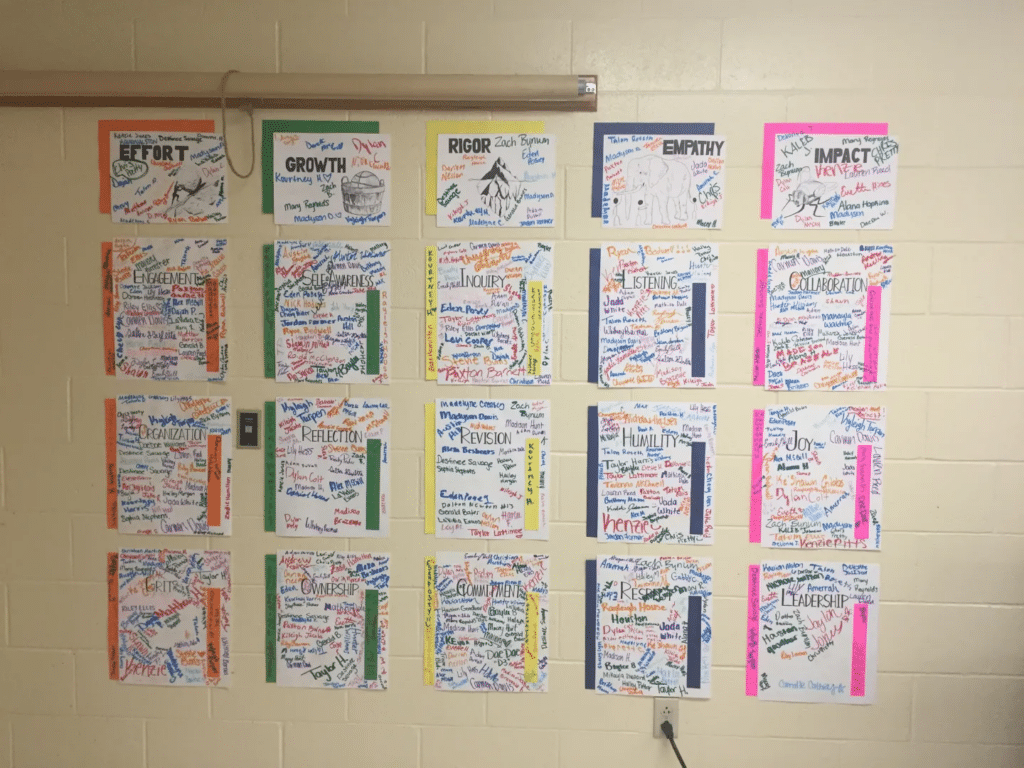
As the weeks progress, students submit anonymous nominations via digital forms. Once verified and sorted, the teacher leads a weekly classroom ritual called "signing the wall," where anonymous citations are read aloud, culminating in the public revelation of the nominee, enthusiastic peer applause, and the student stepping up to physically sign their name on the corresponding tentacle.
Supporting Context & Metrics: The Mechanics of Peer Nomination
Implementing a peer affirmation system requires meticulous planning, clear boundaries, and reliable organizational infrastructure. Luther outlines three fundamental pillars that make the system sustainable, even when managing multiple class sections comprising 150 to 180 high school students daily.
1. Defining Core Values and Pre-Planning
Deciding which values to center is the foundational step. While some educators advocate for co-creating classroom agreements with students during the first week of school, Luther utilizes an end-of-year reflection survey. Students evaluate which values meant the most to them and suggest modifications for the subsequent cohort. This "pay-it-forward" mechanism ensures continuity while respecting the logistical constraints of managing multiple high-volume high school classes.
Luther centers eight primary values—a number chosen strategically to balance clarity of comprehension with a high enough volume of behavioral "look-fors" to prevent the posters from filling up prematurely. Furthermore, these values are reinforced continuously, appearing on localized decals affixed directly to individual student desks.
2. The Nomination Workflow
To prevent intimidation and ensure thoughtful submissions, Luther waits two to three weeks into the school year before launching the nomination process, allowing foundational classroom trust to take root.
The Tool: Nominations are collected via an accessible digital interface (such as a Google Form). Students input the nominee’s name, select the relevant core value, and provide a detailed explanation of the behavior observed.
Anonymity: Nominations remain strictly anonymous to encourage authentic praise without the filter of social awkwardness or peer pressure.
Scaffolding: During the inaugural nomination cycle, teachers provide exemplar nominations from previous years or model the process by nominating students themselves to build momentum.
3. Organization and Data Tracking
Transitioning from disorganized sticky notes to a centralized spreadsheet transformed the system’s efficacy. Luther maintains a structured log tracking every nomination, which serves multiple practical purposes:
Formative Insights: Teachers gain a window into how students perceive one another, helping identify quiet leaders who consistently drive classroom culture.
Intervention and Encouragement: The data provides concrete talking points during one-on-one student check-ins, family-teacher conferences, and recommendation letter writing.
Visual Artifacts: The completed walls and underlying data logs serve as comprehensive historical records of a classroom community’s relational health.
Official Insights & Teacher Perspectives
The psychological reception of peer affirmation in secondary education often runs counter to common assumptions about cynical teenagers. According to educator accounts and qualitative observations gathered across diverse high school demographics—ranging from energetic freshmen to AP seniors laser-focused on extra credit—adolescents deeply crave authentic recognition.
"If you as a teacher show that you care about it, then they will almost always follow suit." — Marcus Luther
While eye rolls and initial skepticism are inevitable components of any high school classroom dynamic, educators report that these defenses routinely melt away. The students who initially feign apathy are frequently those who quietly monitor their signature counts or bring friends back to the classroom during lunch to showcase their names on the octopus tentacles.
Impact Metrics and Observable Outcomes
Category
Traditional Classroom Approach
Peer Affirmation System ("The Octopus")
Student Recognition
Teacher-to-student praise primarily; sporadic and private.
Peer-to-peer public affirmation driven by daily observations.
Parent Engagement
Conferences center predominantly on grades and academic deficits.
Conferences conclude with celebrated character strengths and peer testimonials.
Guesswork required when writing college recommendation letters.
Empirically tracked behavioral data via organized nomination logs.
Future Outlook: The Enduring Legacy of Intentional Spaces
As educational systems grapple with post-pandemic social-emotional recovery, student alienation, and declining engagement, low-cost, high-impact cultural interventions are more crucial than ever.
The success of the peer affirmation octopus highlights a broader pedagogical truth: students value what educators make space for. When classrooms allocate physical walls, digital infrastructure, and instructional time to explicitly recognize character, empathy, and intellectual depth, the message sent to every student is unequivocal: You matter, and your actions shape this community.
For teachers looking to implement similar frameworks, the blueprint is adaptable. Whether manifested as an octopus, a pyramid, or a constellation of core values, the underlying system—anchored in thoughtful preparation, structured anonymous nominations, and celebratory public rituals—offers a sustainable pathway toward building resilient, affirming classrooms that leave a lasting mark long after the final bell rings for summer break.