
Executive Overview
In an era marked by shifting cultural landscapes, legislative debates, and a persistent mental health crisis among marginalized demographics, the search for safe, affirming spaces has never been more urgent. While public discourse often frames the queer experience through the lens of political struggle, a quieter, more profound revolution happens nightly in local performance venues, neighborhood bars, and community art spaces across the globe. At the heart of this cultural phenomenon is drag—an ancient, evolving art form that transcends mere entertainment to serve as a vital infrastructure for social connection, mental well-being, and the cultivation of chosen family.
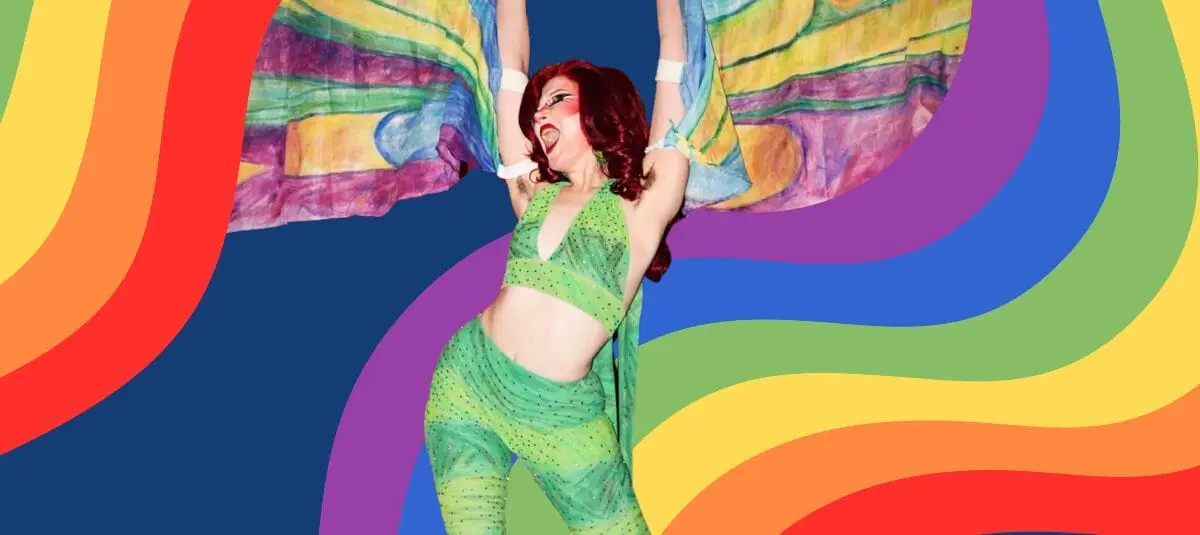
Recent reflections from first-time performers and seasoned community members alike illuminate a universal truth: while the allure of drag lies in its striking visual transformation—the meticulously sculpted wigs, the blinding rhinestones, the dramatic makeup, and the incandescent glow of the spotlight—its true power is rooted in community. For many LGBTQ+ individuals, stepping into a drag venue for the first time is not just an evening out; it is an initiation into a deeply supportive, intergenerational network. This article explores the anatomy of the modern drag scene, examining its historical lineage in ballroom culture, its contemporary role in safeguarding queer mental health, and the actionable steps individuals can take to weave themselves into the fabric of local queer infrastructure.
Detailed Chronology: From First Step to Chosen Kinship
To understand the transformative power of drag, one must trace the personal and communal timeline of entering the scene. For many, the journey begins long before a performer ever steps foot on a stage. It starts in the audience—often as a nervous newcomer venturing into their first gay bar or dedicated queer venue.
The First Ingress: Stepping Into the Light
For a first-time attendee, crossing the threshold of a local queer venue is frequently a watershed moment. Surrounded almost exclusively by other LGBTQ+ individuals, newcomers report an immediate, visceral sense of arrival. The ambient noise of the room, the vibrant fashion, and the shared cultural references combine to create an environment where alienation dissolves.
For months, an aspiring performer might absorb this culture from the audience, watching local queens, kings, and non-binary artists command the room. This observation period serves as an informal education in local queer history, performance art, and community etiquette.
The Debut Performance
When the time finally comes to take the stage—roughly a year or more into consuming local art—the experience is often described in cinematic terms. The transition from the backstage curtains to the illuminated performance floor is accompanied by a profound deceleration of time. The rush of the spotlight, the tactile weight of the costume, and the immediate kinetic energy of the crowd forge a deep sense of alignment.
Yet, the most defining moments of a debut do not occur during the three-minute lip-sync or comedy routine; they happen after the music stops. It is the immediate, post-performance outpouring of solidarity: veterans offering constructive critiques, peers handing out words of encouragement, and older performers extending mentorship. This communal embrace transforms a solitary creative risk into a collective milestone.
The Institutionalization of Kinship: Drag Families
As a performer continues their journey, individual connections evolve into formalized networks of chosen family. This phenomenon is a direct descendant of the historic ballroom scenes pioneered by Black and Latinx queer and trans communities in cities like New York.
Within the modern drag ecosystem, experienced performers routinely "adopt" newcomers, establishing lineages of drag mothers, fathers, parents, aunts, uncles, and godmothers. These relationships extend far beyond professional networking:
- Technical Mentorship: Drag parents teach foundational skills, from the structural engineering required to secure a heavy wig to the precise art of rhinestone placement and stage makeup application.
- Emotional Support: Serving as sounding boards, confidants, and protectors, these veteran figures guide novices through the emotional complexities of living openly as a queer artist.
- Extended Networks: Through partnerships and communal backstage spaces, performers quickly accumulate expansive "in-law" networks. Club patios transform into functional family reunions—complete with lighthearted scoldings for poor tipping etiquette or poorly glued lace fronts—cementing a sense of enduring belonging.
Supporting Context & Metrics: The Mental Health Imperative
The joyous atmosphere of a drag show is more than a cultural celebration; it is a critical public health intervention. The intersection of LGBTQ+ identity and mental health has long been a focal point for psychological researchers, sociologists, and public health advocates.
The Crisis of Isolation
Statistical data consistently underscores the vulnerabilities faced by queer individuals. According to research from organizations like The Trevor Project and the Centers for Disease Control and Prevention (CDC), LGBTQ+ youth and adults experience disproportionately higher rates of anxiety, depression, and suicidal ideation compared to their cisgender, heterosexual peers. A primary driver of these mental health disparities is minority stress—a chronic state of psychological friction caused by societal stigma, discrimination, and, most notably, family rejection.
When young people are alienated by their biological families due to their sexual orientation or gender identity, the psychological fallout can be devastating. Feelings of displacement, chronic hypervigilance, and deep-seated loneliness often follow. This is where community spaces and chosen families step in to fill a catastrophic void.
The Protective Power of Affirming Spaces
Psychological studies on "chosen family" dynamics reveal that surrogate kinship networks act as powerful buffers against minority stress. Key protective mechanisms include:
- Mirrored Identity: Surrounding oneself with peers who share lived experiences eliminates the exhausting requirement of self-censorship. As community members frequently note, when everyone around you shares a marginalized identity, you cease to be the "odd one out" and instead become an integral part of a collective.
- Intergenerational Transmission of Resilience: Drag scenes naturally foster intergenerational dialogue. Older queer adults—survivors of previous socio-political struggles, the HIV/AIDS epidemic, and systemic discrimination—share coping strategies and historical context with younger generations. This dialogue fosters resilience, providing youth with a long-term perspective on survival and joy.
- Validation and Self-Actualization: Creative outlets like drag allow individuals to externalize their internal identities, fostering self-compassion and high self-esteem. The physical and psychological transformation inherent in drag provides a controlled environment for exploring gender expression and personal agency.
Official Perspectives and Community Leadership
Mental health advocates, cultural historians, and community organizers increasingly view grassroots queer spaces as essential components of holistic wellness.
Dr. Elena Vance, a sociologist specializing in queer urban spaces, notes that traditional mental health infrastructure often fails to address the cultural and communal dimensions of healing. "Clinical interventions are vital, but they cannot replace the therapeutic value of cultural spaces," Dr. Vance explains. "When an individual participates in a drag show or frequents a queer coffee collective, they are engaging in active cultural self-preservation. They are finding mirrored validation that clinical settings simply cannot replicate."
Grassroots organizers emphasize that these spaces must be actively defended and patronized, particularly as political climates fluctuate. Local venues serve as the nervous system of the queer community. When these venues thrive, community resilience skyrockets. Conversely, the closure of historic gay bars and independent performance spaces often correlates with localized drops in social cohesion and mental health support among vulnerable youth.
Furthermore, mental health advocacy organizations are beginning to integrate community-centric frameworks into their outreach. By recognizing that storytelling, peer mobilization, and creative expression are foundational to emotional recovery, campaigns encourage individuals to share their personal journeys of finding belonging. Whether through blogs, community workshops, or local performance showcases, amplifying these narratives demonstrates that recovery and joy are communal endeavors.
Future Outlook: Sustaining and Expanding Queer Infrastructure
As society looks toward the future, the imperative to sustain, protect, and expand queer community spaces remains paramount. While digital spaces and social media platforms offer valuable connectivity, they cannot fully replicate the tactile, embodied reality of physical community spaces.
Moving Beyond Pride: Year-Round Engagement
While annual Pride celebrations in June command massive public attention, the mental health needs of the LGBTQ+ community persist across all twelve months. Experts urge individuals—both queer people seeking connection and allies wishing to show support—to look beyond seasonal events and invest in year-round queer infrastructure.
Actionable avenues for community integration include:
- Patronizing Local Venues: Regularly visiting independent gay bars, sober queer coffee shops, bookstores, and community art collectives ensures these financial ecosystems survive economic pressures.
- Attending Grassroots Events: Supporting local drag shows, open-stage nights, and independent theater productions provides vital income and validation to emerging artists.
- Engaging with Subgroups: Seeking out identity-specific groups (such as gatherings for queer people of color, trans and non-binary mixers, or older LGBTQ+ socials) helps ensure that specialized needs within the broader community are met.
- Embracing Creative Risks: For those feeling creatively inclined, exploring performance art, makeup, or costuming can unlock profound personal breakthroughs. Stepping into a wig or trying a new creative outlet can be a life-changing catalyst for self-acceptance.
The Path Forward
The narrative of modern drag is ultimately one of radical hospitality. It is a world built by outcasts, for outcasts, that has continuously reinvented itself as a sanctuary of love, resilience, and unbridled joy. By recognizing the profound intersection between community spaces, chosen family, and mental health, society can better appreciate why these venues are worth protecting.
For anyone navigating the quiet isolation of feeling misunderstood, the message from the dressing rooms and club stages of the local drag scene is clear: your people are out there, the spotlight is waiting, and a welcoming family is ready to welcome you home.

