
Executive Overview
In an era characterized by shifting cultural norms, theological pluralism, and the rapid democratization of information through digital media, the Christian church faces a persistent internal challenge: the infiltration of false teaching. While previous theological discussions on platforms like the Read, Do, & Tell Podcast—hosted by Amy and Becky—have examined broader systemic issues such as heresies directly targeting the nature of God, recent episodes have shifted focus toward a more insidious threat: heresies directly subverting the gospel of Jesus Christ.
Episode 27 of the podcast serves as a stark warning to contemporary believers. The hosts emphasize that orthodoxy—right belief—is not merely an academic exercise for theologians, but a vital lifeblood for the global church. Heresy, defined within historic Christian theology as teaching that intentionally distorts or contradicts God and the pure gospel as revealed in Scripture, is treated as a severe spiritual infraction by both historic Christian standards and divine mandate.
This investigative report examines the core themes of Episode 27, analyzing the theological danger of false gospels—such as the prosperity gospel—and the subtle integration of secular socio-political ideologies like Marxism into modern pulpits. Furthermore, this piece explores the broader movements eroding biblical integrity, provides structural context regarding the defense of orthodoxy, and outlines future implications for believers navigating an increasingly complex religious landscape.
Detailed Chronology: The Evolution of False Teachings in the Modern Church
To understand the weight of the warnings issued in Episode 27, one must trace how theological deviations have manifested, developed, and proliferated within modern religious discourse.
Phase 1: Foundations of Orthodoxy and Early Warnings
Historically, the Christian church has maintained a strict demarcation between orthodoxy (right teaching) and heterodoxy or heresy (false teaching). From the apostolic era through the early Church Councils (such as Nicaea and Chalcedon), church leaders recognized that altering the foundational narrative of redemption through Christ effectively dismantled the faith. The Apostle Paul himself issued fierce warnings against alterations to the evangel, writing to the Galatians: "Even if we or an angel from heaven should preach to you a gospel contrary to the one we preached to you, let him be accursed" (Galatians 1:8).
Phase 2: The Shift Toward Pragmatism and Human-Centric Theologies
As global Christianity expanded into the 20th and 21st centuries, a subtle shift occurred. Pragmatism—the valuation of methods based on their perceived success rather than their scriptural fidelity—began to influence church growth models. This paved the way for human-centric doctrines that prioritized physical comfort, emotional validation, and material wealth over spiritual regeneration and repentance.
Phase 3: The Rise of the Prosperity Gospel
By the latter half of the 20th century, the "Prosperity Gospel" (also known as the Word of Faith movement) emerged as a dominant force. Touting health, wealth, and happiness as the direct entitlements of faithful believers, this movement fundamentally altered the transactional nature of humanity’s relationship with God. Rather than viewing salvation as a free gift of grace rescuing sinners from eternal separation from God, the prosperity gospel reframed faith as a spiritual technology used to command material blessings from the divine.
Phase 4: The Convergence of Secular Ideologies and Pulpit Theology
In the contemporary landscape, Amy and Becky highlight a newer, more complex vector of false teaching: the integration of secular socio-political frameworks into Christian teaching. Movements and teachers who either explicitly teach or passively partner with secular ideologies—most notably modern iterations of Marxist critical theory—have attempted to redefine sin, redemption, and justice through a purely sociological lens. By replacing the biblical concepts of individual sin and divine reconciliation with systemic oppression and worldly liberation, these ideologies present an alternative "gospel" that masquerades as social compassion while ultimately abandoning the cross of Christ.
Supporting Context & Metrics: The Scale and Impact of Contemporary Heresy
The proliferation of false gospels is not merely a fringe phenomenon; it represents a multi-billion-dollar global enterprise facilitated by modern broadcasting technology, publishing empires, and digital social networks.
The Reach of Prosperity Theology
Sociological and religious data indicate that prosperity theology constitutes a massive segment of global charismatic and Pentecostal Christianity. Millions of adherents across the Global South, North America, and Europe tune into broadcasts daily, supporting networks that promote financial seed-faith offerings. Theological watchdogs note that these movements disproportionately target vulnerable and impoverished populations, offering false hope of financial deliverance in exchange for monetary contributions to religious leaders.
The Digital Pulpit and Theological Illiteracy
The modern information age has created a paradoxical crisis for the church. While believers have unprecedented access to Bibles, commentaries, and scholarly resources via platforms like YouTube and specialized podcast networks, overall theological literacy has declined.
- Algorithm-Driven Content: Social media algorithms often reward sensationalism, emotionalism, and positive-thinking mantras over rigorous, expositional Bible teaching.
- Celebrity Pastor Culture: The elevation of charismatic personalities above accountability structures has historically created environments where doctrinal deviations go unchecked until public scandals erupt.
- Syncretism: The blending of biblical terminology with secular worldviews has desensitized churchgoers to the subtle erosion of historic doctrines, making it difficult for the average believer to identify when a sermon has crossed the line from cultural commentary into heresy.
Official Statements and Theological Frameworks
The discourse surrounding heresies against the gospel relies heavily on established ecclesiastical frameworks, scriptural mandates, and the intentional efforts of modern content creators to sound the alarm.
The Mission of Raising Rooted Disciples
Hosts Amy and Becky operate under a clear pedagogical and spiritual mission. Drawing inspiration from the biblical figure Ezra—who set his heart to study the law of the Lord, and to do it, and to teach his statutes and rules—the podcast emphasizes a three-fold mandate for contemporary believers: Read, Do, and Tell.
In addressing heresies against the gospel, the hosts maintain that ignorance is not an acceptable defense for the believer. In Episode 27, they stress that identifying false teachers and movements is a protective measure designed to keep disciples grounded in truth. As noted in their ongoing series (spanning episodes 23, 24, 26, and now 27), the church must actively engage with difficult theological topics rather than retreating into passive comfort.
Defining the Pure Gospel
To recognize a counterfeit, theologians rely on the immutable standard of the historic gospel message, which encompasses:
- The Holiness of God: Creator and sovereign ruler of the universe, standard of absolute moral perfection.
- The Sinfulness of Man: The universal reality of human rebellion against God, resulting in spiritual death and total inability to save oneself.
- The Substitutionary Atonement of Christ: The life, death, burial, and bodily resurrection of Jesus Christ as the sole payment for human sin.
- The Call to Repentance and Faith: The requirement for individuals to turn away from sin and trust exclusively in Christ’s finished work for justification before God.
Any teaching that adds human works, transactional financial giving, or secular socio-political liberation to this equation is categorized by historic orthodoxy as an anathematized false gospel.
Future Outlook: Navigating the Landscape of Modern Discernment
As the global church looks toward the future, the battle for theological integrity will likely intensify. The convergence of digital media, artificial intelligence, and rapid cultural shifts presents both opportunities and unprecedented challenges for Christian discipleship.
The Need for Rigorous Discernment Resources
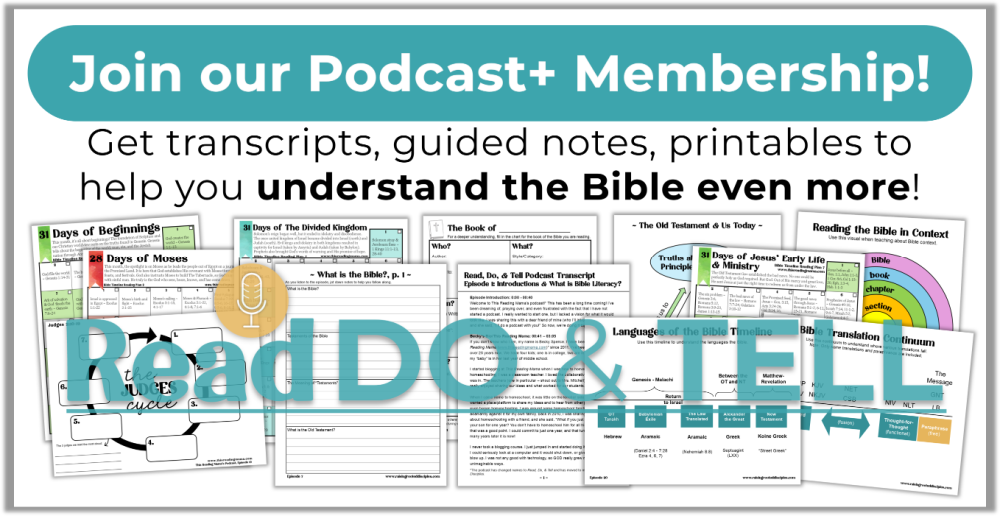
To combat the rise of sophisticated false teachings, the church must double down on robust theological education at the grassroots level. Initiatives like the Podcast+ Membership offered by ministries such as Raising Rooted Disciples—which provides structured transcripts, guided notes, Bible reading plans, and study tools—demonstrate a growing demand for intentional, deep-dive discipleship materials that empower everyday believers to test teachings against Scripture.
Accountability and the Call to Named Warnings
While modern cultural sensibilities often frown upon calling out specific teachers or movements by name, apostolic examples—such as Paul naming Hymenaeus and Alexander for their theological shipwrecks—suggest that pastoral responsibility requires clarity. Future discussions within orthodox circles will likely continue to balance grace-filled correction with firm, named warnings against prominent figures and ideologies that distort the gospel message.
Conclusion
Heresies against the gospel are not historical relics confined to the early centuries of the church; they are active, evolving threats designed to draw believers away from the sufficiency of Christ. Through ongoing education, spiritual vigilance, and a resolute commitment to studying the Word of God, ministries like the Read, Do, & Tell Podcast aim to equip the next generation of disciples to stand firm, recognizing the counterfeits and holding fast to the pure, uncompromised gospel of Jesus Christ.

