
Executive Overview
From the simple turning of a doorknob to the complex hoisting of construction materials on a skyscraper, human civilization is built upon the foundational mechanics of simple machines. Defined as devices with few or no moving parts that make work easier, simple machines are divided into six classic categories: the lever, the inclined plane, the wedge, the screw, the wheel and axle, and the pulley.
While these concepts may appear elementary, they represent the absolute bedrock of mechanical engineering and applied physics. Far from being archaic relics of the industrial age, simple machines are the building blocks of compound mechanisms, powering everything from modern automotive transmissions to intricate automated assembly lines.
For educators and parents alike, teaching the physics of simple machines offers an invaluable gateway into Science, Technology, Engineering, and Math (STEM) education. By bridging theoretical physics with hands-on, tactile projects—ranging from DIY cardboard pulleys to recycled wheel-and-axle cars—instructors can demystify complex scientific principles. This comprehensive report examines the physics of work, breaks down six engaging classroom and home projects, debunks common mechanical misconceptions, and explores the future outlook of mechanical education in an increasingly digital world.
Detailed Chronology & Historical Context: The Evolution of Mechanical Advantage
The history of simple machines is intimately tied to the dawn of human innovation. Long before the mathematical equations of physics were formally written, ancient engineers intuitively harnessed mechanical advantage to achieve the seemingly impossible.
- Circa 3000 BCE (The Dawn of Construction): Ancient civilizations in Mesopotamia and Egypt utilized inclined planes, rollers (early wheels and axles), and levers to construct monumental architectural feats, including the Great Pyramids and ziggurats. Without these rudimentary machines, moving multi-ton stone blocks would have been physically impossible.
- Circa 260 BCE (The Archimedian Revolution): The legendary Greek mathematician, physicist, and engineer Archimedes formalized the mathematics behind mechanical advantage. His famous proclamation regarding the lever—"Give me a place to stand, and I shall move the Earth"—highlighted the profound realization that force could be traded for distance. Archimedes is also credited with inventing or perfecting advanced variations of the screw and the compound pulley system.
- Renaissance Era (The Codex of Machines): Polymaths like Leonardo da Vinci extensively studied and illustrated how simple machines could be combined to create complex mechanisms. Da Vinci’s sketchbooks are filled with gears, cams, levers, and pulleys working in tandem, proving that compound machines are merely orchestrations of the original six simple devices.
- The Industrial Revolution to Modern Day: The advent of steam engines, mass manufacturing, and modern robotics scaled up the application of simple machines. Today, microscopic MEMS (Micro-Electro-Mechanical Systems) utilize micro-scale levers and springs, proving that the six classic simple machines remain relevant across every scale of modern engineering.
Supporting Context & Metrics: Defining "Work" and Mechanical Advantage
To truly understand why simple machines are so revolutionary, one must first look at how physics defines "work." In everyday language, "work" might refer to writing an essay, filing taxes, or running a marathon. In physics, however, work has a strict, mathematical definition:
$$textWork = textForce times textDistance quad (W = Fd)$$
Work is the precise amount of force (or effort) required to move an object across a specific distance. Crucially, simple machines do not decrease the total amount of work required to perform a task. Instead, they provide a mechanical advantage by trading force for distance.
For instance, consider lifting a heavy piano to the third floor of a building. Lifting it straight up requires an immense amount of force over a short distance. By utilizing a pulley system or an inclined plane (ramp), the total amount of work remains essentially the same, but the required input force is drastically reduced. The machine accomplishes this by spreading that effort out over a longer distance or extended period of time.
The Six Pillars of Simple Machines
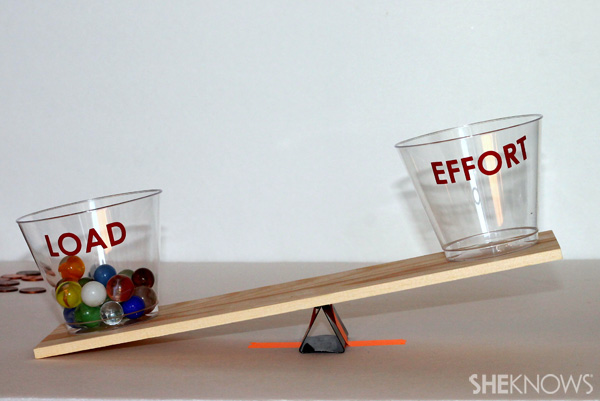
- The Lever: A rigid bar that pivots on a fulcrum. Levers are classified into three distinct categories based on the relative positions of the fulcrum, load, and effort:
- First-Class: Fulcrum in the middle (e.g., seesaws, crowbars).
- Second-Class: Load in the middle (e.g., wheelbarrows, nutcrackers).
- Third-Class: Effort in the middle (e.g., tweezers, tongs, baseball bats).
- The Inclined Plane: A flat supporting surface tilted at an angle, allowing heavy loads to be raised with less force than vertical lifting.
- The Wedge: Essentially two inclined planes placed back-to-back, used to split objects, lift heavy loads, or hold objects in place (e.g., axes, doorstops).
- The Screw: An inclined plane wrapped around a cylinder, converting rotational motion into linear force.
- The Wheel and Axle: A wheel attached to a smaller axle, where a smaller force applied to the wheel results in a greater force at the axle (or vice versa).
- The Pulley: A wheel with a grooved rim around which a cord passes, used to change the direction of an applied force and lift heavy loads.
Hands-On Engineering: 6 Fun Simple Machine Projects for the Classroom
Theoretical physics can sometimes feel abstract to young learners. To bridge the gap, educators and parents can utilize hands-on, craft-based STEM activities that bring these concepts to life. Below are six practical projects designed for groups, classrooms, or home-schooling environments.
1. Make Your Own Pulley
- The Machine: The Pulley
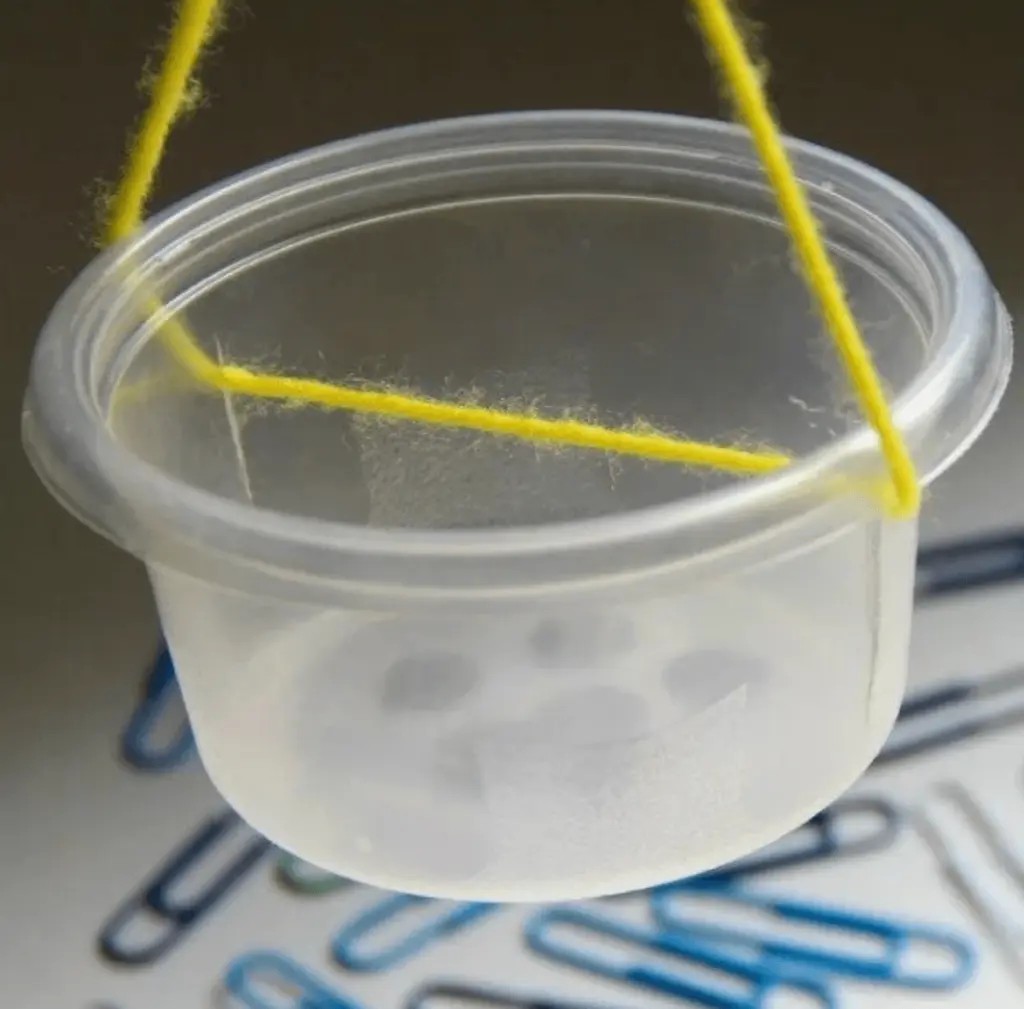
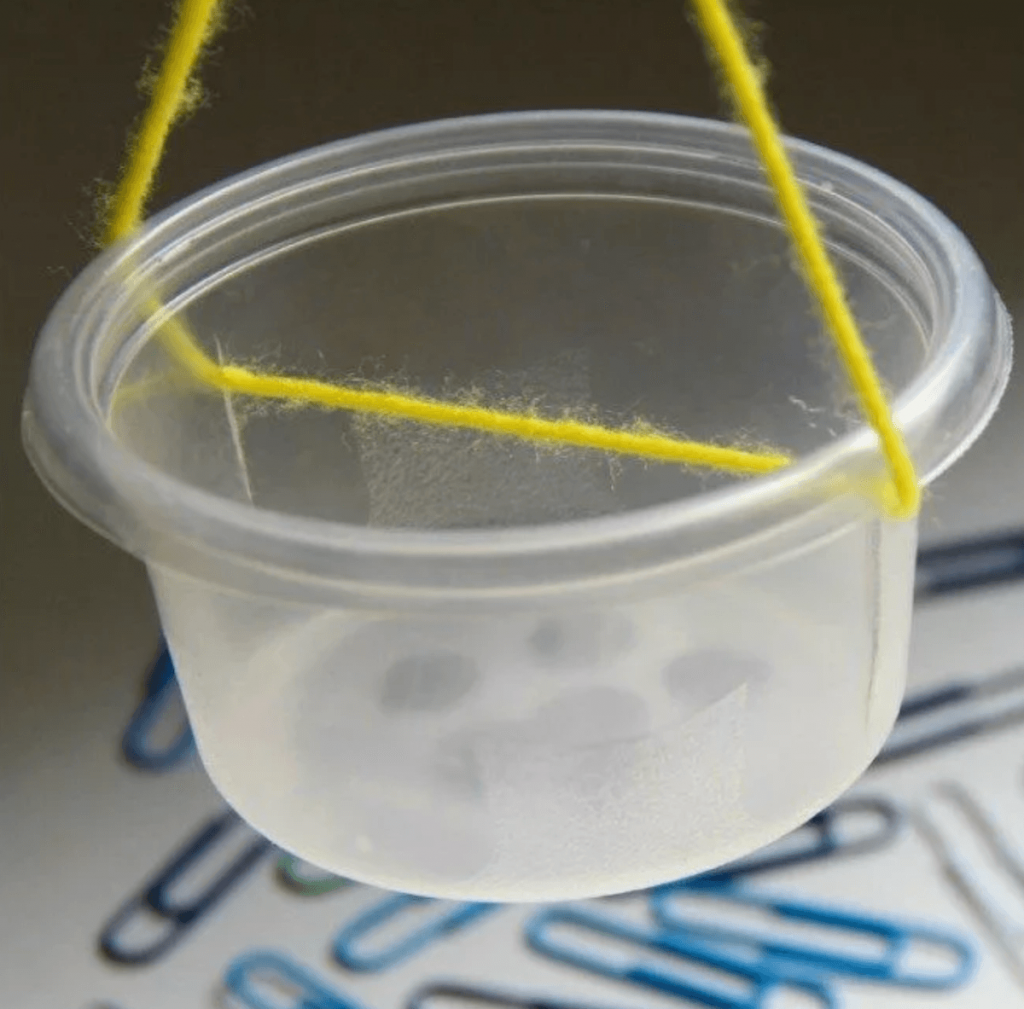
- Project Overview: Using simple household items—such as empty thread spools, string, a sturdy cardboard box, and a small bucket or plastic cup—students can construct a working block-and-tackle system.
- The Learning Objective: Turn the project into an interactive game. Have students load pennies or washers into the bucket to test how many items their DIY pulley can lift before the string slips or snaps. This demonstrates how pulleys redirect force and make heavy lifting manageable.
2. Marble Run Inclined Plane
- The Machine: The Inclined Plane
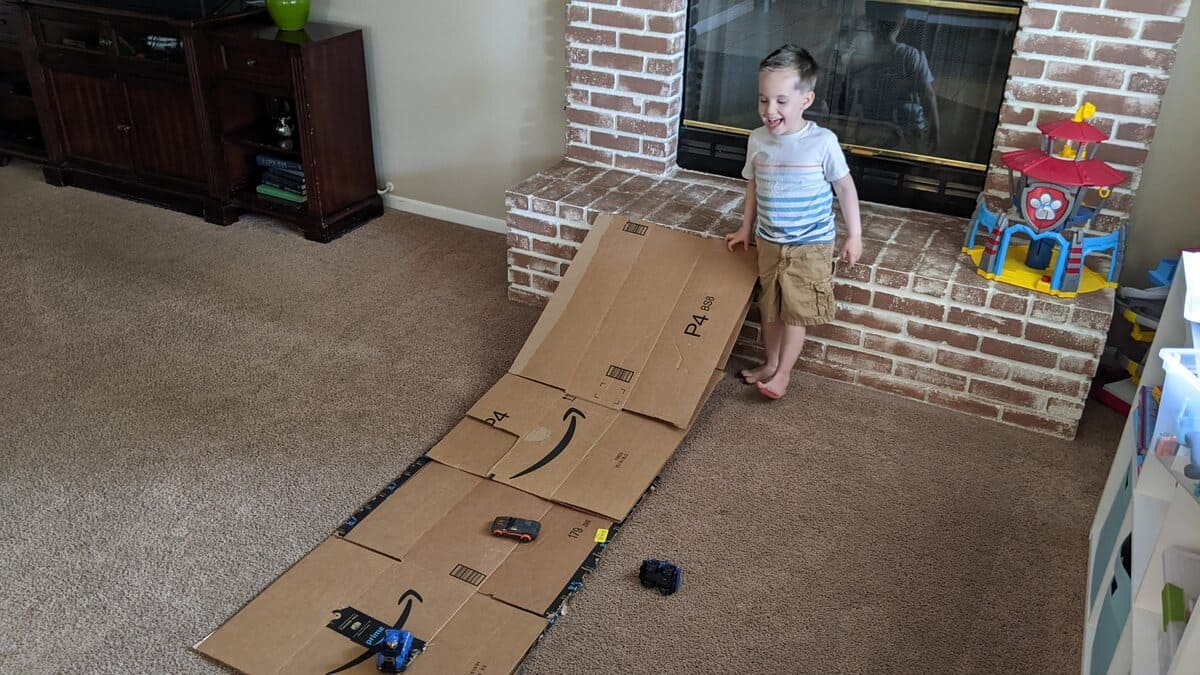
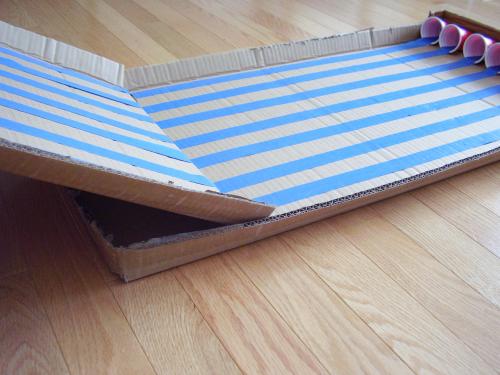
- Project Overview: Transform cardboard tubes, foam pipe insulation, and painter’s tape into a multi-tiered marble racecourse.
- The Learning Objective: By adjusting the steepness (slope) of the tracks, students can observe how the angle of an inclined plane affects acceleration and the effort required to move objects. It combines kinetic energy lessons with the physics of ramps.
3. Build a Lever with a Binder Clip
- The Machine: The Lever
- Project Overview: Combine a standard metal binder clip (which serves as the fulcrum), a craft popsicle stick (the lever arm), and small weights like erasers or coins.
- The Learning Objective: Position the binder clip at different points along the popsicle stick to demonstrate how shifting the fulcrum changes the mechanical advantage. Have students measure how high they can launch a small object based on where they apply force.
4. Splitting Play-Doh with a Wedge
- The Machine: The Wedge
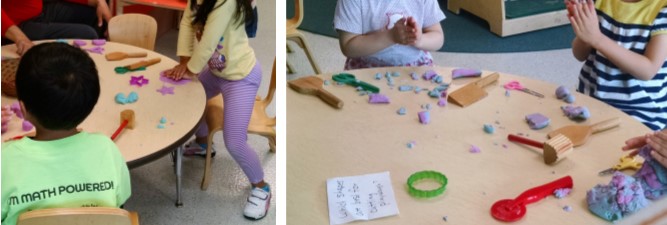
- Project Overview: Roll modeling clay into miniature "logs." Provide students with triangular wooden wedge blocks.
- The Learning Objective: Ask students to try cutting the play-dough logs using only the flat, blunt side of their hand. Once they realize this is ineffective, introduce the wedge. The direct comparison vividly illustrates how wedges concentrate force over a sharp surface area to split materials apart.
5. The Wood and Screw Demonstration
- The Machine: The Screw
- Project Overview: Provide a block of soft pine wood, a standard steel nail, and a wood screw.
- The Learning Objective: Challenge students to push the nail into the wood using only thumb pressure (demonstrating the high force required without a machine). Next, demonstrate how effortlessly the screw enters the wood when rotational force (torque) is applied via a screwdriver, showcasing the screw as a tightly wound inclined plane.
6. Recycled Wheel and Axle Cars
- The Machine: The Wheel and Axle
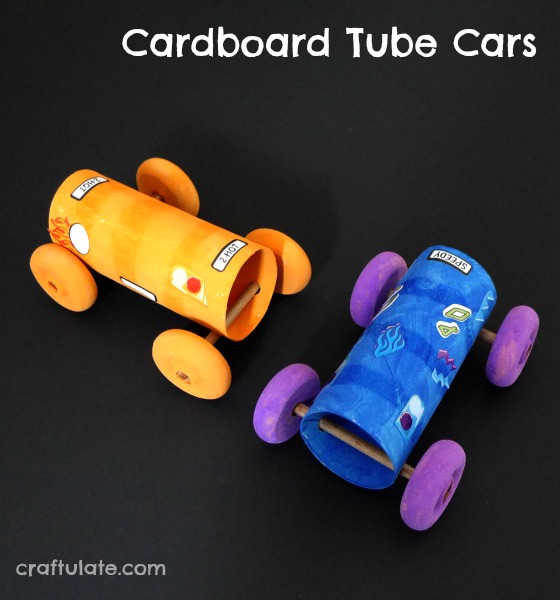
- Project Overview: Collect empty cardboard toilet paper tubes or plastic water bottles, wooden skewers or plastic straws (axles), and plastic bottle caps (wheels).
- The Learning Objective: Have students design and race their own recycled vehicles. Ask them to first push a bare tube across the floor without wheels, then attach the wheel-and-axle system. The stark difference in friction and mobility demonstrates the revolutionary nature of this ancient invention.
Expert Perspectives & Official Pedagogical Statements
Educational experts and curriculum designers continually emphasize the importance of kinesthetic learning when introducing foundational physics to children.
"Simple machines are the universal alphabet of mechanical design," notes Dr. Elena Vance, a curriculum specialist in STEM education. "When students build a pulley or a lever with their own hands, they aren’t just memorizing definitions; they are internalizing physical laws. They begin to see the built environment not as a series of static objects, but as an interactive puzzle of mechanical advantages."
Furthermore, educational psychologists point out that early exposure to mechanical reasoning correlates with enhanced spatial awareness and problem-solving skills later in life. Whether a child goes on to design aerospace propulsion systems or program software algorithms, the foundational ability to break a complex problem down into basic components—much like a compound machine is broken down into simple machines—is an invaluable cognitive asset.
Future Outlook: Simple Machines in the 21st Century and Beyond
As we look toward the future of technology, it would be a mistake to assume simple machines have become obsolete. While microprocessors, artificial intelligence, and quantum computing dominate modern technological headlines, the physical execution of work still relies on fundamental mechanics.
- Advanced Robotics: Modern humanoid robots utilize miniature levers, gears (wheel and axle systems), and lead screws (the screw) to articulate fingers, limbs, and facial expressions with pinpoint accuracy.
- Renewable Energy: Wind turbines harness massive blade assemblies that act as complex wheel-and-axle systems, translating kinetic wind energy into rotational mechanical energy before converting it to electricity.
- Aerospace Engineering: Space exploration rovers navigating the rocky terrain of Mars rely on specialized rocker-bogie suspension systems—intricate networks of levers and pivots designed to negotiate extreme planetary topographies.
Clearing Up Common Misconceptions
To prepare future engineers, educators must actively dispel common myths surrounding simple machines:
- Myth: Simple machines reduce the total amount of work.
- Reality: They only reduce the input force required by extending the distance over which the work is performed.
- Myth: All levers function identically.
- Reality: Levers are divided into three distinct classes based on the arrangement of the fulcrum, load, and effort, each serving unique mechanical purposes.
- Myth: Friction is always an undesirable obstacle.
- Reality: While friction can hinder efficiency in some contexts, simple machines like wedges (doorstops) and wheels-and-axles entirely depend on friction to function correctly.
By demystifying these concepts through hands-on experimentation, educators ensure that the next generation of innovators views the physical world not with confusion, but with curiosity, capability, and unbridled imagination.

