In modern classrooms, the traditional benchmarks of academic success—test scores, rote memorization, and foundational literacy—are increasingly recognized as insufficient predictors of long-term student achievement. Beneath the surface of every solved math equation, historical essay, and science lab lies a complex network of brain-based processes known as executive functioning (EF) skills. Encompassing core cognitive abilities such as working memory, cognitive flexibility, self-control, time management, and strategic planning, executive functioning acts as the foundational operating system of the human brain.
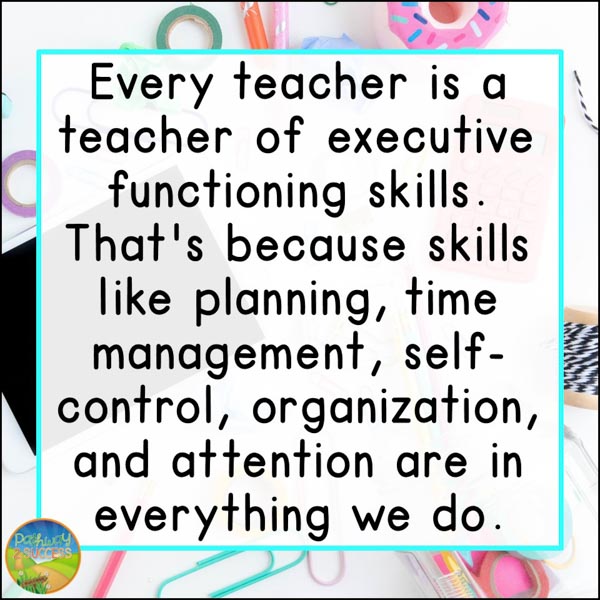
For decades, these critical cognitive competencies were often treated as innate traits—either a student possessed them or they did not. However, contemporary educational psychology has fundamentally shifted this narrative. Educators, cognitive scientists, and school administrators now widely embrace the paradigm that every teacher is a teacher of executive functioning.
Integrating executive functioning strategies directly into existing curricula does not require an overhaul of lesson plans or the addition of burdensome new subjects. Instead, it represents an intentional pedagogical shift: weaving cognitive scaffolding seamlessly into daily instruction. By explicitly teaching students how to plan, monitor their own progress, initiate complex tasks, and persevere through frustration, schools are equipping a generation of learners with the indispensable tools needed to navigate academic rigor and lifelong challenges.
Detailed Chronology: The Evolution of Executive Functioning in Education
To understand how executive functioning integration has become a cornerstone of modern progressive pedagogy, it is necessary to examine how educational frameworks have evolved over time to recognize neurocognitive development in the classroom.
1. The Era of Behavioral Compliance (Late 20th Century)
Historically, classrooms were largely structured around behavioral compliance rather than cognitive strategy. Students who struggled with organization, focus, or task initiation were frequently mischaracterized as unmotivated, lazy, or undisciplined. Disciplinary measures or standardized accommodations were the primary responses to students who fell behind on multi-step projects or displayed poor time management during examinations. The underlying neurodevelopmental mechanics—such as delayed prefrontal cortex maturation—remained largely overlooked in standard pedagogical training.
2. The Rise of Neurodiversity and Cognitive Science (Early 2000s)
As neuroscience advanced through non-invasive brain imaging, researchers began mapping the precise regions of the brain responsible for goal-directed behavior, impulse control, and working memory. Educational psychologists established clear links between executive dysfunction and common learning challenges, including ADHD, dyslexia, and anxiety. Schools began adopting specialized interventions, though these were often siloed in special education classrooms or handled exclusively by school psychologists and intervention specialists, leaving general education teachers without scalable tools.
3. The Universal Design for Learning (UDL) Movement (2010s)
The introduction and widespread adoption of Universal Design for Learning frameworks marked a major turning point. Educators recognized that accessible instruction must account for learner variability. Rather than treating executive functioning deficits as individual pathology, progressive schools began designing learning environments that inherently supported planning, self-regulation, and organization. Curriculums started incorporating graphic organizers, structured transitions, and explicit strategy instruction into mainstream classrooms.
4. The Modern Integration Era (Present Day)
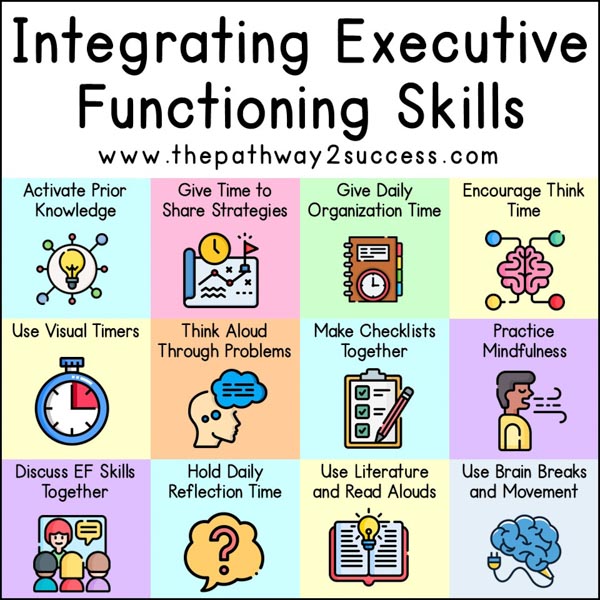
Today, the educational landscape is experiencing a comprehensive movement toward everyday executive functioning integration. Rather than treating EF skills as a separate curriculum, forward-thinking educators are blending cognitive skill-building into standard bell-ringers, read-aloud discussions, and content-area projects. By normalizing conversations around neuroplasticity, self-monitoring, and problem-solving, modern schools are successfully bridging the gap between cognitive science and daily classroom practice.
Supporting Context & Metrics: The Science and Impact of EF
The push for integrated executive functioning instruction is backed by a robust body of psychological research and empirical data highlighting the direct correlation between cognitive self-regulation and life outcomes.
Defining the Core Pillars
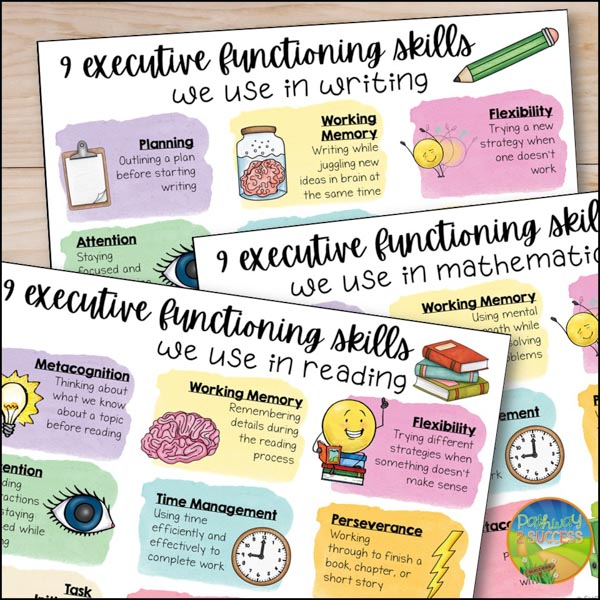
Executive functioning is not a single skill, but a coordinated suite of cognitive abilities managed primarily by the prefrontal cortex:
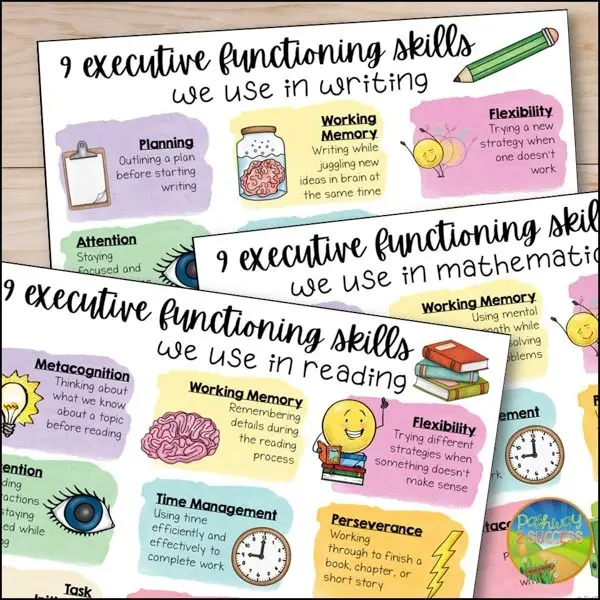
Planning & Prioritization: The ability to map out multi-step goals and determine the most efficient sequence of actions.
Task Initiation: The capacity to overcome procrastination and begin assignments promptly.
Working Memory: Holding and manipulating complex information over short intervals.
Cognitive Flexibility: Adapting to changing parameters, considering alternative perspectives, and pivoting when initial strategies fail.
Self-Monitoring & Control: Evaluating one’s own performance in real-time and inhibiting impulsive reactions in favor of thoughtful responses.
Empirical Insights and Educational Metrics
Longitudinal studies in developmental psychology underscore the profound impact of early executive functioning development:
Academic Correlation: Research indicates that executive functioning skills are often stronger predictors of academic achievement in reading and mathematics than standardized IQ scores during early and middle childhood.
Socio-Emotional Well-Being: Students with robust self-regulation strategies exhibit lower rates of classroom disciplinary infractions, reduced anxiety surrounding high-stakes testing, and higher resilience when confronting academic roadblocks.
Long-Term Trajectories: Follow-up studies tracking individuals into adulthood reveal that strong childhood executive functioning correlates with higher long-term occupational success, better financial management, and superior physical health outcomes.
Despite these clear benefits, educational surveys consistently show that a significant percentage of general education teachers report feeling underprepared to teach executive functioning skills explicitly, highlighting an urgent need for practical, curriculum-embedded strategies.
Official Statements and Expert Perspectives
Educational leaders, cognitive researchers, and instructional coaches emphasize that integrating executive functioning is not about adding more to a teacher’s plate, but rather about transforming how learning happens.
"When we teach a student how to break down a complex writing assignment into manageable milestones, we aren’t just helping them pass an English essay—we are wiring their brains for lifelong problem-solving," notes Dr. Elena Vance, a prominent cognitive developmental psychologist. "Executive functioning is the invisible scaffolding of human independence."
Classroom practitioners echo this sentiment, emphasizing the feasibility of low-friction integration techniques:
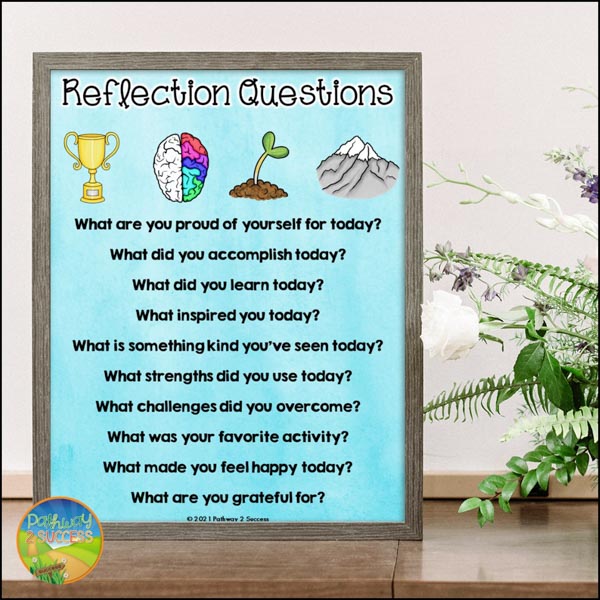
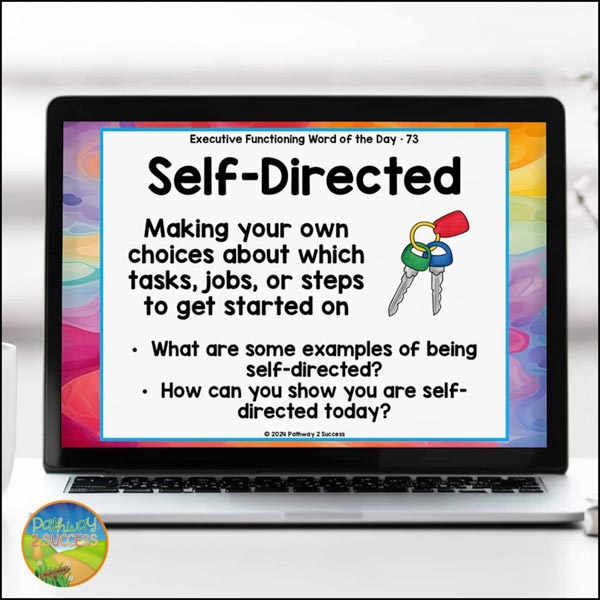
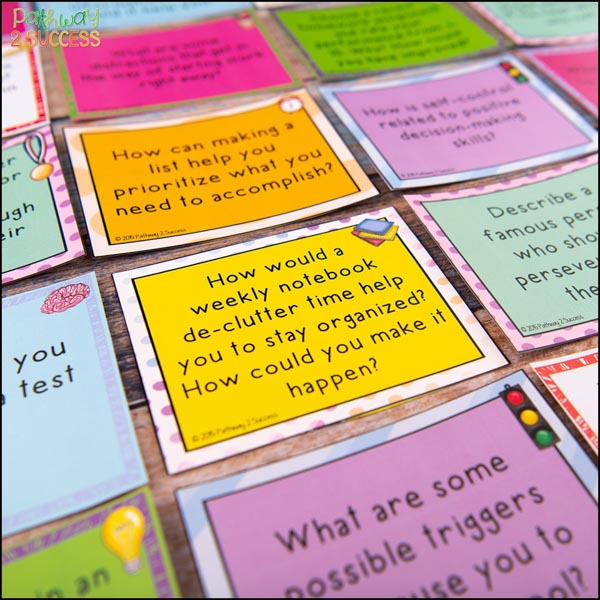
"Teachers often panic when they hear ‘executive functioning,’ thinking they need a degree in neuropsychology," shares Marcus Holloway, a veteran middle school administrator and instructional coach. "In reality, it is as simple as asking a daily reflection question, utilizing a ‘word of the day’ that highlights perseverance, or pausing during a read-aloud to ask students what choices a character made. It’s about shifting the classroom culture to value how we think, not just what we memorize."
Furthermore, curriculum designers point out that executive functioning strategies provide a powerful equity bridge. Students from disadvantaged backgrounds or those lacking home-based organizational support benefit immensely when schools systematically teach study habits, time management, and self-monitoring as part of the daily routine.
Future Outlook: The Next Frontier in Classroom Cognitive Development
As educational systems look toward the future, the integration of executive functioning skills is poised to become an even more central component of teacher preparation programs and curriculum design standards.
Technology and Cognitive Scaffolding
The rapid evolution of educational technology offers promising avenues for supporting student executive functioning. Digital tools that feature built-in visual schedules, interactive goal-tracking dashboards, and automated time-management prompts are increasingly being designed to foster—rather than replace—independent self-regulation. Future classrooms will likely leverage adaptive learning software that identifies when a student is struggling with task initiation or cognitive fatigue, offering real-time metacognitive prompts to guide them back on track.
Policy and Teacher Preparation
Educational policymakers are beginning to recognize that professional development must include targeted training in neurodiversity and executive functioning strategies. Moving forward, teacher certification programs are expected to incorporate foundational courses in cognitive self-regulation, ensuring that every newly minted educator enters the classroom equipped to support not only content mastery, but also the cognitive processes that make learning possible.
Cultivating Independent, Resilient Learners
Ultimately, the ultimate objective of integrating executive functioning skills extends far beyond the K-12 classroom. In an increasingly complex, fast-paced, and unpredictable modern world, the capacity to adapt to change, manage time effectively, and persist through failure are the ultimate survival skills. By intentionally embedding these competencies into everyday lessons—through thoughtful planning, daily discussions, and explicit strategy instruction—educators are doing more than teaching subjects; they are empowering students to take ownership of their minds and their futures.