
Executive Overview
In an era defined by rapid information access and contentious cultural debates over curriculum, educators are increasingly turning to primary sources to ground student learning in verifiable, historical reality. At the forefront of this pedagogical movement is a transformative collaboration between the National Council of Teachers of English (NCTE) and the Library of Congress. Operating under the auspices of the Teaching with Primary Sources (TPS) Consortium, this initiative is strategically designed to embed primary source analysis into the daily habits of literacy teachers and students nationwide.
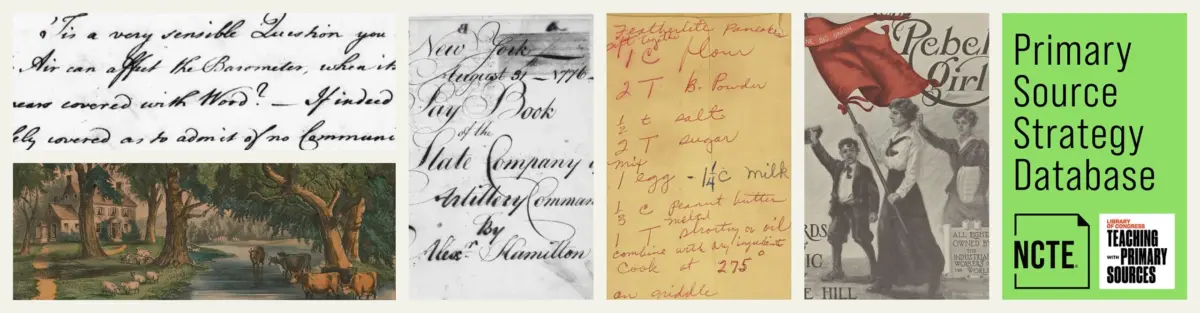
Central to this partnership is a newly expanded, searchable digital database housing instructional strategies for over 150 specific artifacts drawn from the Library of Congress’s vast digitized collections. Crafted by more than two dozen distinguished English language arts educators and curriculum leaders, these resources bridge historical inquiry with rigorous literacy standards. Among the archival items spotlighted in this repository is a fascinating, historically marginalized piece of journalism: a late-19th-century dispatch from The Salt Lake Tribune detailing the lives of women who lived as men.
By integrating such complex texts into classrooms, educators are not merely teaching reading comprehension or historical context; they are opening windows into the ways societal norms have historically constrained human agency, and how resilient individuals have defied those boundaries. This article explores the mechanics of the NCTE-Library of Congress partnership, examines the specific historical artifact focusing on gender non-conformity across history, outlines its instructional and literary value, and analyzes how educators can navigate sensitive topics while fulfilling modern state educational standards.
Detailed Chronology: The Partnership and the Archival Discovery
To understand the weight of these classroom resources, one must examine the timeline of how archival preservation meets modern pedagogical strategy.
- The Foundation of the TPS Consortium: Established by the Library of Congress, the Teaching with Primary Sources Partner Program began creating a nationwide network of universities, school districts, and educational organizations dedicated to helping educators use the Library’s unprecedented digital archives effectively.
- The NCTE Integration: Recognizing the profound synergy between historical artifacts and literacy development, the NCTE joined the TPS Consortium. The council mobilized language arts leaders to construct frameworks that evaluate primary sources not just for their historical utility, but for their explicit literacy merit—identifying ways texts build arguments, enhance vocabulary, and foster critical media literacy.
- Archival Discovery—The Special Cable to The Tribune: Among the digitized items curated within the NCTE database is a historical newspaper article originally published in The Salt Lake Tribune. Authored by London-based correspondent Rupert Neville and designated as a "Special Cable to The Tribune," the piece serves as an extraordinary lens into historical gender presentation.
- Profiling the Defiant: The historical dispatch uncovers and chronicles the lives of several women who lived, either entirely or for significant portions of their lives, as men. The profiles include historical figures such as Marie LeRoy, Madame Velasquez, Hannah Snell, Mary Ann Talbot, Catherine Coome, and Marion Edwards.
- Curriculum Development (Present Day): ELA leaders and master teachers transformed this archival newspaper clipping into a teachable asset. Complete with tagging systems (such as picturebook and argument), instructional guidance, and alignment to rigorous state content standards—such as the New Mexico Adopted Content Standards—the resource is now readily accessible to high school and middle-school educators navigating the complexities of historical identity.
Supporting Context & Metrics: The Mechanics of Primary Source Literacy
The initiative managed by the NCTE and the Library of Congress is backed by a robust framework designed to address specific educational metrics and pedagogical outcomes.
The Database Architecture
The searchable repository is not a static archive; it is a dynamic pedagogical tool. Educators can filter content through tags like vocabulary, media literacy, writing process, reading fluency, listening, minilesson, and collaboration. This ensures that history and social studies content seamlessly serve English language arts benchmarks.
Historical Context of the Highlighted Artifact
Newspaper accounts from the 19th century—such as the dispatch by Rupert Neville—occupy a unique space in media history. Often sensationalized for Victorian audiences, these reports simultaneously preserved details of lives that official institutional histories systematically erased. Women adopting masculine presentation to secure employment, travel freely, serve in military conflicts, or exercise personal autonomy represent a recurring, underground thread in global history.
By analyzing Neville’s reporting, students engage in high-level media literacy. They are not merely learning about these women; they are evaluating how journalism of the era framed non-conforming lives, allowing classrooms to dissect bias, authorial intent, and the evolution of public discourse.
Educational Metrics and Standards Alignment
To ensure academic rigor, the curriculum strategies linked to these primary sources align directly with state standards. For instance, under the New Mexico Adopted Content Standards, the instructional applications for these texts target critical reading and historical literacy skills:
- RI.9-10.1: Requiring students to cite strong and thorough textual evidence to support analysis of explicit textual statements as well as nuanced inferences.
- RI.9-10.8: Challenging students to delineate and evaluate arguments and specific claims within a text, assessing whether reasoning is valid and evidence is relevant and sufficient.
- RH.11-12.2: Training upper-level students to determine central ideas in primary and secondary sources, synthesizing key details and ideas into clear, accurate summaries.
Official Statements and Pedagogical Rationale
The instructional value embedded in the NCTE database extends far beyond rote memorization of historical dates. Experts behind the initiative emphasize the profound psychological and cognitive benefits of introducing marginalized histories into mainstream curricula.
"The women in this article defied social norms and expectations. Their stories show the limitations placed on women. Discussing these women encourages students to question traditional gender roles and analyze the impact of societal expectations on individuals."
According to curriculum designers associated with the project, many of these historical figures were intentionally erased or hidden from conventional textbooks. Bringing them back into the light offers transformative educational outcomes:
- Nuanced Historical Understanding: Students develop a more complete, intersectional view of history that accounts for the lived experiences of those who operated outside legal and social boundaries.
- Empathy and Perspective-Taking: Exploring the severe challenges, physical dangers, and societal pressures faced by figures like Hannah Snell and Mary Ann Talbot cultivates deep empathy for individuals who fight for personal autonomy and civil rights.
- Critical Thinking: By examining historical texts that document gender non-conformity, learners build a sophisticated vocabulary to discuss gender, societal structure, and the ongoing, multi-generational struggle for human equality.
Future Outlook: Navigating Challenges and Expanding Access
As educational landscapes evolve, the incorporation of primary sources addressing non-traditional gender roles, historical counter-narratives, and media artifacts inevitably invites discussion regarding potential classroom challenges. The NCTE and Library of Congress framework is built to proactively support educators facing these administrative and community dynamics.
Managing Sensitive Topics with Professional Rigor
Integrating historical accounts of individuals living across gender lines requires pedagogical intentionality. The NCTE database provides structured pathways for teachers to approach these topics through objective historical analysis, textual evidence, and literacy skill-building. By anchoring discussions in primary documents like Rupert Neville’s Salt Lake Tribune dispatch, teachers can steer classroom discourse away from contemporary partisan friction and toward rigorous textual analysis, historical inquiry, and media literacy.
Broadening the Scope of Digital Humanities
Looking ahead, the TPS Consortium partnership aims to continuously scale its database, incorporating new items from the Library of Congress’s digitized holdings. As more artifacts are indexed by tags like argument, collaboration, and writing process, teachers will have an ever-expanding toolkit to connect archival discovery with contemporary writing and critical thinking tasks.
Ultimately, the alliance between the National Council of Teachers of English and the Library of Congress serves as a model for modern education. By unlocking the vaults of history and pairing them with robust literacy strategies, these organizations are ensuring that students do not just read history—they interrogate it, learn from it, and use it to better understand the complex tapestry of the human experience.
To explore the searchable database, access instructional strategies, and review additional resources provided by the NCTE and the Library of Congress Teaching with Primary Sources Consortium, visit the official NCTE Teaching with Primary Sources portal.

