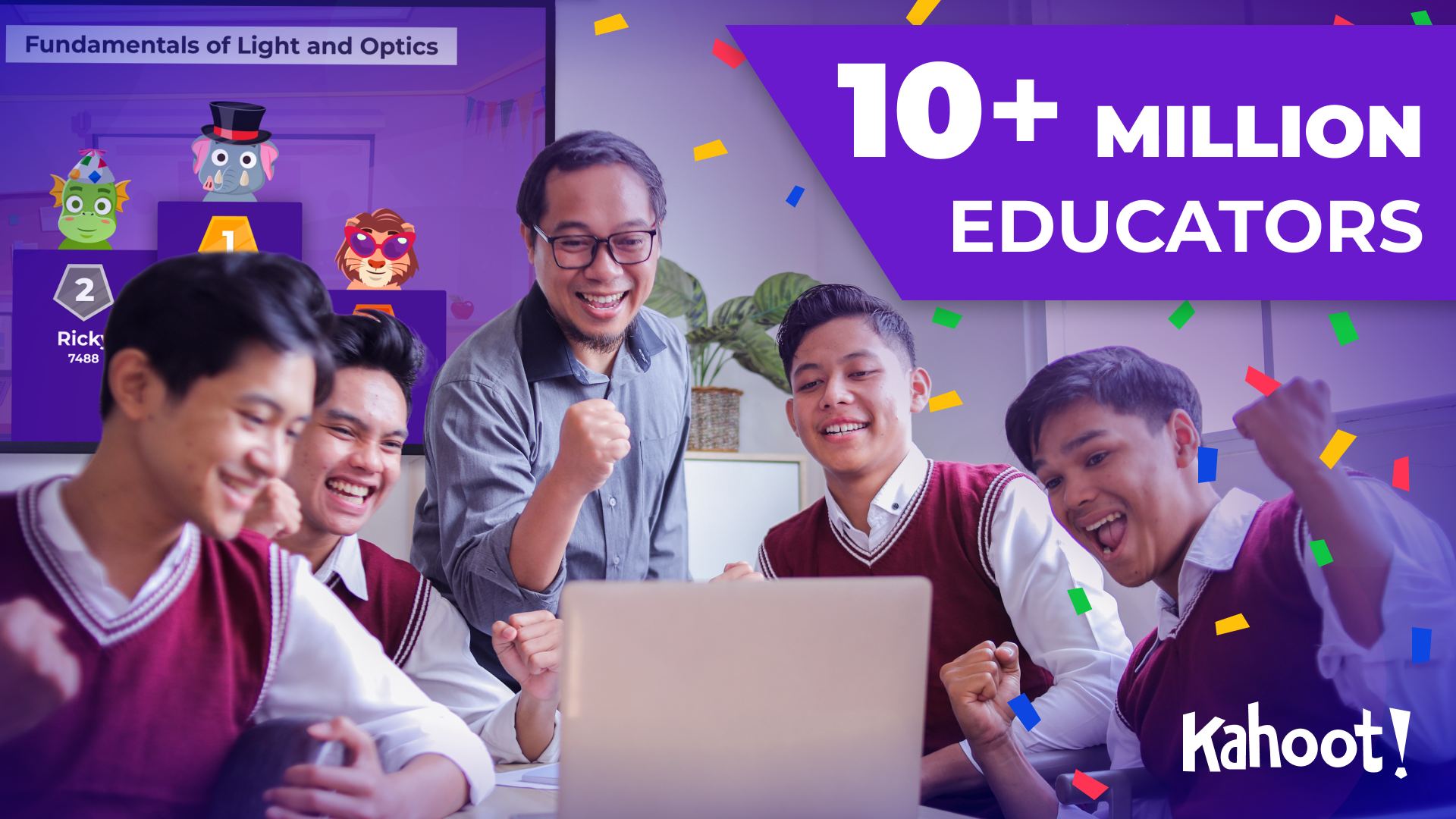
In the rapidly evolving landscape of educational technology, few platforms have achieved the ubiquitous presence and enduring impact of Kahoot!. Recently, the global interactive learning platform reached a monumental milestone: a thriving community of 10 million registered educators worldwide. Spanning early childhood education, primary and secondary schools, and advanced university lecture halls, this diverse network of teachers, professors, and instructional designers has fundamentally reshaped how students engage with academic material.
This milestone is not merely a quantitative achievement represented by user acquisition numbers; it is a qualitative testament to a pedagogical shift. In an era where maintaining student attention amidst digital distractions is a daily battle, 10 million educators have chosen interactive, game-based learning as a core pillar of their instructional strategy. By turning formative assessments, concept reviews, and lectures into dynamic, participatory experiences, these educators are driving measurable improvements in student engagement, retention, and overall academic outcomes.
This article explores the trajectory of Kahoot!’s educational community, analyzes the pedagogical theories underpinning its success, highlights real-world applications from educators across the globe, and examines the future outlook for gamified learning in modern academic institutions.
Detailed Chronology: From Classroom Novelty to Global Educational Infrastructure
To understand the significance of the 10-million-educator milestone, it is essential to trace the journey of game-based learning from the periphery of academia to its current status as essential educational infrastructure.
Phase 1: Inception and the Early Adopters (2013–2015)
When Kahoot! was officially launched, the concept of introducing game mechanics—points, leaderboards, and time-pressured quizzes—into serious academic environments was met with cautious optimism. Early adopters were typically tech-forward educators seeking alternatives to traditional multiple-choice paper tests. These pioneers utilized the platform primarily as a Friday afternoon reward or a casual review tool before major exams. However, rapid feedback loops revealed that students were not just having fun; they were demonstrating higher cognitive retention and significantly reduced test anxiety.
Phase 2: Mainstream Integration and Pedagogical Diversification (2016–2020)
As digital literacy expanded and schools increasingly adopted bring-your-own-device (BYOD) policies or provided 1:1 tablet and laptop initiatives, Kahoot! transitioned from a novelty to a daily teaching aid. Educators began experimenting beyond simple trivia. The platform evolved to support formative assessment, where teachers could gauge student understanding in real time and dynamically adjust their lesson plans. Universities and higher education institutions also adopted the software to break the monotony of traditional lecture formats, using anonymous polling to encourage participation among hesitant undergraduate students.
Phase 3: Global Resilience and Remote Learning Expansion (2020–2023)
The COVID-19 pandemic catalyzed an unprecedented demand for robust digital learning tools. With classrooms forced online, educators faced the monumental challenge of keeping students engaged across virtual meeting software. Kahoot! adapted swiftly, introducing features designed for synchronous and asynchronous remote learning, challenge modes, and team-based collaborations. This period saw exponential growth in the global educator community, laying the groundwork for the massive scaling that would eventually culminate in the 10-million-user milestone.
Phase 4: The 10-Million Milestone and Beyond (2024–Present)
Reaching 10 million educators marks the maturation of game-based learning as a globally recognized pedagogical methodology. Today, the community represents a multicultural, cross-disciplinary network of professionals who share user-generated content, collaborate on lesson plans, and continuously push the boundaries of how interactive technology can serve educational equity and accessibility.
Supporting Context & Metrics: The Mechanics of Student Engagement
The success of Kahoot! within the global educational ecosystem is deeply rooted in established learning theories, particularly constructivism, social learning theory, and gamification.
The Psychology of Play in Education
Traditional didactic teaching methods often rely on passive reception of information, which can lead to cognitive fatigue and disengagement. In contrast, game-based learning leverages intrinsic and extrinsic motivators. By introducing friendly competition, immediate feedback loops, and visual progress tracking, platforms like Kahoot! stimulate the brain’s reward pathways, releasing dopamine associated with achievement and curiosity.
Formative Assessment in Real Time: Educators no longer have to wait days or weeks for graded papers to identify knowledge gaps. Instant analytics allow teachers to pinpoint exact concepts that the class struggled with, enabling targeted remediation on the spot.
Anonymity and Psychological Safety: In higher education and large lecture settings, students are frequently hesitant to raise their hands or answer questions aloud out of fear of public failure. Anonymous polling and gamified participation remove this barrier, encouraging 100% active participation.
Cognitive Spacing and Retrieval Practice: Educational research consistently demonstrates that spaced repetition and active recall are among the most effective strategies for long-term memory consolidation. Regular quiz-based reviews naturally incorporate these principles into the school week without feeling like tedious drill-and-practice routines.
Official Statements and Voices from the Global Community
The human element remains the driving force behind this technological milestone. Teachers are the architects of the content, the moderators of the experience, and the ultimate judges of pedagogical value.
Reflecting on the milestone, organizational representatives emphasized the central role of educators:
"We celebrate this milestone together with our fantastic global community. It represents teachers, professors, and educators across primary, secondary, and higher education who have committed to making learning even more fun, driving engagement and student outcomes every single day. Educators are the heart of our commitment—from primary school classrooms to university lecture halls. Your creativity and passion inspire our continued development of Kahoot!, helping make teaching more effective and engaging."
Perspectives from the Frontlines of Teaching
The practical application of these tools is best illustrated through the experiences of educators working in diverse geographical and institutional contexts.
Pam Ganley, Educator in Arizona, USA:
"I love using Kahoot!. It helps me create fun and interactive content that enriches both my lessons and my students’ learning experiences. I use Kahoot! to teach new concepts, review content, strengthen knowledge retention, and check whether students have understood everything during lessons."
Ganley’s testimony highlights the versatility of the platform across the entire pedagogical cycle—from introducing novel ideas to conducting summative checks before moving on to new units.
Kurt Naicker, Lecturer at the University of Johannesburg:
"Kahoot! has transformed the way I teach my students. Anonymous polling and real-time feedback have been crucial for me as a lecturer, as I have constantly been able to follow where my students are on their learning journey."
Naicker’s experience underscores the vital role of real-time data analytics in modern higher education, where large class sizes often make individual student tracking exceptionally difficult for professors.
Maintaining Momentum Throughout the Academic Year
One of the primary challenges highlighted by educators is the necessity of sustaining student motivation across fluctuating academic cycles. From the high-energy enthusiasm of the autumn back-to-school season to the sluggish winter months and the countdown to summer examinations, maintaining instructional momentum requires dynamic tools.
Strategies for Year-Round Engagement
To keep classrooms vibrant and focused, the global community of educators utilizes a variety of advanced platform features that extend far beyond the standard quiz format:
Curricular Integration with Pop Culture Partners: Collaborations with major content providers, such as Disney’s educational collections for school starts, allow teachers to merge standard curricula in mathematics, natural sciences, and social studies with universally recognizable themes, instantly lowering the barrier to entry for hesitant learners.
Student-Led Creation: Shifting the role of content creator from teacher to student empowers learners to design their own Kahoots to test their peers. This peer teaching model deepens comprehension, as students must thoroughly understand a topic to construct challenging and accurate questions about it.
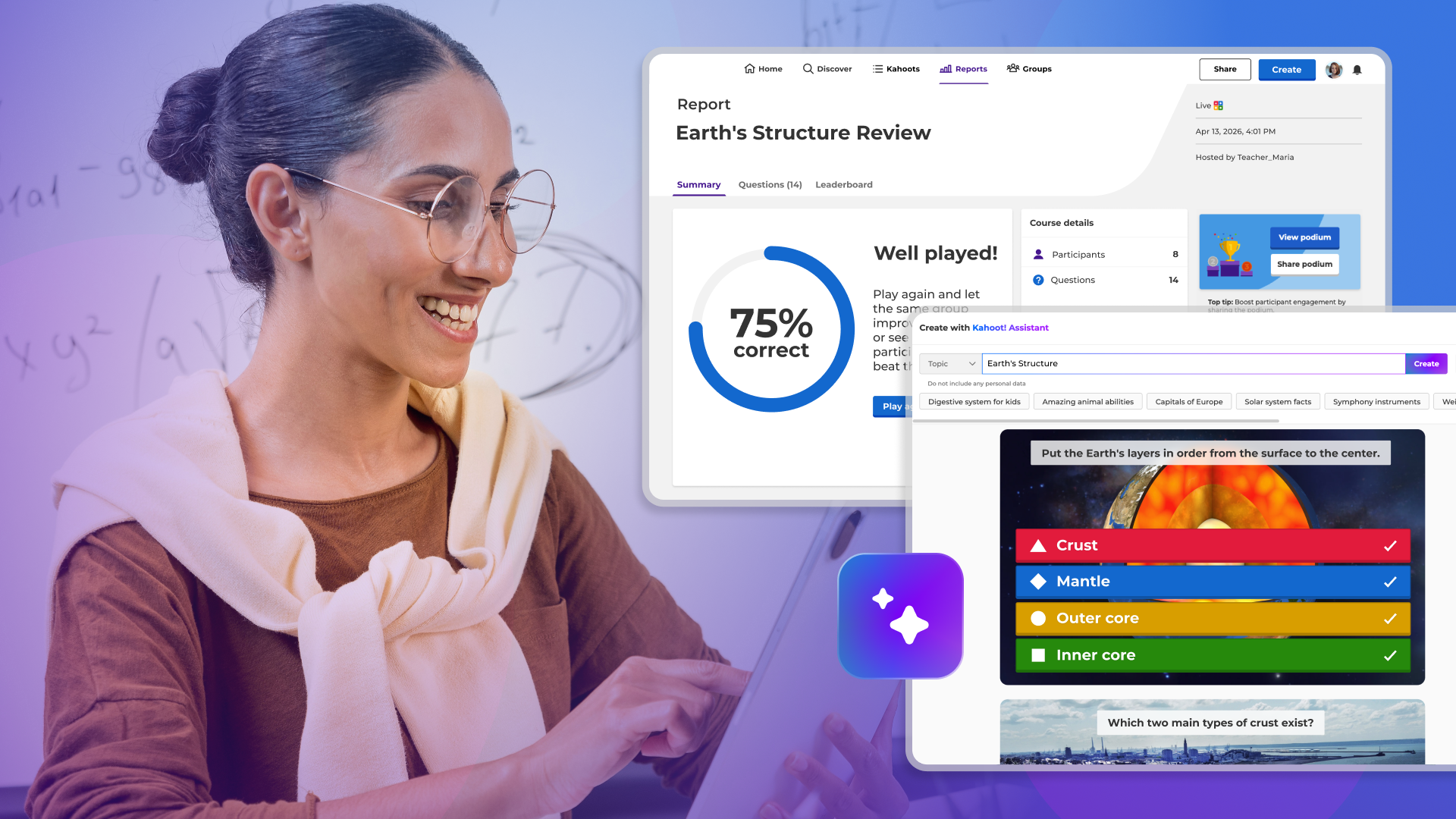
Comprehensive Progress Reports: Utilizing detailed analytics dashboards enables educators to generate longitudinal data reports, tracking individual and class-wide performance trends over semesters and academic years.
Future Outlook: The Next Frontier of Educational Technology
As Kahoot! and its community look toward the future, the horizon of educational technology is poised for further transformation. With the integration of advanced artificial intelligence, machine learning-driven adaptive learning paths, and immersive digital environments, the boundaries of interactive education are expanding rapidly.
However, the core philosophy remains unchanged. As emphasized by the platform’s leadership and echoed by millions of teachers worldwide, technology is merely an enabler; the true catalysts of learning are the passion, dedication, and creativity of the educators in the classroom.
With 10 million educators now part of the global movement, the foundation has been firmly established for a future where learning is not viewed as a chore, but as an engaging, collaborative, and deeply rewarding journey of discovery. For those educators who have yet to join the community, the invitation remains open to step into the digital classroom of tomorrow and redefine what is possible in education today.