

Executive Overview
In the rapidly evolving landscape of 21st-century education, the demand for dynamic, engaging, and measurable learning environments has never been more pronounced. Recently, global learning platform Kahoot! reached a historic milestone: a vibrant, dedicated community of 10 million educators worldwide. From kindergarten classrooms to advanced university lecture halls, this milestone represents a monumental achievement not just for a software company, but for a global movement dedicated to transforming how students absorb, retain, and apply knowledge.
This milestone is a testament to the tireless commitment of teachers, professors, and instructional guides who strive daily to make learning joyful, participatory, and effective. As education continues to transition away from passive instruction toward active, student-centric engagement, platforms like Kahoot! have emerged as indispensable tools. This article explores the significance of reaching 10 million educators, examines the pedagogical impact of gamified learning across various educational levels, highlights real-world testimonials from academic leaders, and outlines the future outlook for interactive educational technology.
Detailed Chronology: The Evolution of Interactive Learning
The journey of digital gamification in education did not happen overnight. To understand the significance of the 10-million-educator milestone, it is essential to look back at the trajectory of interactive classroom technology.
The Early Foundations (Pre-2010s)
For decades, traditional teaching relied heavily on the "chalk-and-talk" method, supplemented occasionally by static slide presentations or paper-based quizzes. While these methods established foundational knowledge, they frequently struggled to maintain the sustained attention of digital-native students. Formative assessments often felt punitive rather than constructive, creating anxiety rather than curiosity.
The Rise of Gamified Classrooms (2010s–2020)
As smartphones, tablets, and interactive whiteboards permeated classrooms, forward-thinking technologists and educators recognized an opportunity to harness the natural mechanics of play. By turning quizzes into high-energy, game-show-style competitions, platforms like Kahoot! introduced a novel concept: formative assessment disguised as entertainment. Educators began utilizing these digital platforms to break up monotonous lectures, assess immediate comprehension, and foster a healthy, collaborative competitive spirit among students.
The Pandemic Catalyst and Global Expansion (2020–2023)
The global health crisis of 2020 fundamentally reshaped education, forcing a sudden, unprecedented pivot to remote and hybrid learning environments. Educators faced the immense challenge of maintaining student engagement across pixelated video calls and asynchronous modules. During this critical window, interactive learning platforms became lifelines. Teachers relied on digital polling, virtual breakout games, and real-time feedback mechanisms to bridge the physical distance between themselves and their students. It was during this era of educational reinvention that the global community accelerated exponentially, laying the groundwork for the current milestone.
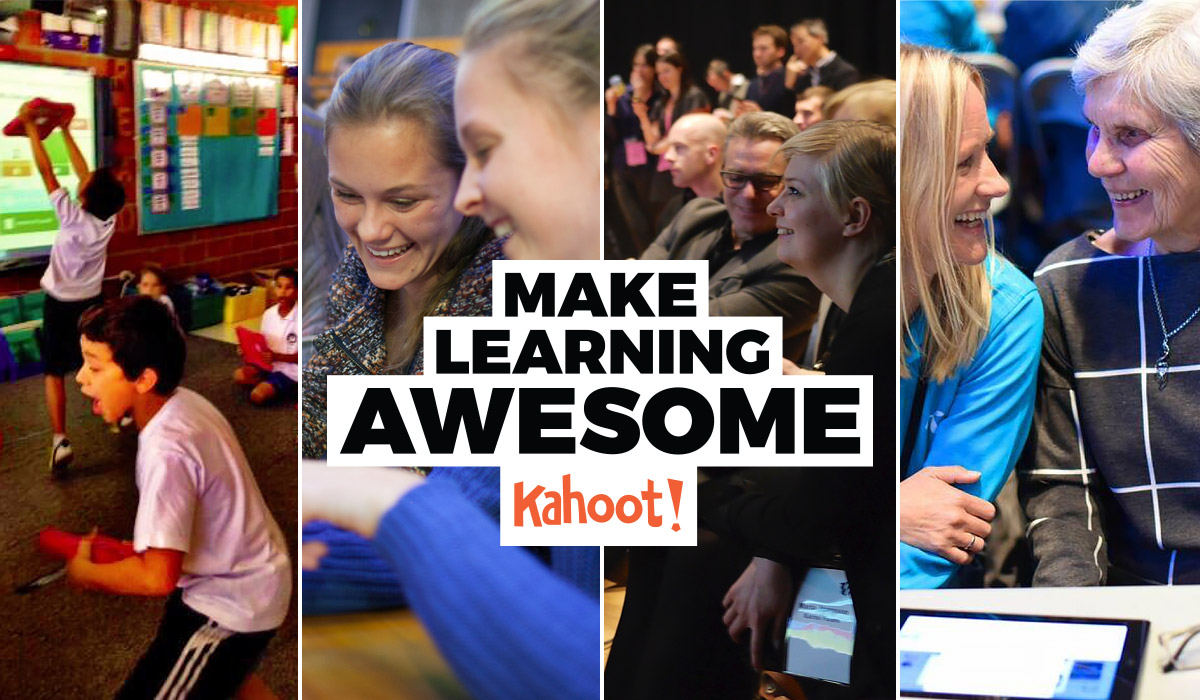
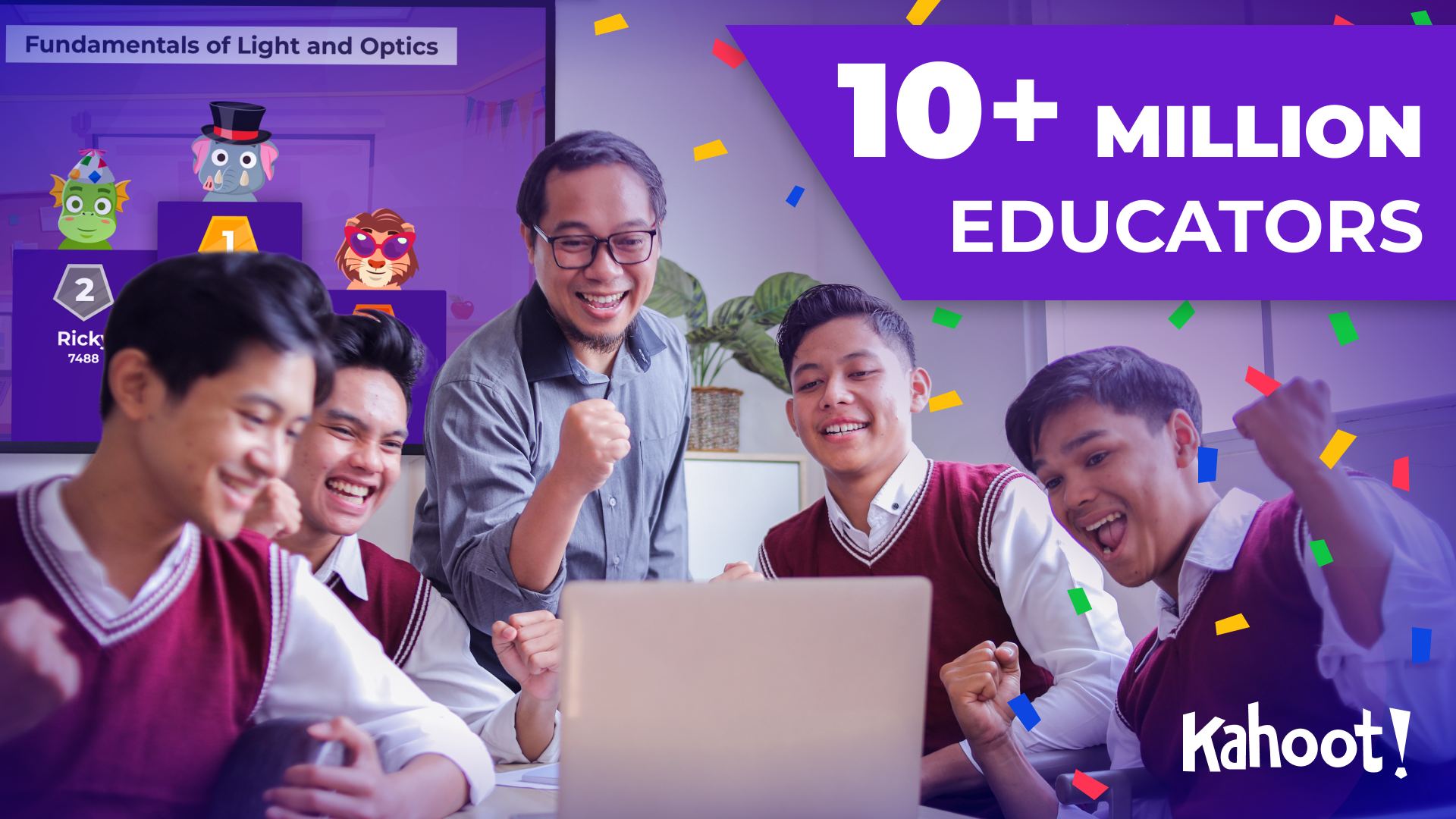
Reaching the 10-Million Milestone (Present Day)
Today, with over 10 million educators utilizing the platform, Kahoot! has cemented its status as a foundational pillar of modern pedagogy. The milestone represents a mosaic of teaching philosophies, cultural backgrounds, and academic disciplines united by a single goal: making learning irresistible.
Supporting Context & Metrics: The Pedagogical Impact
The significance of 10 million educators extends far beyond a simple user count; it is a powerful metric reflecting the undeniable value of interactive, student-centered learning methodologies.
The Psychology of Play in Education
Cognitive science has long demonstrated that emotional engagement and active participation significantly enhance memory consolidation and critical thinking. When students participate in a live, interactive quiz:
- Dopamine Release: The element of playful competition stimulates dopamine pathways, which are closely linked to motivation and reward-based learning.
- Immediate Feedback Loops: Rather than waiting days or weeks for an exam to be graded, students receive instant clarification on misconceptions, allowing for real-time cognitive adjustments.
- Anxiety Reduction: Anonymous polling and low-stakes competitive formats help alleviate the performance anxiety commonly associated with traditional testing, encouraging risk-taking and curiosity.
Sustaining Momentum Throughout the Academic Year
One of the greatest challenges educators face is maintaining student engagement and academic momentum across different seasonal milestones. Whether it is shaking off the post-winter slump, managing the stress of mid-term examinations, or keeping students focused in the weeks leading up to summer vacation, classroom energy naturally fluctuates.
Interactive learning platforms provide the structural flexibility needed to combat academic fatigue. Educators can transition seamlessly from high-energy trivia battles used for concept review to reflective, self-paced challenges that reinforce independent study habits. By moving beyond traditional multiple-choice quizzes into interactive presentations, collaborative brainstorming sessions, and formative assessment templates, teachers can dynamically adjust their strategies to fit the exact emotional and cognitive climate of their classrooms.
Official Statements and Global Perspectives
The true impact of this milestone is best understood through the voices of the educators on the front lines of academia. Their real-world experiences illustrate how digital tools translate into tangible classroom success.
"I love using the Kahoot! platform because it allows me to create engaging and interactive content that enriches both my lessons and my students’ learning experiences. I use Kahoot! to teach new concepts, review topics, reinforce learning, and check whether students have truly grasped the material."
— Pam Ganley, Elementary and High School Educator, Arizona, USA
Ganley’s perspective highlights the versatility of modern educational tools across disparate age groups. Whether introducing foundational vocabulary to younger students or tackling complex multi-step concepts with high schoolers, interactive design bridges the gap between curriculum delivery and student comprehension.
The impact is equally profound in higher education, where traditional lecture formats often struggle to capture the attention of university cohorts.
"Kahoot! has radically transformed the way we deliver learning materials in higher education. The use of anonymous polls and real-time feedback has greatly contributed to my ability, as a faculty member, to continuously assess where my students are on their learning journey."
— Kurt Naicker, Senior Lecturer, University of Johannesburg
Naicker’s observation points to a critical shift in professorial duties: moving away from one-way broadcasting toward continuous, data-driven formative assessment. By gauging student comprehension in real time, university lecturers can dynamically pivot their lectures to address knowledge gaps before high-stakes exams occur.
Future Outlook: The Next Frontier of Educational Technology
As we look toward the future, the role of technology in the classroom will continue to expand. Reaching 10 million educators is not a finish line, but rather a springboard for the next generation of educational innovation.

Artificial Intelligence and Personalization
The integration of artificial intelligence (AI) into learning platforms promises to revolutionize lesson planning and content delivery. Future iterations of interactive tools will likely leverage AI to help educators generate customized quiz questions, adapt difficulty levels in real-time based on individual student performance, and provide deeper predictive analytics regarding student success.
Expanding Accessibility and Global Reach
Education is a universal human right, and digital learning tools must reflect this ethos. Future development will place a heightened emphasis on offline capabilities, localized cultural content, and enhanced accessibility features for students with diverse learning needs, ensuring that interactive engagement reaches even the most remote or under-resourced classrooms.
Fostering Lifelong Learning Communities
The traditional boundary separating formal schooling from lifelong learning is dissolving. As professional development, corporate training, and community education increasingly adopt gamified methodologies, platforms originally designed for K-12 and higher education are finding new life in boardrooms, workshops, and community centers globally.
Conclusion
The celebration of 10 million educators using Kahoot! is a watershed moment for modern education. It honors the creativity, resilience, and boundless passion of teachers and professors who refuse to let learning become a passive chore. By transforming classrooms into spaces of joyful discovery, active participation, and meaningful connection, these educators are shaping a smarter, more curious world.
To the 10 million educators driving this global transformation: thank you. Your dedication is quite literally rewriting the future of learning. If you have not yet joined this extraordinary community, today is the day to create your account, step into the digital classroom, and discover just how exciting and impactful education can truly be.

