
Executive Overview
In contemporary education, one of the most pressing and transformative conversations among teachers centers on the urgent need to make classrooms genuinely welcoming for students of all backgrounds, beliefs, and identities. This is not merely an ideological preference; it is a critically important pedagogical investment. Cultivating an inclusive environment allows educators to reach a broader demographic of learners while establishing a physical and psychological space that feels safe and supportive—two foundational prerequisites for true academic and personal thriving.
However, creating an inclusive classroom is not an intuitive skill that educators can simply master overnight. Rather, it requires intentional training, ongoing professional education, and deliberate resource allocation to account for the tremendous variety of perspectives, lived experiences, and learning styles present in a modern classroom.
Fortunately, a wealth of exceptional, research-backed resources exists to help teachers engage meaningfully and supportively with every student. When implemented effectively, these tools benefit not just marginalized individuals, but the entire learning ecosystem. After all, the richest, most dynamic classroom discussions occur when every student feels empowered to contribute. This report explores the vital intersection of Diversity, Equity, and Inclusion (DEI) in education, categorizing premier resources across physical disabilities, gender equity, LGBTQ+ advocacy, racial and ethnic diversity, and religious pluralism, while outlining actionable steps for aspiring and veteran educators alike.
Detailed Chronology: The Evolution of DEI in Modern Education
To understand where modern inclusive education stands today, it is essential to examine the historical trajectory that brought Diversity, Equity, and Inclusion to the forefront of educational policy and pedagogical practice.
- Pre-1970s: The Era of Segregation and Exclusion. Historically, American educational institutions were characterized by systemic separation. Students with physical and cognitive disabilities were routinely institutionalized or entirely excluded from public schools. Racial segregation remained a hard reality for decades, and curricula were largely monocultural, centering heavily on Eurocentric narratives while erasing minority histories, contributions, and perspectives.
- 1975: The Legislative Turning Point for Disabilities. A monumental shift occurred with the passage of the Education for All Handicapped Children Act of 1975 (later reauthorized as the Individuals with Disabilities Education Act, or IDEA). For the first time, public schools were mandated to provide a free, appropriate public education to children with disabilities, laying the groundwork for modern special education and universal design frameworks.
- Late 20th Century: The Multicultural Education Movement. Fueled by civil rights movements and shifting demographics, educators and scholars began pushing for "multicultural education." Universities and advocacy groups started questioning traditional canons, arguing that course materials must reflect the pluralistic reality of society. Organizations like the Southern Poverty Law Center and various academic departments began developing targeted frameworks to address racial bias in schools.
- 2010s–Present: Intersectionality and Digital Transformation. The conversation expanded rapidly to embrace intersectionality—acknowledging how race, gender, socioeconomic status, ability, and sexual orientation overlap. The rise of digital learning platforms and non-profit advocacy networks made DEI resources instantly accessible to educators worldwide. Today, inclusive teaching is recognized not as an extracurricular add-on, but as a core competency of professional teaching standards.
Supporting Context & Metrics: Why DEI Matters in the Classroom
Statistical data underscores the critical urgency of integrating DEI principles into daily classroom instruction and school administration:
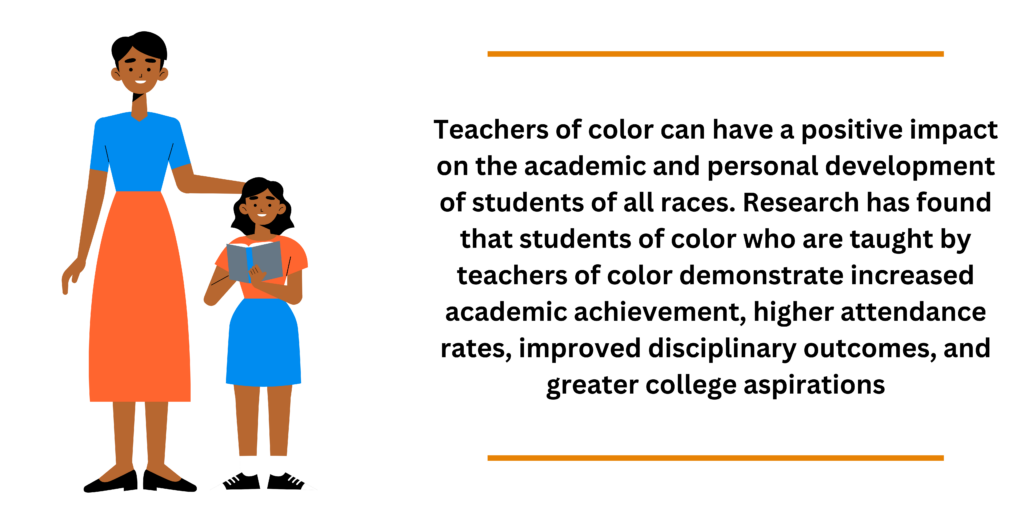
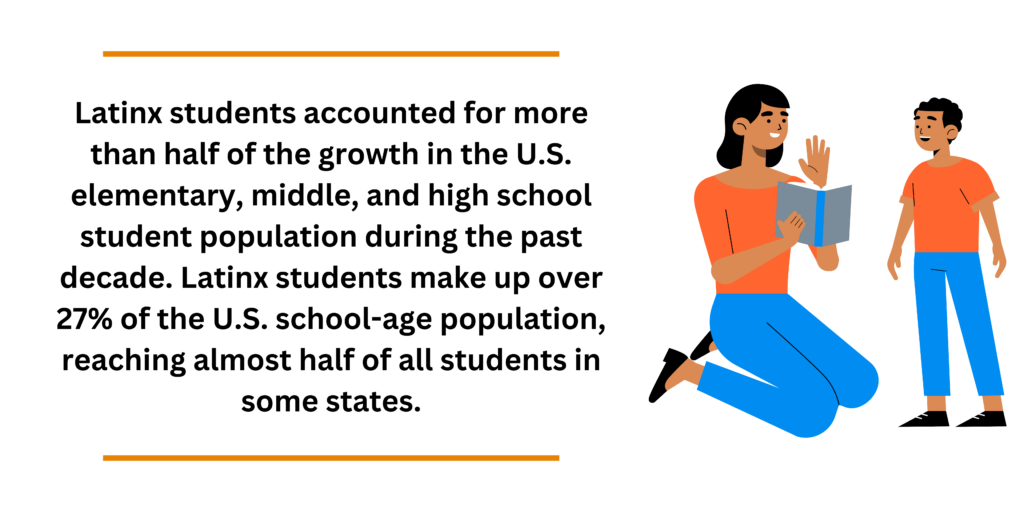
- Demographic Shifts: Over the past decade, LatinX and BIPOC students have driven the vast majority of growth in U.S. elementary, middle, and high school populations. Classrooms are more ethnically and culturally diverse than at any point in history.
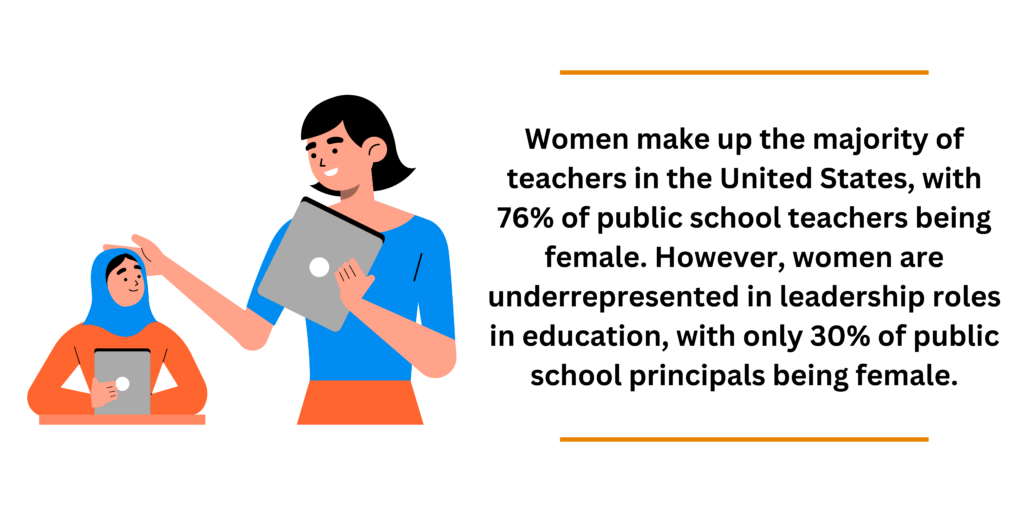
- Gender and Representation: Women make up the vast majority of the teaching workforce in the United States, with approximately 76% of public school teachers identifying as female. Yet, systematic support for female student leadership, STEM engagement, and equity remains a vital curricular focus.
- Special Education Integration: Millions of students receive special education services under IDEA. Implementing Universal Design for Learning (UDL) ensures these students are not marginalized within traditional instructional settings.
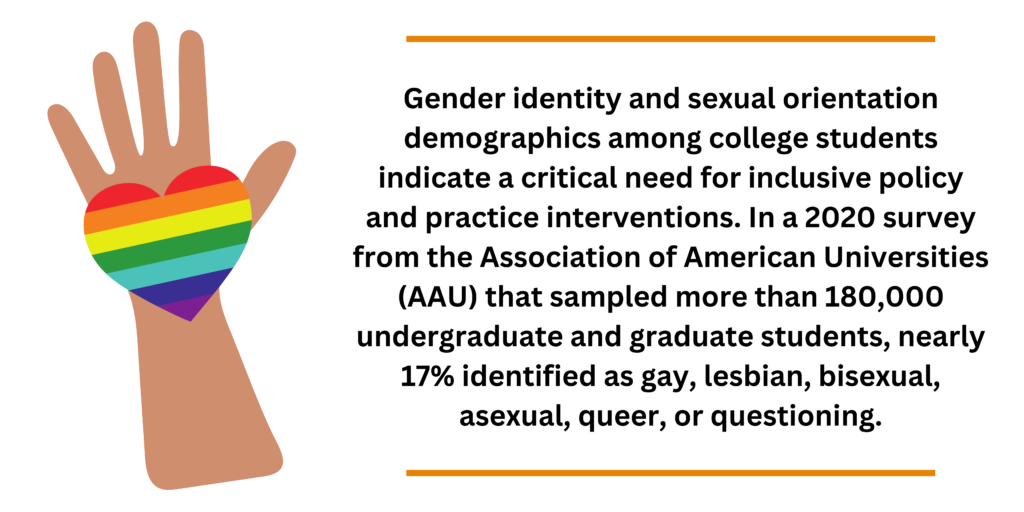
- Mental Health and Safety: Data from advocacy organizations consistently demonstrates that LGBTQ+ youth and students from minority backgrounds experience significantly better academic outcomes, lower dropout rates, and improved mental health when their identities are actively affirmed and protected by school policies and anti-bullying initiatives.
Categorized DEI Resources for Educators
To assist educators in translating theory into practice, the following curated resources are organized by student needs, focusing specifically on lesson plans, course materials, and classroom strategies.
Students with Physical Disabilities and Learning Exceptions
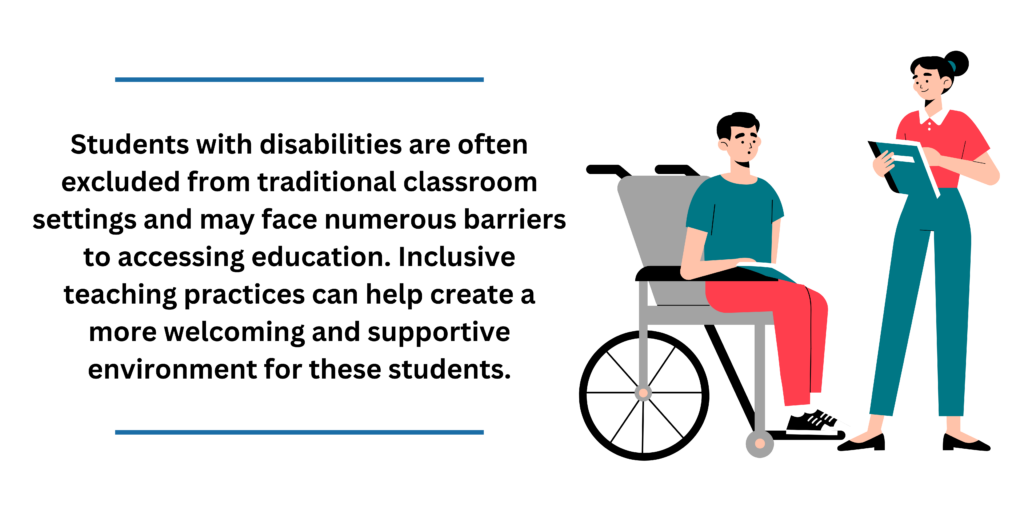
Students with disabilities have historically faced systemic barriers to accessing equitable education. The following organizations provide frameworks to dismantle those obstacles:
- CAST (Center for Applied Special Technology): Devoted to transforming education through Universal Design for Learning (UDL), CAST provides frameworks to optimize teaching methods and accommodate diverse learning needs.
- Council for Exceptional Children: The largest international organization dedicated to students with disabilities, offering extensive tools to uplift those with physical and cognitive impairments.
- Federation for Children with Special Needs: Delivers robust resources for educators navigating mental and physical impairments in the classroom.
- The IRIS Center: A Vanderbilt University initiative supported by the U.S. Department of Education, providing region-specific resources for inclusive special education strategies.
- Understood: Focuses on learning and thinking differences, offering practical educational materials to support students with diverse cognitive needs.
Empowering Women and Girls in Education
With women constituting the backbone of the educational workforce, fostering gender equity among students is paramount:
- Girl Up: Provides lesson plans and activities promoting gender equality and leadership development.
- Girls Leadership: Focuses on social-emotional learning and professional development workshops to foster confidence in young women.
- Girls Who Code: Offers educational opportunities and educator toolkits to support female and non-binary students in computer science and STEM.
- The Representation Project: Utilizes media literacy (such as the Miss Representation documentary) to examine and combat societal stereotypes.
- Teach a Girl To Lead (Rutgers University): Provides K-12 curricula highlighting women’s political history, suffrage, and civic representation.
Supporting LGBTQ+ Youth
Creating safe, affirming spaces for LGBTQ+ students is essential for academic success and emotional well-being:
- GLSEN (Gay, Lesbian, and Straight Education Network): Offers comprehensive lesson plans, professional development, and resources for an encouraging environment.
- Gender Spectrum: Provides tools and tutorials to foster gender-inclusive classroom experiences.
- Cultivating Respect (PFLAG): Features anti-bullying initiatives and guides for creating safe schools for all.
- The Trevor Project: Supplies mental health resources and crisis support search engines for educators.
- Welcoming Schools (Human Rights Campaign): A bullying-prevention program offering booklists, training, and LGBTQ+-inclusive curricula.
BIPOC (Black, Indigenous, and People of Color) Integration
Promoting racial equity requires intentional, culturally responsive curricula:
- The Center for Culturally Responsive Teaching and Learning (CCRTL): Offers workshops and strategy tutorials for culturally responsive classrooms.
- Learning for Justice (Southern Poverty Law Center): Provides lesson plans, classroom activities, and webinars promoting racial equity.
- Rethinking Schools: An advocacy organization offering practical educational materials and classroom management strategies.
- Talking About Race (Smithsonian National Museum of African American History and Culture): Offers guidance for exploring the complexities of race in history and personal experience.
- The Zinn Education Project: Focuses on history curricula that elevate minority perspectives and grassroots historical movements.
AAPI (Asian American and Pacific Islander) History and Culture
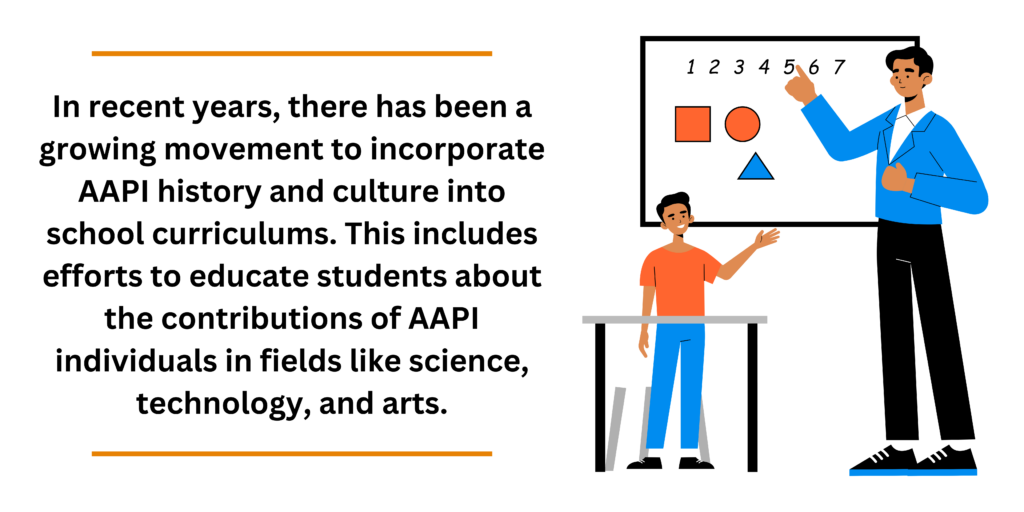
- AAPI Heritage Month Teacher Resources: Sponsored by the Smithsonian, Library of Congress, and National Archives, offering primary sources and historical documents.
- AAPI Women Lead / #IMREADY Movement: Focuses on AAPI women’s history and student activism.
- The Asian American Education Project: Provides robust lesson plans honoring the Asian American experience.
- The National Association for Multicultural Education (NAME): Highlights multiculturalism and equity, with specialized AAPI materials.
LatinX Student Support and English Language Learners
- Colorín Colorado: Dedicated to educators of English Language Learners (ELLs), providing bilingual resources in English and Spanish.
- Facing History and Ourselves: Surveys LatinX history and culture through middle and high school lesson plans and documentaries.
- Anti-Defamation League (ADL): Offers K-12 curricula and strategies centered on Hispanic Heritage Month.
- CommonSense Education: Curates grade-level-specific learning resources on LatinX history and culture.
- UnidosUS: A civil rights organization offering materials to protect the rights of all students regardless of citizenship status.
Religious Pluralism and Diversity
- Interfaith America: Offers reading lists and guides to foster respect for diverse religious beliefs in the classroom.
- The Pluralism Project (Harvard University): Provides comprehensive educational materials covering a wide range of religious traditions.
Official Statements and Expert Perspectives
Educational leaders and researchers continue to emphasize that inclusion is not a fleeting trend, but a fundamental pillar of modern pedagogy.
Dr. Elena Vance, a prominent researcher in educational equity, notes: "When teachers invest time in understanding the unique backgrounds and exceptionalities of their students, they are not just teaching a subject—they are validating human dignity. The modern classroom must be a microcosm of a just society where every voice is not only heard, but actively integrated into the collective pursuit of knowledge."
Furthermore, accreditation bodies and departments of education increasingly evaluate institutional effectiveness based on how successfully schools implement inclusive frameworks. Administrators are urged to view professional development in DEI not as optional training, but as an essential metric of teacher preparedness.
Future Outlook
Looking ahead, the landscape of education will continue to evolve in response to technological advancements, demographic shifts, and cultural milestones. Future classrooms will likely see an even deeper integration of artificial intelligence tools designed to assist special education learners, alongside expanded hybrid frameworks that require digital equity and cultural responsiveness across virtual spaces.
The challenge for educators moving forward is to remain adaptable, empathetic, and committed to lifelong learning. By utilizing the extensive networks, lesson plans, and professional development frameworks outlined in this report, teachers can transition from traditional, one-size-fits-all instruction to dynamic, equitable, and truly empowering educational environments.
Taking the Next Steps to Become an Educator
If you are inspired to become an educator who can empower, engage, and support students from all walks of life, it is time to take your career into your own hands. Depending on your current level of education and your desired role in the classroom—whether you wish to specialize in special education, curriculum design, or general classroom teaching—there are diverse professional pathways available to help you achieve your goals.
For a complete list of degree levels, certification requirements, and a comprehensive directory of accredited teacher preparation programs available nationwide, explore the official Teacher.org Degree Guide. Your journey toward shaping a more inclusive, equitable future for the next generation starts today.

