In the modern educational landscape, the conversation among educators, administrators, and policymakers has shifted decisively from mere academic instruction to the holistic cultivation of inclusive learning environments. Today, classrooms serve as micro-societies comprising students from an unprecedented variety of backgrounds, beliefs, socioeconomic statuses, and personal identities. Creating a welcoming, safe, and supportive space is no longer viewed as an optional pedagogical preference; it is a fundamental prerequisite for academic success and cognitive development.
However, building an inclusive classroom does not happen by accident, nor can it be successfully navigated through intuition alone. Educators frequently report feeling unequipped to manage the profound complexities of modern classrooms, where multiple intersectional identities converge daily. Crafting a truly equitable learning ecosystem requires intentional training, specialized education, and access to robust, peer-reviewed resources that account for diverse perspectives.
Fortunately, a wealth of organizational support exists to help teachers integrate Diversity, Equity, and Inclusion (DEI) principles directly into their lesson plans, course materials, and daily classroom management strategies. When implemented effectively, these resources do not merely support marginalized or underrepresented groups—they elevate the entire classroom culture. By ensuring that every student feels valued and capable of contributing, educators foster richer class discussions, deeper critical thinking, and a more resilient community of learners. This report provides an authoritative, categorized compendium of premier DEI resources designed to empower educators across the United States.
Detailed Chronology: The Evolution of DEI in Modern Education
The integration of Diversity, Equity, and Inclusion within American classrooms is not a transient pedagogical trend; it is the culmination of decades of legal battles, civil rights advocacy, and progressive educational research. Understanding how classrooms evolved into the multi-faceted spaces they are today requires a brief examination of historical milestones:
The Mid-20th Century Civil Rights Era: The foundational bedrock of educational equity was laid during the mid-1900s, most notably through the landmark 1954 Supreme Court ruling in Brown v. Board of Education, which declared state laws establishing separate public schools for black and white students to be unconstitutional. This opened the door for broader legal protections regarding equal access to education.
The Passage of Disability Rights Legislation (1970s): Educational inclusivity expanded significantly with the passage of the Education for All Handicapped Children Act of 1975 (later reauthorized as the Individuals with Disabilities Education Act, or IDEA). This legislation mandated that public schools provide children with disabilities access to a free and appropriate public education tailored to their unique needs.
The Multicultural Education Movement (1980s–1990s): As demographics shifted rapidly across the United States, scholars and educators began pushing for curricula that reflected the histories and contributions of racial and ethnic minorities, paving the way for modern multicultural education frameworks.
The Digital Age and Intersectionality (2000s–Present): In the 21st century, the definition of diversity expanded exponentially to encompass comprehensive frameworks addressing gender identity, sexual orientation, neurodiversity, and religious pluralism. Today, organizations leverage digital platforms, webinars, and open-source curricula to provide real-time professional development to educators navigating these evolving socio-cultural landscapes.
Supporting Context & Metrics: Why DEI Matters in Today’s Classrooms
Statistics underscore the urgent demographic imperative driving the DEI movement in education. Modern classrooms are more diverse than at any point in U.S. history, yet systemic barriers continue to impact student outcomes.
LatinX Growth: LatinX students have accounted for more than half of the total growth in the U.S. elementary, middle, and high school student populations over the past decade, demanding bilingual and culturally responsive teaching strategies.
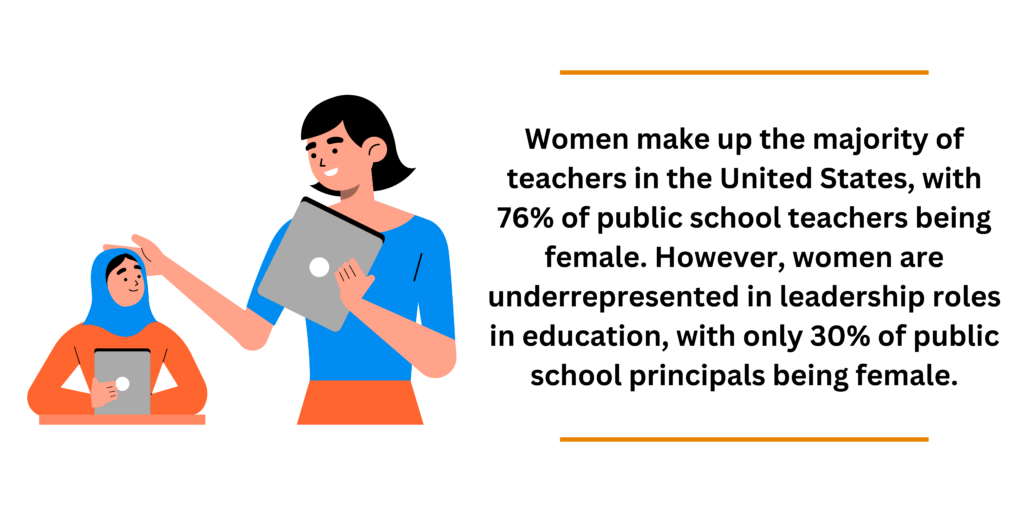
Gender and STEM: Despite women comprising the vast majority of the public school teaching workforce (approximately 76%), gender disparities in STEM fields persist early in academic pipelines, necessitating targeted interventions from elementary through high school.
Neurodiversity and Accessibility: Millions of students experience learning and thinking differences or physical disabilities. Historically, these students faced severe architectural and pedagogical exclusion; today, frameworks like Universal Design for Learning (UDL) aim to dismantle these barriers entirely.
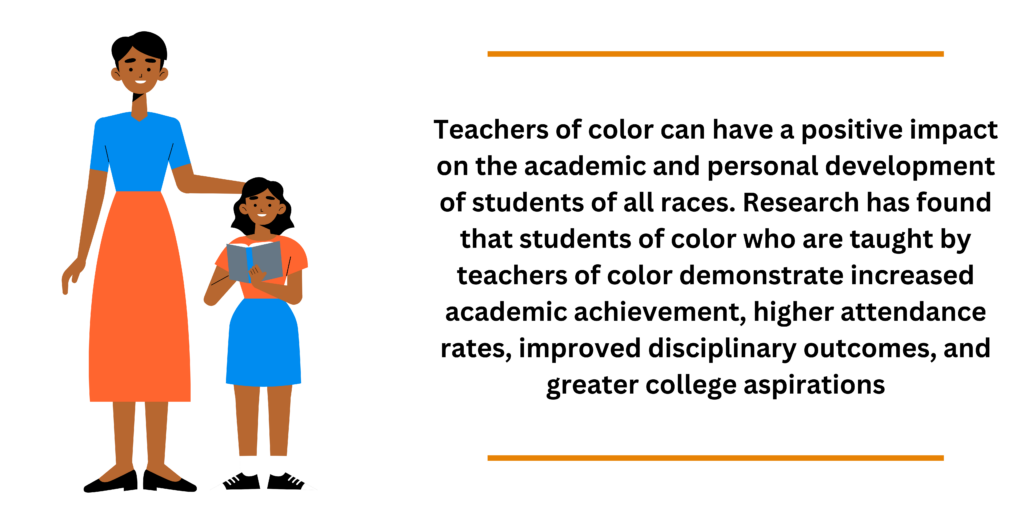
The Impact of Representation: Research consistently shows that culturally responsive teaching and diverse representation improve academic engagement, reduce disciplinary dropouts, and foster social-emotional well-being for students of all racial, ethnic, and gender backgrounds.
Comprehensive Directory of DEI Educational Resources
To operationalize diversity, equity, and inclusion, educators must look to trusted institutions and advocacy groups that provide evidence-based curricula and strategies. Below is a categorized directory of leading organizations offering specialized tools for teachers.
1. Students with Physical Disabilities and Learning Exceptions
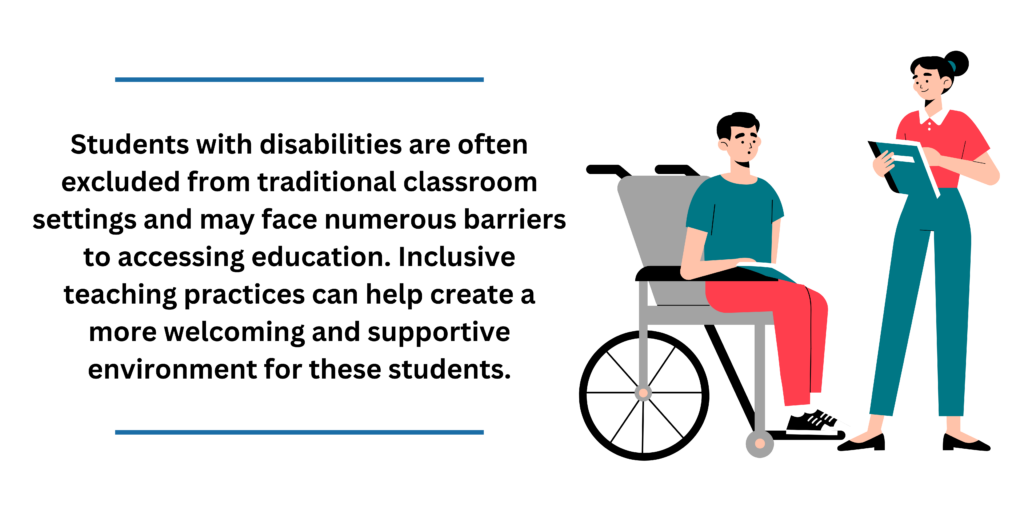
Students with disabilities have historically faced exclusion from mainstream academic settings. The following organizations provide frameworks and tools to implement accessible teaching practices:
CAST (Center for Applied Special Technology): Dedicated to transforming education through Universal Design for Learning (UDL), a framework designed to optimize teaching and accommodate individual learning differences. Explore CAST Resources
Council for Exceptional Children (CEC): The premier international organization dedicated to improving educational outcomes for individuals with exceptionalities, offering extensive tools for cognitive and physical disability support. Visit the CEC
Federation for Children with Special Needs (FCSN): Provides resources to empower families and professionals helping children with diverse mental and physical impairments. Access FCSN
The IRIS Center: A Vanderbilt University-based initiative funded by the U.S. Department of Education’s Office of Special Education Programs, offering web-based resources for inclusive classroom strategies. Explore The IRIS Center
Understood: An organization focused on individuals with learning and thinking differences, offering practical guides and teacher-facing educational materials. Visit Understood
2. Women and Girls in Education
Empowering female and non-binary students requires dismantling societal stereotypes and fostering leadership early in life. Key resources include:
Girl Up: Offers lesson plans and activities designed by the UN Foundation initiative to promote gender equality and youth leadership. Discover Girl Up
Girls Leadership: Focuses on social-emotional learning, professional development workshops, and tools to build confidence and leadership in young girls. Visit Girls Leadership
Girls Who Code: Provides specialized computer science curricula and resources to support female and non-binary students entering STEM fields. Explore Girls Who Code
The Representation Project: Utilizes media literacy and documentaries—such as Miss Representation—to challenge limiting gender stereotypes in society. Access The Representation Project
Teach a Girl To Lead (Rutgers University): Provides K-12 curricula highlighting women’s political history, suffrage, and the contributions of women of color in government. Visit Rutgers TAG
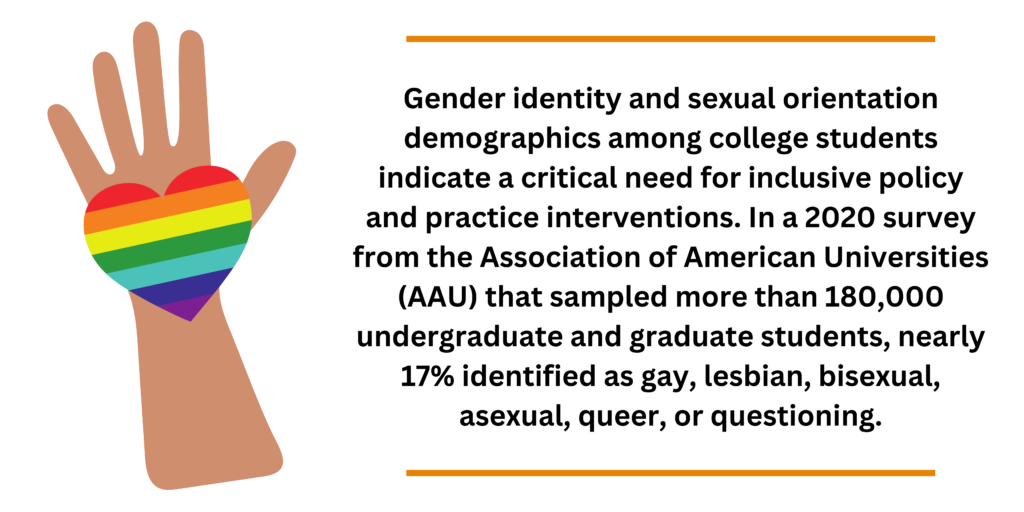
3. LGBTQ+ Inclusion and Advocacy
Creating a safe environment for LGBTQ+ youth is vital for academic retention and mental health. Essential networks include:
GLSEN (Gay, Lesbian, and Straight Education Network): Offers comprehensive lesson plans, anti-bullying policies, and professional development for LGBTQ+ inclusion. Visit GLSEN
Gender Spectrum: Provides training, resources, and gender-inclusive policy guides for elementary and secondary educators. Explore Gender Spectrum
PFLAG (Cultivating Respect: Safe Schools for All): Delivers parent-family-educator advocacy guides focused on safe, respectful classrooms. Access PFLAG
The Trevor Project: Provides crisis intervention and mental health resources, alongside educational search tools for educators seeking to affirm LGBTQ+ youth. Visit The Trevor Project
Welcoming Schools (Human Rights Campaign Foundation): A robust bullying-prevention program offering booklists, professional training, and inclusive lesson plans. Explore Welcoming Schools
4. BIPOC (Black, Indigenous, and People of Color) Support
The Center for Culturally Responsive Teaching and Learning (CCRTL): Promotes cultural responsiveness in physical and virtual classrooms via workshops and strategy tutorials. Visit CCRTL
Learning for Justice (Southern Poverty Law Center): Provides free lesson plans, frameworks, and professional development webinars centered on racial equity and social justice. Explore Learning for Justice
Rethinking Schools: An advocacy group offering magazines, books, and classroom management strategies centered on equity and social justice. Visit Rethinking Schools
Talking About Race (Smithsonian NMAAHC): Offers digital tools and guidance to help educators and parents navigate complex conversations surrounding race in history and daily life. Access Smithsonian NMAAHC
The Zinn Education Project: Promotes people’s history and offers materials that highlight minority perspectives in social studies and history curricula. Visit Zinn Education Project
5. AAPI (Asian American and Pacific Islander) Integration
Integrating AAPI history and culture into mainstream curricula ensures accurate representation:
AAPI Heritage Month Teacher Resources: A collaborative federal and institutional archive featuring primary source documents, artwork, and historical milestones. Explore AAPI Heritage Resources
AAPI Women Lead / #IMREADY Movement: Focuses on the history, leadership, and activist causes of AAPI women. Visit AAPI Women Lead
The Asian American Education Project: Provides robust lesson plans that celebrate and acknowledge the diverse Asian American experience. Access the Project
The National Association for Multicultural Education (NAME): Advocates for equity and multiculturalism across all educational tiers, highlighting the AAPI experience. Visit NAME
6. LatinX and English Language Learners (ELL)
With surging enrollments of LatinX students, specialized language and cultural resources are critical:
Colorín Colorado: A bilingual web service offering instructional resources for educators of English language learners, primarily supporting the LatinX community. Visit Colorín Colorado
Facing History and Ourselves: Features lesson plans, documentaries, and literature surveying Hispanic American history for middle and high school students. Explore Facing History
Anti-Defamation League (ADL): Provides tools, strategies, and literature lists celebrating Hispanic Heritage Month across grades K-12. Visit ADL Resources
Common Sense Education: Curates grade-level-appropriate free learning resources focusing on LatinX history and culture. Access Common Sense
UnidosUS: A civil rights organization offering materials to help educators protect the rights of all students, regardless of immigration status. Visit UnidosUS
7. Religious Pluralism in Education
Acknowledging diverse faith backgrounds fosters mutual respect and curbs religious intolerance:
Interfaith America: Offers reading lists and resource guides to help educators maintain respectful classrooms where diverse beliefs are upheld. Explore Interfaith America
The Pluralism Project (Harvard University): Provides comprehensive educational materials exploring a vast spectrum of religious traditions to support interfaith literacy. Visit The Pluralism Project
Official Statements and Expert Perspectives
Educational leaders and institutional bodies agree that integrating DEI principles is essential for the future of democratic society. As noted by educational theorists and civil rights advocates, schools must act as crucibles of empathy.
"Creating an inclusive classroom isn’t something that a teacher can just intuit on their own. Rather, it requires a great deal of training and education to account for the tremendous variety of perspectives that a classroom can contain."
— Educational Policy Analysts
Organizations like the National Education Association (NEA) emphasize that professional development in culturally responsive pedagogy directly correlates with lower dropout rates and higher standardized engagement metrics. By moving beyond a one-size-fits-all model, teachers validate the lived experiences of their pupils, transforming the classroom from an intimidating regulatory institution into a dynamic hub of discovery.
Future Outlook: Taking the Next Steps as an Educator
The trajectory of modern education points toward an increasingly interconnected, diverse global society. As school districts nationwide continue to prioritize equity, the demand for well-trained educators who possess active DEI competencies will only intensify.
If you feel inspired to become an educator capable of empowering and engaging students from all walks of life, the professional path forward offers numerous entry points. Depending on your current academic background, geographical location, and desired classroom role—whether specializing in special education, bilingual instruction, or STEM fields—there are structured degree pathways designed to equip you for success.
To explore a comprehensive directory of teaching degrees, certification options, and professional development programs tailored to your career aspirations, review the Teacher.org Degree Guide. Taking your career into your own hands today ensures that you will be prepared to guide tomorrow’s diverse generation of leaders toward a more equitable and inclusive future.