
Executive Overview
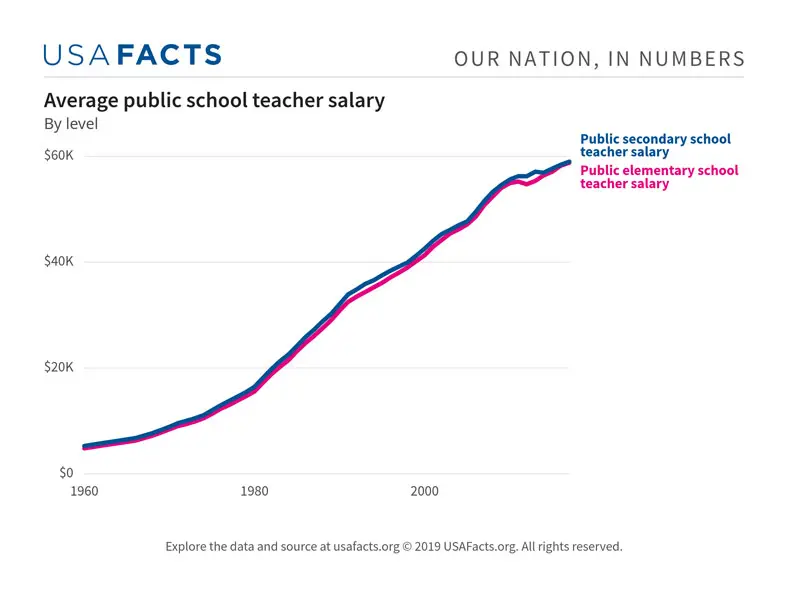
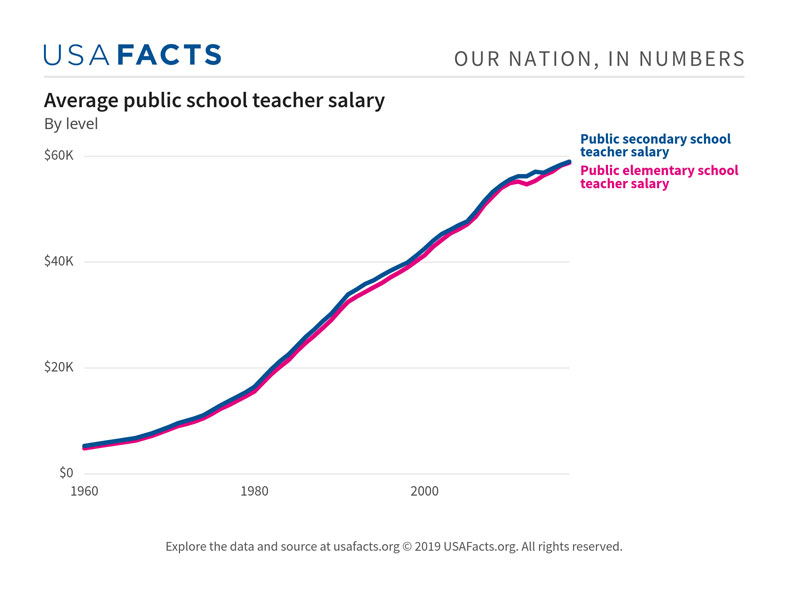
In modern education, a stark and persistent reality remains undeniable: the baseline compensation for educators frequently fails to align with the escalating costs of living, soaring housing markets, and expanding family obligations. While districts across the United States structure compensation packages around standardized salary schedules—weighing years of service, local tax bases, and advanced credentials—many hardworking teachers find themselves facing a structural deficit between what their primary profession pays and what their daily lives demand.
To bridge this financial gap without walking away from the classrooms they love, a growing segment of educators is turning to strategic, skill-aligned supplementary work. However, the modern educator cannot afford to approach a second job casually. Balancing lesson planning, standardized testing preparation, grading cycles, and extracurricular duties leaves precious little bandwidth.
The most successful side hustles for teachers are not random gigs; they are calculated enterprises that leverage pre-existing pedagogical expertise, scale through digital platforms, or maximize the flexible landscape of the summer break. This report examines the economic realities of contemporary teaching, outlines the 10 best side hustles curated specifically for educators, and provides a strategic roadmap for avoiding burnout while building sustainable secondary streams of income.
Detailed Chronology & Economic Realities: Understanding the Educator Pay Gap
To understand why thousands of educators seek supplemental income, one must examine the macro-level economic landscape governing the profession. Teacher compensation is rarely tied to dynamic market rates or individual performance metrics. Instead, salaries are historically bound to rigid institutional grids determined by local school boards and state legislatures.

The Anatomy of Teacher Salaries
Historically, a teacher’s earning potential is dictated by two primary levers:
- Years of Classroom Experience (The "Step" System): Incremental pay bumps awarded annually or biennially.
- Educational Attainment (The "Lane" System): Salary increases tied to acquiring master’s degrees, doctorate credits, or specialized endorsements.
Despite these mechanisms, inflation-adjusted teacher pay has stagnated or declined in many regions over the past decade. According to the U.S. Bureau of Labor Statistics (BLS), national median wages for educators as of May 2025 reflect distinct plateaus across educational tiers:
- Elementary School Teachers: Median Annual Wage of $63,970 (Projected job growth of -2.0% from 2024–2034, though massive replacement demand due to retirements will yield roughly 91,000 annual openings).
- Middle School Teachers: Median Annual Wage of $64,370 (Projected job growth of -2.0% from 2024–2034).
- High School Teachers: Median Annual Wage of $72,040, with top-decile earners (90th percentile) reaching approximately $107,600 (Projected job growth of -1.6% from 2024–2034, translating to roughly 66,200 annual openings).
While these baseline figures are supplemented by critical benefits—such as health insurance, pension contributions, and paid leave—they frequently fall short of covering skyrocketing family expenses, childcare, and mortgages in high-cost-of-living metropolitan areas. Consequently, educators have increasingly looked beyond contract hours to stabilize their household finances.
Supporting Context & Metrics: The 10 Best Side Hustles for Teachers
Before selecting a secondary income stream, educators must evaluate three critical factors: transferable skills, available time blocks (free periods, weekends, or summer vacation), and financial scalability (whether they require immediate cash or long-term passive revenue).
The following ten side hustles are categorized from the fastest to operationalize to those requiring deeper upfront investments but offering long-term dividends.
1. Tutoring and Academic Coaching
Tutoring represents the most direct translation of professional classroom skills into private-market compensation. Whether conducted in-person, via virtual platforms, or through specialized test-prep and ESL (English as a Second Language) instruction, tutoring commands strong hourly rates.
- Why it works: It requires minimal setup. Most online marketplaces simply require a verified subject matter expertise, a clear rate, and an open calendar slot.
- Pro Tip: Virtual tutoring eliminates commute times, allowing educators to string multiple clients together efficiently during weekday evenings.
2. Curriculum Development and Lesson Planning
Experienced teachers sit on goldmines of intellectual property: highly refined lesson plans, formative assessments, classroom management templates, and thematic units.
- Platforms: Marketplaces like Teachers Pay Teachers (TpT), Etsy, or personal self-hosted websites allow educators to package these materials once and sell them infinitely.
- Economic Impact: While building a storefront requires sustained upfront effort, it evolves into a reliable source of passive income that generates sales long after the initial creation phase.
3. Online Teaching and Asynchronous Course Creation
Taking digital education a step further, platforms like Udemy or Teachable enable teachers to transform specialized units or skill sets into comprehensive video courses.

- Why it works: Unlike live tutoring, recording an asynchronous course requires zero recurring time commitments once published.
- Summer Potential: Summer break provides the uninterrupted concentration blocks required to script, record, and edit high-quality instructional videos.
4. Freelance Writing and Content Creation
Educational publishing companies, parenting blogs, and marketing agencies constantly seek subject-matter experts to write curriculum descriptions, blog posts, and study guides.
- Flexibility: Freelance writing offers rapid turnaround times and immediate payouts. Educators do not necessarily have to write about pedagogy; technical writing, copywriting, and general content creation are widely accessible.
5. Educational Consulting for Homeschooling Families
The rapid growth of the homeschooling movement has created a lucrative niche market. Many parents choose to homeschool but lack the pedagogical training to design a cohesive scope and sequence, track academic progress, or plan social co-ops.
- The Opportunity: Experienced teachers can act as part-time educational consultants, offering diagnostic assessments, customized curricula, and portfolio evaluations for homeschooling families on a retainer model.
6. Arts, Crafts, and Handmade Goods
For educators with creative hobbies, marketplaces like Etsy offer a low-risk entry point into e-commerce. With minimal listing fees ($0.20 per item), teachers can test the market for classroom decor, handmade organizational tools, custom apparel, or digital printables without heavy capital investment.
7. Coaching and Extracurricular Instruction
Athletic coaching, community theater direction, and specialized club advising do not have to end when the school bell rings.

- Extensions: Local recreation departments, private sports leagues, and community pools actively hire educators during the off-season to lead youth sports camps, swim instruction, or lifeguard programs.
8. Summer School and Camp Counseling
For educators who prefer structured seasonal employment, traditional school-sponsored summer school provides direct continuity of their day job at an accelerated daily rate. Alternatively, residential or day camps offer an active, non-academic environment that serves as a refreshing mental break from the traditional school-year routine.
9. Short-Term Property Rentals
Educators who own multi-room homes, mother-in-law suites, or properties left vacant during summer travel can utilize short-term rental platforms like Airbnb to generate substantial revenue. While property management requires guest turnover, maintenance, and compliance with local ordinances, it offers high-yield returns during peak tourism months.
10. Delivery, Rideshare, and On-Demand Services
For maximum schedule flexibility, on-demand driving and delivery services (such as Uber, Lyft, DoorDash, or Instacart) allow educators to log in and log out at will—turning a single free afternoon or weekend errand run into instant cash flow.
Official Statements and Professional Perspectives
Balancing a rigorous primary career with supplementary labor requires acute self-awareness and strict boundary management. Industry experts and veteran educators emphasize that a side hustle should never compromise an educator’s core effectiveness in the classroom.

"Working teachers have already mapped out which side hustles are worth a colleague’s limited time and which ones just eat into a weekend for a little cash."
Furthermore, experts caution against common pitfalls, particularly conflicts of interest. Tutoring one’s own current students—even outside of school hours—raises ethical concerns and may violate district policy.
"Most teachers who take on a side hustle manage to fit it in without it swallowing the rest of their week—the ones who burn out are usually the ones who never set a limit in the first place."
Institutional bodies, including the National Education Association (NEA) and various state education departments, continually monitor these economic trends. While professional advocacy focuses primarily on raising baseline legislative salaries, career counselors consistently advise educators to view side hustles through a strategic lens: as financial bridges rather than permanent architectural fixtures of their professional lives.

Future Outlook: Long-Term Sustainability vs. Short-Term Fixes
As the educational landscape evolves through 2034, employment projections indicate steady turnover and substantial hiring demands across all school levels, driven largely by retirements and natural career attrition. However, structural salary reforms will likely remain incremental and unevenly distributed across geographic regions.
For educators navigating this environment, side hustles will remain a viable tool for short-term financial stabilization. Yet, long-term career planning must look beyond temporary supplemental gigs. Investing in advanced degrees, National Board Certification, administrative endorsements, or specialized technological proficiencies offers a far higher return on investment, permanently shifting an educator’s base compensation upward year after year.
Ultimately, whether an educator chooses to draft digital lesson plans on Teachers Pay Teachers, consult for homeschooling pods, or tutor virtually via global networks, success depends on boundaries. By matching the right hustle to actual free hours, honoring personal rest, and treating secondary income streams as supplements rather than replacements for systemic reform, modern teachers can successfully protect their well-being while achieving financial stability.

