
Executive Overview
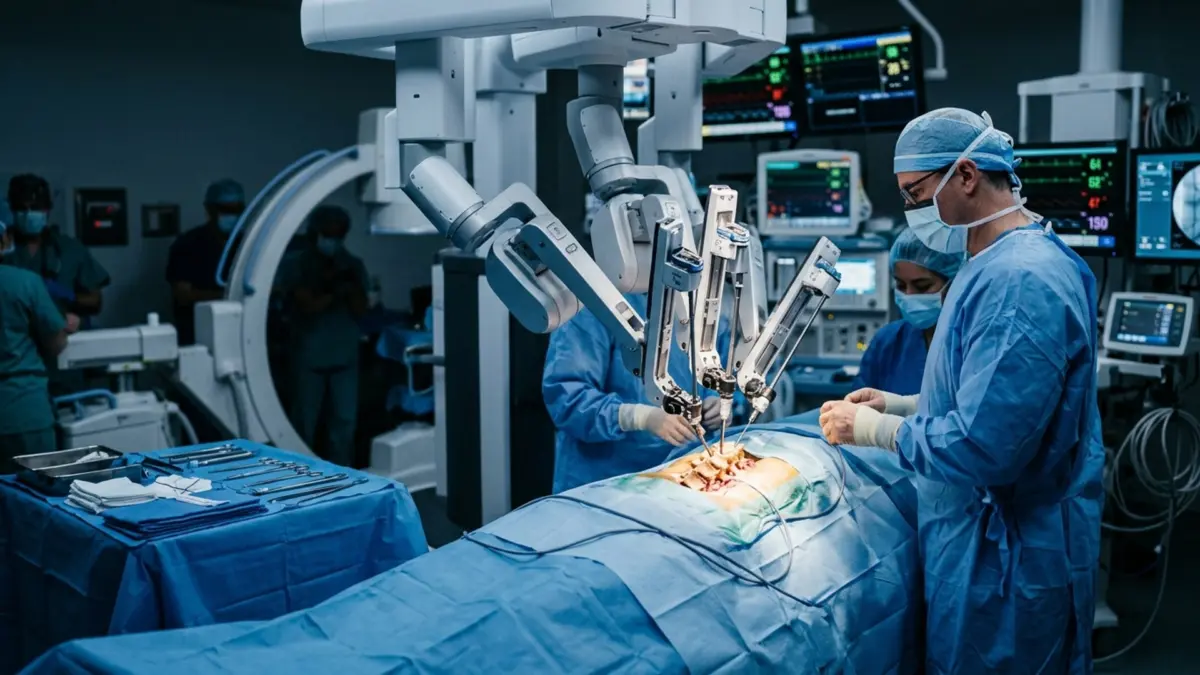
The landscape of computer-assisted and robotic spine surgery has achieved another major milestone. On August 26, 2026, medical technology innovators Spineart and eCential Robotics jointly announced that they received U.S. Food and Drug Administration (FDA) 510(k) clearance for Spineart’s PERLA TL application. This newly cleared software runs on eCential’s flagship Op.n navigation and robotic-assisted platform, effectively transitioning a pre-existing navigation-only partnership into a comprehensive, active robotic-assisted workflow.
The FDA clearance specifically covers the PERLA TL Open and MIS pedicle screw systems, facilitating both traditional open and minimally invasive (MIS) spine surgery procedures. By bridging the gap between passive tracking and active mechanical execution, this milestone combines specialized implant engineering, real-time surgical navigation, and autonomous robotic assistance into a single, unified operating room ecosystem.
As hospitals and ambulatory surgery centers increasingly prioritize procedural efficiency, reproducibility, and reduced radiation exposure, platform architectures like eCential’s open-ecosystem model—bolstered by dedicated applications from implant pioneers like Spineart—are reshaping the standard of care in modern orthopedics and neurosurgery.
Detailed Chronology: Building the Partnership (2022–2026)
The successful clearance of the PERLA TL application does not represent an isolated achievement; rather, it is the culmination of nearly four years of strategic research, collaborative software engineering, and regulatory navigation.
December 2022: The Foundation of Collaboration
The strategic alliance between Spineart and eCential Robotics officially commenced in December 2022. The two organizations executed a co-development and co-marketing agreement aimed at integrating Spineart’s advanced spine surgery applications with eCential’s pioneering open robotic surgery platform. This collaboration followed closely on the heels of eCential’s initial FDA clearance for its core spine surgery platform in September 2022, laying the groundwork for a hardware-agnostic platform capable of hosting multiple third-party implant applications.
July 2024: Expanding Capabilities and First Human Cases
Momentum accelerated in July 2024, when eCential secured a crucial secondary 510(k) clearance for its integrated spine navigation and robotic-assistance device. Capitalizing on this regulatory green light, surgical teams performed the world’s first clinical procedures utilizing eCential’s open robotic platform for spine surgery that very same month. These initial cases proved the technical viability and ergonomic stability of the platform in live operating room environments.
March 2025 – February 2026: Ecosystem Maturation
The technological evolution continued at a rapid pace:
- March 2025: eCential received FDA 510(k) clearance for the next generation of its core platform, designated as Op.n GEN 1.
- June 2025: Implant manufacturer ChoiceSpine launched its own specialized application for surgical use on the Op.n platform, following the technological trail blazed by Spineart’s initial PERLA software developments.
- January 2026: Nexxt Spine officially joined the eCential ecosystem as a strategic partner, further expanding the variety of hardware choices available to surgeons utilizing the platform.
- February 2026: European partner Amplitude Surgical successfully performed its first robotic knee surgeries utilizing its proprietary Andy robot, which is powered by core eCential technology. This demonstrated the platform’s adaptability beyond the spinal column.
- August 26, 2026: The receipt of FDA 510(k) clearance for the PERLA TL application marked Spineart’s realization of its broader corporate strategy: building a comprehensive, interoperable enabling technologies ecosystem centered around its industry-leading implant portfolio.
How the Op.n Platform Works: The Open Architecture Paradigm
To fully appreciate the significance of the PERLA TL clearance, one must examine the technological architecture underpinning eCential Robotics’ system design.
The All-in-One Surgical Architecture
Traditional surgical robotics have often suffered from a "closed-ecosystem" limitation, wherein hospitals invest millions of dollars into a proprietary robotic tower that is strictly locked to a single manufacturer’s proprietary implants and instrumentation. This model can create financial bottlenecks, limit clinical choice, and complicate inventory management.
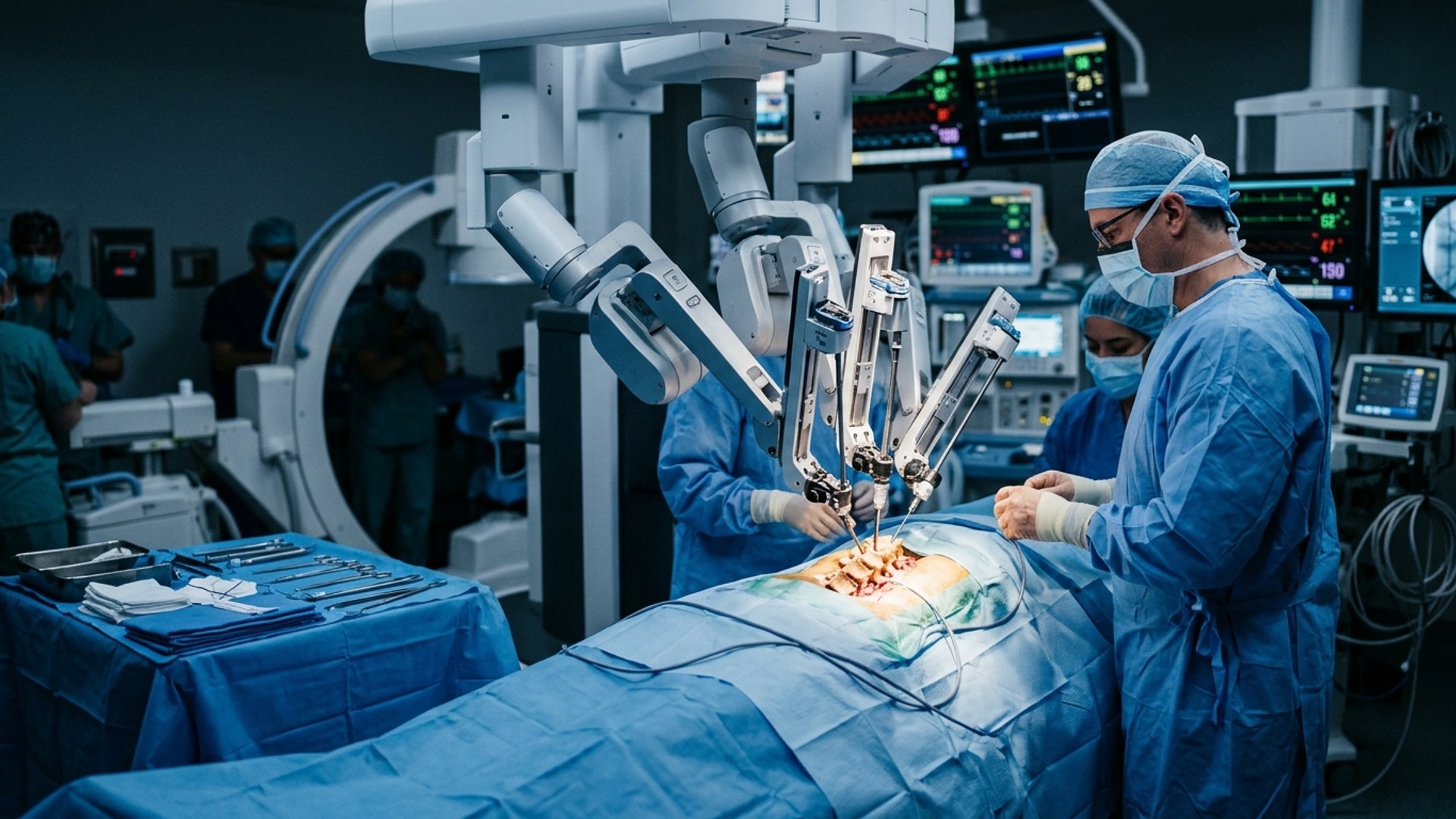
In contrast, eCential Robotics designed its platform as an all-in-one surgical system that merges:
- Intraoperative 2D/3D Imaging: Delivering high-resolution anatomical visualization directly within the sterile field.
- Real-Time Surgical Navigation: Tracking surgical instruments and patient anatomy simultaneously to ensure high-fidelity spatial awareness.
- Active Robotic Assistance: Providing precise mechanical guidance for bone preparation, tool placement, and screw insertion based on preoperative and intraoperative surgical plans.
The Open-Platform Business and Clinical Model
By choosing an open architecture, eCential functions much like a smartphone operating system that hosts third-party applications. Implant companies—such as Spineart—design specialized software applications (like PERLA TL) that run natively on the shared eCential Op.n hardware.
This model offers profound advantages for healthcare institutions:
- Clinical Flexibility: Surgeons are not forced to compromise on implant preference; they can utilize their preferred screw systems while leveraging state-of-the-art robotic assistance.
- Capital Efficiency: Hospitals can maximize their return on investment by acquiring a single multi-application platform capable of supporting multiple specialty partners across spine, orthopedics, and beyond.
- Streamlined Workflows: By consolidating imaging, navigation, and robotics into a single streamlined console, operating room footprint is reduced, and setup times between surgical cases are significantly shortened.
Official Statements and Industry Perspective
Key executives from both companies emphasized the collaborative nature of the journey and the clinical value unlocked by this regulatory milestone.
"This is an exciting milestone for our PERLA range and for our commitment to innovation in spine surgery. Together with eCential Robotics, we are introducing a truly collaborative robotic platform that brings simplicity, precision, and active robotics capabilities together to help redefine the surgical experience for spine surgeons and their patients."
— Laurent Nodé-Langlois, Chief Technology Officer at Spineart
Nodé-Langlois highlighted how the transition from a navigation-only pairing to a fully integrated robotic workflow empowers surgeons to execute complex pedicle screw placements with heightened confidence and reproducibility.
Echoing these sentiments, Lisa Jacobs, President of North America at eCential Robotics, underscored the depth of the multi-year partnership:
"Spineart has been a trusted partner and one of the first to believe in our vision for an open robotic platform. Together, we have created a seamless workflow that combines Spineart’s implant expertise with eCential’s navigation and robotics technology."
Supporting Context & Market Metrics
The clearance of the PERLA TL application arrives during a remarkably active regulatory period for surgical robotics and enabling technologies during the summer of 2026.
Broader Industry Milestones (Summer 2026)
- Momentum Surgical: Gained critical FDA clearance for its Anovo system for multiport robotic surgery in July 2026.
- Sentante: Officially initiated commercial deployment for its advanced endovascular robot in vascular surgery protocols.
- Spineart and eCential Robotics: The PERLA TL clearance capitalizes on this momentum, providing a textbook example of the "app-ecosystem" business model: one software application from an implant specialist, one versatile robotics platform from a navigation innovator, combined into a single regulatory-cleared workflow.
eCential Robotics By the Numbers
As of late 2026, eCential Robotics maintains a robust global footprint backed by impressive operating metrics:
- Intellectual Property: More than 100 registered patents protecting its proprietary imaging, navigation, and robotics innovations.
- Clinical Experience: Over 2,500 successful surgeries performed globally using eCential core technology.
- Partnerships: An expanding network of over 15 clinical and business partners contributing to its open application ecosystem.
- Global Presence: Operating out of dual corporate and engineering headquarters located in Grenoble, France and Franklin, Tennessee.
Future Outlook: Commercial Availability and Live Demonstrations
With FDA clearance secured, the commercial rollout of the PERLA TL application on the Op.n platform is moving forward immediately.
Beginning on August 26, 2026, Spineart initiated live demonstrations of the PERLA application at the Spineart Innovation Center in Dallas, Texas. Positioned alongside Spineart’s comprehensive portfolio of advanced spine stabilization and fusion technologies, the innovation center allows spine surgeons, hospital administrators, and clinical evaluators to experience hands-on simulations of the combined open and minimally invasive (MIS) robotic workflows.
What Lies Ahead
As the medical device industry shifts toward modular, open-platform ecosystems, the Spineart-eCential partnership offers a blueprint for future medtech collaborations. By decoupling implant manufacturing from robotic hardware development, both companies have lowered barriers to adoption, encouraging broader technological integration without sacrificing clinical precision.
For spine surgeons, the availability of the PERLA TL application on the Op.n platform translates into greater intraoperative control, reduced procedural variability, and optimized patient outcomes. As clinical adoption scales across North America and Europe, this regulatory milestone marks a definitive step forward in the evolution of intelligent, patient-specific spine care.

