In classrooms, study halls, and living rooms across the globe, a silent academic and developmental struggle unfolds daily. Children and teenagers are routinely expected to manage complex multi-step tasks, sustain focus amidst a barrage of digital distractions, and independently guide themselves toward long-term educational goals. Yet, the cognitive machinery required to navigate these demands—known broadly as executive functioning—does not simply appear out of thin air.
At the center of this cognitive architecture lies a foundational yet frequently overlooked skill: self-monitoring. Defined as the intentional process of pausing to check in with oneself to ensure alignment between current actions and desired goals, self-monitoring acts as the internal compass for human behavior. Far from an innate trait, self-monitoring is an evidence-based, highly malleable skill that can be systematically taught, strengthened, and integrated into the daily routines of youth.
Recent pedagogical frameworks emphasize that when children and teens learn to build an inner thinking voice, write out their goals, regulate their breathing, and utilize targeted visual cues, they transition from passive recipients of instruction to autonomous architects of their own success. This comprehensive report explores the operational mechanics of self-monitoring, evaluates practical and classroom-tested interventions, and outlines a future-forward outlook on how educators and parents can cultivate these critical life skills.
DETAILED CHRONOLOGY: THE EVOLUTION OF SELF-MONITORING IN MODERN EDUCATION
To understand why self-monitoring has become a focal point of contemporary child psychology and educational reform, one must trace its conceptual journey from behavioral psychology labs to mainstream classrooms.
The Behavioral Foundations (Late 20th Century)
Historically, behavioral interventions for children struggling with attention, impulse control, or academic task completion relied heavily on external management systems. Teachers and parents acted as the primary external regulators, utilizing reward charts, behavioral tokens, and frequent verbal reminders to keep students on task. While these methods often yielded short-term compliance, they frequently failed to foster true independence.
By the late 1980s and 1990s, educational researchers began shifting their focus toward cognitive-behavioral interventions. Pioneers in executive functioning recognized that external control mechanisms could not adequately prepare students for the complex, self-directed demands of higher education and modern workplaces. This realization sparked a chronological shift toward self-regulated learning (SRL) frameworks, which placed the onus of observation and evaluation directly onto the learner.
The Rise of Metacognitive Integration (2000s–2010s)
As neuroscience advanced through the turn of the century, brain-imaging technologies revealed the protracted development of the prefrontal cortex—the neural seat of executive functions—which continues maturing well into early adulthood. Educators and psychologists realized that children lacked robust self-monitoring capabilities not due to a lack of willpower, but because the underlying neural pathways for metacognition (thinking about thinking) were actively under construction.
Consequently, schools began integrating explicit metacognitive training into curricula. Self-monitoring transformed from an informal suggestion ("pay attention") into a structured, teachable science involving explicit goal-setting, periodic self-evaluation, and structured reflection.
Contemporary Frameworks: The Post-Pandemic Imperative (2020s–Present)
The modern educational landscape—marked by accelerated digital integration, post-pandemic learning gaps, and unprecedented demands on children’s attention spans—has rendered self-monitoring more critical than ever. Today, evidence-based practices merge mindfulness, visual scaffolding, and structured self-assessment tools. Self-monitoring is no longer viewed merely as an intervention for students with Attention-Deficit/Hyperactivity Disorder (ADHD) or behavioral challenges; it is recognized as a universal Tier 1 instructional strategy beneficial for every child navigating an increasingly fast-paced world.
SUPPORTING CONTEXT & METRICS: THE MECHANICS OF SELF-MONITORING
Self-monitoring is not a monolithic action; it is a dynamic cycle of cognitive regulation. When functioning optimally, the self-monitoring loop comprises three distinct phases: setting the objective, observing behavior in real-time, and evaluating progress to make necessary adjustments.
The Cognitive Anatomy of Self-Monitoring
Without self-monitoring, children and teens routinely lose sight of ongoing tasks, drifting off-track when confronted with boredom, frustration, or complex instructions. This breakdown is rarely intentional. Rather, it highlights a deficit in executive functioning that can be mapped across several core metrics and behavioral indicators:
Attention Regulation: The ability to sustain focus on a task, such as listening to a peer share a story or completing an independent math assignment without yielding to environmental distractions.
Behavioral Alignment: The micro-adjustments a student makes upon realizing their current actions diverge from their stated objective.
Metacognitive Frequency: The rate at which a young person pauses during an assignment to evaluate their own pacing, comprehension, and emotional state.
Evidence-Based Interventions and Strategies
Educational specialists have codified numerous practical strategies designed to externalize the internal self-monitoring process, making it concrete and accessible for developing minds.
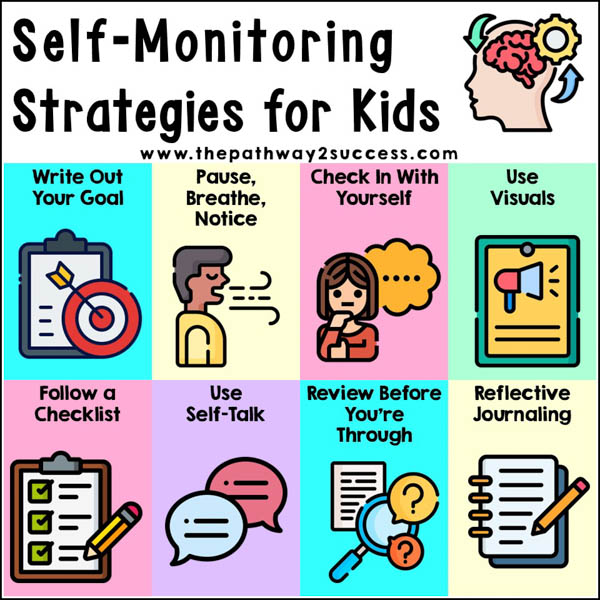
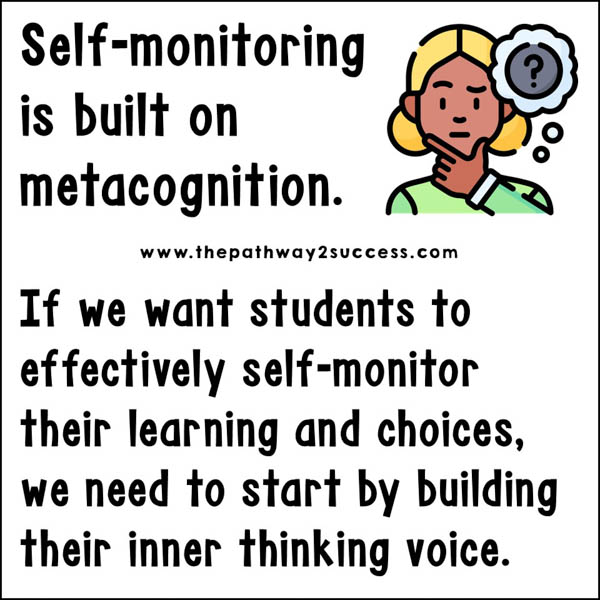
1. Building an Inner Thinking Voice through Metacognition
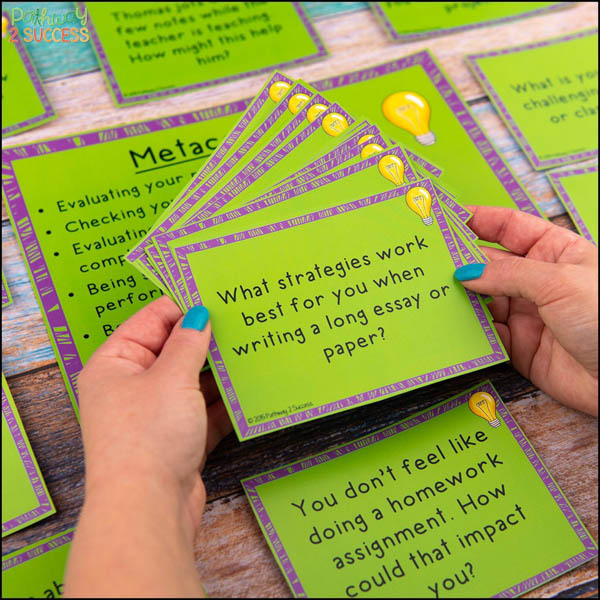
Self-monitoring is rooted in metacognition. Educators can cultivate this internal dialogue by facilitating strategy discussions before, during, and after learning activities. For instance, following a collaborative math group or an independent reading session, teachers can prompt students to analyze their hurdles: When did it become difficult to stay focused? What caused us to get off track? By verbalizing these challenges, students build an inner vocabulary to recognize similar hurdles in real-time.
2. Concrete Goal Formulation
The prerequisite to monitoring progress is identifying a clear destination. Before a working session begins, youth are encouraged to write out their specific objective on an index card or sticky note (e.g., "I am reading chapter 11 of our English novel"). This tangible anchor serves as an immediate visual reminder of the task at hand, fostering a sense of ownership from the outset.
3. The Power of "Pause, Breathe, Notice"
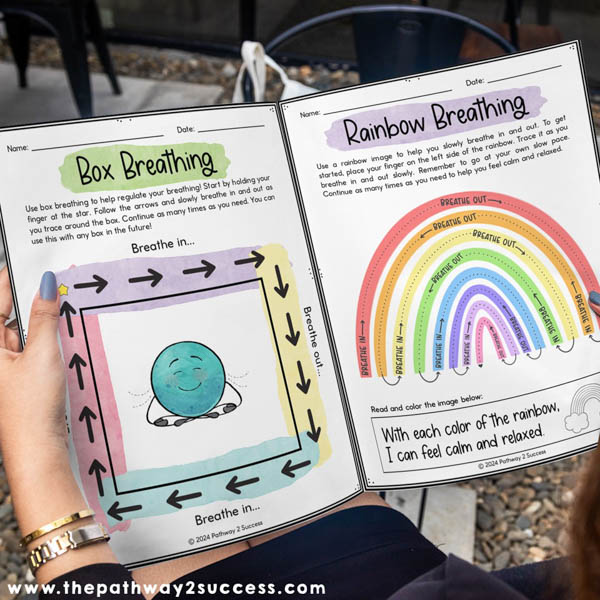
Living in a high-stimulus environment erodes the natural capacity to pause. Integrating brief mindfulness routines—such as slow deep-breathing exercises where students count their breaths and notice physical sensations—creates a neural pause button. This brief interruption in automatic processing forms the necessary framework for checking in with current emotional and cognitive states.
4. Structured Check-Ins and Chimes
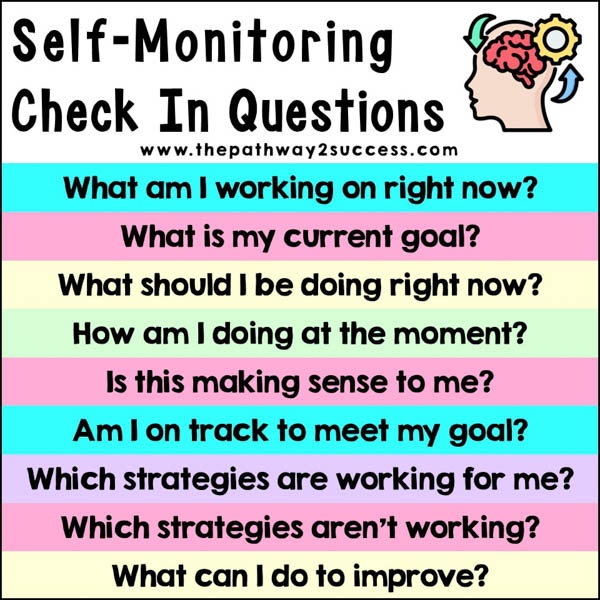
To prevent students from drifting away from their assignments during prolonged periods of independent work, educators can implement strategic check-ins. By sounding a gentle chime halfway through an exam or working session, teachers prompt students to turn their focus inward and ask critical questions: What am I working on right now? Am I making good progress? Do I need to change my approach?
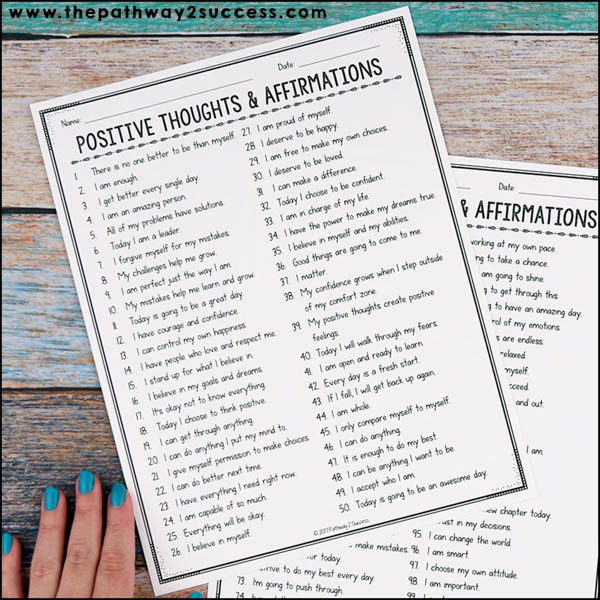
5. Leveraging Positive Self-Talk and Affirmations
Negative inner dialogue often exacerbates academic frustration. Introducing positive self-talk phrases—such as "I can work through challenges," "Take a deep breath and keep going," or "Mistakes help my brain grow"—equips children and teens with verbal tools to encourage themselves through difficult tasks.
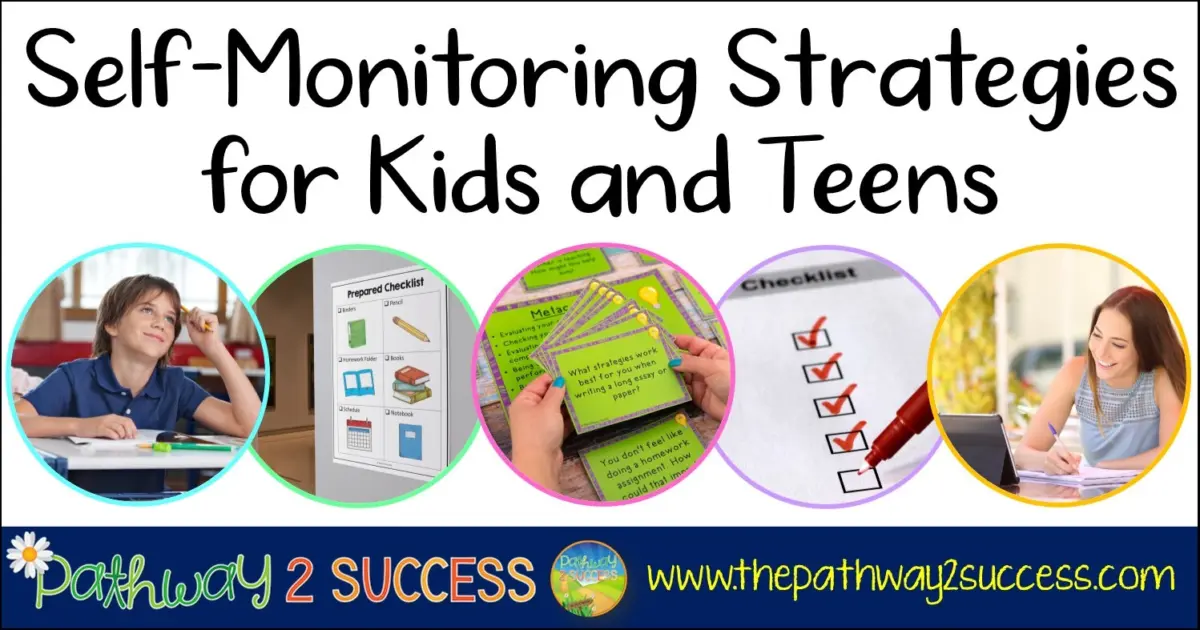
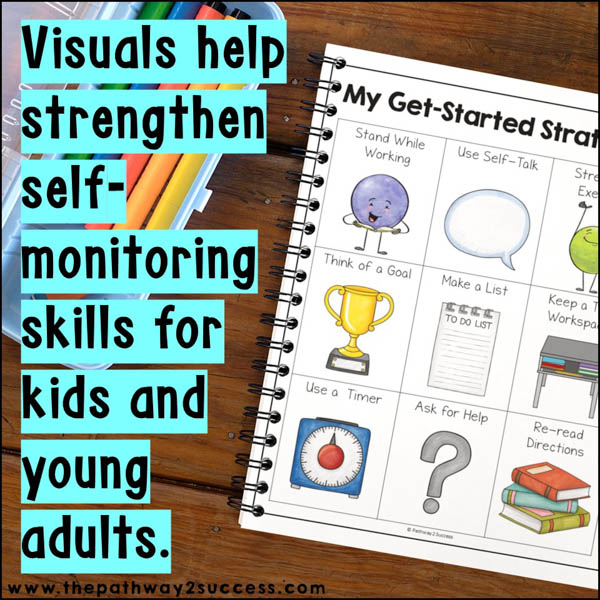
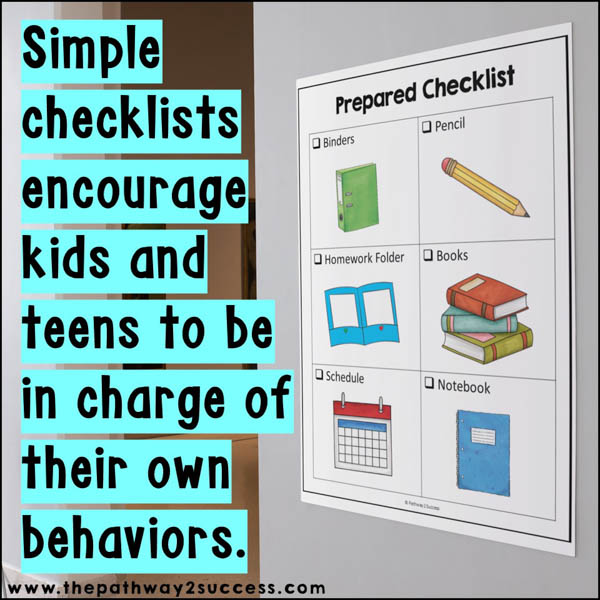
6. Visual Supports, Checklists, and Tally Charts
Because working memory in children is easily overloaded, visual scaffolds are vital. Customizable checklists for multi-step projects, tally charts for tracking target behaviors (such as the number of math problems solved), and visual cue cards act as external reminders to stay on track.
7. Time Management and Strategic Breaks
Utilizing timers for short, intense focus blocks (e.g., 10 minutes of independent journal writing) teaches students to manage temporal space. Furthermore, pairing these focus blocks with strategic brain-boosting breaks—ranging from physical stretches to creative coloring pages—keeps the prefrontal cortex fresh and primed for sustained attention.
8. Reflective Journaling and Point Sheets
Post-activity reflection transforms isolated experiences into long-term learning. By utilizing structured point sheets and reflective journaling prompts (e.g., What went well? What could be improved next time?), students assess their performance immediately, gaining actionable insights for future assignments.
OFFICIAL STATEMENTS & EXPERT PERSPECTIVES
Educational psychologists, developmental pediatricians, and classroom practitioners increasingly emphasize that self-monitoring is the linchpin of lifelong academic and professional achievement.
Dr. Elena Vance, a prominent researcher in child development and executive functioning, notes:
"We frequently mistake compliance for competence. When a child sits quietly, we assume they are cognitively engaged. True self-monitoring teaches children how to look inside their own minds, recognize when their attention is faltering, and autonomously steer themselves back to the task. It is the ultimate antidote to learned helplessness."
Furthermore, school psychologists point to the profound intersection between self-regulation and emotional well-being. According to consensus statements from leading educational associations, embedding executive functioning supports—such as mindful breathing and positive self-talk—directly reduces classroom anxiety.
"When students possess the tools to monitor their own stress and cognitive load, behavioral disruptions decline organically," explains Marcus Thorne, a veteran middle school administrator and curriculum coordinator. "We are not just teaching kids how to finish a math worksheet; we are teaching them emotional resilience and self-advocacy that will sustain them through high school, college, and their careers."
FUTURE OUTLOOK: THE ROAD AHEAD FOR SELF-REGULATED LEARNING
As educational systems continue to evolve in the twenty-first century, the integration of explicit self-monitoring strategies is poised to transition from an elective intervention to a core pillar of standard curricula.
The Convergence of EdTech and Metacognition
The future of self-monitoring will likely see a thoughtful synthesis of human-led guidance and adaptive educational technology. Digital platforms are beginning to incorporate metacognitive prompts, digital check-in chimes, and interactive goal-tracking dashboards designed specifically for young learners. However, experts caution that technology must serve as a scaffold rather than a replacement for human mentorship. The ultimate goal remains internalizing these habits so that digital reminders become obsolete.
Systemic Shifts in Teacher Preparation
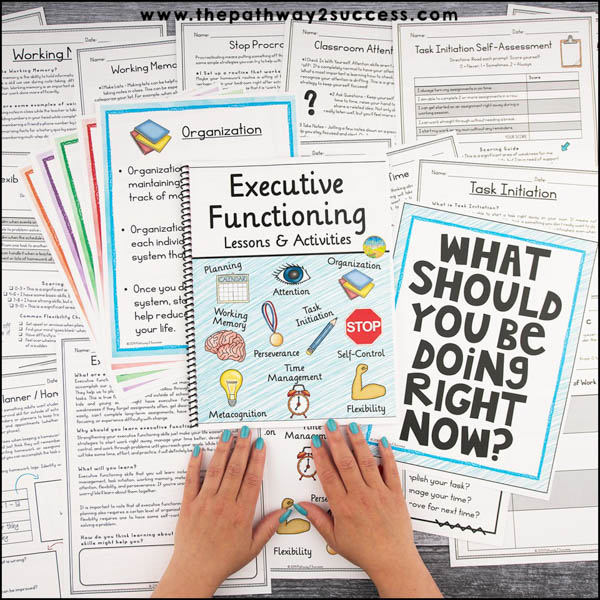
To foster these competencies effectively, teacher preparation programs must place greater emphasis on executive functioning development. Equipping educators with comprehensive toolkits—ranging from breathing exercise workbooks and positive affirmation modules to structured point sheets and reflection frameworks—ensures that classrooms become incubators for self-awareness and cognitive flexibility.
Conclusion: Empowering the Autonomous Learner
Ultimately, self-monitoring represents the bridge between external instruction and internal mastery. By systematically teaching kids and teens how to pause, set clear goals, monitor their progress through self-talk and visuals, and reflect upon their outcomes, we empower them to take charge of their own destiny. In doing so, we lay the bedrock for resilient, focused, and self-reliant individuals capable of meeting the complex challenges of tomorrow.