
Executive Overview
The arrival of a newborn introduces a profound structural shift into the domestic sphere, marked immediately by an unprecedented frequency of caregiving tasks. Among these, diaper management emerges as the most consistent and relentless daily rhythm of early parenthood. Long before a child takes their first steps or utters their first word, parents and caregivers are initiated into a continuous cycle of hygiene maintenance that will repeat thousands of times over the course of a few short years.
While prenatal preparation often focuses heavily on nursery aesthetics, infant gear selection, and feeding strategies, the reality of managing infant bodily fluids remains an unsung cornerstone of daily life. It is an undertaking performed in the haze of 3 a.m. sleep deprivation, in cramped car backseats, on rigid public facility changing tables, and eventually, while wrestling an increasingly mobile, inquisitive toddler who views the changing table as a gymnasium.
In recent years, the infant care industry has undergone a quiet revolution, transitioning from basic functionality to sophisticated material science and holistic developmental support. Modern parents no longer merely manage messes; they curate an ecosystem of high-performance products designed to safeguard sensitive skin, streamline domestic workflows, and preserve the fleeting nature of infancy. Brands such as Pampers have redefined the category by integrating advanced dermatological safety features, sustainable material certifications, and memory-capturing tools that frame routine maintenance as part of a larger developmental narrative.
This report examines the intricate landscape of modern infant diapering and caregiving logistics. By analyzing the physical demands placed on parents, the material innovations driving products like Pampers Swaddlers and Sensitive Wipes, and the psychological interplay between repetitive tasks and memory-making, we explore how the mundane mechanics of child care form the foundation of early childhood wellness and family bonding.
Detailed Chronology: The Lifecycle of the Diapering Journey
The trajectory of infant diapering is characterized by distinct developmental phases, each presenting unique logistical challenges for the caregiver and demanding adaptive strategies from consumer goods manufacturers.
Phase One: The Newborn Epoch (Months 0–3)
The journey begins abruptly in the delivery room and transitions immediately to the home, where newborns require up to ten to twelve diaper changes every twenty-four hours. During this initial window, the infant’s skin is at its most delicate and permeable, characterized by a thin stratum corneum that is highly susceptible to irritation, moisture retention, and friction.
The primary operational challenge during this phase is sheer volume and unpredictability. Sleep-deprived parents operate on fragmented schedules, making reliability an absolute necessity. Products must perform flawlessly without requiring complex adjustments. The integration of high-absorbency cores and wetness indicators becomes crucial, allowing caregivers to assess diaper status at a glance without unnecessarily disturbing a sleeping infant.
Phase Two: The Mobile Transition (Months 4–12)
As infants transition out of the sleepy newborn phase into active exploration, the nature of diapering shifts dramatically. Core motor skills begin to develop: rolling, pivoting, sitting unassisted, and eventually, aggressive crawling and pulling to stand.
The changing table ceases to be a passive station and transforms into a theater of kinetic energy. Diapering requires one-handed stabilization, lightning-fast fastening, and materials that can flex, twist, and maintain 100% leakproof protection despite continuous motion. The skin, while slightly more resilient than at birth, faces new challenges from expanded diets, increased perspiration, and frequent friction against elastic waistbands and leg cuffs.
Phase Three: The Toddler Horizon (Months 12–24+)
In the final stretch of primary diaper dependence, toddlers develop strong wills, spatial awareness, and a burgeoning desire for autonomy. Diaper changes often involve negotiations, distractions, and tactical positioning on floors, carpets, or wherever the child happens to halt their play.
The focus during this era shifts toward ease of removal, high-capacity containment for overnight stretches, and skin health maintenance despite extended wear times. Ultimately, this intense, multi-thousand-diaper marathon culminates in potty training—a milestone that signals the sudden, sometimes nostalgic conclusion of an era that once felt entirely permanent.
Supporting Context & Metrics: The Anatomy of Modern Infant Care
To understand the scope of the infant care market and the physiological requirements of diapering, one must examine the intersection of consumer behavior, material science, and pediatric dermatology.
The Quantifiable Scope of Diapering
Statistical analysis of early childhood development reveals the staggering scale of the diapering routine. On average, an infant will consume between 2,500 and 3,000 diapers in their first year of life alone. Across a typical two-to-three-year span leading up to independent bowel and bladder control, a child will necessitate approximately 6,000 to 8,000 individual diaper changes.
When factored into daily time management, a caregiver spends an estimated cumulative total of hundreds of hours changing diapers, wiping skin, and managing wardrobe changes necessitated by leaks. This immense volume underscores why small product innovations—such as softer tabs, more reliable elastic leg barriers, and intuitive tear-away sides—yield monumental cumulative quality-of-life improvements for parents.
Dermatological Demands and Material Science
Infant skin is structurally distinct from adult skin; it is approximately 30% thinner and possesses a higher surface-area-to-body-mass ratio, making it significantly more vulnerable to chemical absorption and moisture-induced breakdown (diaper dermatitis).
Modern high-performance diapers utilize sophisticated multi-layer architectures to combat these vulnerabilities:
- Absorbent Cores: Advanced super-absorbent polymers (SAP) lock moisture away from the skin’s surface within seconds, neutralizing pH levels that can lead to irritation.
- Hypoallergenic Liners: Breathable, non-woven outer and inner layers permit air circulation while preventing liquid back-feed.
- Chemical Transparency: Modern regulatory pressures and consumer awareness have driven manufacturers to eliminate elemental chlorine bleaching, parabens, and natural rubber latex, reducing the incidence of allergic contact dermatitis.
Certifications such as OEKO-TEX® STANDARD 100 provide an objective benchmark for safety, requiring independent laboratory testing against a catalog of over 1,000 potentially harmful regulated and unregulated substances.
The Ubiquity of the Baby Wipe
Beyond the diaper itself, the baby wipe has evolved into a ubiquitous household utility. Originally conceived solely for perianal hygiene during diaper changes, consumer surveys indicate that over 65% of parents utilize baby wipes for ancillary sanitation tasks:
- Sanitizing sticky hands and faces post-feeding.
- Wiping down high-chair trays, shopping cart handles, and stroller grips.
- Quick-cleaning household surfaces during travel or outdoor excursions.
Because wipes make contact with sensitive mucous membranes, facial skin, and compromised epidermal layers multiple times a day, formulation standards have risen sharply. Dermatologist-approved, fragrance-free wipes utilizing thick, cloth-like textures have become the gold standard to prevent frictional micro-tears and chemical sensitization.
Official Industry Perspectives and Expert Insights
Industry leaders, pediatricians, and material scientists increasingly emphasize the psychological and physiological dimensions of routine infant care. Far from being a mere mechanical chore, diapering is framed as a critical micro-interaction zone between infant and caregiver.
The Pediatric Perspective on Skin Health
Leading pediatric dermatologists consistently highlight that preventative skin care is significantly easier and more effective than treating established diaper rash.
"The primary goal of modern diaper design is to maintain an optimal skin microclimate," notes pediatric nurse practitioner and infant care consultant Sarah Jenkins. "When you are changing a baby ten times a day, the materials touching that skin matter immensely. A diaper that traps humidity or releases chemical residues under pressure will inevitably compromise the skin barrier. Conversely, dermatologically tested, hypoallergenic options with high-efficiency moisture-locking liners create a protective buffer that allows skin to heal and thrive amidst the inevitable friction of early development."
The Psychology of Routine and Bonding
Child psychologists point out that while repetitive tasks can induce mental fatigue in exhausted parents, infants thrive on predictable, rhythmic caregiving patterns. The physical closeness, eye contact, and vocalizations exchanged during a diaper change serve as foundational building blocks for secure attachment and social-emotional development.
Furthermore, industry observers note a cultural shift in how brands support this transition. By bundling practical hygiene supplies with developmental memory-keeping tools—such as milestone marker cards—manufacturers acknowledge the dual nature of early parenthood: the juxtaposition of mundane, repetitive labor with fleeting, irreplaceable emotional milestones.
Future Outlook: Innovation, Sustainability, and the Next Generation of Infant Care
As consumer demographics shift toward millennial and Generation Z parents, the expectations placed upon infant care brands are evolving rapidly. The future of the diapering industry rests at the intersection of advanced bio-materials, digital connectivity, and environmental stewardship.
Biodegradability and Circular Economies
One of the most pressing challenges facing the infant care sector is environmental impact. Billions of single-use diapers enter landfills annually, prompting intensive research and development into biodegradable plant-based plastics, sustainably harvested bamboo fibers, and compostable absorbent cores.
While achieving 100% compostability without sacrificing the rigorous leakproof performance demanded by modern parents remains a complex engineering hurdle, early prototypes suggest that the next decade will see a significant market penetration of eco-optimized disposables.
Smart Diapering and Health Monitoring
The integration of Internet of Things (IoT) technology into infant care is no longer science fiction. Emerging concepts include non-invasive sensor strips embedded within disposable waistbands that monitor infant hydration levels, detect early markers of infection or fever via urine composition, and transmit real-time data to parental smartphone applications.
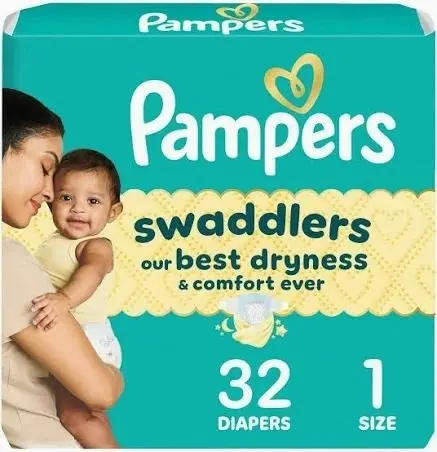
While traditional reliability—such as the proven leakage protection and hypoallergenic comfort found in established mainstays like Pampers Swaddlers—will remain the baseline consumer expectation, value-added health telemetry is poised to become the next major differentiator in premium infant care.
Preserving the Human Element
Ultimately, regardless of how advanced material sciences or digital integrations become, the core of the diapering experience remains profoundly human. It is an act of service, patience, and love performed in the quiet hours of the night and the chaotic moments of the day.
As parents navigate the thousands of changes that define the first chapter of their child’s life, the availability of reliable, high-performance tools—from ultra-absorbent diapers to dependable sensitive wipes and memory-keeping keepsakes—ensures that they can spend less time worrying about logistics and more time anchoring themselves in the fleeting, beautiful music of their child’s earliest years.

